Focused guide
Buddhist Temple sacred sites in Japan
Explore buddhist temple sacred sites in Japan, with related traditions, pilgrimage context, and mapped places.
Atlas summary
Buddhist Temple sacred sites in Japan overview
Buddhist Temple sacred sites in Japan help visitors move beyond broad directories into a more precise set of sacred places with shared geography, tradition, or site type.
Use this page for search-friendly discovery, map comparison, and faster paths into individual site pages with context, coordinates, and nearby places.
| Coverage | 119 sacred sites match this focused browse path. |
|---|---|
| Country | |
| Site type |
Refine the atlas
Related focused search
Showing 119 of 119 matching sites
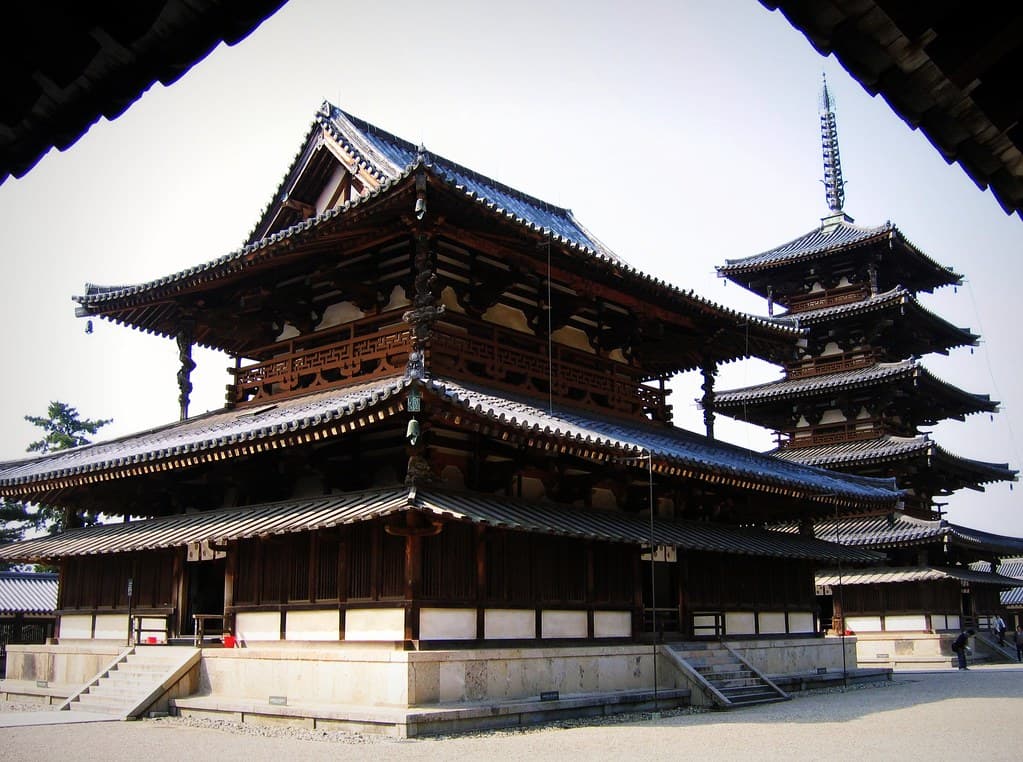
Horyuji
Ikaruga, Nara Prefecture, Japan
The pagoda and main hall of Hōryū-ji have stood for over 1,300 years—the oldest surviving wooden structures on earth....

Toji
Kyoto, Kyoto Prefecture, Japan
For over 1,200 years, Tō-ji has been the beating heart of Shingon Buddhism—the esoteric tradition that Kūkai brought from China in the 9th century....
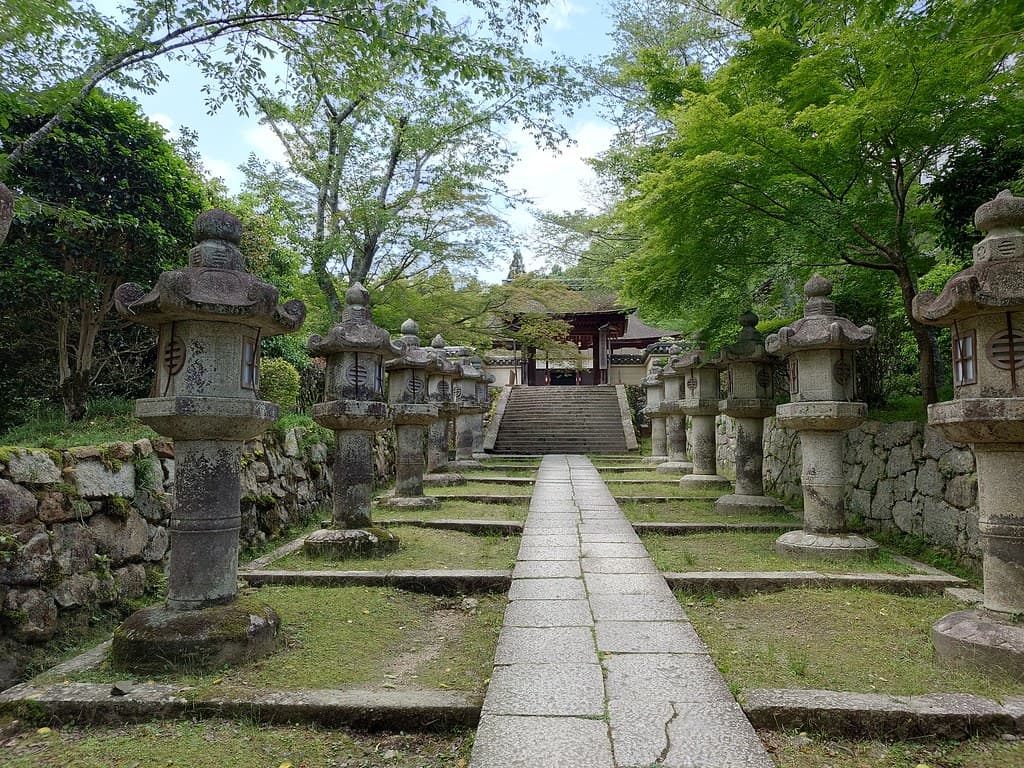
Mii-dera
Otsu, Shiga Prefecture, Japan
Mii-dera has earned its nickname—the Phoenix Temple—through seven destructions and seven risings....
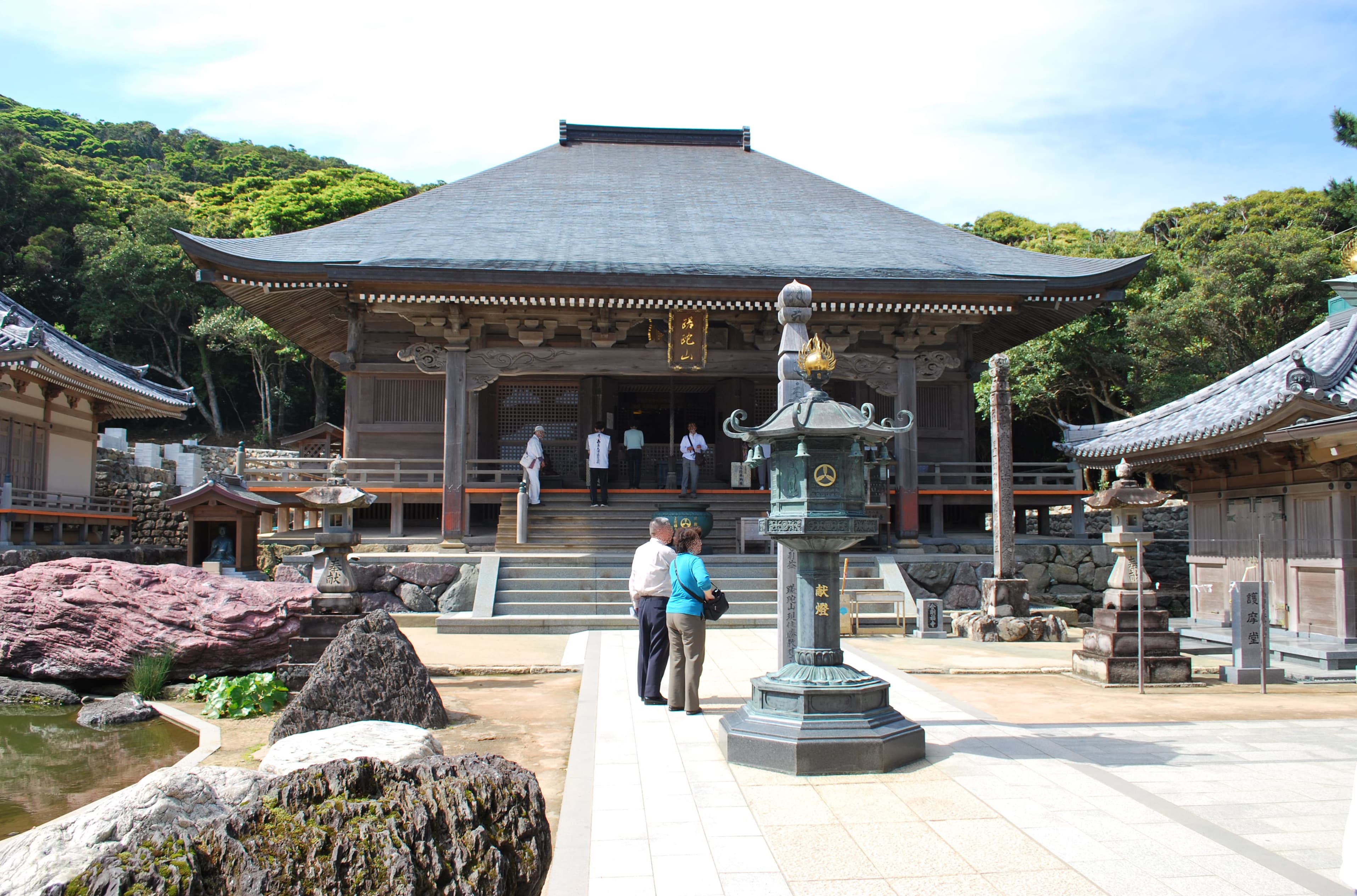
Kongofukuji Temple, Tosashimizu
Tosashimizu, Kochi Prefecture, Japan
At the southernmost tip of Shikoku, where land yields to endless ocean, stands the temple Kobo Daishi founded after sensing the presence of Fudaraku—Kannon's Pure...

Hase-dera (長谷寺)
Sakurai, Nara Prefecture, Japan
Hase-dera in Kamakura is the fourth station of the Bandō Sanjūsankasho — a hillside temple above Yuigahama beach famous for its Eleven-Headed Kannon, a 9.18-metre gilded...
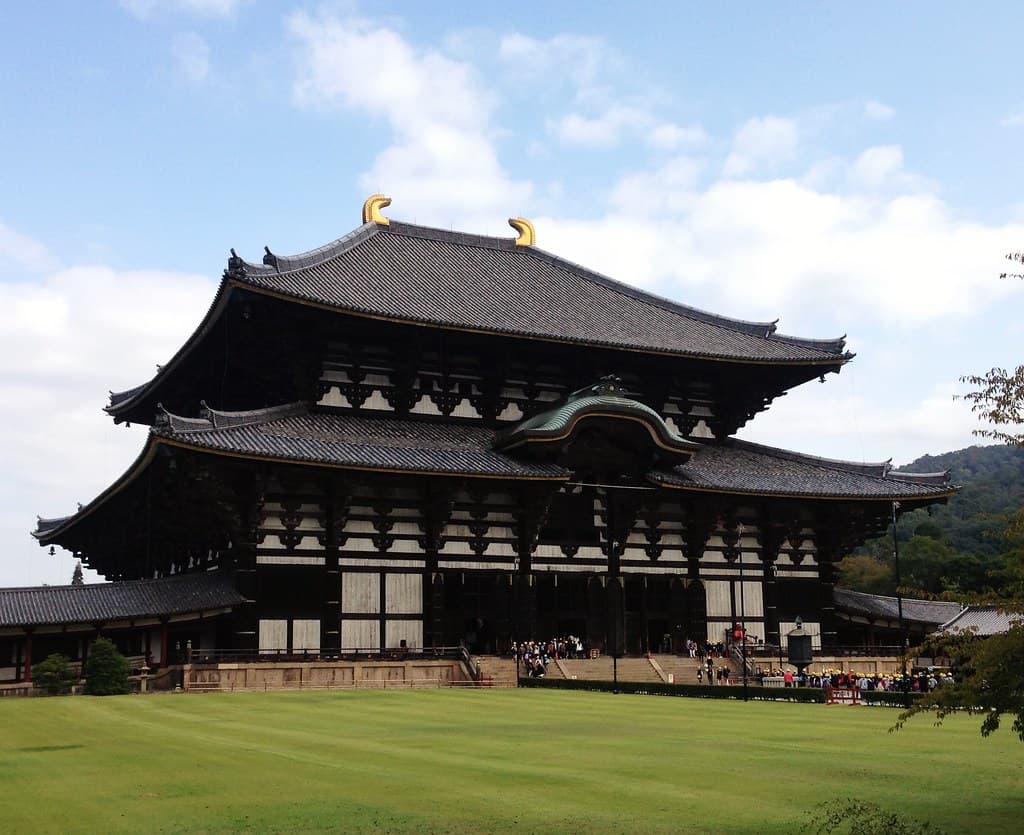
Todaiji
Nara, Nara Prefecture, Japan
In 752 CE, Emperor Shōmu consecrated a bronze Buddha of unprecedented scale—15 meters tall, cast from nearly all the copper in Japan—to bring peace to a nation wracked by...
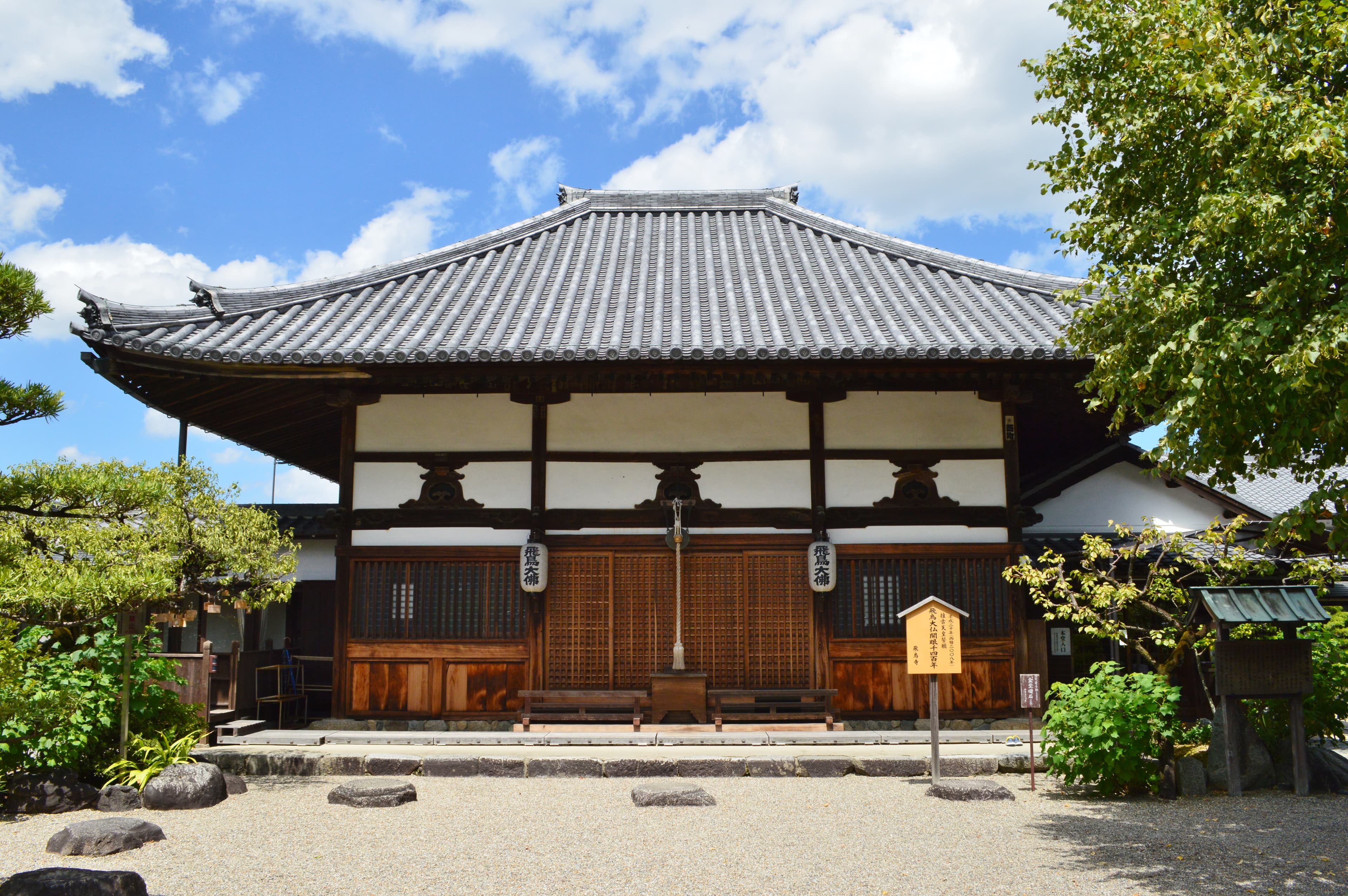
Asuka-dera
Asuka, Nara Prefecture, Japan
In a quiet valley surrounded by rice fields, Japan's oldest surviving Buddha statue has watched from the same location for over 1,400 years....

Kōjō-ji
Onomichi, Japan
Kōjō-ji — Chōon-zan Kōjō-ji — sits atop Mt. Chōon ('Tide-Sound Mountain') above Setoda Bay on Ikuchijima....

Shimabu-ji (四萬部寺)
Chichibu, Japan
Shimabu-ji is the first temple of the Chichibu 34 Kannon Pilgrimage in Saitama, Japan....

Suishō-ji (Daishō-in)
Miyajima, Japan
Daishō-in — full classical name Takizan Suiseiji Daishōin (also Suishō-ji), commonly called Miyajima Daishō-in — is the daihonzan (head temple) of the Omuro branch of...
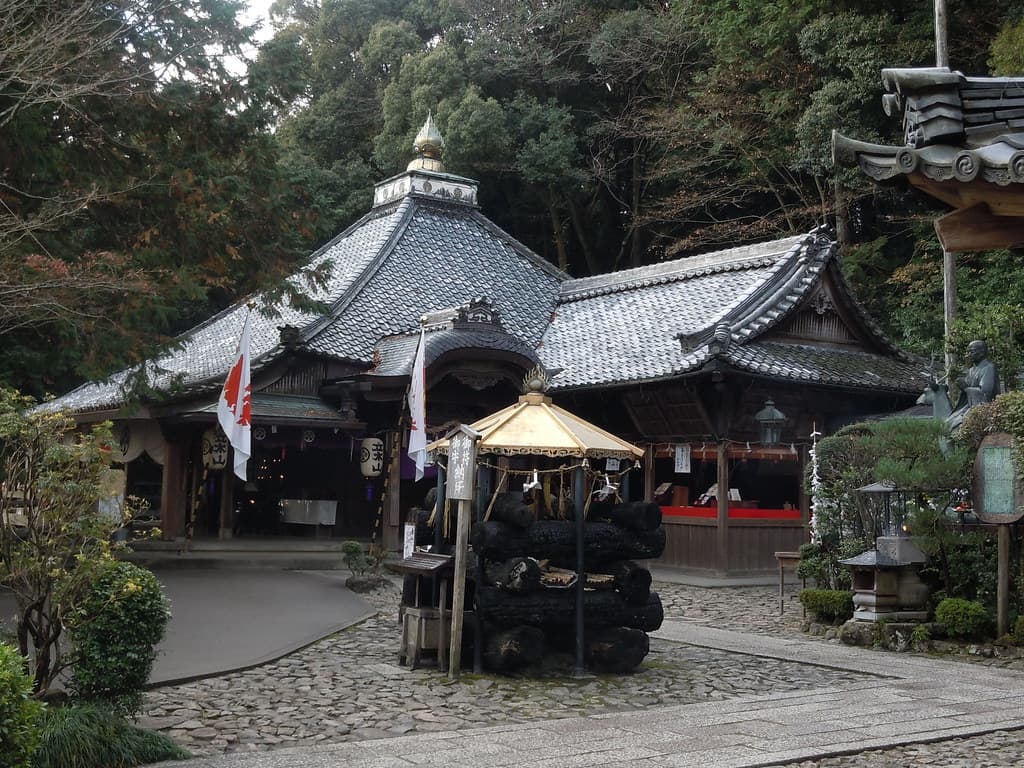
Tachiki-Kannon An’yō-ji
Japan
Tachiki Kannon An'yō-ji stands above the Seta River on a cliff that pilgrims reach by climbing roughly 800 stone steps....

Kiyomizu-dera (清水寺)
Isumi, Japan
Otowasan Kiyomizu-dera in Isumi, Chiba, is the 32nd station of the Bandō Sanjūsankasho — a Tendai temple set on Otowa-yama in the forested hills of southern Bōsō....

Nichirin-ji
Daigo, Japan
Nichirin-ji sits on the eighth station of Mt. Yamizo, the highest peak in Ibaraki....

Kongojo-ji
Japan
Nagusayama Kongōjō-ji in Fukusaki, Hyōgo, traces its founding to 597 CE under the Korean monk Ekan during Empress Suiko's reign....

Kannon-in
Tottori, Japan
Kannon-in in Tottori, the 32nd station of the Chūgoku 33 Kannon Pilgrimage, was founded in 1632 as the Tottori-Ikeda clan's domain temple....

Hōun-ji (法雲寺)
Chichibu, Japan
Hōun-ji — Zuiryū-san Hōun-ji — is the 30th station of the Chichibu 34 Kannon Pilgrimage, founded in 1319 by the Kamakura Zen master Dōin (Dōon) of Kenchō-ji....

Shimpuku-ji (真福寺)
Chichibu, Japan
Shinpuku-ji is the second station of the Chichibu 34 Kannon Pilgrimage and the temple whose late-Muromachi addition raised the Chichibu count to 34....

Buttsū-ji
Mihara, Japan
Buttsū-ji — Omoto-san Buttsū-ji — is the head temple (daihonzan) of the Buttsū-ji branch of Rinzai Zen, founded in 1397 by Kobayakawa Haruhira and Zen master Gucchū Shūkyū...
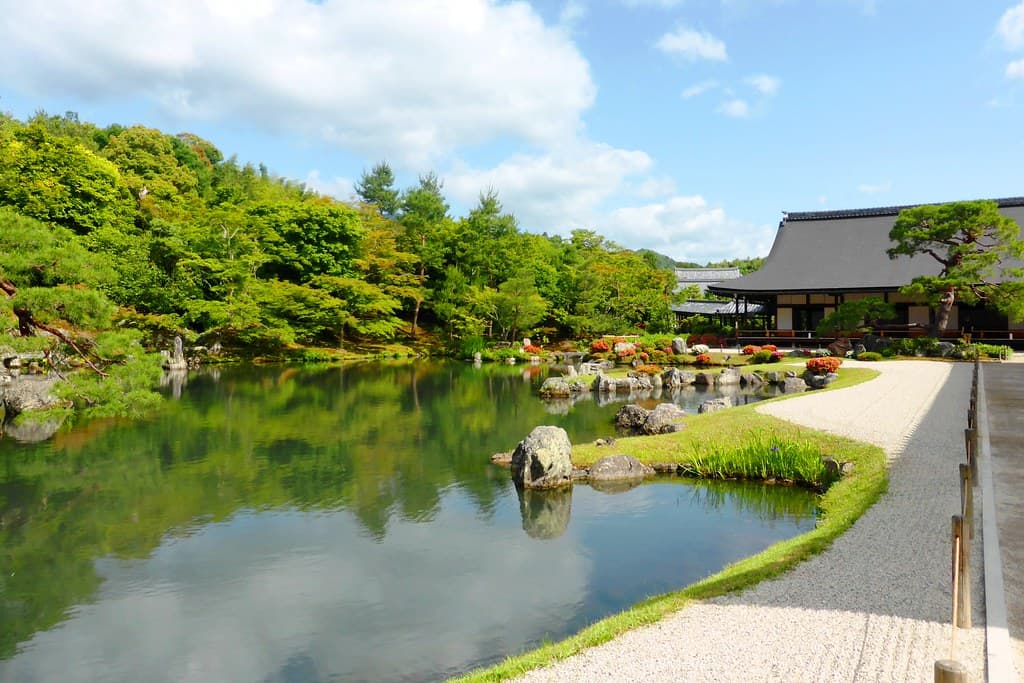
Tenryu-ji Temple
Kyoto, Kyoto, Japan
At the foot of the Arashiyama mountains in western Kyoto, Tenryu-ji preserves a garden designed by Zen master Musō Soseki for a single purpose: meditation....

Yōkoku-ji
Japan
Yōkoku-ji — known to most Kyotoites as Yanagidani Kannon — joins three rare devotional layers in one Nishiyama mountainside: a hibutsu Eleven-faced Thousand-armed Kannon...

Saihoin
Japan
Saihōin is a small Pure Land nunnery in Taishi-chō, founded in 622 CE by three of Prince Shōtoku's nurse-attendants who shaved their heads after his death and built the...

Saizen-ji (西善寺)
Yokoze, Japan
Saizen-ji is the eighth station of the Chichibu 34 Kannon Pilgrimage in Yokoze, Saitama. The Rinzai Zen temple of the Nanzen-ji school sits at the northern foot of Mt....

Hōsen-ji (法泉寺)
Chichibu, Japan
Hōsen-ji is the twenty-fourth station of the Chichibu 34 Kannon Pilgrimage — a Rinzai Zen temple of the Nanzen-ji branch that, until the mid-19th century, was a Shugendō...

Taiyū-ji
Japan
Founded by Kūkai in the early 9th century at the heart of what is now Osaka's Umeda entertainment district, Taiyū-ji is a Kōyasan Shingon temple whose principal Senju...

Ryūshō-in
Narita, Japan
Ryūshō-in — known locally as Namegawa Kannon — is the 28th station of the Bandō Sanjūsankasho pilgrimage, a Tendai temple set among rice fields outside Narita....

Tanjō-ji (Okayama)
Kumenan, Japan
Tanjō-ji marks the literal birthplace of Hōnen Shōnin (1133–1212), founder of Jōdo-shū Pure Land Buddhism....

Taisan-ji
Japan
Sanshinzan Taisan-ji in Kobe's Nishi Ward holds a 1293 wooden main hall registered as a National Treasure of Japan — one of only a few such structures in the entire Hyōgo...
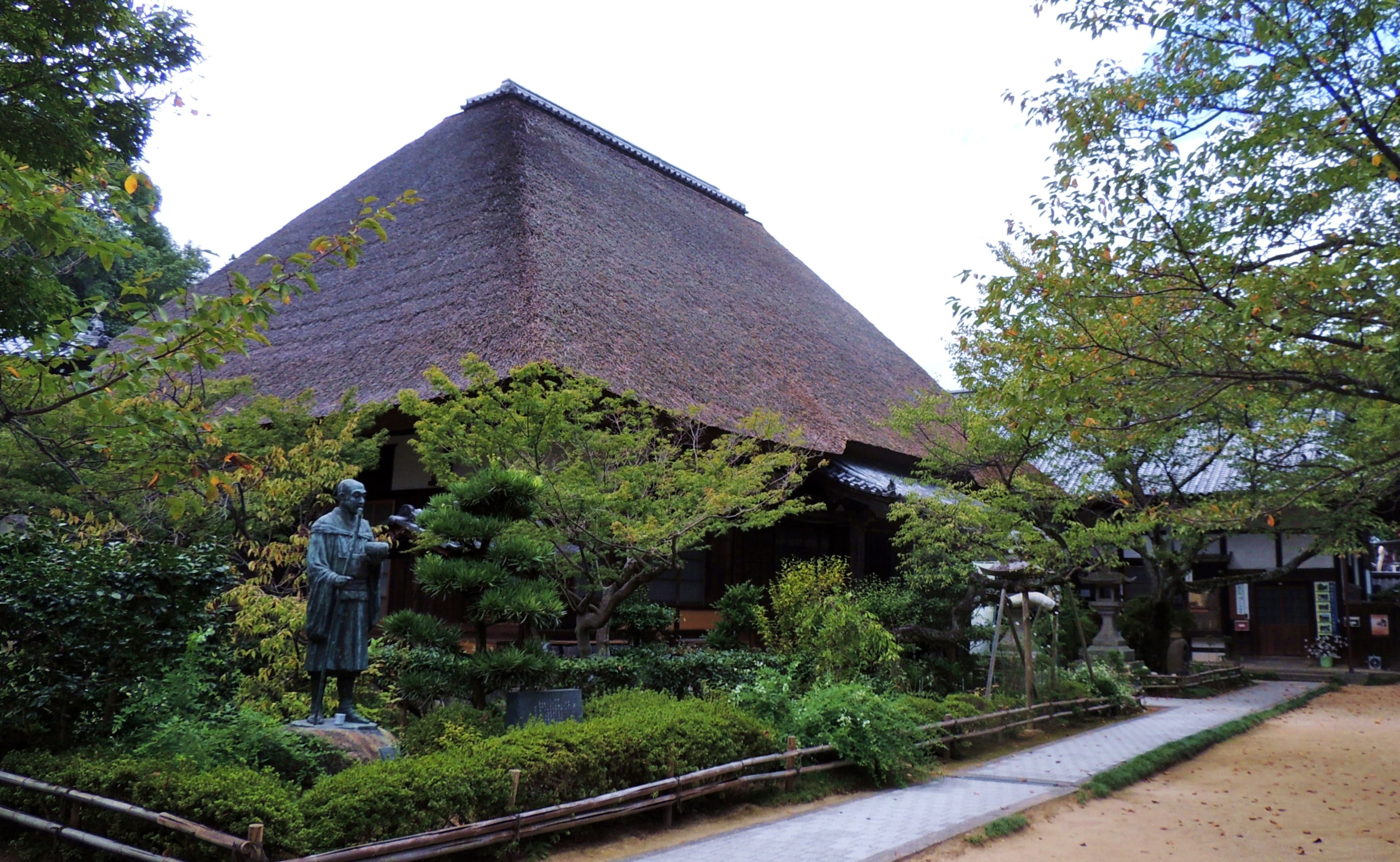
Entsū-ji
Kurashiki, Japan
Entsū-ji crowns a small mountain in Tamashima, Kurashiki, and serves as Chūgoku 33 Kannon Pilgrimage station #7....

Goka-dō (語歌堂)
Yokoze, Japan
Goka-dō is the fifth station of the Chichibu 34 Kannon Pilgrimage in Yokoze, Saitama....

Suisen-ji (水潜寺)
Minano, Japan
Suisen-ji — Nittaku-san Suisen-ji — is the 34th and final station of the Chichibu 34 Kannon Pilgrimage and the kechigan-jo (結願所, 'place where the vow is fulfilled') of...

Hōshō-ji (法性寺)
Ogano, Japan
Hōshō-ji — Hannya-san Hōshō-ji — is the 32nd station of the Chichibu 34 Kannon Pilgrimage, a Sōtō Zen mountain temple in Ogano set against a sandstone cliff....

Nofuku-ji
Japan
Nōfuku-ji, founded by Saichō in 805 CE on his return from Tang China, is one of the oldest Tendai temples in the Hyōgo region....

Dōji-dō (童子堂)
Chichibu, Japan
Dōji-dō is the twenty-second station of the Chichibu 34 Kannon Pilgrimage — literally 'Children's Hall,' a Shingon Buzan-ha temple where Kannon has been invoked for...

Enpuku-ji (圓福寺)
Chōshi, Japan
Enpuku-ji is the 27th Bandō station and the easternmost stop of the eastern Kannon circuit....
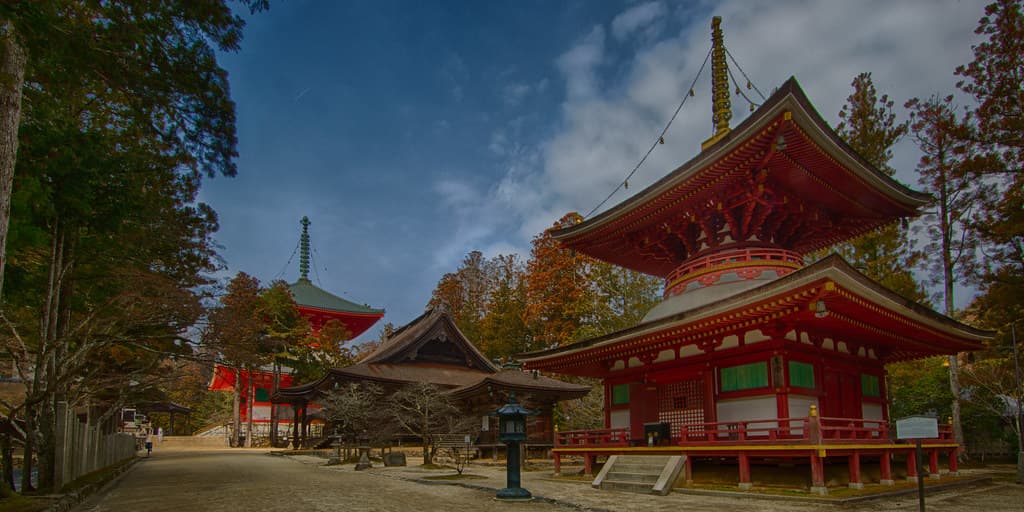
Kongo-ji
Japan
Founded by Gyōki on Mount Amano in the Tenpyō era and revived in the late Heian period by the monk Akan, Amano-san Kongō-ji became known as Nyonin Kōya — Women's Kōyasan —...

Kagaku-ji
Japan
Banshū Akō Taiunzan Kagaku-ji is the Asano clan's family temple in Akō, founded in 1645 and made permanent home of Akō's memorial culture by the 1701–1703 vendetta of the...

Saigoku-ji (Sōji-in)
Onomichi, Japan
Saigoku-ji — full name Maniyama Sōji-in Saigoku-ji — sits on Mt. Atago above Onomichi's old port, ascended by 108 stone steps....

Mizuma-dera
Japan
Mizuma-dera, popularly called Mizuma Kannon, is among the most actively visited temples in southern Osaka....

Dōjō-ji
Japan
Dōjō-ji is the oldest documented temple in Wakayama Prefecture, founded in 701 CE by the monk Gien at Emperor Monmu's command....

Saidai-ji (Okayama)
Okayama, Japan
Saidai-ji Kannon-in opens the Chūgoku 33 Kannon Pilgrimage in eastern Okayama. Founded in the eighth century around a Senju Kannon image said to have chosen this spot by...

Nosaka-ji (野坂寺)
Chichibu, Japan
Nosaka-ji, twelfth station of the Chichibu 34 Kannon Pilgrimage, is a Rinzai Zen temple of the Nanzen-ji branch formed by the 1741 merger of an older Kannon-dō with...

Enkō-ji (Myō-ō-in)
Fukuyama, Japan
Enkō-ji, also known as Myō-ō-in, sits on Atago-yama above the Kusado Sengen archaeological site in Fukuyama, Hiroshima....

Sanbutsu-ji
Misasa, Japan
Sanbutsu-ji, the 31st station of the Chūgoku 33 Kannon Pilgrimage, sits on Mt. Mitoku in Misasa, Tottori....
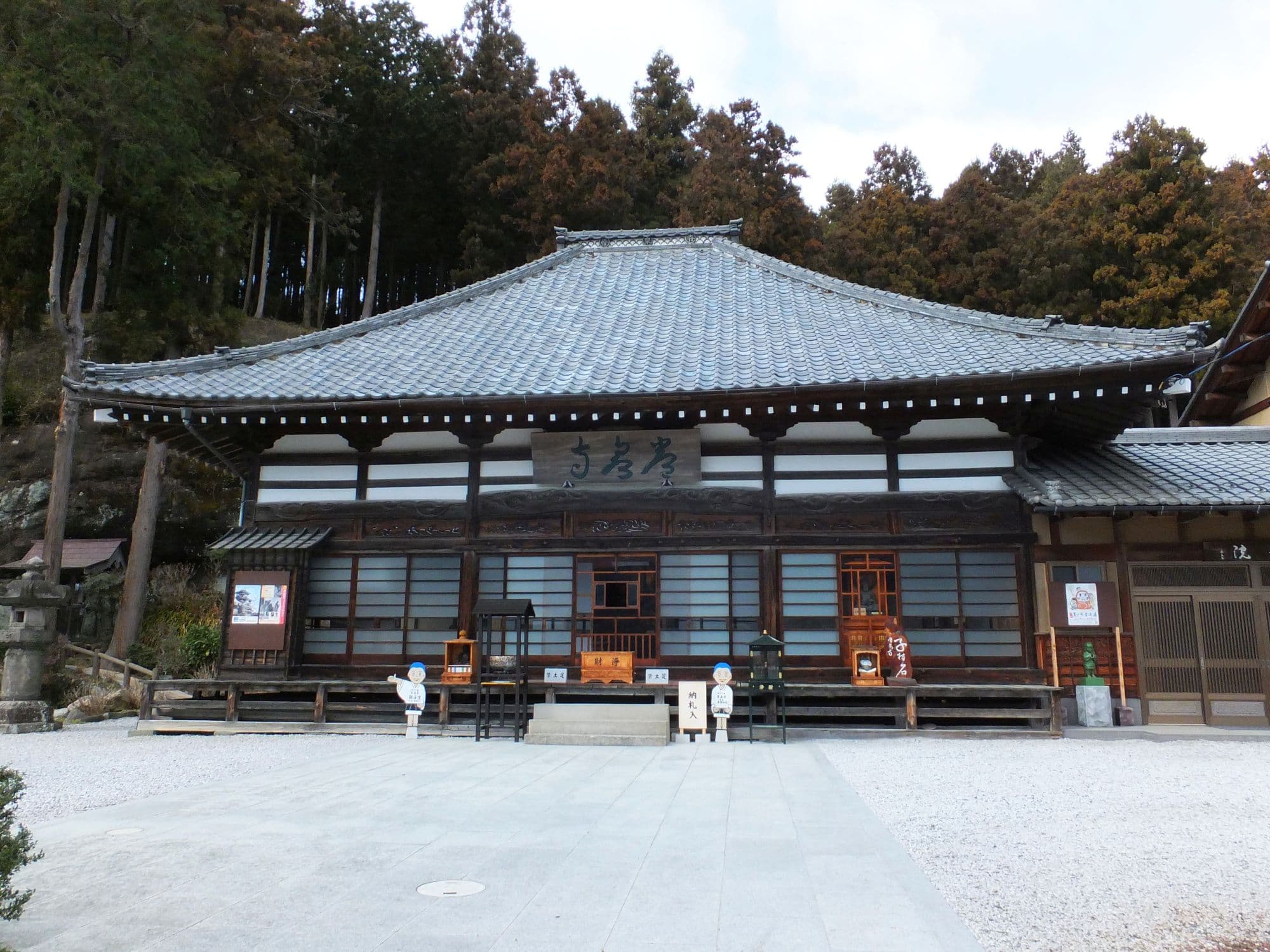
Jōsen-ji (常泉寺)
Chichibu, Japan
Jōsen-ji is the third station of the Chichibu 34 Kannon Pilgrimage in Saitama, Japan....
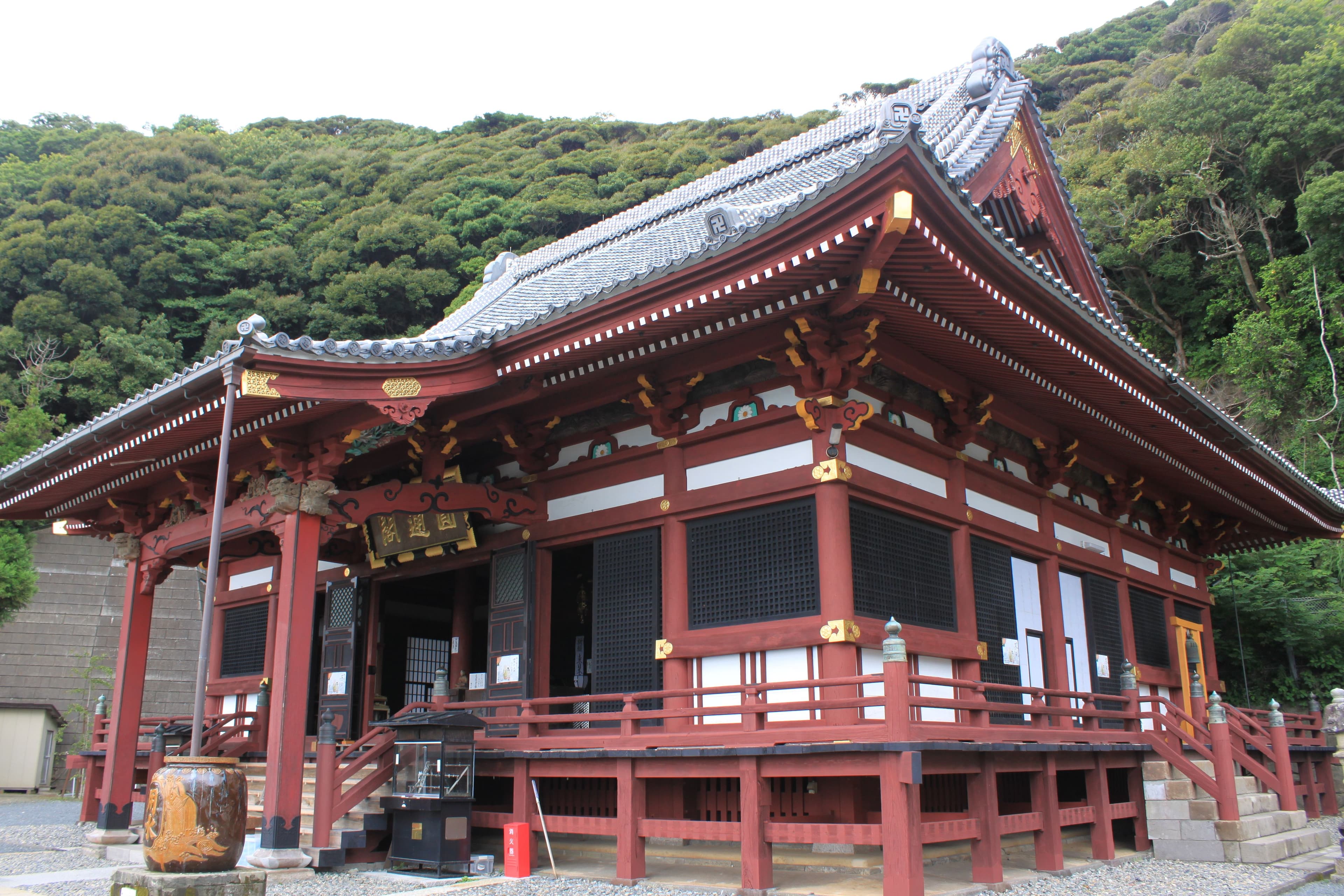
Nago-ji (那古寺)
Tateyama, Japan
Nago-ji — Fudaraku-san Nago-ji — is the 33rd and final station of the Bandō Sanjūsankasho, set on a forested mid-slope of Mt. Nago in Tateyama, Chiba....

Kannon-ji (観音寺)
Chichibu, Japan
Kannon-ji is the twenty-first station of the Chichibu 34 Kannon Pilgrimage, a Shingon Buzan-ha temple in central Chichibu locally known as Yano-dō ('Arrow Hall')....

Kiyotaki-ji (清滝寺)
Tsuchiura, Japan
Kiyotaki-ji is the 26th Bandō station, a quiet Shingon-Buzan temple on the lower slopes of Mt. Ryūgamine in rural Tsuchiura....

Kyūshō-ji (久昌寺)
Chichibu, Japan
Kyūshō-ji is the twenty-fifth station of the Chichibu 34 Kannon Pilgrimage — a Sōtō Zen temple known by its older nickname Otehan-dera, 'Hand-Seal Temple,' for the legend...

Saikō-ji (西光寺)
Chichibu, Japan
Saikō-ji, sixteenth station of the Chichibu 34 Kannon Pilgrimage, is a Shingon Buzan-ha temple whose Senju (Thousand-Armed) Kannon is traditionally attributed to the Nara...

Akechi-ji (明智寺)
Yokoze, Japan
Akechi-ji is the ninth station of the Chichibu 34 Kannon Pilgrimage in Yokoze, Saitama....

Daien-ji (大渕寺)
Chichibu, Japan
Daien-ji — Ryūga-zan Daien-ji — is the 27th station of the Chichibu 34 Kannon Pilgrimage, a Sōtō Zen temple in the Kagemori valley of Chichibu, Saitama....

Rakuhō-ji (楽法寺)
Sakuragawa, Japan
Rakuhō-ji is the 24th Bandō station, popularly known as Amabiki Kannon — the Rain-Drawing Kannon....

Yokei-ji
Setouchi, Japan
Yokei-ji crowns Ueterasan, a low hill above the rice plains of Setouchi City. Founded in the eighth century and long affiliated with the Tendai school, the temple holds...

Kabusan-ji
Japan
Kabusan-ji is a Tendai mountain temple in the hills north of Takatsuki, traditionally founded by En no Gyōja in 697 CE and held to be the place where Bishamonten was first...

Mitaki-dera (Mitaki-Kannon)
Hiroshima, Japan
Mitaki-dera — Ryūsen-zan Mitaki-ji — sits in a forested ravine 3 km from the hypocentre of the Hiroshima atomic bomb, with three named waterfalls flowing through the...

Henshō-ji (Hōkai-in)
Okayama, Japan
Henshō-ji, also known as Hōkai-in, sits at the base of wooded Kongōsan in northern Okayama City....
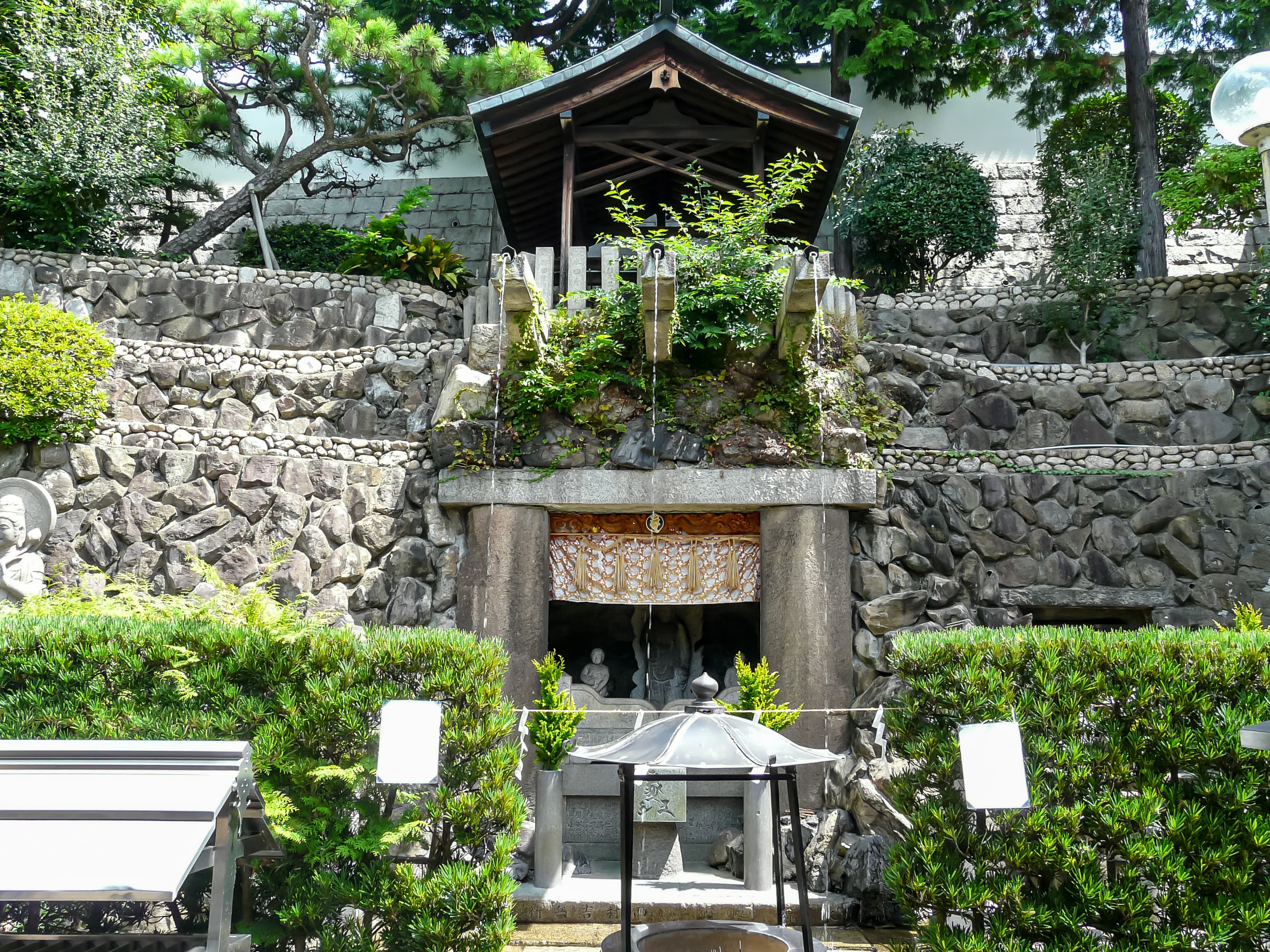
Kiyomizu-dera (Osaka)
Japan
Distinct from the famous Kyoto Kiyomizu-dera (and from the temples of the same name in Hyōgo, Chiba, and Shimane), Osaka's Kiyomizu-dera was revived in 1640 by the priest...

Tenjōji
Japan
Mayasan Tenjō-ji sits near the summit of Mt. Maya, the Kobe-area mountain named for Mayadevi (Lady Maya, mother of the Buddha) — the temple's distinctive secondary focus...
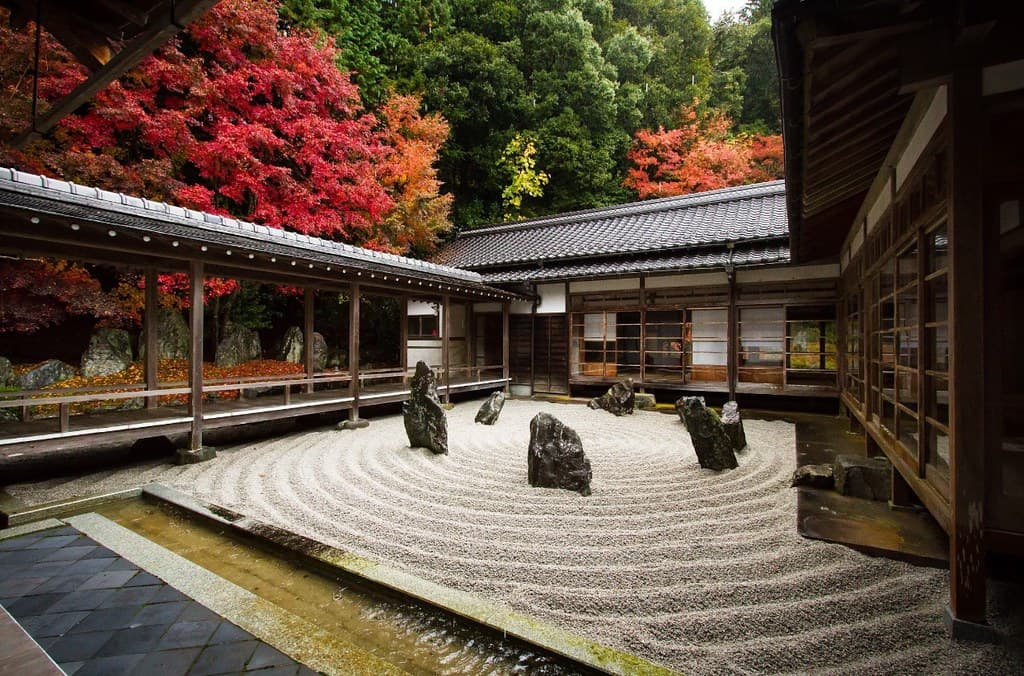
Kanyō-ji
Shunan, Japan
Kanyō-ji — Rokuon-zan Kanyō-ji — sits in the highland Kano basin of northern Shunan, Yamaguchi Prefecture....

Jōraku-ji (常楽寺)
Chichibu, Japan
Jōraku-ji, eleventh station of the Chichibu 34 Kannon Pilgrimage, was the route's only Tendai temple through the Edo period before fire and Meiji-era reform reshaped it....

Ongaku-ji (音楽寺)
Chichibu, Japan
Ongaku-ji is the twenty-third station of the Chichibu 34 Kannon Pilgrimage — a Rinzai Zen temple of the Nanzen-ji branch whose name means 'music.' Founded by tradition...
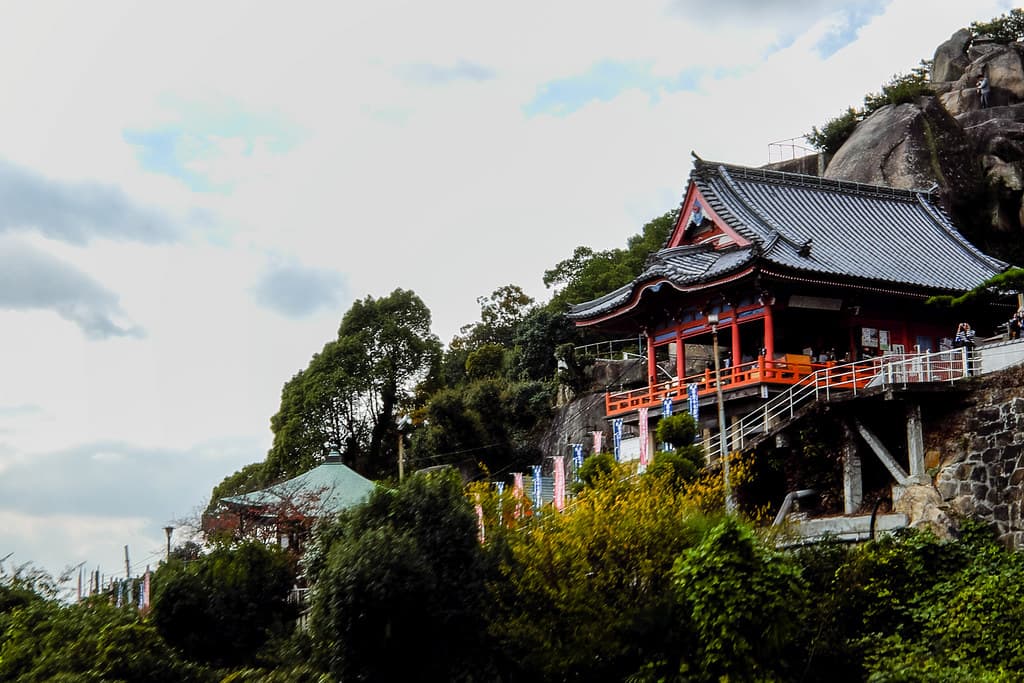
Senkō-ji
Onomichi, Japan
Senkō-ji — full name Daihōzan Gongen-in Senkō-ji — clings to the mid-slope of Mt. Senkō above Onomichi harbor....

Satake-ji
Hitachiōta, Japan
Satake-ji is the 22nd Bandō station and the spiritual ward of the medieval Satake clan....
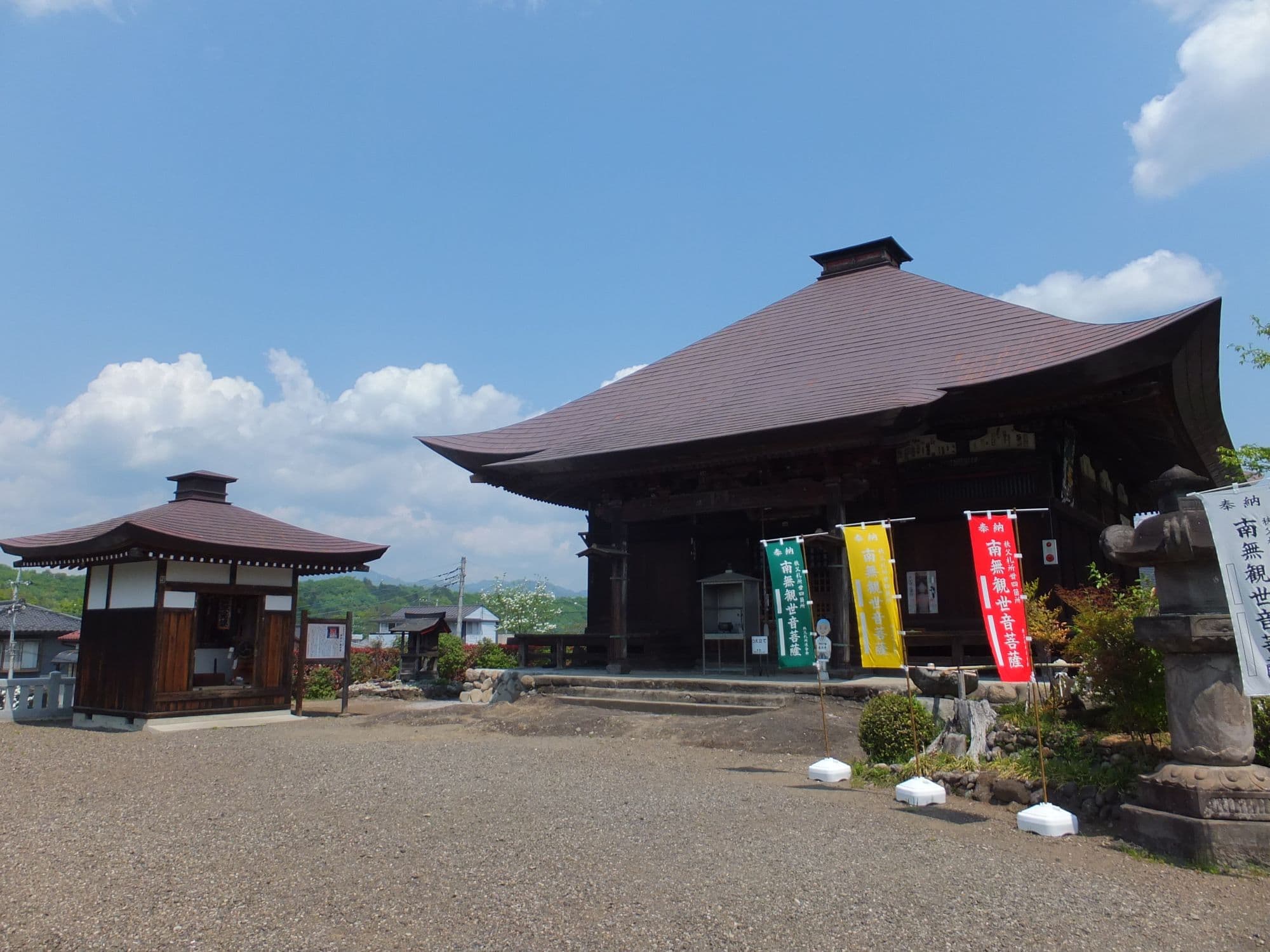
Ryūseki-ji (龍石寺)
Chichibu, Japan
Ryūseki-ji is the nineteenth station of the Chichibu 34 Kannon Pilgrimage, a Sōtō Zen temple whose hall sits not on a foundation but on a single mass of conglomerate...

En'yū-ji (円融寺)
Chichibu, Japan
En'yū-ji is the twenty-sixth station of the Chichibu 34 Kannon Pilgrimage — a Rinzai Zen temple of the Kenchō-ji branch with an unusual feature: the Iwai-dō, a stage-built...

Seigan-ji
Japan
Seigan-ji is the head temple (sōhonzan) of the Jōdo Seizan Fukakusa branch, founded in Nara in 667 CE and relocated in 1591 to Kyoto's Shinkyōgoku entertainment district....

Rendai-ji
Kurashiki, Japan
Rendai-ji crowns Mt. Yuga (270 m) above Kurashiki and serves as Chūgoku 33 Kannon Pilgrimage station #6....

Jigen-ji (慈眼寺)
Chichibu, Japan
Jigen-ji, thirteenth station of the Chichibu 34 Kannon Pilgrimage, is a Sōtō Zen temple whose name — 'compassionate eyes' — is drawn from a verse of the Kannon Sutra....

Boku'un-ji (卜雲寺)
Yokoze, Japan
Boku'un-ji is the sixth station of the Chichibu 34 Kannon Pilgrimage in Yokoze, Saitama....

Houki-in Temple
Japan
Hōki-in is the Mt. Kōya sub-temple charged each year with carrying fresh monastic robes to Kōbō Daishi at the Okunoin mausoleum, where Kūkai is believed to remain in...

Suma-dera
Japan
Suma-dera, formally Joya-san Fukushō-ji, is the head temple (daihonzan) of its own Shingon sub-school — the Shingon-shū Sumadera-ha — and the principal site of Heike...
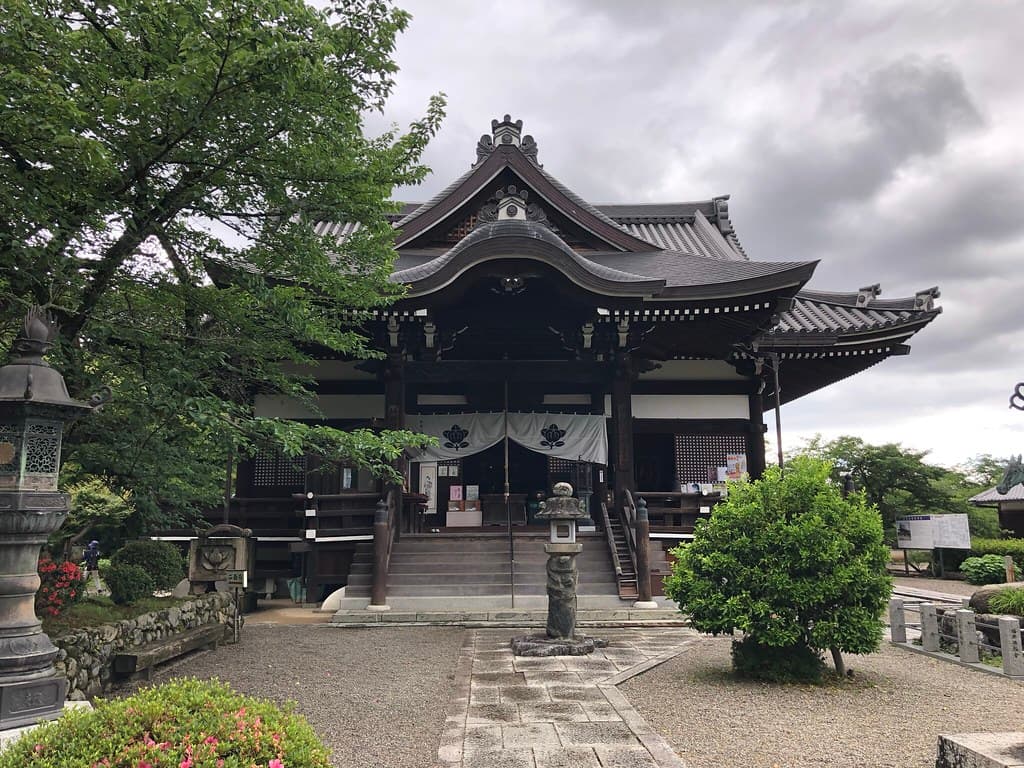
Tachibana-dera
Japan
Tachibana-dera is a Tendai temple set in the Asuka rice fields of Nara Prefecture, traditionally identified as the birthplace of Prince Shōtoku....
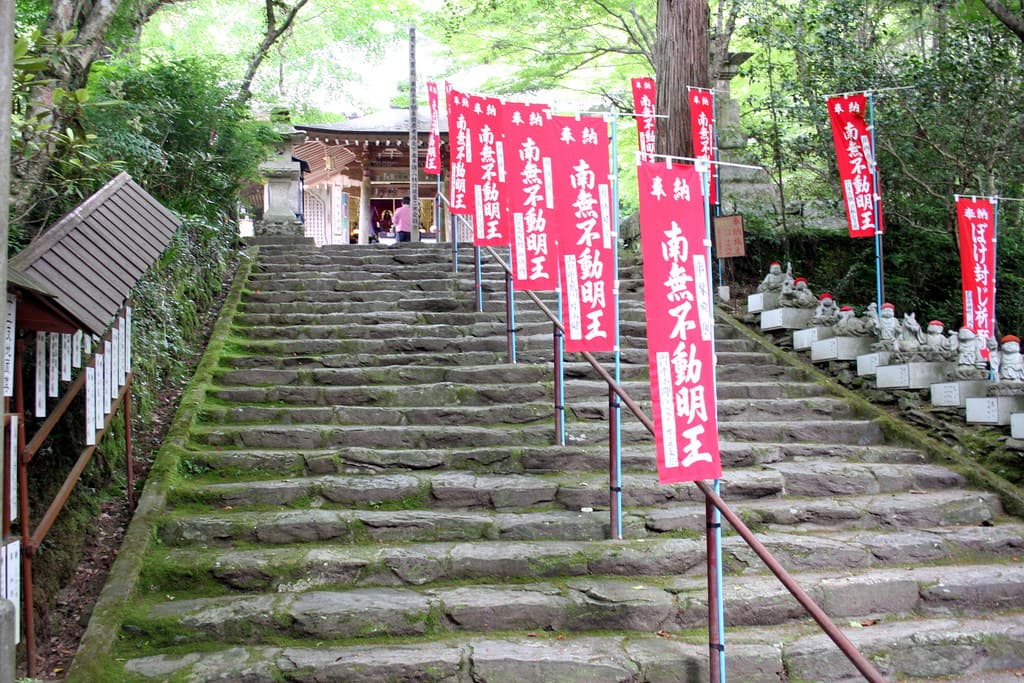
Ryūzō-ji (龍蔵寺)
Yamaguchi, Japan
Ryūzō-ji — Takitōzan Ryūzō-ji — is regarded as the oldest temple in Yamaguchi City, traditionally founded in 698 by En no Gyōja and 741 by Gyōki....

Kanshin-ji
Japan
Kanshin-ji holds one of the rare Japanese pairings where both the main hall and its principal image are National Treasures: the Heian-period Kondō and a seated Nyoirin...

Kakuman-ji
Japan
Kakuman-ji is one of the few Tendai Shinsei-shū temples outside the school's Sakamoto heartland near Mount Hiei....

Mani-ji
Tottori, Japan
Mani-ji is a special temple (tokubetsu reijō) of the Chūgoku 33 Kannon Pilgrimage on Mt. Mani north of Tottori City....

Komyo-ji
Japan
Gobusan Kōmyō-ji crowns Mt. Gobusan in Katō, Hyōgo — a Kōyasan Shingon temple traced to 594 CE and holding an Eleven-Faced Thousand-Armed Thousand-Eyed Kannon as honzon....

Tokoin Hagino-tera
Japan
Tōkō-in — known by the affectionate name Hagi-no-tera, Bush Clover Temple — is a Sōtō Zen temple in suburban Toyonaka, Osaka....

Eifuku-ji
Japan
Eifuku-ji at Taishi-chō, Osaka, guards the tomb of Prince Shōtoku — Japan's foundational royal patron of Buddhism — alongside his mother and consort in a single circular...

Kōzan-ji
Shimonoseki, Japan
Kōzan-ji — Kinzan Kōzan-ji — in Chōfu, Shimonoseki, holds Japan's oldest dated Zenshūyō ('Zen-style') Buddhist hall: a 1320 Butsuden, designated a National Treasure....

Imamiya-bō (今宮坊)
Chichibu, Japan
Imamiya-bō, fourteenth station of the Chichibu 34 Kannon Pilgrimage, is a Rinzai Zen temple of the Nanzen-ji branch on a site that was, for nearly a millennium, a single...

Ikaruga-dera
Japan
Hyōgo Ikaruga-dera in Taishi-chō was founded by Prince Shōtoku in 606 CE on rice-paddy lands granted to him in Harima Province by Empress Suiko....

Gaya-in
Japan
Gaya-in, formally Ōtanizan Daikei-ji Gaya-in, is one of Hyōgo's most important Honzan Shugendō temples — a Tendai-affiliated branch of mountain ascetic Buddhism....

Daisen-ji
Daisen, Japan
Daisen-ji, the 29th station of the Chūgoku 33 Kannon Pilgrimage, sits high on Mt. Daisen — at 1,729 meters the highest peak in the Chūgoku region....

Sōrin-ji (宗隣寺)
Ube, Japan
Sōrin-ji — Shōkō-zan Sōrin-ji — is a Tang-Chinese-founded temple (777 CE) re-established in 1670 as the bodhi-temple of the Fukuhara clan, chief retainers of the Mōri...

Jōrin-ji (定林寺)
Chichibu, Japan
Jōrin-ji, seventeenth station of the Chichibu 34 Kannon Pilgrimage, is a small Sōtō Zen temple founded as an act of warrior repentance....

Iwanoue-dō (岩之上堂)
Chichibu, Japan
Iwanoue-dō is the twentieth station of the Chichibu 34 Kannon Pilgrimage, a Rinzai Zen hall of the Nanzen-ji branch perched on a bluff above the Arakawa river....

Ichihata-ji
Izumo, Japan
Ichihata-ji (Ichibata Yakushi), the 26th station of the Chūgoku 33 Kannon Pilgrimage, sits atop Mt. Ichihata above Lake Shinji....

Shōraku-ji (Senjū-in)
Bizen, Japan
Shōraku-ji, also known as Senju-in, sits on a low hill in Bizen and serves as Temple #3 of the Chūgoku 33 Kannon Pilgrimage. The honzon is a hibutsu Eleven-Faced Kannon....
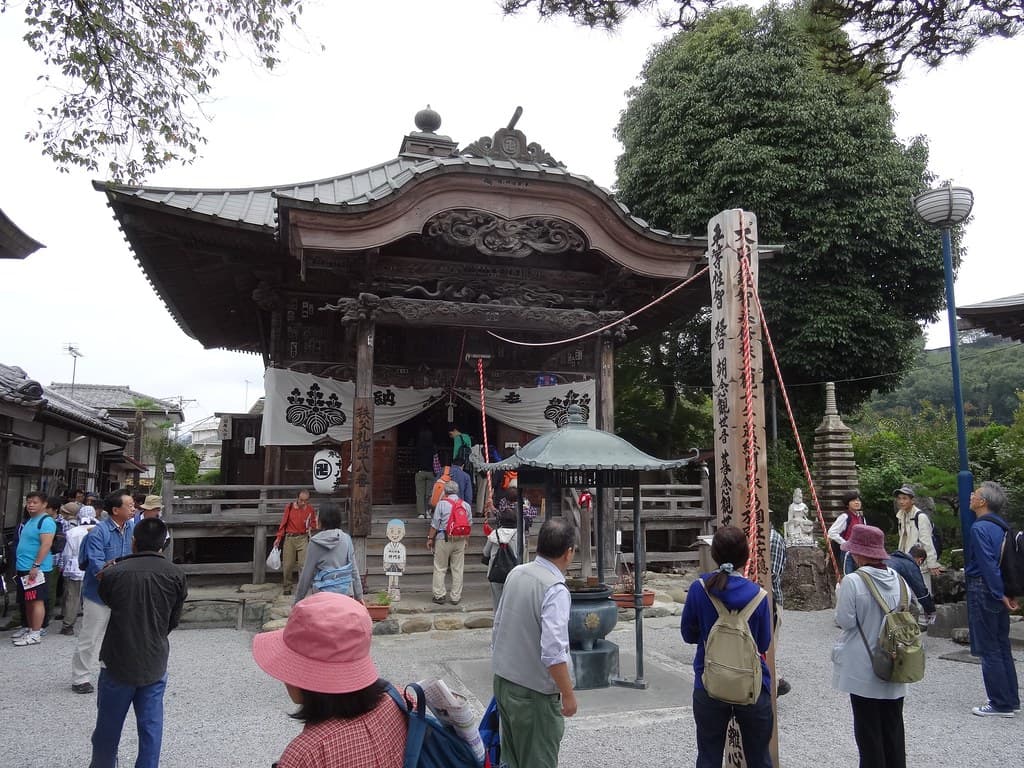
Gōdo-ji (神門寺)
Chichibu, Japan
Gōdo-ji, eighteenth station of the Chichibu 34 Kannon Pilgrimage, is a Sōtō Zen temple whose name 'Divine Gate' (神門) commemorates a stand of sakaki trees that once formed...

Shōrin-ji (少林寺)
Chichibu, Japan
Shōrin-ji, fifteenth station of the Chichibu 34 Kannon Pilgrimage, is a Rinzai Zen temple of the Kenchō-ji branch on the historic Banba-machi neighbourhood of central...

Daihōon-ji
Japan
Daihōon-ji, known popularly as Senbon Shakadō, holds Kyoto's oldest surviving wooden building inside the city limits — a 1227 National Treasure main hall that survived the...

Shōfuku-ji (正福寺)
Kasama, Japan
Sashiro-san Shōfuku-ji is the 23rd Bandō station, a temple whose continuity has survived two complete physical destructions. The founding legend tells of a hunter on Mt....

Daiun-in
Tottori, Japan
Daiun-in in Tottori, the 33rd and final station of the Chūgoku 33 Kannon Pilgrimage, is the route's manzanji — the place where pilgrim journeys complete....

Hashidate-dō (橋立堂)
Chichibu, Japan
Hashidate-dō — Sekiryū-zan Hashidate-dō — is the 28th station of the Chichibu 34 Kannon Pilgrimage, a Sōtō Zen temple set beneath an eighty-metre limestone cliff in the...

Ōmi-dō (大御堂)
Tsukuba, Japan
Ōmi-dō is the 25th Bandō station and the sole institutional Buddhist successor of Tsukuba Daigongen — the syncretic Shinto-Buddhist complex that fused Kannon devotion with...

Kannon-in (観音院)
Ogano, Japan
Kannon-in — Shūkutsu-san Kannon-in — is the 31st station of the Chichibu 34 Kannon Pilgrimage and the most physically demanding stop on the route....

Anko-ji
Japan
Ankō-ji is an independent Tendai temple founded in 775 CE by Prince Kaisei on a wooded hillside north of Takatsuki....
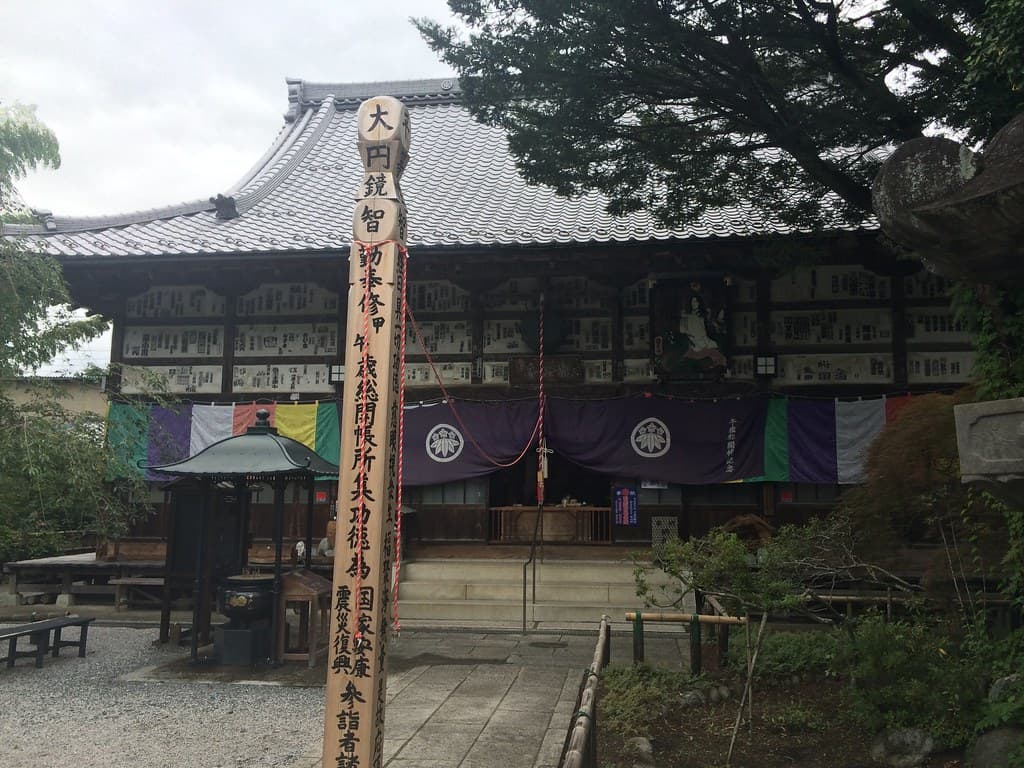
Chōsen-in (長泉院)
Chichibu, Japan
Chōsen-in — Sasado-san Chōsen-in — is the 29th station of the Chichibu 34 Kannon Pilgrimage, a Sōtō Zen temple in the Urayama River valley of Chichibu, Saitama....

Kikusui-ji (菊水寺)
Chichibu, Japan
Kikusui-ji — Enmei-zan Kikusui-ji — is the 33rd station of the Chichibu 34 Kannon Pilgrimage, a Sōtō Zen temple in the Yoshida district of Chichibu....

Jodo-ji
Japan
Gokurakusan Jōdo-ji in Ono shelters two of the only Buddhist National Treasures in Hyōgo: the 1194 Jōdō-dō, a rare survival of Daibutsu-yō architecture, and Kaikei's...

Chiba-dera
Chiba, Japan
Chiba-dera — also read Senyō-ji — is the 29th station of the Bandō Sanjūsankasho and Chiba City's oldest temple....

Kiyama-ji (Kanji-in)
Maniwa, Japan
Kiyama-ji crowns Mt. Kiyama (430 m) in Maniwa, north of Tsuyama. Founded by Kūkai in 815 CE according to temple tradition, it is a Kōyasan Shingon-shū bekkaku honzan and...

Ruri-ji
Japan
Funakoshi-san Nankōbō Ruri-ji is the FINAL station of the New Saigoku Kannon Pilgrimage....

Kasamori-ji (笠森寺)
Chōnan, Japan
Kasamori-ji is the 31st station of the Bandō Sanjūsankasho — a Tendai temple in the forested hills of Chōnan, Chiba....

Kakurin-ji
Japan
Totasan Kakurin-ji in Kakogawa shelters two National Treasure halls — a 1112 Taishi-dō and a 1397 Main Hall whose three-style synthesis is rare in Japan....

Kannō-ji
Japan
Kannō-ji stands on the slope of Kabutoyama in Nishinomiya, holding one of Japan's three foremost Nyoirin Kannon images — a Heian-period figure carved by Kūkai in 830 from...
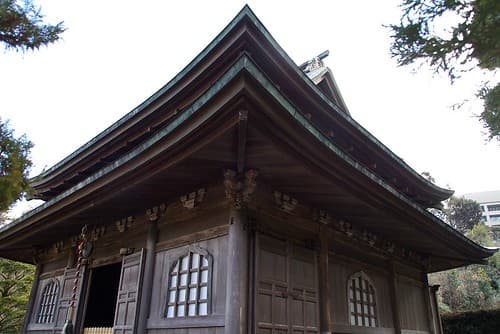
Tōshun-ji (洞春寺)
Yamaguchi, Japan
Tōshun-ji — Shōshū-zan Tōshun-ji — was founded in 1572 by Mōri Terumoto as the bodhi-temple of his grandfather, the warlord Mōri Motonari....

Hōchō-ji (法長寺)
Yokoze, Japan
Hōchō-ji is the seventh station of the Chichibu 34 Kannon Pilgrimage in Yokoze, Saitama....

Mangan-ji
Japan
Mangan-ji at Kawanishi, Hyōgo, is a Kōyasan Shingon temple founded by imperial decree of Emperor Shōmu in the Nara period....

Daiji-ji (大慈寺)
Yokoze, Japan
Daiji-ji, the tenth station of the Chichibu 34 Kannon Pilgrimage, is a Sōtō Zen temple founded in 1490 in the Yokoze hills....

Kiyomizu-dera (Yasugi)
Yasugi, Japan
Kiyomizu-dera in Yasugi, Shimane, is the 28th station of the Chūgoku 33 Kannon Pilgrimage and the foremost Tendai esoteric (taimitsu) training hall in the San'in region....

Sakami-ji
Japan
Izumi-shōzan Sagami-ji in Kasai, Hyōgo, was founded by imperial command in 745 after the priest Gyōki received an oracle from Sagami Myōjin, a local kami in the Sumiyoshi...
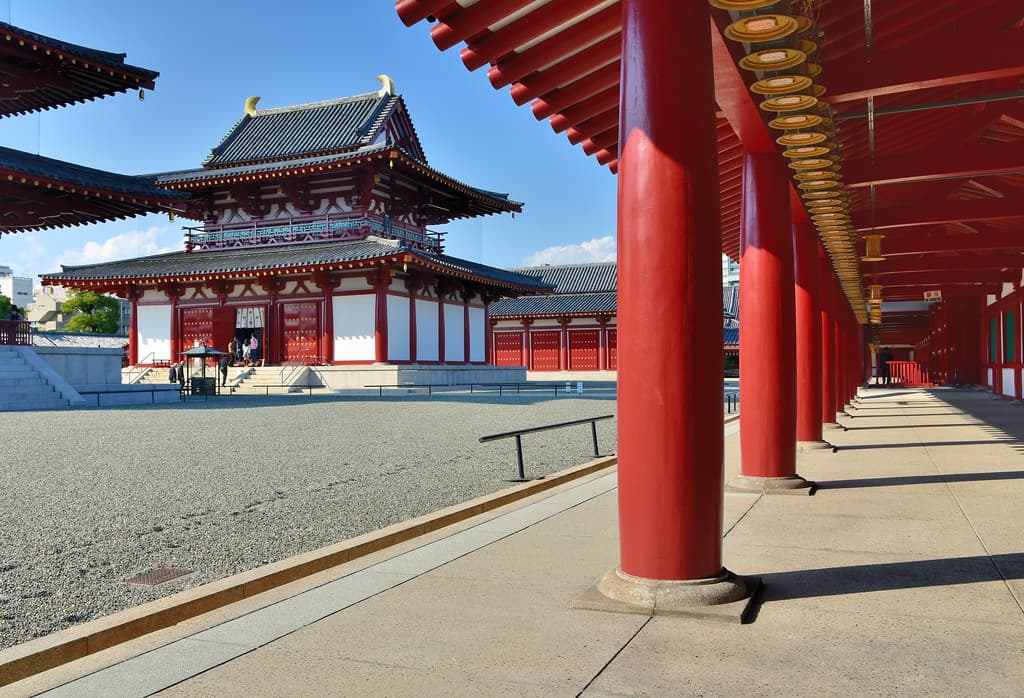
Shitennō-ji
Japan
Shitennō-ji stands at the institutional headwaters of Japanese Buddhism. Founded in 593 CE by Prince Shōtoku after his clan's victory secured Buddhism a place in the new...

Kinshō-ji (金昌寺)
Chichibu, Japan
Kinshō-ji is the fourth station of the Chichibu 34 Kannon Pilgrimage in Saitama, Japan....

Jōdo-ji (Daijōritsu-in)
Onomichi, Japan
Jōdo-ji crowns a hill above the Onomichi waterway and serves as Chūgoku 33 Kannon Pilgrimage station #9....

Kōzō-ji (高蔵寺)
Kisarazu, Japan
Kōzō-ji — known as Takakura Kannon — is the 30th station of the Bandō Sanjūsankasho, set in the wooded inland hills of Kisarazu, Chiba....

Taima-dera
Japan
Taima-dera is a major dual-administered temple at the foot of Mount Nijō — held jointly by Shingon (Buzan branch) and Jōdo-shū....

Gakuen-ji (Ichijō-in)
Izumo, Japan
Gakuen-ji (Ichijō-in), the 25th station of the Chūgoku 33 Kannon Pilgrimage, occupies a steep forested ridge north of Izumo Taisha....
Key questions
Buddhist Temple sacred sites in Japan questions
- What Buddhist Temple sacred sites in Japan are included?
- This guide includes 119 Buddhist Temple sacred sites in Japan, filtered from the Pilgrim Map atlas for stronger browsing and planning context.
- Can I view these sacred sites on a map?
- Yes. Use the map view to compare geographic clusters, then open individual site pages for coordinates, nearby places, and practical visiting context.
- How should I use this browse page?
- Start with the list view for scannable cards, switch to map view for geographic comparison, and open site pages for deeper background.