Yōkoku-ji
Kyoto's hydrangea temple, with twelve centuries of eye-healing prayer at the Dokko-sui spring
Understand sacred places, explore living traditions, and learn how to engage respectfully with Pilgrim Map.
Access has not been verified. Check current local guidance before planning a visit.
Kyoto Prefecture, Japan
Read the sources
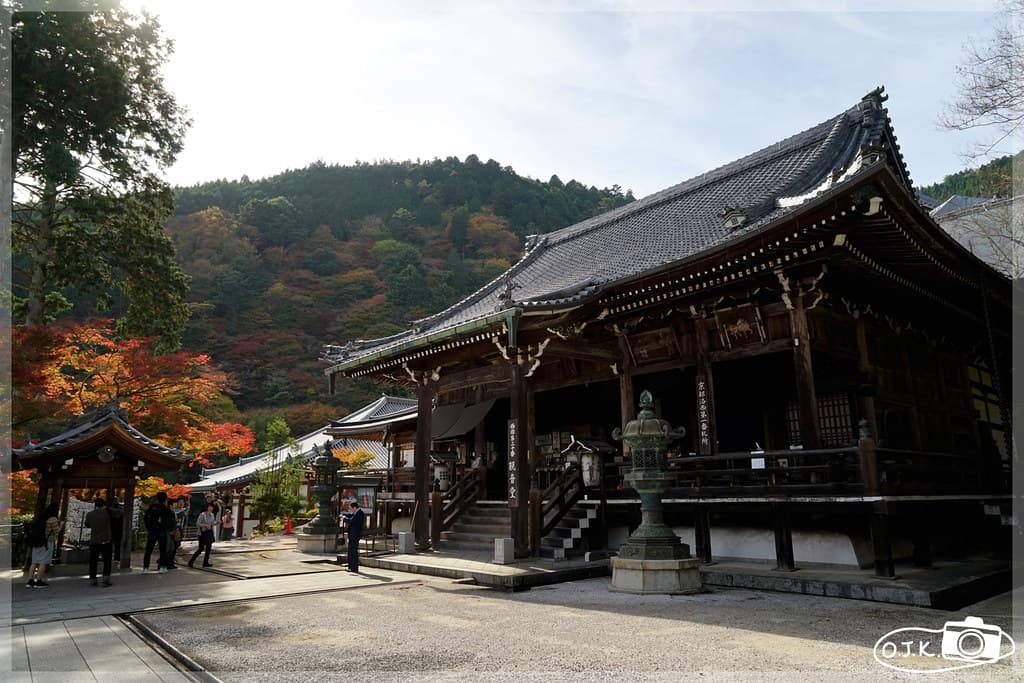
Image of Yōkoku-ji. Image source · CC-BY-2.5
Visit essentials
A quick read before you go
- Duration
- 60–90 minutes; allow longer during Hydrangea Week
- Access
- Hankyū Nishiyama-Tennōzan Station then a Hankyū Bus to 'Yanagidani Kannon-mae' (limited service…
Overview
Set into a quiet valley on Kyoto's Nishiyama range, Yōkoku-ji is the kind of temple that rewards a slow approach. Founded in 806 by the priest Enchin — the same figure traditionally credited with Kiyomizu-dera's foundation — the temple has held continuous Pure Land worship for more than twelve centuries, and it is best known to Kyotoites simply as Yanagidani Kannon, the Kannon of Willow Valley.
Three devotional layers meet here. The first is the hibutsu Eleven-faced Thousand-armed Thousand-eyed Kannon enshrined in the main hall, opened to public view only on rare scheduled days. The second is the Dokko-sui (vajra water) spring, whose story belongs to Kūkai: tradition holds that he watched a monkey wash the eyes of its blind young at this spring, undertook seventeen days of prayer afterward, and saw the young creature's sight restored.
Successive emperors carried the water through the Edo period as eye medicine; pilgrims still come for prayers concerning eye affliction.
The third layer is more recent. In June, roughly 5,000 hydrangeas reach peak across the temple's hillside path, and the precinct hosts what has become Kyoto's foremost ajisai (hydrangea) week. The seasonal floral water-basins — hanachōzu — that now appear at temples and shrines across Japan trace their popular origin to Yōkoku-ji.
These layers cohere rather than compete: the eye-healing tradition rests on water running continuously from the same source, the hibutsu remains hidden eleven months each year, and the hydrangeas follow another rhythm. Each draws its own circle of devotion.
Why this place is sacred
The temple's continuity is felt as much in its water as in its halls. The Dokko-sui spring has been running through Yōkoku-ji's precinct since at least the 9th century. Imperial requests for the water are documented through the Edo period, and ordinary pilgrims have carried it home in flasks for as many generations.
The combination of healing-water tradition, hibutsu Kannon devotion, and the recent hydrangea cycle gives the precinct an unusually layered seasonal rhythm — the water is constant, the Kannon revealed rarely, the flowers blooming once.
Founded in 806 by Enchin as a Pure Land devotional centre dedicated to the Eleven-faced Thousand-armed Kannon, with associated eye-healing spring practice.
The temple has remained Seizan Jōdo (Pure Land) and continues its eye-healing prayers; in recent decades it has added the hydrangea garden and pioneered the hanachōzu floral basin tradition now widely imitated.
Experience and orientation
Approach matters at Yōkoku-ji because the temple is genuinely set into a valley rather than fronting a road. The drive or bus ride from Nagaokakyō Station climbs through bamboo and cedar before opening onto the precinct. Visitors meet the Dokko-sui first — a stone basin where the spring is collected and small flasks are filled, with prayer slips for eye affliction stacked nearby.
In June, hydrangeas frame the hillside paths. The temple stays open longer during Ajisai Week (typically all of June), and the rotating hanachōzu installations — chrysanthemums, hydrangeas, peonies, autumn maple leaves — are at their most photographic then. Late November brings the koyō, with maples lit through the late afternoon. April brings cherry, and each 17th of the month brings the regular Kannon-en service.
The hibutsu Senju Kannon opens only on rare scheduled days; checking the temple calendar is worth the trouble for those who want to see it.
Hankyū Nishiyama-Tennōzan Station is the nearest train station; from there a Hankyū bus reaches Yanagidani Kannon-mae on a limited schedule. During Hydrangea Week, special shuttle buses normally run from Nagaokakyō Station. By car, ten minutes from the Nagaokakyō IC of the Kyoto Jūkan Expressway. Allow 60–90 minutes; longer in June.
Context and lineage
The 806 founding is recorded in temple tradition, with Enchin establishing the Eleven-faced Thousand-armed Kannon as the principal image. The Dokko-sui story follows Kūkai's later visit: tradition holds that he observed a monkey washing the eyes of its blind offspring at the spring, undertook seventeen days of prayer for the young animal's sight, and saw its eyes open. The water has been carried as eye medicine ever since.
The hanachōzu tradition emerged within the past decades and has become widely imitated across Japanese temples and shrines, with Yōkoku-ji recognised as its popular birthplace.
Seizan Jōdo Buddhism (西山浄土宗) — a Pure Land school originating in Kyoto's western mountain region.
Enchin (延鎮)
founding priest, 806 CE
Kūkai (Kōbō Daishi)
associated with the Dokko-sui prayer of eye-healing
Successive Heian and Edo emperors
long-term patrons who received Dokko-sui water as eye medicine
Traditions and practice
Eleven-faced Thousand-armed Kannon devotion, periodic eye-prayer water rituals at the Dokko-sui spring, and the carrying of the water by patients seeking eye healing. Pilgrim-stamp issuance for the Shin-Saigoku and Yanagidani-related circuits.
Hanachōzu floral water-basins are rotated seasonally; the June hydrangea cycle draws Kyoto's largest concentrated ajisai pilgrimage; an evening 'Nishiyama Bamboo Light' event has run periodically in recent years.
Bottle a small amount of Dokko-sui (with a small offering at the temple office), light incense, and submit a prayer slip if the visit concerns vision or eye health. In June, allow extra time for the hydrangea path; in November, allow extra time for the maples.
Seizan Jōdo Buddhism (西山浄土宗)
ActiveFounded in 806 CE by the priest Enchin, traditionally also linked to Kiyomizu-dera's foundation. Centuries of healing practice are anchored in the Dokko-sui (独鈷水, 'vajra water') spring, presented to successive emperors through the Edo period as eye medicine.
Perspectives and open questions
Yōkoku-ji draws devotees from three distinct constituencies — Pure Land Kannon practitioners, eye-affliction prayer-seekers, and seasonal flower visitors — each with a slightly different framing of what the temple is for.
Scholarly perspective
Architectural and devotional studies treat Yōkoku-ji as one of the principal Nishiyama Pure Land temples, distinguished by long-running healing-water and hanachōzu traditions.
Living and traditional perspectives
Local Nishiyama lay devotion centres on eye-affliction prayer at the Dokko-sui and on the seasonal hydrangea pilgrimage; the temple is woven into the rhythms of nearby Nagaokakyō.
Alternative interpretations
The Dokko-sui legend — with Kūkai's monkey vision and seventeen-day prayer — places the temple in the Shingon and Shugendō imagination as well as the Pure Land one, and some Shingon practitioners include it in personal pilgrimages.
Open questions
The chemistry of the Dokko-sui spring has not been studied in published peer-reviewed literature; its devotional efficacy is reported by visitors, not measured.
Plan your visit
Access and arrival
Hankyū Nishiyama-Tennōzan Station then a Hankyū Bus to 'Yanagidani Kannon-mae' (limited service — check schedule). By car, ten minutes from the Nagaokakyō IC of the Kyoto Jūkan Expressway. During Hydrangea Week, special shuttle buses normally run from Nagaokakyō Station.
No accommodation on the precinct; central Kyoto and Nagaokakyō hotels are within easy distance.
Respectful visit
Comfortable shoes for slopes and stone steps; rain gear during the June hydrangea period.
Permitted in the precincts and gardens; not permitted of the secret Kannon when opened.
Incense, candles, monetary saisen, prayer slips for eye healing.
Photography of arrangement details may be restricted during artisan installation
Photography of arrangement details may be restricted during artisan installation of the hanachōzu. Higher admission applies during Ajisai Week (around ¥700).
Current practical details
Address
Dōnotani-2 Jōdodani, Nagaokakyo, Kyoto 617-0855, Japan
Phone
Hours
Hours, fees, and access can change — verify on the official source before you travel. Practical details last checked Jun 2026.
Location
Map loads as you approach this section.
Pilgrim reflections
A portrait of encounter, not a score
Pilgrims describe what they felt, how present they could become, and whether the place would shape a journey. There are no stars and no ranking of traditions.
No reviewed reflections yet
The first pilgrims can help describe the character of being here.
Share a reflection
Available after an account-backed “Been there.” Every reflection is reviewed before publication.
Nearby sacred places
Explore other sacred places in the region. Proximity does not establish access or travel time; check each place’s guidance.


References
Sources consulted for this page. Source categories describe the publication, not a guarantee that every claim is verified. Traditional accounts and outside interpretations may differ.
- 01Yanagidani Kannon (Yōkoku-ji Temple) — Another Kyoto Official Travel Guide — Another Kyoto (Kyoto Prefecture official travel)officialOfficial prefectural tourism record.
- 02Yanagidani Kannon (Yōkoku-ji Temple) — MLIT multilingual database — MLIT / Japan Tourism AgencyofficialGovernment-vetted heritage interpretation.
- 03楊谷寺 — Wikipedia (Japanese) — Wikipedia contributorsacademicSource for coordinates, mountain name, sect, founder, eye-water tradition.
- 04Kyoto's Yanagidani Kannon Hydrangea Week — Japan Cheapo (2026) — Japan CheapoguideConfirms June Hydrangea Week dates and admission.
Pilgrim glossary
- Kannon
- The bodhisattva of compassion, central to many East Asian pilgrimage routes.
- Shingon
- An esoteric Japanese Buddhist school emphasizing ritual, mantra, and mandala practice.
- Pure Land
- A Buddhist tradition focused on rebirth in Amida Buddha's western paradise through devotional practice.
Share a photo
Help visitors recognize Yōkoku-ji. Every submission is reviewed before publication.