Anko-ji
A Tendai mountain temple where Shugendō ascetics walk barefoot across embers
Understand sacred places, explore living traditions, and learn how to engage respectfully with Pilgrim Map.
Access has not been verified. Check current local guidance before planning a visit.
Osaka Prefecture, Japan
Read the sources
Visit essentials
A quick read before you go
- Duration
- 45 to 75 minutes for an attentive standard visit; half-day on February 1 including ascetic…
- Access
- JR Takatsuki Station → Takatsuki City Bus to 'Ankō-ji-mae' (about 15 minutes), followed by a…
Overview
On the Hokusetsu hills’ southern flank, Ankō-ji joins Kabusan-ji and Honzan-ji as three sister mountain temples north of the Yodo River. Tradition dates its founding to the 18th day of the 2nd month, Hōki 6 (775 CE), when Prince Kaisei—Emperor Kōnin’s son and Emperor Kanmu’s elder brother—carved a Kannon image. The alternate name Hannya-in recalls disciple Kaichi copying all 600 fascicles of the Mahāprajñāpāramitā Sūtra one Sanskrit character per stone and burying them behind the hall.
Its hibutsu Nyoirin Kannon (Wish-Fulfilling Wheel Avalokiteśvara) is rarely shown; a roughly 137-cm Heian seated Senju Kannon, an Important Cultural Property and one of Japan’s largest, is shown on Sundays and national holidays through the Takatsuki tourism association. On February 1, the Saitō Ōgomaku brings Ōmine-line ascetics from Mount Yoshino for pyre, gomaki burning, and barefoot fire-walking. Ankō-ji is bangai-4 (kakuban-fudasho 客番04) of the New Saigoku Kannon Pilgrimage.
Why this place is sacred
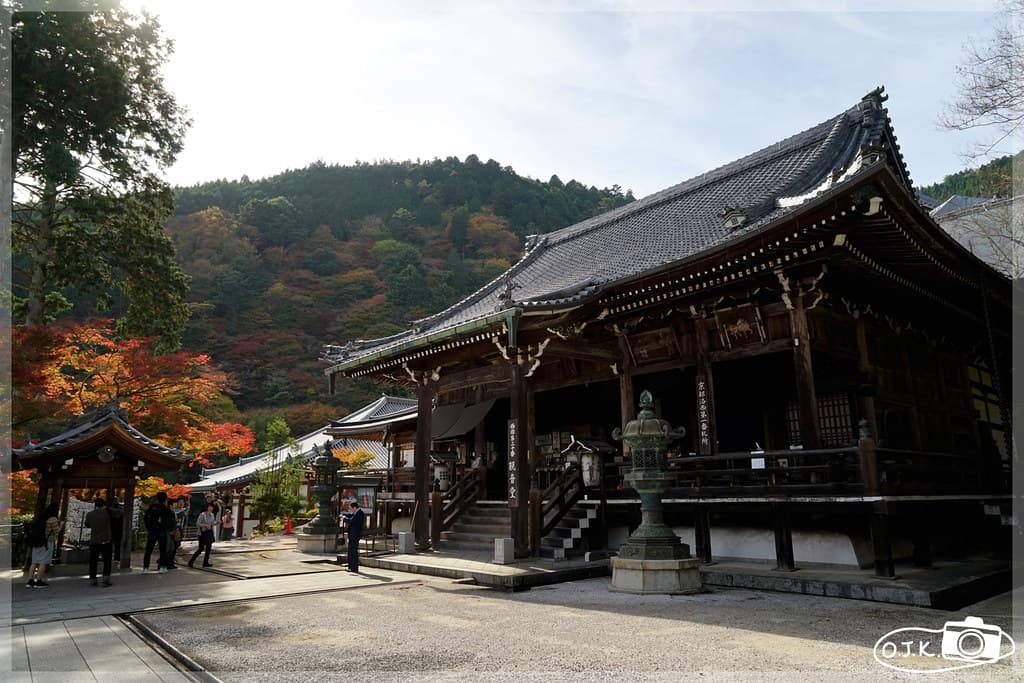
Most of the year, Ankō-ji presents as a quiet wooded temple a short bus ride from suburban Takatsuki — cedar approach, stone steps, gravel courtyard, modest halls. The hibutsu Nyoirin Kannon stays hidden; the Heian-period seated Senju Kannon is reliably shown on Sundays and holidays. Monthly Kannon services on the 18th and daily morning chanting maintain the temple's contemplative routine.
February 1 transforms the precinct. The Saitō Ōgomaku — a Shugendō fire ritual conducted in the open air — assembles ascetics from the Ōmine line, arranges an enormous pyre of cedar logs, and burns gomaki: prayer wood inscribed with petitioners' names and intentions. After the main burn, the ascetics walk barefoot across the bed of embers; lay practitioners and visitors are invited to follow.
The ritual logic compresses a year's worth of esoteric mountain practice into a few hours of fire and breath, and visitors describe the air around the pyre as carrying its own quality long after the ascetic procession ends.
The layered identity — imperial-prince founding, sutra-stone hill, hibutsu Kannon, Heian-period ICP sculpture, Shugendō fire ritual — gives Ankō-ji an unusually concentrated weight for its modest physical scale. Unlike the larger Kabusan-ji further into the hills, Ankō-ji is small enough that all its registers are audible from a single point in the precinct.
Founded 775 CE by Prince Kaisei as a Tendai mountain temple on a hillside north of Takatsuki, with a Kannon image he carved with his own hands serving as the principal devotion.
The temple has remained an active Tendai institution (currently independent, 単立), maintained Shugendō connections to the Ōmine line of mountain ascetics, and continues as bangai-4 of the New Saigoku Kannon Pilgrimage with daily and seasonal ritual life including the signature February 1 fire ritual.
Experience and orientation
From JR Takatsuki Station the Takatsuki City Bus climbs roughly 4 km north to the Ankō-ji-mae stop in about 15 minutes. A short uphill walk through cedars and a stone-stepped approach reaches the gate. The precinct opens to a modest main hall, a Kannon-dō, and the wooded slope behind that holds the buried sutra stones.
On Sundays and national holidays, the Heian-period seated Senju Kannon (Important Cultural Property, designated 1974) is reliably opened for viewing. At approximately 137 cm, it is among the largest surviving seated Senju images in Japan; the late-Heian carving style and devotional posture reward close looking. The hibutsu Nyoirin Kannon principal image is rarely shown.
February 1 is the temple's signature day. The Saitō Ōgomaku fire ritual begins in mid-morning with a procession of ascetics in white pilgrim robes, conch-shell fanfares, and ritual archery to clear the four directions. The pyre is lit; gomaki — small wooden prayer tablets inscribed with petitioners' names — are added throughout the burn. After the main fire passes, the ascetics walk barefoot across the embers; lay participants follow if they wish.
Spectators stand in a wide circle around the pyre and should wear non-synthetic outer layers because of flying embers. The whole ritual day takes a half-day to attend properly.
The wooded approach in mid-November to early December turns striking with autumn maple colour; monthly Kannon services on the 18th provide a quieter visit window with full chanted liturgy.
From the bus stop, walk uphill to the gate. Begin at the main hall and Senju Kannon (if Sunday or holiday). On February 1, arrive early to position around the pyre area; stay for the full ritual including the fire-walking. On other days, follow the path behind the main hall to the buried-sutra hill.
Context and lineage
Prince Kaisei sensed the spiritual power of this Hokusetsu hillside, carved a Kannon image with his own hands, and founded the temple on the 18th day of the 2nd month, Hōki 6 (775 CE). Kaichi, his disciple, undertook a remarkable feat of devotional craftsmanship — copying the 600 fascicles of the Mahāprajñāpāramitā Sūtra one Sanskrit character per stone and burying them on the slope behind the main hall.
The buried-sutra hill remains part of the precinct; the alternate name Hannya-in commemorates the project.
Tendai Buddhism (independent / 単立). The temple maintains Shugendō ritual practice through the Ōmine ascetic line, and stands as one of three sister Tendai mountain temples in the Hokusetsu hills with Kabusan-ji and Honzan-ji.
Traditions and practice
Saitō Ōgomaku is the temple's defining traditional ritual — a Shugendō fire offering of long standing, drawing ascetics from the Ōmine line at Mount Yoshino. Goma (homa) fire offerings continue on a regular schedule. Monthly chanting on the 18th (Kannon-e) is a standard Kannon devotional pattern.
Daily morning service continues. Pilgrim stamps (goshuin) for the New Saigoku #04 (kakuban-fudasho 客番04) station and the Settsu Kokugun-bechi Kannon circuit are issued at the office. The Heian-period seated Senju Kannon is reliably shown on Sundays and national holidays through the Takatsuki tourism association arrangement.
If possible, time the visit to a Sunday or holiday for the Senju Kannon viewing, or to February 1 for the fire ritual. On a regular day, walk the wooded approach slowly, pause at the main hall for the standard goma offering, then follow the path behind the main hall to the buried-sutra hill. The combination of imperial-prince founding, sutra-stone slope, ICP Senju Kannon, and Shugendō fire practice rewards patience.
Tendai Buddhism
ActiveTendai mountain temple founded in 775 by Prince Kaisei (開成皇子), son of Emperor Kōnin and elder brother of Emperor Kanmu. Together with neighbouring Kabusan-ji and Honzan-ji, it forms a cluster of mountain temples in the hills north of Takatsuki long associated with esoteric mountain practice. The temple maintains independent (単立) administration within the broader Tendai tradition.
Shugendō (En no Gyōja / Ōmine line)
ActiveShugendō ascetic practice continues at Ankō-ji through the annual Saitō Ōgomaku fire ritual, conducted by Ōmine-line ascetics in the lineage of En no Gyōja. The fire ritual integrates esoteric Buddhist goma practice with mountain-ascetic technique.
Perspectives and open questions
Ankō-ji's record combines documented imperial-prince founding tradition, an authenticated Heian-period ICP Senju Kannon sculpture, and a continuous Shugendō ritual tradition that connects the temple to the broader Ōmine ascetic line.
Scholarly perspective
Art historians treat the temple's wooden seated Senju Kannon as a rare large-scale late-Heian piece; the 1974 ICP designation and ongoing studies place it firmly in the 10th–11th-century devotional sculpture lineage. The 775 CE founding by Prince Kaisei is documented in temple records and broadly consistent with the period's imperial-aristocratic religious patronage.
Living and traditional perspectives
Local Takatsuki tradition maintains the imperial-prince founding legend and the buried-sutra origin of the Hannya-in name. Ankō-ji is paired with Kabusan-ji and Honzan-ji as the 'three Tendai mountain temples' of the Hokusetsu hills, with each holding its own ritual and devotional specialty.
Alternative interpretations
Shugendō practitioners on the Ōmine line treat the February fire ritual as an annual reaffirmation of mountain-ascetic lineage transmitted from En no Gyōja through these Hokusetsu temples. The buried-sutra hill behind the main hall is sometimes treated as a contemplative aid — walking it in awareness of the buried text underfoot.
Open questions
The exact iconographic dating of the secret-Buddha Nyoirin Kannon honzon is undetermined because public viewings are vanishingly rare. The original location of the buried sutra stones has not been systematically excavated.
Plan your visit
Access and arrival
JR Takatsuki Station → Takatsuki City Bus to 'Ankō-ji-mae' (about 15 minutes), followed by a short uphill walk. Private cars can park in a small temple lot. The temple is roughly 4 km north of central Takatsuki.
Day-trip access from Osaka or Kyoto is straightforward. Limited local lodging in Takatsuki; most pilgrims base in Osaka or Kyoto.
Respectful visit
Modest, comfortable clothing with sturdy shoes for the stone-stepped approach. February 1 visitors should wear non-synthetic outer layers (cotton, wool) because of flying embers from the open-air pyre.
Generally permitted in the precincts; prohibited inside the main hall and of the secret-Buddha Nyoirin Kannon. Confirm at the office for the Senju Kannon Sunday/holiday viewings.
Incense, candles, saisen, pilgrim slips. On February 1, lay visitors may submit gomaki (prayer wood) for the fire ritual.
Inner sanctum closed except on stipulated viewing days | Drone flight discouraged in the wooded precincts | No flash photography during the fire ritual
The hibutsu Nyoirin Kannon is rarely shown; do not expect access. Photography of the inner hall and the secret-Buddha image is prohibited. February 1 fire ritual spectators should wear non-synthetic outer layers because of flying embers. Drone flight is discouraged in the wooded precincts.
Current practical details
Address
41-1 Uradōhonmachi, Takatsuki, Osaka 569-1028, Japan
Phone
Hours, fees, and access can change — verify on the official source before you travel. Practical details last checked Jun 2026.
Location
Map loads as you approach this section.
Pilgrim reflections
A portrait of encounter, not a score
Pilgrims describe what they felt, how present they could become, and whether the place would shape a journey. There are no stars and no ranking of traditions.
No reviewed reflections yet
The first pilgrims can help describe the character of being here.
Share a reflection
Available after an account-backed “Been there.” Every reflection is reviewed before publication.
Nearby sacred places
Explore other sacred places in the region. Proximity does not establish access or travel time; check each place’s guidance.


References
Sources consulted for this page. Source categories describe the publication, not a guarantee that every claim is verified. Traditional accounts and outside interpretations may differ.
- 01南山高槻観音 安岡寺 — 新西国霊場会 — Shin-Saigoku Reijōkai (official pilgrimage association)officialOfficial pilgrimage organisation page; confirms 客番04 (bangai-4) status, sect, and address.
- 02安岡寺 — 高槻市観光協会公式サイト — Takatsuki City Tourism AssociationofficialMunicipal tourism page with viewing-day details for the Important Cultural Property Senju Kannon statue.
- 03安岡寺 — 高槻市公式 (history page) — Takatsuki CityofficialMunicipal heritage record.
- 04安岡寺 (高槻市) — Wikipedia (Japanese) — Wikipedia contributorsacademicSource for coordinates, founding year, founder, sect, honzon, festival dates, and cultural property listings.
Pilgrim glossary
- Kannon
- The bodhisattva of compassion, central to many East Asian pilgrimage routes.
- Sutra
- A canonical Buddhist scripture, often chanted as part of practice.
- Tendai
- A Japanese Buddhist school based on the Lotus Sutra, foundational to many later traditions.
Share a photo
Help visitors recognize Anko-ji. Every submission is reviewed before publication.