Lake Tsomgo
A sacred lake remembered in Sikkimese stories
Understand sacred places, explore living traditions, and learn how to engage respectfully with Pilgrim Map.
Access has not been verified. Check current local guidance before planning a visit.
Changgu, Sikkim, India
Read the sources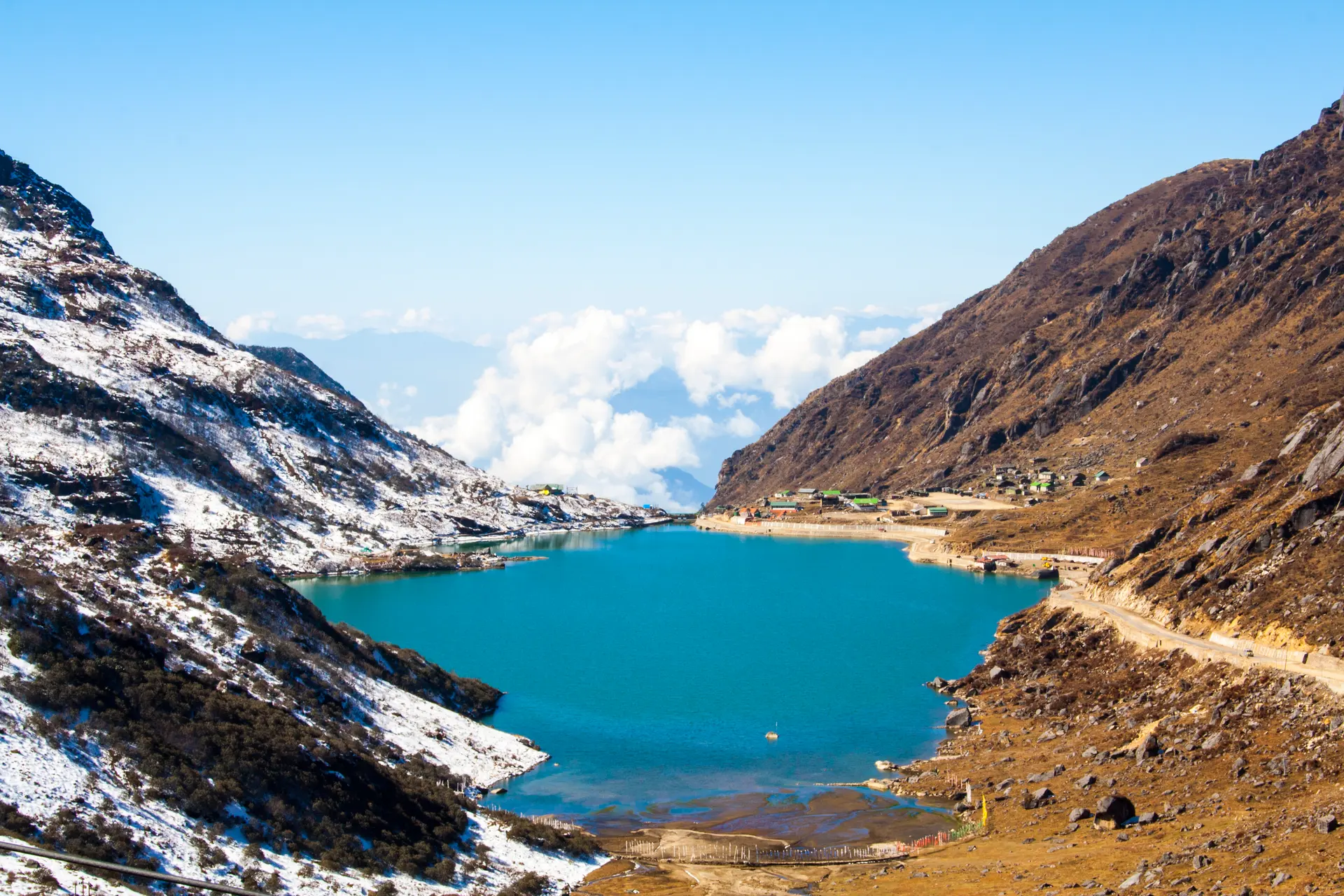
Tsongmo Lake also popular as Changu Lake , it's situated in East Sikkim about 40km away from Gangtok, Sikkim.. Image source · CC BY 3.0
Visit essentials
A quick read before you go
- Best time
- Confirm current road and weather conditions with the authorities or your registered operator; no…
- Access
- Check Sikkim Tourism’s current protected-area permit guidance and arrange the permissions…
Overview
Tsomgo is known to many travelers through an excursion from Gangtok, but its sacred identity has a different point of departure. Sikkim’s Ecclesiastical Affairs Department preserves names and a story associated with the lake and the people who lived around it. That account gives the water a presence within a human landscape of herding, warning, and change.
The lake is also a place where visitor activity and conservation meet. WWF-India documents work with community participants and government partners on protecting Sikkim’s high-altitude wetlands, including Tsomgo. Attention to waste and water quality belongs beside attention to the stories through which a place is valued.
A respectful visit begins with both forms of care. Learn which account is being told and who preserves it; keep the shoreline free of waste; and establish the permits that apply to your visit. Tourism access is an administrative matter, while permission to observe or record religious practice depends on the people involved. Neither should be assumed from the other.
Why this place is sacred
The migration story treats the lake as an active presence in the lives of herders. Read this as a Sikkimese account of relationship and responsibility, with its own narrative logic. It does not need to become a geological claim to explain why the water matters.
Experience and orientation
Begin with the publicly told lake story and observe from permitted visitor areas. Leave space for people whose relationship to the lake is devotional or local. Do not request a ritual demonstration as part of sightseeing.
Context and lineage
In the Sikkim Ecclesiastical Affairs account, an older woman dreams that a lake at Laten will move to the place now called Tsomgo. She warns two fellow yak herders, but they do not leave. Before departing herself, she pours milk as a greeting to the coming lake. She then sees a white-haired woman disappear into the ground, which turns to water. The other herders and their yaks are submerged.
People interpret the white-haired figure as a water nymph favorable to yak herders. This is the department’s published version of the story, not a reconstruction of the lake’s physical formation.
Traditions and practice
The state’s sacred-lake account records the lake’s religious significance and a remembered relationship with yak herding. The actions within its origin story are narrative details, not instructions to pour milk or other substances into the water today.
WWF-India has documented local participation in conservation through the Tsomgo Pokhri Sanrakshan Samiti and government partners. Protecting water quality is a practical way to respect a place whose meaning includes both sacred tradition and everyday livelihoods.
Read the attributed account before planning a visit. Give worshippers space, follow the directions of custodians, and carry out anything you bring in.
Sikkimese sacred-lake traditions
ActiveThe lake is part of the living tradition described in this profile.
Publicly documented practice is described in the practices section.
Perspectives and open questions
Public traditional accounts, historical documentation, and present access requirements answer different questions.
Scholarly perspective
The Ecclesiastical Affairs record preserves an attributed local account. WWF-India provides a separate conservation perspective. These sources answer different questions and should not be blended into a single explanation of the lake’s origin.
Living and traditional perspectives
According to the Sikkimese account recorded by the department, the lake’s arrival involves a warning and a water being, placing herding life within a sacred relationship.
Open questions
Current access conditions and site-specific visitor arrangements remain uncertain; confirm them before planning a visit.
Plan your visit
When to visit
Confirm current road and weather conditions with the authorities or your registered operator; no guaranteed opening season is stated here.
Access and arrival
Check Sikkim Tourism’s current protected-area permit guidance and arrange the permissions applicable to your nationality and itinerary. Permission for Tsomgo does not establish permission for Nathula or another border destination. Road access and operating conditions require a current local check.
No current accommodation or booking details verified.
Respectful visit
No site-specific dress rule was verified. Follow any directions provided by custodians or organizers.
Ask permission before photographing people or worship. Observe any official photography restrictions on the wider route.
Do not place substances or objects in the water. Ask custodians about appropriate support.
Follow closures and custodial directions; the access section explains the limits of this guide.
Descriptions of religious practice are not visitor instructions.
Location
Map loads as you approach this section.
Pilgrim reflections
A portrait of encounter, not a score
Pilgrims describe what they felt, how present they could become, and whether the place would shape a journey. There are no stars and no ranking of traditions.
No reviewed reflections yet
The first pilgrims can help describe the character of being here.
Share a reflection
Available after an account-backed “Been there.” Every reflection is reviewed before publication.
Nearby sacred places
Explore other sacred places in the region. Proximity does not establish access or travel time; check each place’s guidance.


References
Sources consulted for this page. Source categories describe the publication, not a guarantee that every claim is verified. Traditional accounts and outside interpretations may differ.
- 01Holy Lakes in Sikkim — Tshomgo Lake — Ecclesiastical Affairs Department, Government of SikkimofficialIndexed government section read in search: Tanyek Tsho name and lake-migration story. Direct page retrieval failed with timeout/expired certificate; disclose access limitation.
- 02Protected Area Permit — Tourism and Civil Aviation Department, Government of SikkimofficialIndexed official permit requirements read. Tsomgo and Nathula permissions must not be conflated; live page has no extractable text.
- 03Sikkim — High Altitude Wetlands — WWF-IndiaofficialFirst-party account of community and government collaboration on lake conservation. Historical project description, not proof of all services operating today.
- 04Tsomgo Lake — Ministry of Tourism, Government of IndiaofficialNational tourism account; a different origin motif is not merged with the Ecclesiastical Affairs narrative.
Photo gallery
3 curated photos
Share a photo
Help visitors recognize Lake Tsomgo. Every submission is reviewed before publication.