Lough Dergh
An island pilgrimage shaped by prayer and a medieval otherworld story
Understand sacred places, explore living traditions, and learn how to engage respectfully with Pilgrim Map.
Access has not been verified. Check current local guidance before planning a visit.
County Donegal, Donegal, Ireland
Read the sources
Station Island on Lough Derg, County Donegal, Ireland, viewed from the pier in 2009.. Image source · CC BY-SA 4.0
Visit essentials
A quick read before you go
- Best time
- The published 2026 three-day pilgrimage season ended on 15 August.
- Access
- Use the sanctuary’s official booking and visitor information.
Overview
Lough Derg in County Donegal is associated with St Patrick’s Purgatory and the pilgrimage sanctuary on Station Island. It is distinct from the larger lake of the same name on the River Shannon. This page keeps the existing lake identity while identifying the island sanctuary as a related place.
Why this place is sacred
The sanctuary’s religious life combines prayer, penitence and organized pilgrimage. The medieval otherworld narrative belongs to its literary and devotional history; the present programme is not an invitation to enter a cave.
Experience and orientation
Choose the sanctuary’s programme deliberately and follow its preparation instructions. Do not assume that an ordinary sightseeing visit and the three-day pilgrimage have the same arrangements.
Context and lineage
In the Knight Owen narrative retold in Daniel O’Connor’s 1895 history, a knight enters the place called St Patrick’s Purgatory after preparation. Religious figures warn him that he will face terrors and should call on Jesus for help. He endures threatening visions, crosses a narrow bridge above a dreadful river and reaches a place of joy. He cannot remain there and must return to ordinary life, where he tells what he has experienced.
The story gives a journey through danger a Christian frame of repentance and hope. It is a religious literary account, not evidence of a physically accessible underground otherworld.
The sanctuary’s history distinguishes Saints Island, associated with an earlier monastery, from Station Island, where today’s pilgrimage takes place. Traditional founding accounts should not be treated as secure dates for every structure or practice.
Traditions and practice
The three-day programme includes barefoot prayer, fasting and a vigil. It has participation requirements published by the sanctuary, including age and fitness considerations. Read those requirements before booking; a description of the observance is not individual advice about undertaking it.
Catholic Christianity
ActiveSt Patrick’s Purgatory and organized island pilgrimage.
Perspectives and open questions
Religious accounts and material evidence answer different questions.
Plan your visit
When to visit
The published 2026 three-day pilgrimage season ended on 15 August. Check the sanctuary’s current calendar for the next available programme; this page does not project those dates into another year.
Access and arrival
Use the sanctuary’s official booking and visitor information. Its guidance prohibits cameras, mobile phones and other electronic equipment during pilgrimage or retreat; this is stronger than a request to use them sparingly. Confirm boat arrangements with the programme. The lake record and the separately recorded sanctuary remain distinct.
Respectful visit
The sanctuary prohibits cameras and phones during pilgrimage or retreat; follow its current programme instructions.
Do not improvise offerings or leave objects in the landscape.
Leave religious objects and archaeological remains undisturbed.
Current practical details
Address
Lough Derg, Co. Donegal, Ireland
Hours, fees, and access can change — verify on the official source before you travel. Practical details last checked Jun 2026.
Location
Map loads as you approach this section.
Pilgrim reflections
A portrait of encounter, not a score
Pilgrims describe what they felt, how present they could become, and whether the place would shape a journey. There are no stars and no ranking of traditions.
No reviewed reflections yet
The first pilgrims can help describe the character of being here.
Share a reflection
Available after an account-backed “Been there.” Every reflection is reviewed before publication.
Nearby sacred places
Explore other sacred places in the region. Proximity does not establish access or travel time; check each place’s guidance.
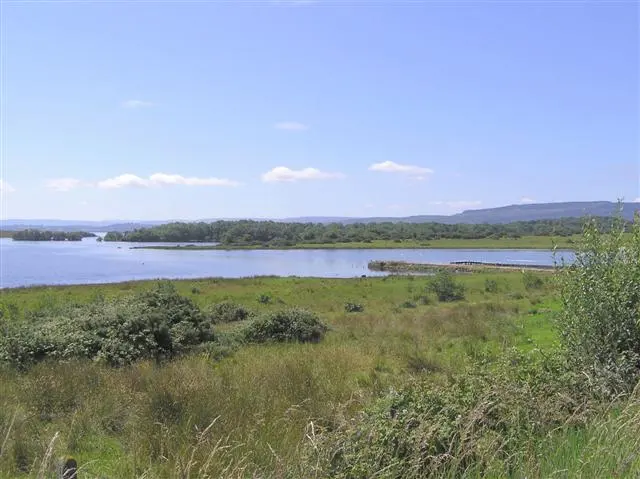
Boa Island figures
Enniskillen, Northern Ireland, United Kingdom
10.6 km away
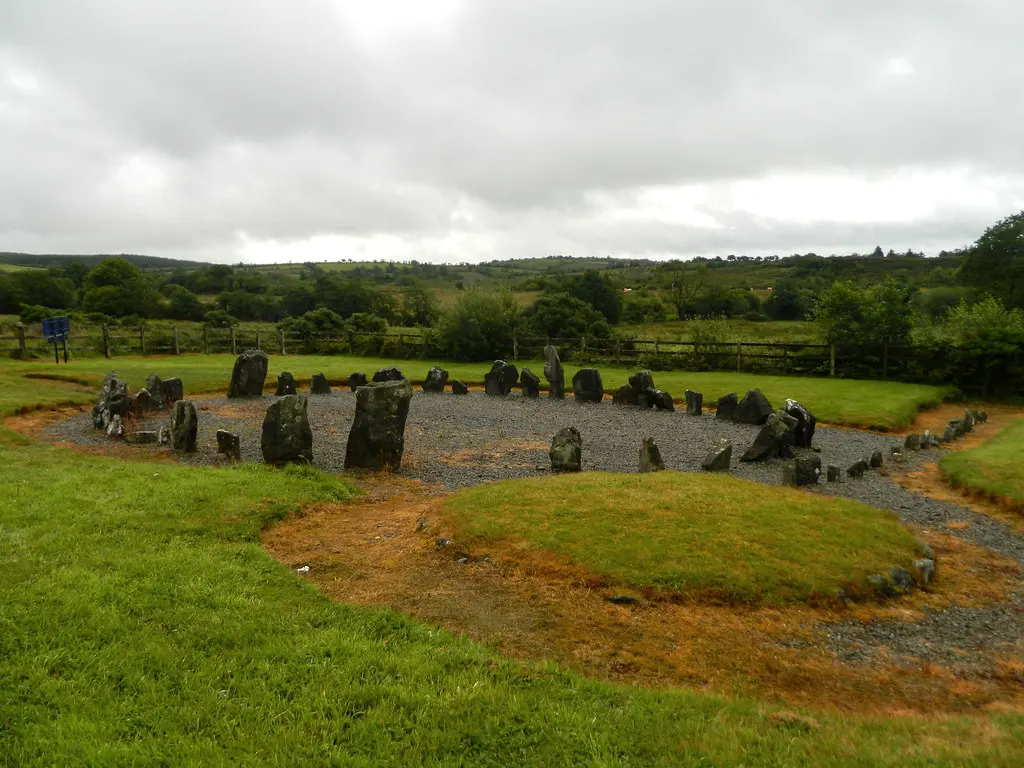
Drumskinny Stone Circle, Drumskinny, Ireland
County Fermanagh, Northern Ireland, United Kingdom
12.0 km away

White Island, County Fermanagh
Enniskillen, Northern Ireland, United Kingdom
16.0 km away
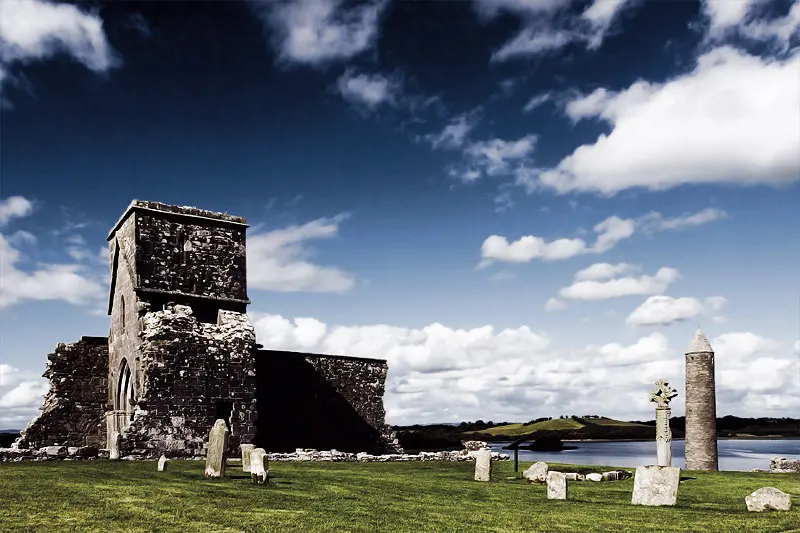
Devenish Island
Enniskillen, Northern Ireland, United Kingdom
29.9 km away
References
Sources consulted for this page. Source categories describe the publication, not a guarantee that every claim is verified. Traditional accounts and outside interpretations may differ.
- 01Three Day Pilgrimage — Lough Dergofficial2026 season ended August 15; requirements, prayer, fasting, barefoot observance and electronic-device prohibition. Do not project 2026 dates into 2027.
- 02History — Lough DergofficialDistinguish Saints Island and Station Island; early founding accounts are traditions, not secure archaeological dating.
- 03About Lough Derg — Lough DergofficialPresent sanctuary on Station Island; separate island institutions from the lake identity.
- 04St Patrick’s Purgatory — Daniel O’Connor, 1895Source contextFull public-domain book downloaded and extracted. Knight Owen narrative is a literary religious account, not proof of an underground otherworld.
Share a photo
Help visitors recognize Lough Dergh. Every submission is reviewed before publication.