Lake Guatavita
A Muisca lake of offerings beyond the search for El Dorado
Understand sacred places, explore living traditions, and learn how to engage respectfully with Pilgrim Map.
Access has not been verified. Check current local guidance before planning a visit.
Sesquilé, Cundinamarca, Colombia
Read the sources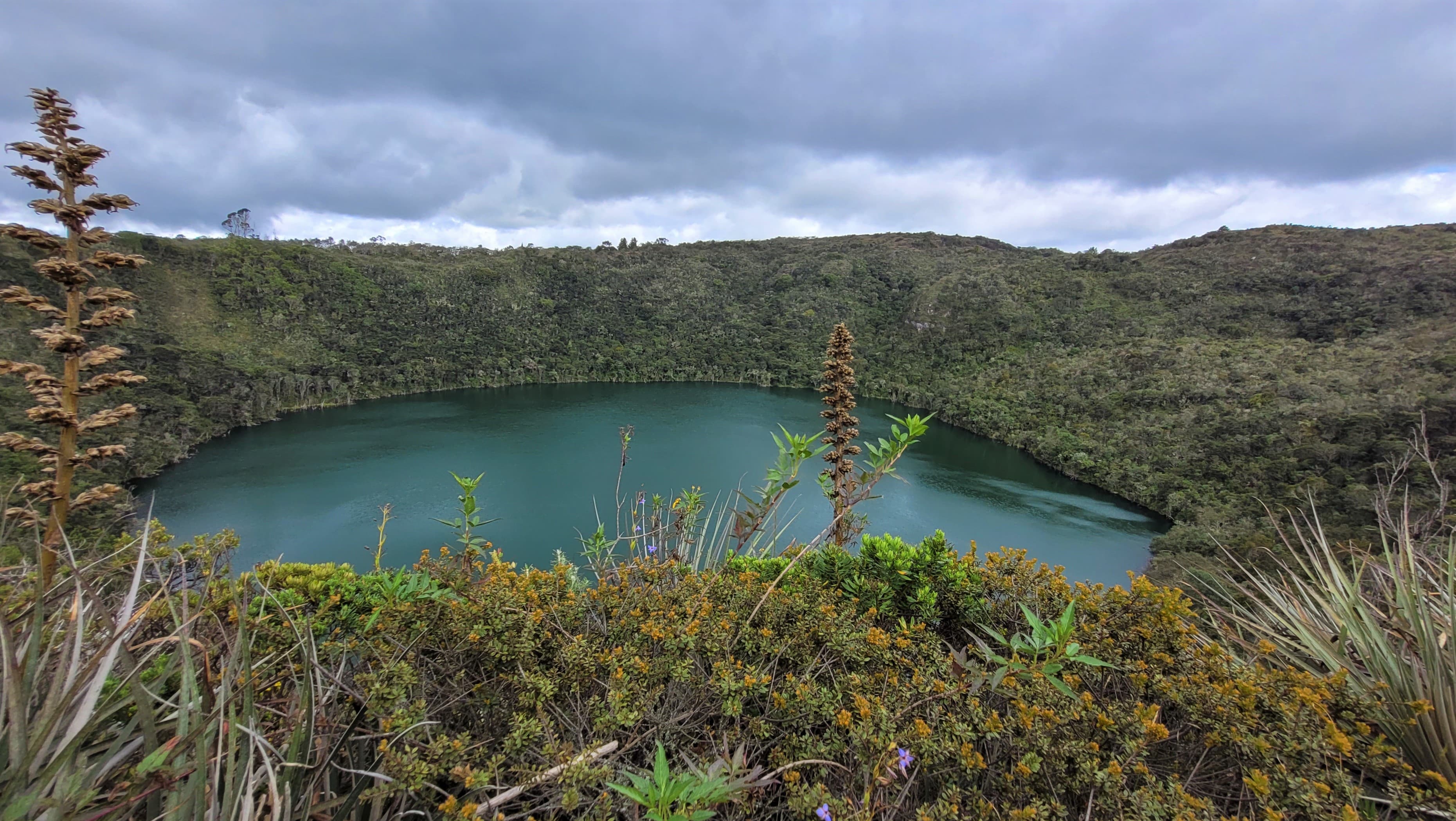
The Guatavita Lake was a sacred place for Muiscas people. Now it is a tourist place where you can learn about its history, its nature and its magic.. Image source · CC BY-SA 4.0
Visit essentials
A quick read before you go
- Best time
- Check CAR’s current opening calendar and any closures before departure.
- Access
- Use CAR’s official arrangements and confirm current admission details before travelling.
Overview
Lake Guatavita is a sacred place in Muisca history, now visited within a CAR-managed reserve in Sesquilé, Colombia. Its fame as a source of treasure can obscure the religious meaning of giving valuable things away. Museum evidence, colonial narratives and archaeological research illuminate different parts of that history.
Why this place is sacred
The Museo del Oro describes Guatavita within a network of offering places. In its account of Correr la tierra, journeys connected the lake with other sacred waters before returning to Guatavita. The important relationship was between people, places and offerings, rather than a store of wealth awaiting extraction.
Experience and orientation
CAR describes guided walks and viewpoints overlooking the lake. The visit can provide time to consider the difference between an offering and a treasure: the same material that outsiders sought to remove had been placed in a sacred setting.
Context and lineage
A version preserved by the colonial chronicler Pedro Simón tells of a cacica humiliated by her husband after an accusation of infidelity. She enters the lake with her daughter. When the remorseful cacique sends a religious specialist to recover them, he reports finding them alive below the water. The cacica refuses to return; her life is now in the lake. People subsequently approach the waters with offerings and appeals for help.
Simón supplies a colonial transmission of a traditional account, not a direct statement from a present-day Muisca community. Simón’s hostile judgments about Indigenous religion belong to his own perspective and are not adopted here. Other retellings vary. The account explains a relationship to the lake; it is distinct from the famous investiture ceremony associated with El Dorado.
The gold raft in the Museo del Oro is traditionally interpreted as an investiture scene related to the Guatavita narrative. It was found at Pasca, not recovered from this lake. The object’s provenance, the ceremony described in chronicles and the archaeological evidence from Guatavita should remain distinguishable.
Traditions and practice
The museum’s offering interpretation treats goldwork as part of religious exchange. A modern guided visit does not authorize reenacting ceremonies or leaving objects in the water. Follow the reserve’s rules and any community-led invitation on its own terms.
Muisca traditions
ActiveThe lake’s offering history and continuing cultural significance; this page does not claim to speak for all Muisca communities.
Perspectives and open questions
Religious accounts and material evidence answer different questions.
Plan your visit
When to visit
Check CAR’s current opening calendar and any closures before departure. Reserve visits and community ceremonies are different activities; no public ceremonial date or participation entitlement is asserted here.
Access and arrival
Use CAR’s official arrangements and confirm current admission details before travelling. Its visitor guidance requires staying with the group and CAR guide on authorized paths. The listed guided walk averages about two hours; confirm suitability for your party. This page does not reproduce older tariffs or promise current transport or mobile coverage.
Respectful visit
Use the designated viewpoints; CAR prohibits drones.
Do not improvise offerings or leave objects in the landscape.
Remain with the guide and group on authorized paths; follow CAR’s current reserve rules.
Current practical details
Address
Lake Guatavita, Sesquilé, Cundinamarca, Colombia
Hours, fees, and access can change — verify on the official source before you travel. Practical details last checked Jun 2026.
Location
Map loads as you approach this section.
Pilgrim reflections
A portrait of encounter, not a score
Pilgrims describe what they felt, how present they could become, and whether the place would shape a journey. There are no stars and no ranking of traditions.
No reviewed reflections yet
The first pilgrims can help describe the character of being here.
Share a reflection
Available after an account-backed “Been there.” Every reflection is reviewed before publication.
Nearby sacred places
Explore other sacred places in the region. Proximity does not establish access or travel time; check each place’s guidance.



References
Sources consulted for this page. Source categories describe the publication, not a guarantee that every claim is verified. Traditional accounts and outside interpretations may differ.
- 01Maravillas y horrores de la conquista: Leyenda de la Cacica de Guatavita — Fray Pedro Simón; edition hosted by IdartesSource contextPDF pp. 90–94: colonial transmission of cacica account. Hostile religious framing is identified, not adopted. Not a contemporary Indigenous statement.
- 02Balsa muisca — Banco de la RepúblicaofficialMuseum object provenance and interpretation; raft found at Pasca, not recovered from Guatavita.
- 03La Ofrenda — Museo del Oro / Banco de la RepúblicaofficialOffering networks and Correr la tierra; museum explanation of sacred exchange, not permission for tourists to imitate offerings.
- 04El Dorado Offerings in Lake Guatavita: A Muisca Ritual Archaeological Site — Juan Pablo Quintero-Guzmánacademic2023 article abstract and bibliographic record accessed; supports distinction between colonial fame and archaeological investigation. Full article not claimed read.
- 05Qué hacer: Laguna del Cacique Guatavita — Corporación Autónoma Regional de Cundinamarca (CAR)officialIndexed operator page supplies guided-group requirement, viewpoints, approximate two-hour tour and drone restriction. Direct extraction failed; old displayed tariffs are not copied.
Photo gallery
2 curated photos
Share a photo
Help visitors recognize Lake Guatavita. Every submission is reviewed before publication.