Zuni Lake, New Mexico
Salt Mother and the protection of a shared sacred landscape
Understand sacred places, explore living traditions, and learn how to engage respectfully with Pilgrim Map.
Access has not been verified. Check current local guidance before planning a visit.
Catron County, New Mexico, United States
Read the sources
Zuni Salt Lake, New Mexico.. Image source · CC BY-SA 4.0
Visit essentials
A quick read before you go
- Best time
- No public opening calendar or visitor ceremony schedule is asserted.
- Access
- Current public access authorization was not established in this review.
Overview
Zuni Salt Lake lies in New Mexico within a sacred landscape connected with Zuni and other Indigenous communities. Its meaning extends beyond the water to pilgrimage routes and the surrounding Sanctuary. This page shares public testimony, without presenting the lake as a visitor destination.
Why this place is sacred
Governor Arden Kucate’s public Senate testimony identifies the lake as the home of Salt Mother. Salt gathering has ceremonial and domestic importance, and the Sanctuary is described through obligations of respect between communities.
Experience and orientation
The public testimonies offer a way to learn about the relationship between water, salt, community and protection. A map location does not establish permission to enter the landscape.
Context and lineage
Kucate’s testimony connects Salt Mother with both the lake and an earlier home at the spring affected by Black Rock Dam. The account gives water and place a personal, sacred relationship. It also describes a Sanctuary where conflict is set aside. These publicly shared relationships explain why protecting the lake involves more than preserving a scenic water body. This page does not supply a detailed migration episode or private ritual sequence where the reviewed primary testimony does not establish one.
Governor Malcolm Bowekaty’s 2002 testimony describes threats associated with a proposed coal mine. Amy Corbin’s 2003 report records the relinquishment of those permits after sustained opposition. That was a particular historical controversy; it should not be presented as an active mine proposal today.
Traditions and practice
Public accounts describe pilgrimages to gather salt. They do not authorize outsiders to collect it, enter shrines or use ceremonial trails. Salt and other materials should be left undisturbed.
Zuni traditions
ActiveSalt Mother, pilgrimage and Sanctuary relationships.
Perspectives and open questions
Religious accounts and material evidence answer different questions.
Plan your visit
When to visit
No public opening calendar or visitor ceremony schedule is asserted. Dated testimony and historical reporting are not current entry instructions.
Access and arrival
Current public access authorization was not established in this review. Do not approach the lake, collect salt or plan a route through the Sanctuary without guidance from the responsible tribal authorities. This page supplies no visitor itinerary or ceremonial photography invitation.
Respectful visit
No permission to photograph ceremonies, shrines or salt gathering is implied. Follow tribal authority.
Do not improvise offerings or leave objects in the landscape.
Leave religious objects and archaeological remains undisturbed.
Current practical details
Address
Zuñi Salt Lake, New Mexico 87829, USA
Hours, fees, and access can change — verify on the official source before you travel. Practical details last checked Jun 2026.
Location
Map loads as you approach this section.
Pilgrim reflections
A portrait of encounter, not a score
Pilgrims describe what they felt, how present they could become, and whether the place would shape a journey. There are no stars and no ranking of traditions.
No reviewed reflections yet
The first pilgrims can help describe the character of being here.
Share a reflection
Available after an account-backed “Been there.” Every reflection is reviewed before publication.
Nearby sacred places
Explore other sacred places in the region. Proximity does not establish access or travel time; check each place’s guidance.
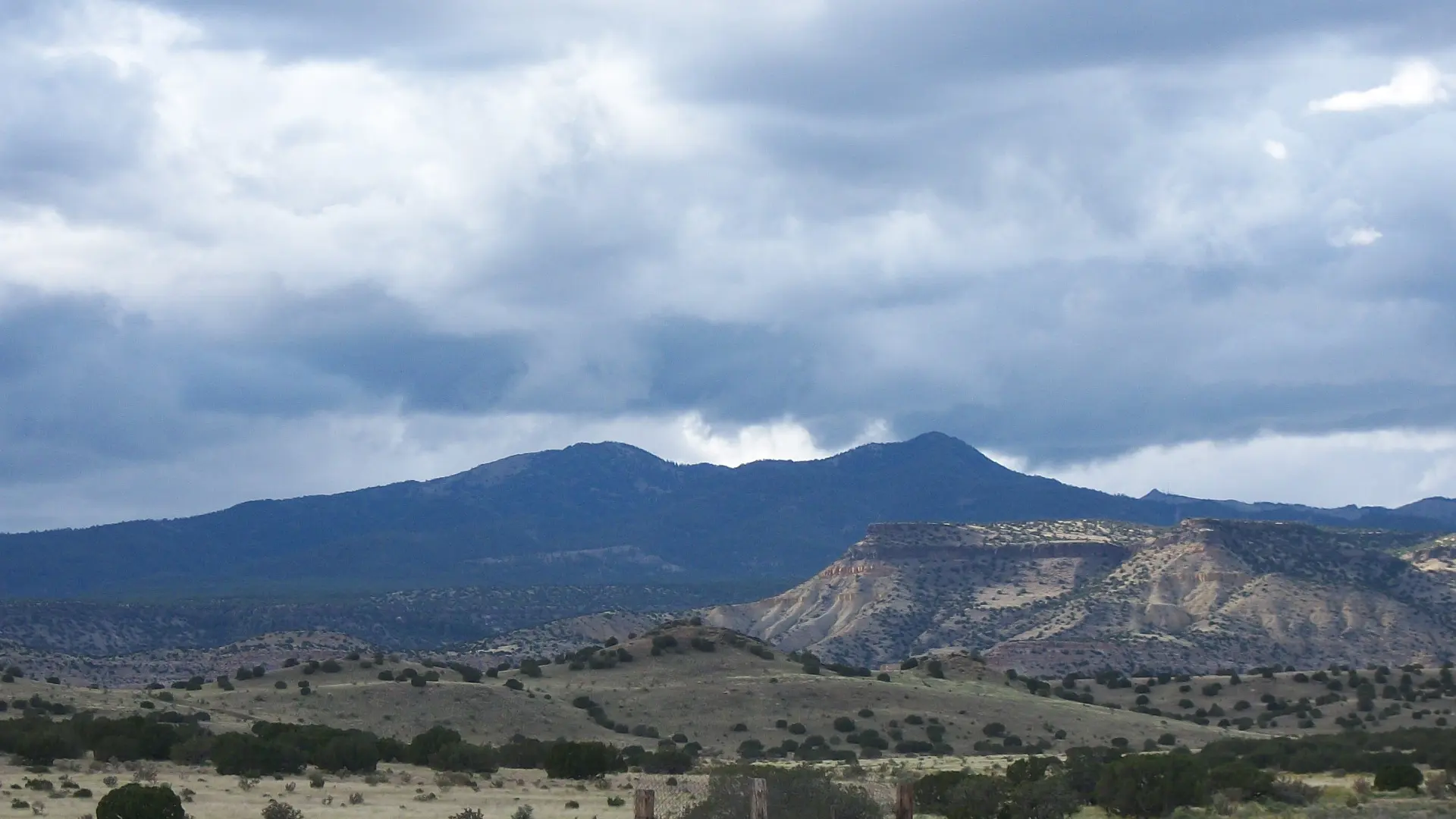
Mt. Taylor, New Mexico
Cibola County, New Mexico, United States
137.6 km away
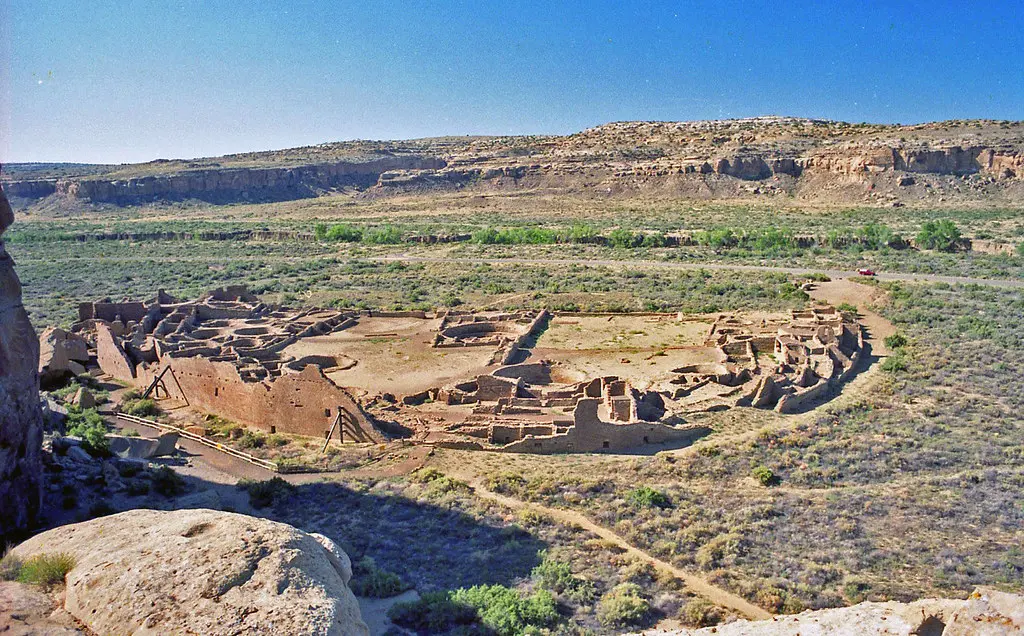
Chaco Canyon, New Mexico
San Juan County, New Mexico, United States
193.6 km away
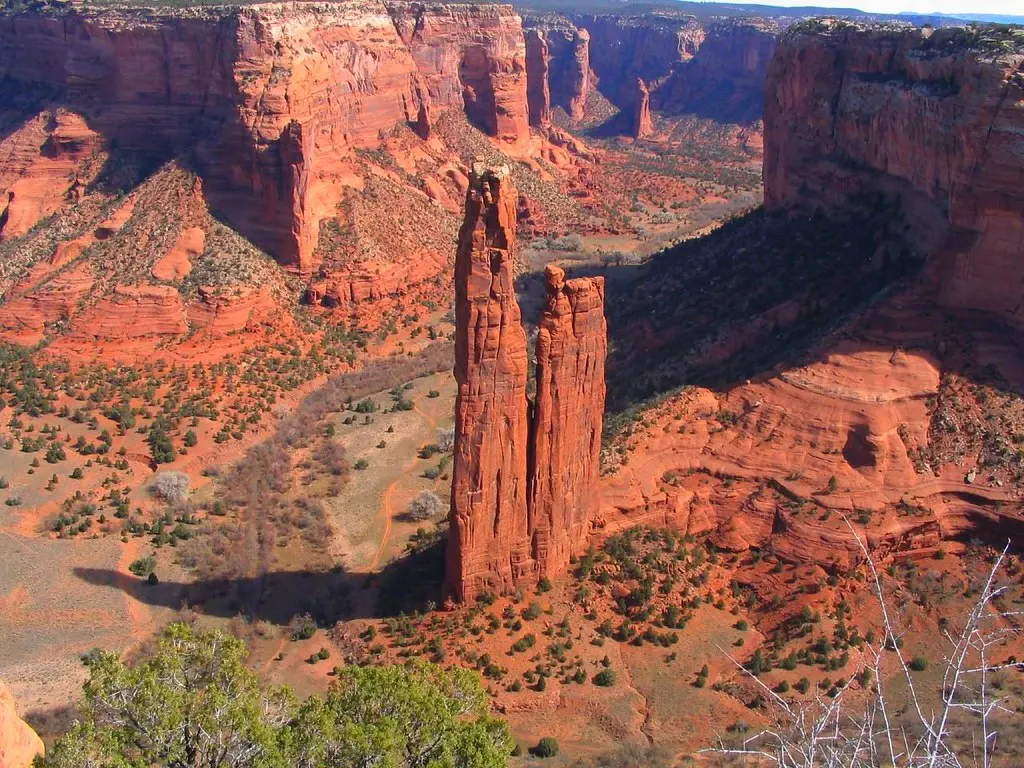
Canyon de Chelly, Arizona
Chinle Agency, Arizona, United States
202.1 km away
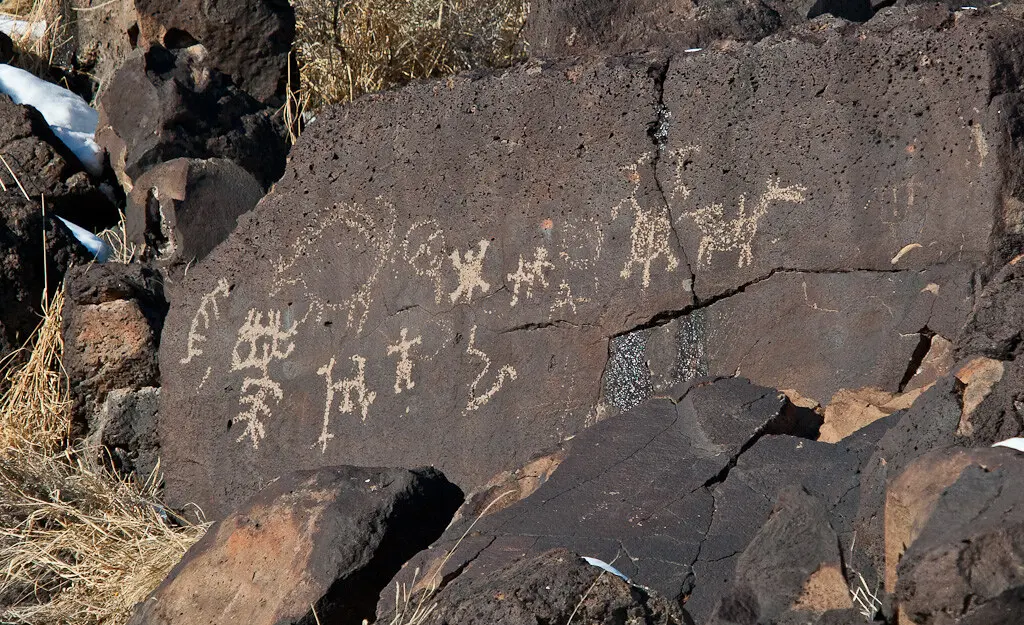
Petroglyphs National Monument
Albuquerque, New Mexico, United States
202.9 km away
References
Sources consulted for this page. Source categories describe the publication, not a guarantee that every claim is verified. Traditional accounts and outside interpretations may differ.
- 01Senate Indian Affairs hearing, public testimony — Governor Arden Kucate / US SenateofficialPDF pp. 50–53: Salt Mother, Black Rock spring and Sanctuary. Proposed legislation is not treated as enacted law.
- 02Testimony on Zuni Salt Lake — Governor Malcolm Bowekatyofficial2002 public testimony; historical mine controversy, not current access permission.
- 03Zuni Salt Lake — Amy Corbin / Sacred Land Film ProjectSource context2003 report: salt, Sanctuary, pilgrimage and relinquished mine permits. Dated advocacy reporting, not current tribal visitor rules.
Share a photo
Help visitors recognize Zuni Lake, New Mexico. Every submission is reviewed before publication.