Tradition guide
Korean Neo-Confucianism
Korean Neo-Confucianism sites connect places through shared lineage, practice, story, and pilgrimage across the global atlas.
8 sacred places share this lineage. Use the country links to narrow in.
Atlas summary
Korean Neo-Confucianism sacred sites overview
Korean Neo-Confucianism sacred sites connect places through shared lineage, ritual use, memory, and pilgrimage practice across the Pilgrim Map atlas.
Use this page to compare country clusters, common place types, UNESCO-tagged landmarks, and the map distribution before exploring individual site pages.
| Coverage | 8 Korean Neo-Confucianism sacred places in the current atlas. |
|---|---|
| Country clusters | |
| UNESCO heritage | 8 UNESCO-tagged Korean Neo-Confucianism sites appear in this browse view. |
By country
Refine the atlas
Related Korean Neo-Confucianism guides
Showing 1-8 of 8 sites in this tradition guide
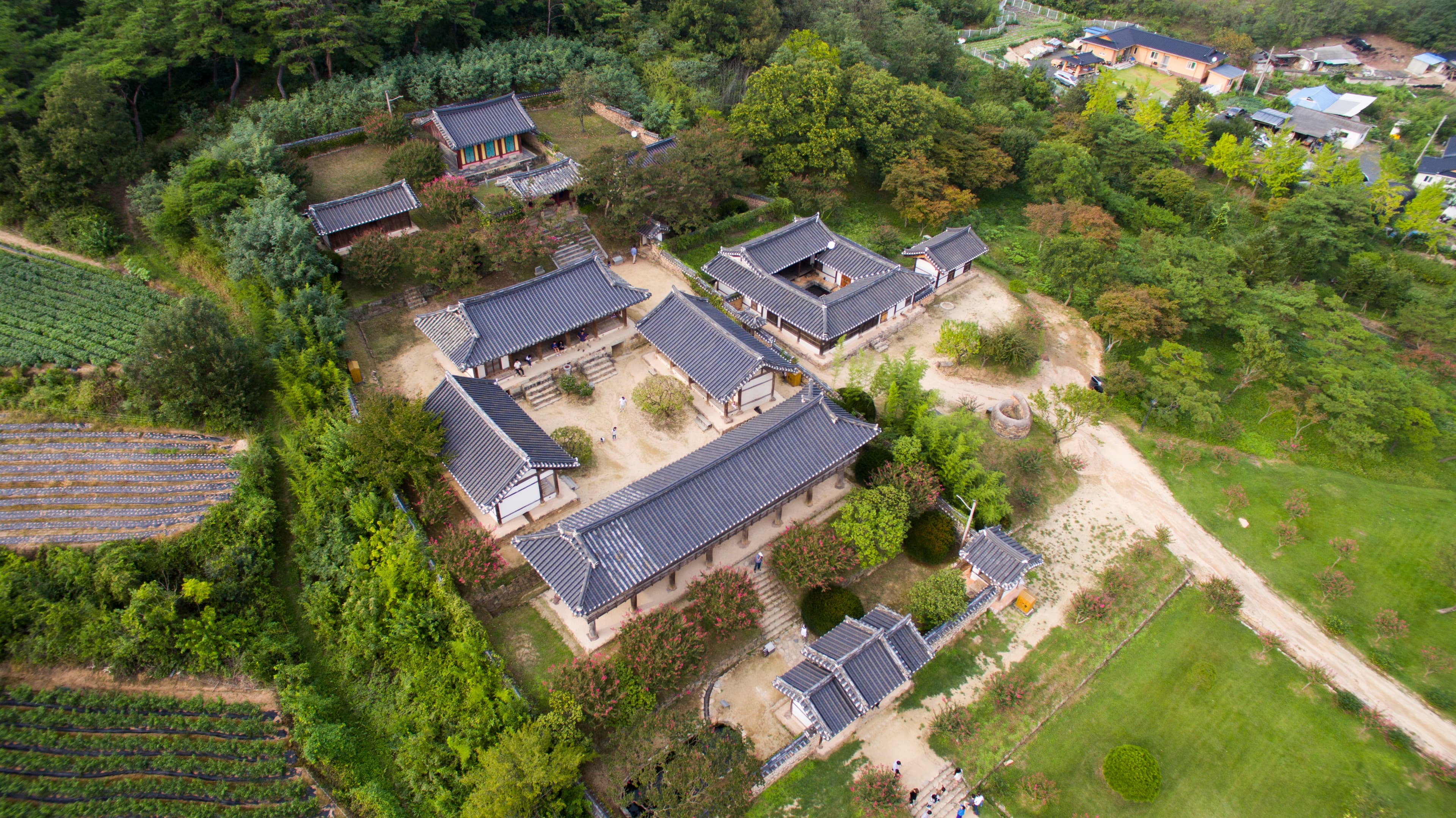
Byeongsan Seowon
Andong, Gyeongsangbuk-do, South Korea
Byeongsan Seowon joins the veneration of Ryu Seong-ryong and his son Ryu Jin with a durable tradition of Neo-Confucian study....
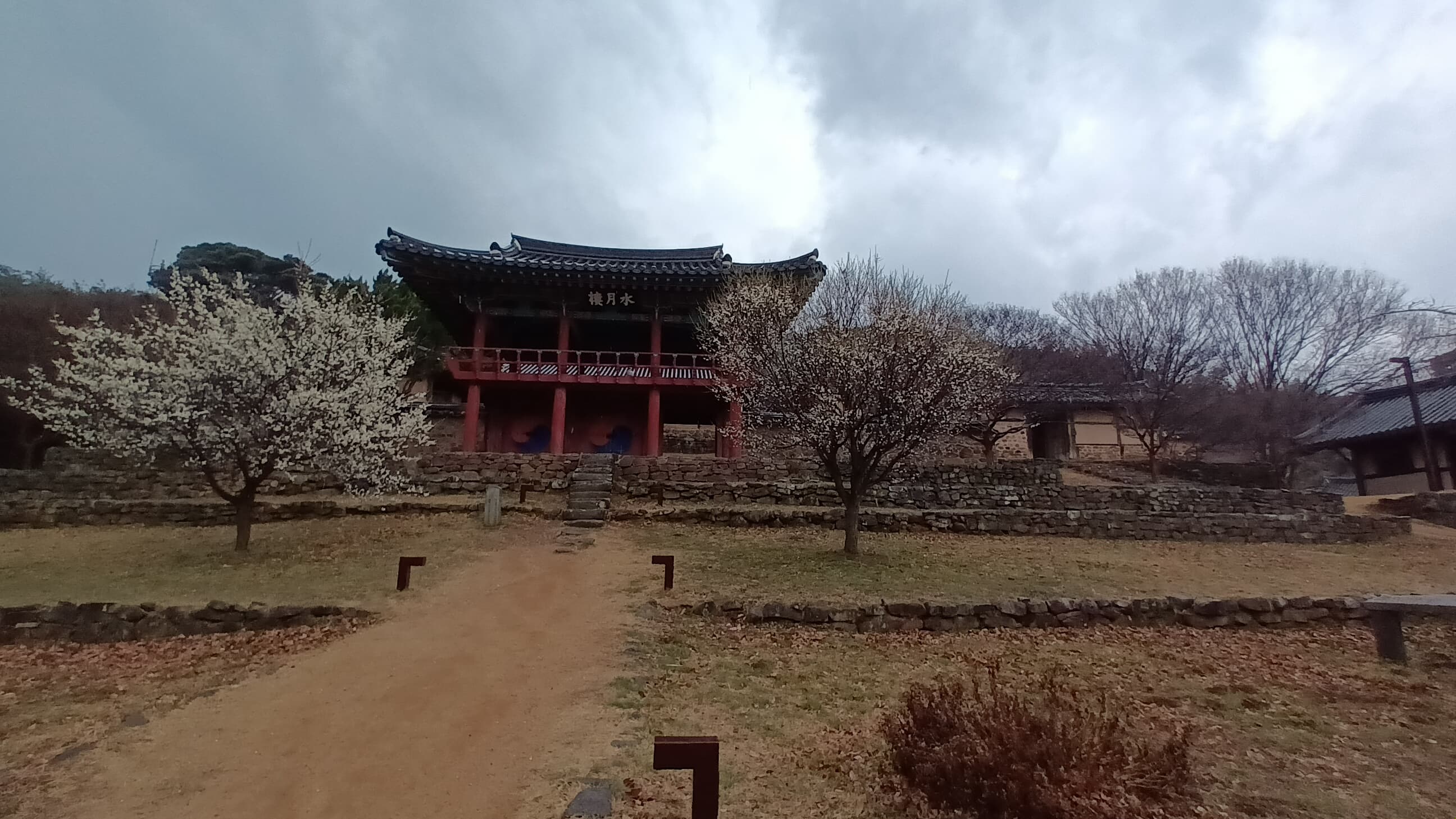
Dodong Seowon
Daegu, Daegu, South Korea
Dodong Seowon does not hide rupture. Scholars founded its predecessor in 1568; war destroyed it; a new academy rose at the current site in 1605 and received the name...
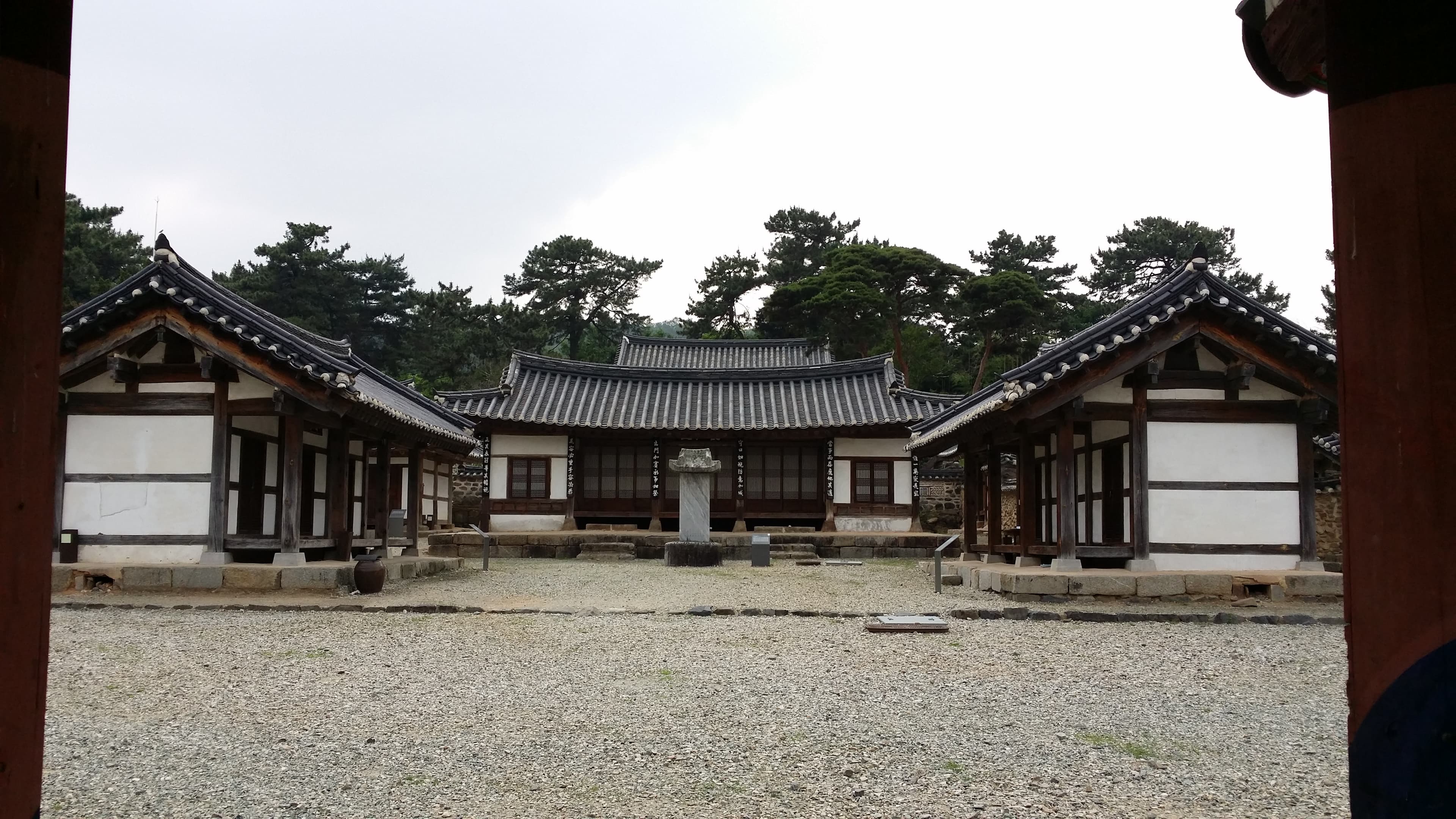
Donam Seowon
Nonsan, Chungcheongnam-do, South Korea
Donam Seowon is a center of yehak, the Korean Neo-Confucian study of propriety associated above all with Kim Jang-saeng....
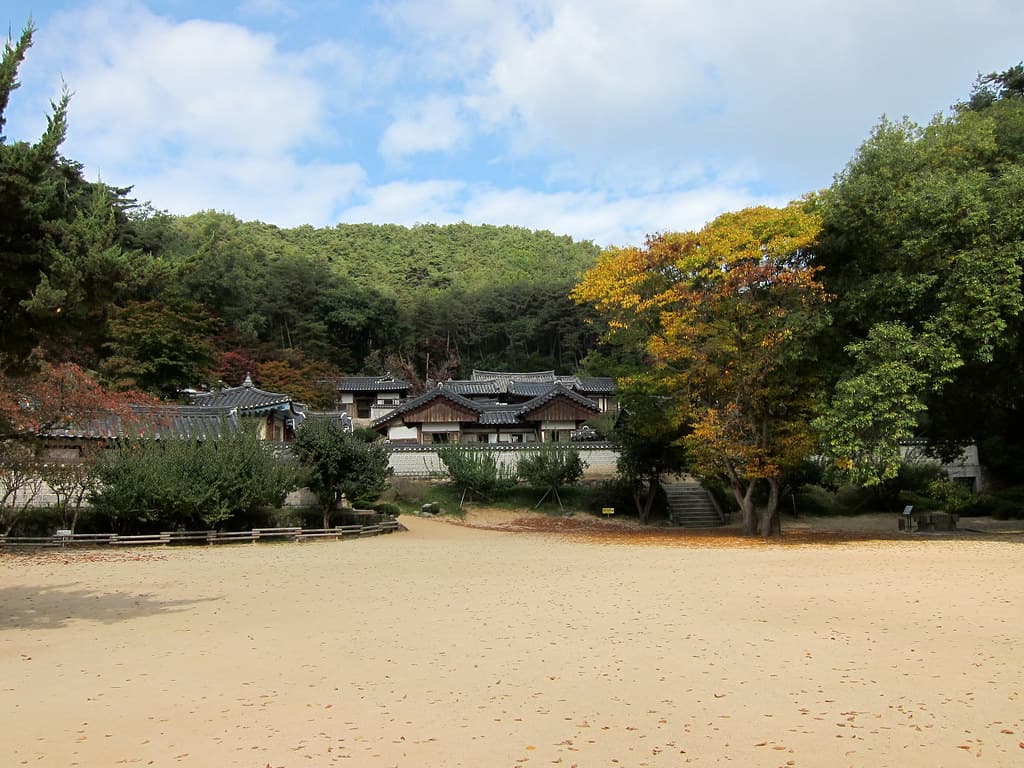
Dosan Seowon
Andong, Gyeongsangbuk-do, South Korea
Dosan Seowon contains two chronologies that should be walked separately. Yi Hwang designed Dosanseodang in 1561 as a modest place to study and teach....
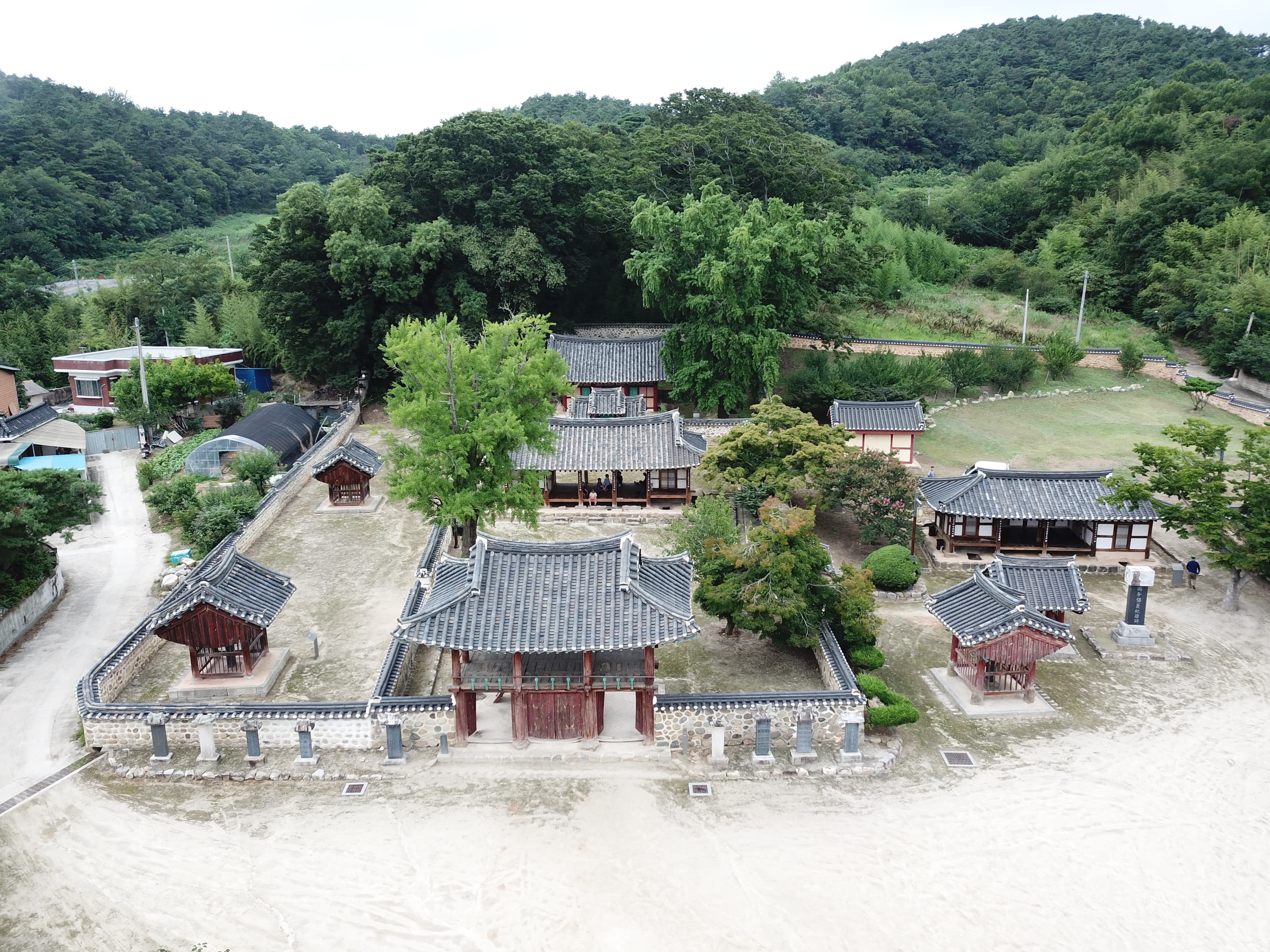
Museong Seowon
Jeongeup, Jeollabuk-do, South Korea
Museong Seowon is not isolated in a dramatic mountain retreat. It sits close to Wonchon village, where houses, lanes, ginkgo trees, fields, and an academy share daily...
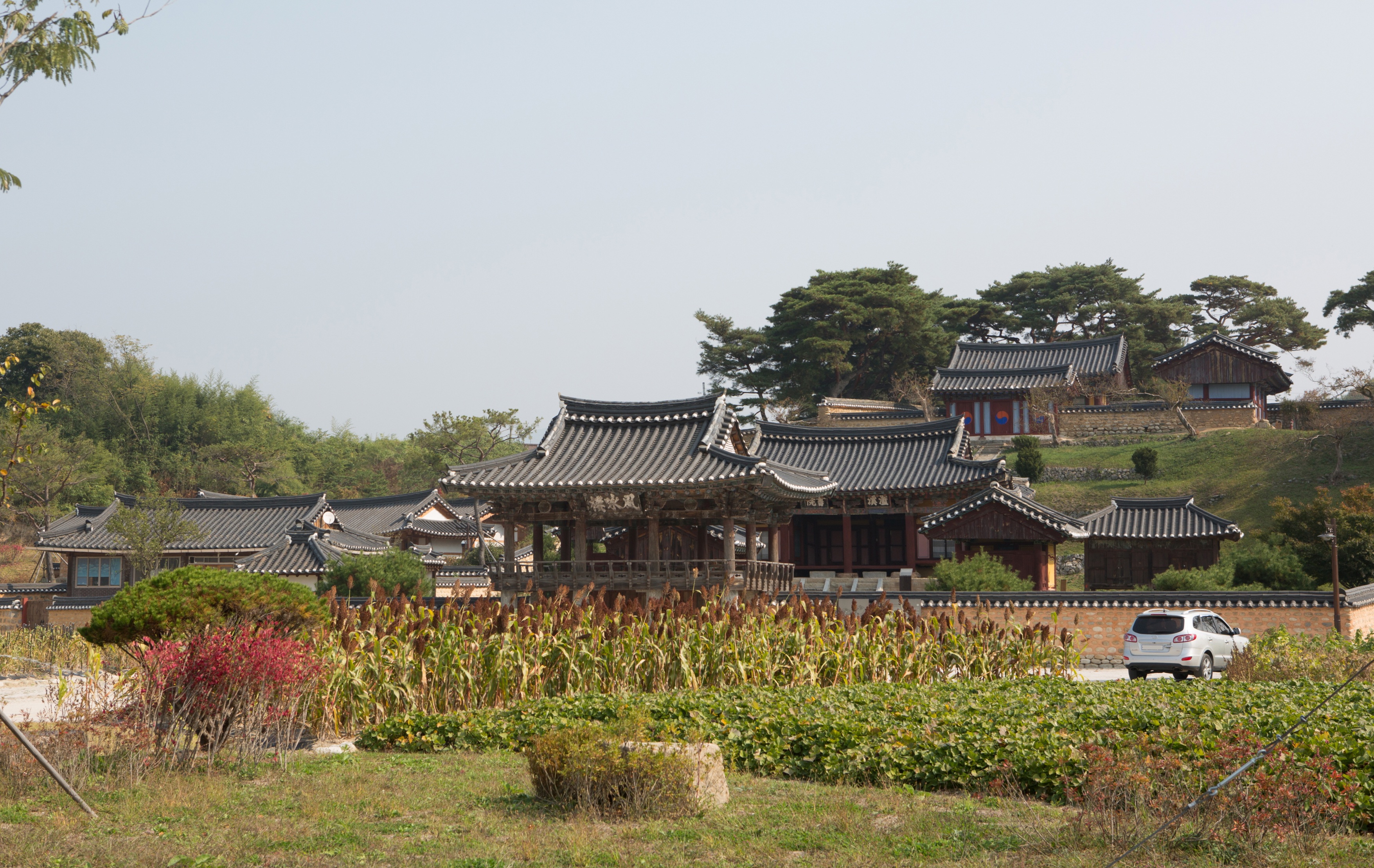
Namgye Seowon
Hamyang, Gyeongsangnam-do, South Korea
Namgye Seowon matters not because it is the largest academy, but because its 1552 arrangement clarified a pattern others adapted....
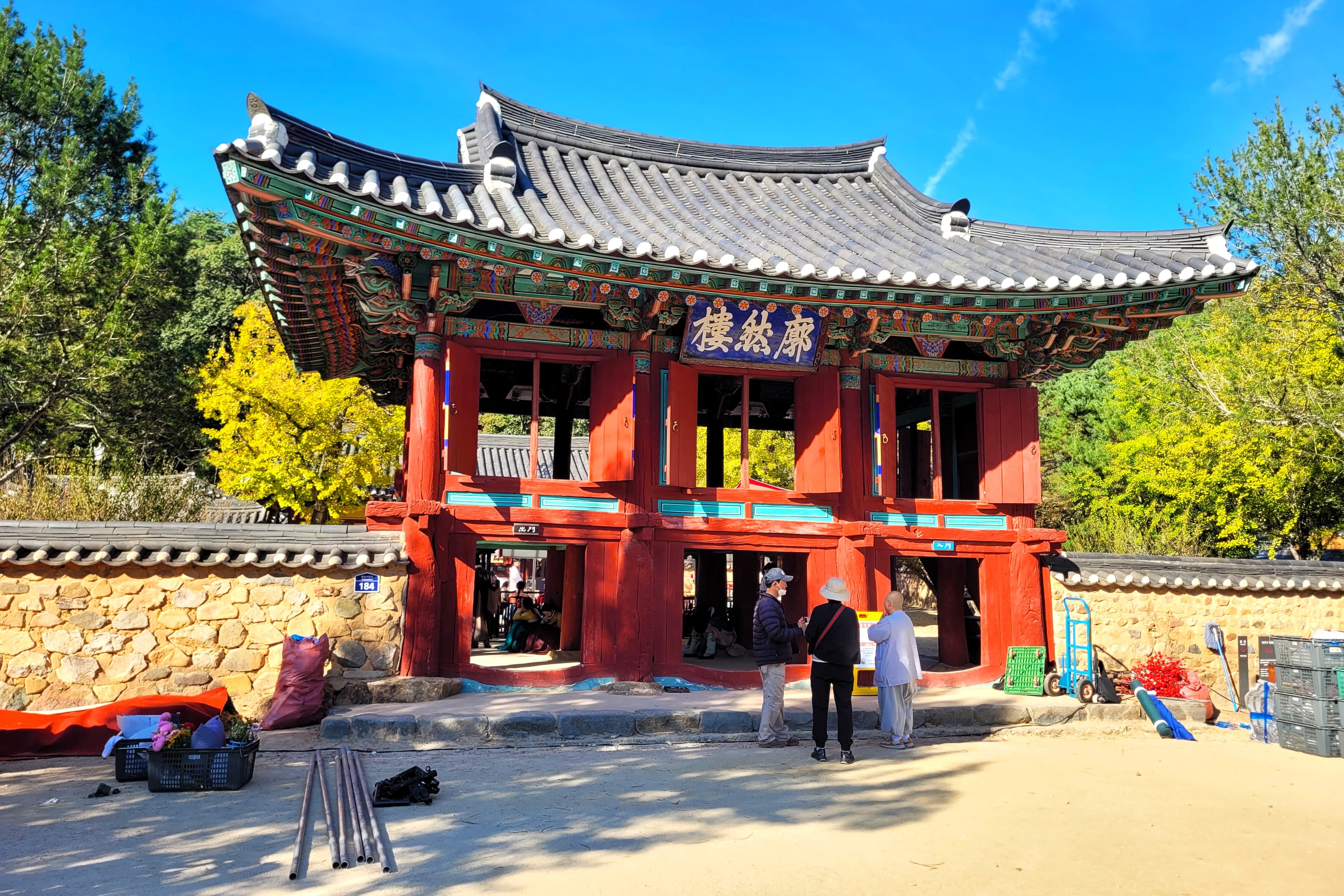
Piram Seowon
Jangseong-gun, Jeollanam-do, South Korea
Piram Seowon centers the scholarship and moral example of Kim In-hu, a sixteenth-century Neo-Confucian teacher associated with rigorous reading of Great Learning....
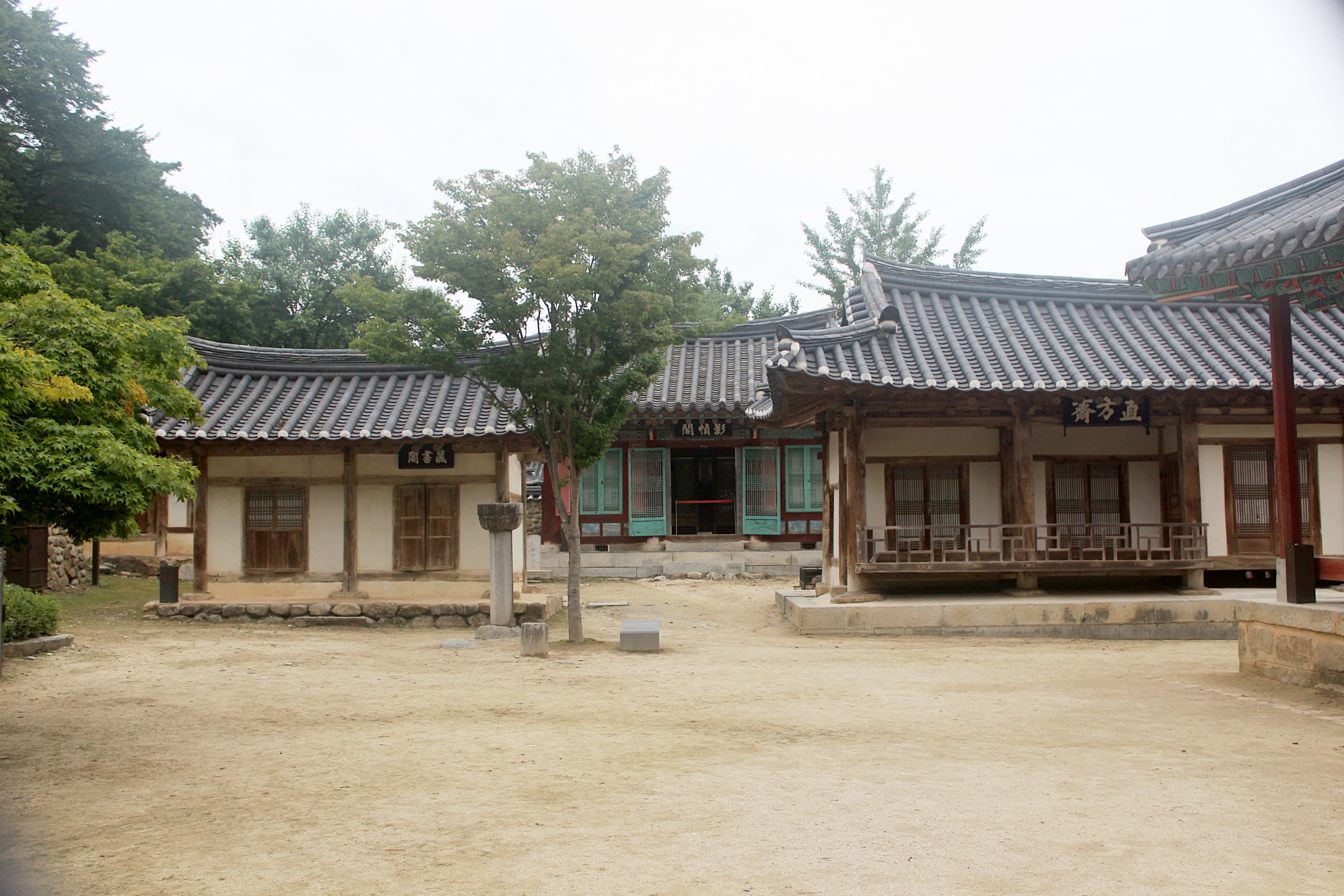
Sosu Seowon
Yeongju, Gyeongsangbuk-do, South Korea
Sosu Seowon is sacred within Korean Neo-Confucian practice because education and veneration were designed as one moral discipline....
Key questions
Korean Neo-Confucianism sacred-site questions
What are Korean Neo-Confucianism sacred sites?
Korean Neo-Confucianism sacred sites are places connected by shared lineage, practice, memory, ritual use, or pilgrimage tradition.
Where can I find Korean Neo-Confucianism sacred sites?
The strongest country clusters in this guide include South Korea.
What kinds of places are included?
The guide includes sacred landscapes, pilgrimage places, and ritual or historical sites where available.
Can I map Korean Neo-Confucianism sacred sites?
Yes. Compare country clusters and physical forms first, then open individual pages for coordinates, historical context, and visitor guidance.