Byeongsan Seowon
Ryu Seong-ryong’s memorial academy facing mountain and river
Understand sacred places, explore living traditions, and learn how to engage respectfully with Pilgrim Map.
Access has not been verified. Check current local guidance before planning a visit.
Andong, Gyeongsangbuk-do, South Korea
Read the sources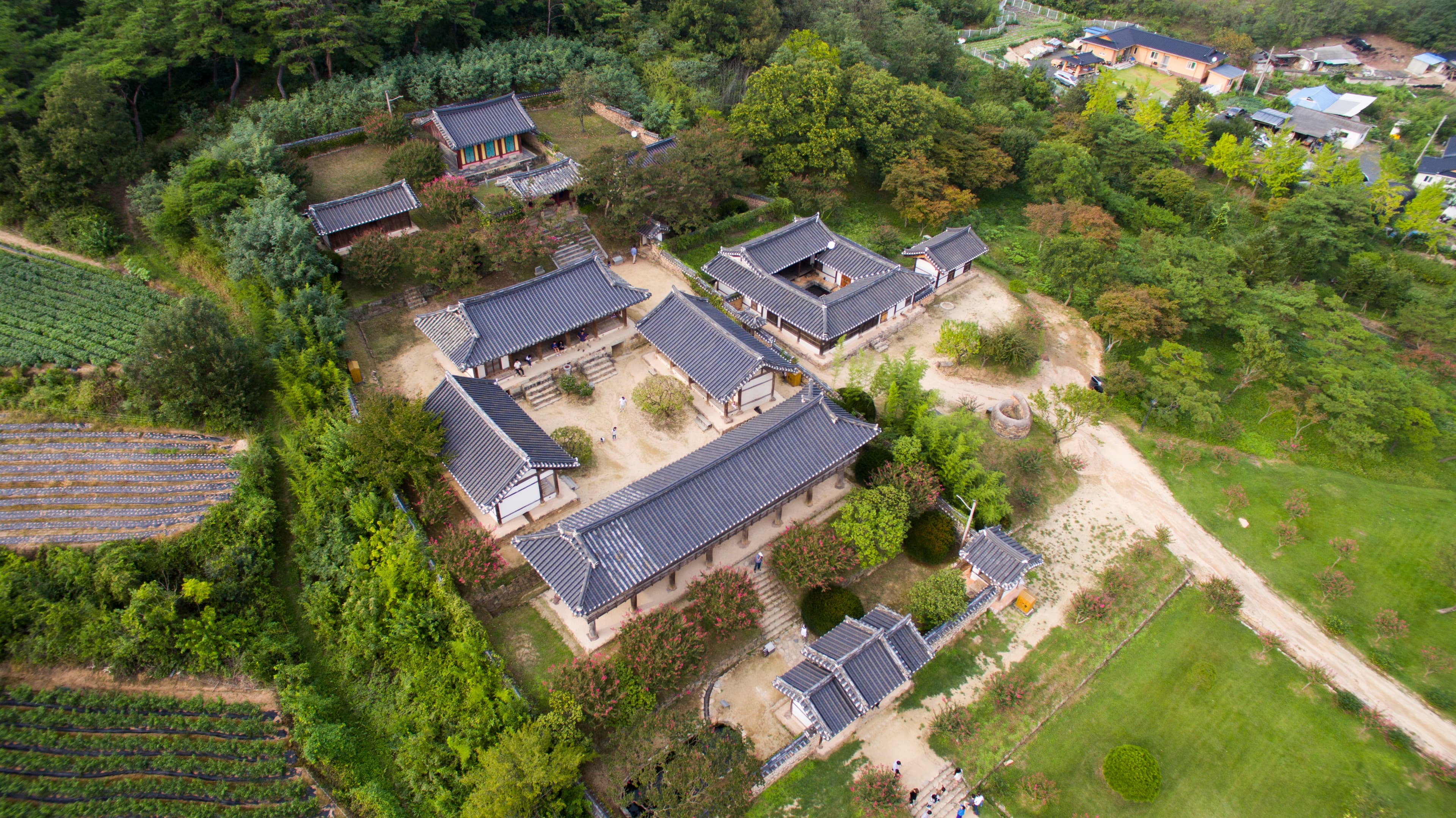
Byeongsan Seowon in Andong, North Gyeongsang, South Korea. Image source · CC BY-SA 4.0
Visit essentials
A quick read before you go
- Duration
- Allow a calm, condition-aware visit.
- Access
- Prepare for the exact route described above.
Overview
The institution developed from Pungak Seodang, which Ryu Seong-ryong moved to this riverside setting. After his death, local literati established a shrine, and the complex took the Byeongsan name from the mountain rising like a folding screen across the water. Royal recognition followed in 1863. This history distinguishes the academy from nearby Hahoe Village even though the two share Ryu family and World Heritage contexts. Their data, entrances, and practical information must not be merged.
Why this place is sacred
Current heritage interpretation identifies Ryu Seong-ryong at the center of Jondeoksa and Ryu Jin nearby. Chunchuhyangsa is conducted in the third and ninth lunar months, and the described rite includes a final collective check for errors before completion. That detail makes humility part of observance: even practiced officiants examine whether form and intention aligned. Visitors should not label this a show, a generic ancestor ceremony, or worship of an abstract Confucian deity.
Original function follows the cited authorities.
Material continuity is not presumed.
Experience and orientation
Mandaeru’s rough posts frame Byeongsan Mountain and the Nakdong River, making borrowed scenery part of the educational environment. Students rested, composed poetry, conversed, and returned to study from this open pavilion. Landscape interaction is an inscribed attribute, yet it does not make the academy a natural World Heritage site. Mountain, water, architecture, and thought work together historically. Claims about energy lines, healing views, or supernatural effects were not supported by the authoritative sources.
Use the verified public approach.
Context and lineage
The academy’s learning history extends beyond quiet reading. Records describe intensive study and debate over canonical texts, and its community participated in public petition. Ryu Seong-ryong’s Jingbirok preserves reflection on war and governance. A grounded visitor practice is to hold the pavilion view beside one difficult historical question: how should knowledge guide action during crisis? The question suits this place, but any answer remains the visitor’s work rather than a revelation guaranteed by the scenery.
Korean Neo-Confucianism
Traditions and practice
Move slowly through Bokryemun and keep Mandaeru’s circulation open. Do not climb closed stairs, sit on protected thresholds, handle signboards, or enter the shrine without permission. During memorial rites, remain outside the working ritual space and follow officiants’ directions. Photography of buildings may be allowed, but faces, prayer, tablets, archival material, and ceremonies require additional care. The riverbank and fields are part of a managed cultural landscape; stay on public paths and respect neighboring residents.
Current use remains custodian-led.
Attend quietly before drawing conclusions.
Korean Neo-Confucianism
ActiveSacred meaning follows the documented local tradition.
Practice remains governed by present custodians.
Perspectives and open questions
Several disciplines illuminate this sacred place.
Scholarly perspective
Byeongsan can be read through ritual studies, architecture, wartime history, education, public ethics, and landscape design. UNESCO dossier 1498 treats it as one component of the nine-academy serial property; it should never inherit the identity of the whole series. No named modern pilgrimage was established and no metaphysical claim met the inclusion rule. Its spiritual force is a cultural judgment grounded in continuing veneration, study, and the discipline of looking outward before acting.
The Google candidate website byeongsan.net timed out during this research and is not promoted as official. Andong City’s exact page is used instead for current access. This distinction prevents a strong Places identity from silently converting an unverified URL into a site-controlled authority.
Living and traditional perspectives
Community meanings retain their own authority.
Open questions
Unsupported effects remain explicitly unverified.
Plan your visit
Access and arrival
Prepare for the exact route described above.
No lodging claim was researched.
Respectful visit
Dress for dignity and terrain.
Ask before recording people or ritual.
Use authorized channels only.
Obey every closure and barrier.
Do not invent or imitate rites.
Current practical details
Address
386 Byeongsan-gil, Pungcheon-myeon, Andong, Gyeongsangbuk-do, South Korea
Phone
Hours
Hours, fees, and access can change — verify on the official source before you travel. Practical details last checked Jul 2026.
Location
Map loads as you approach this section.
Pilgrim reflections
A portrait of encounter, not a score
Pilgrims describe what they felt, how present they could become, and whether the place would shape a journey. There are no stars and no ranking of traditions.
No reviewed reflections yet
The first pilgrims can help describe the character of being here.
Share a reflection
Available after an account-backed “Been there.” Every reflection is reviewed before publication.
Nearby sacred places
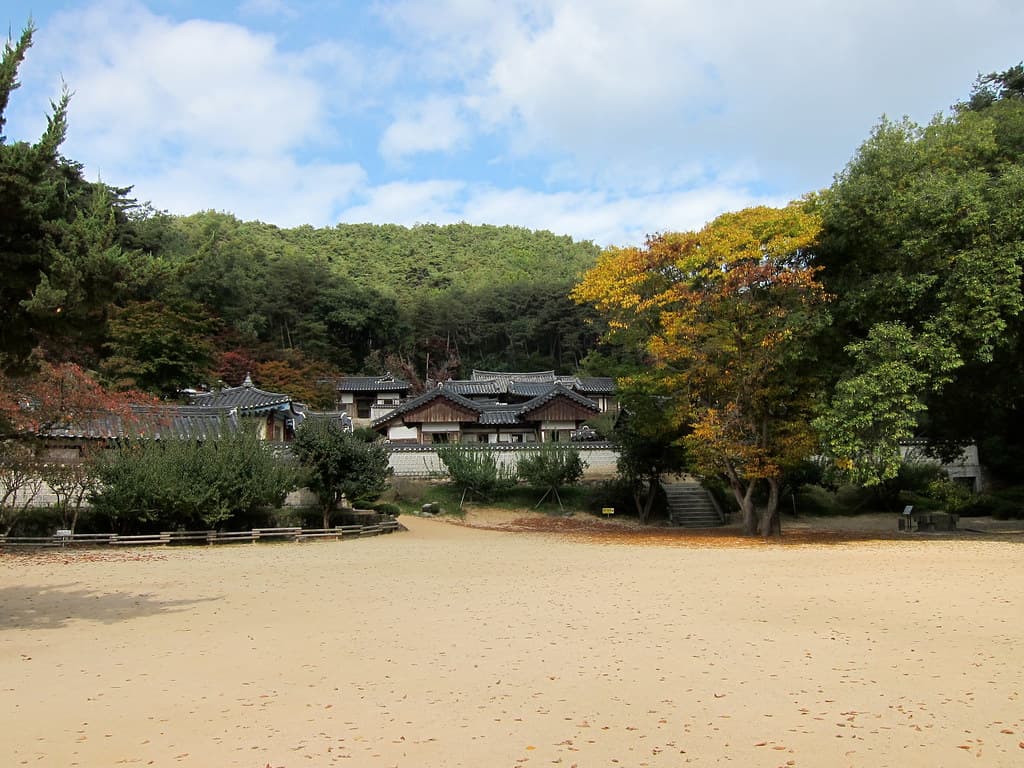
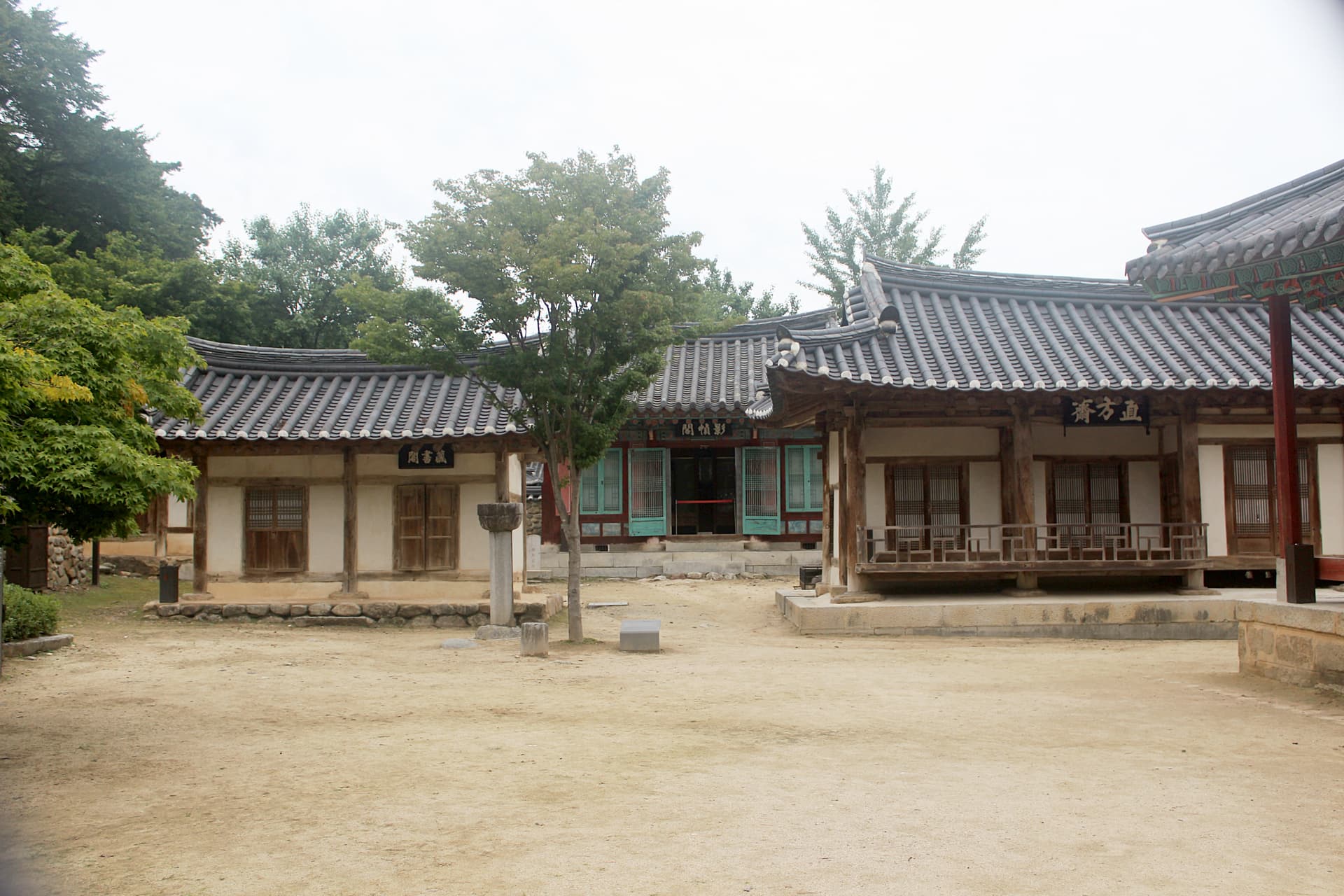
Explore other sacred places in the region. Proximity does not establish access or travel time; check each place’s guidance.


References
Sources consulted for this page. Source categories describe the publication, not a guarantee that every claim is verified. Traditional accounts and outside interpretations may differ.
- 01Seowon, Korean Neo-Confucian Academies — UNESCO World Heritage CentreofficialSerial-property scope, landscape interaction, component identity, and inscription year.
- 02Seowon, Korean Neo-Confucian Academies — nomination dossier — Republic of Korea / UNESCO World Heritage CentreofficialExact Byeongsan component history, Ryu Seong-ryong lineage, Mandaeru, ritual, learning, and landscape.
- 03Byeongsanseowon — World Heritage Integrated Management Center for Korean SeowonofficialExact targets Ryu Seong-ryong and Ryu Jin, annual rites, academy curriculum, Mandaeru, and documentary heritage.
- 04Byeongsan Seowon Confucian Academy — Andong CityofficialOfficial exact address, phone, seasonal hours, free admission, protected status, and target figures.
- 05The Road of Seowon — Andong Byeongsan Seowon — Korea Heritage AgencyofficialExact current visitor and architectural interpretation, Mandaeru borrowed scenery, and target figures.
- 06Byeongsanseowon Confucian Academy — Google Maps place record — GoogleSource contextExact strong identity and current address, coordinates, telephone, hours, candidate website, and operational status.
Share a photo
Help visitors recognize Byeongsan Seowon. Every submission is reviewed before publication.