Donam Seowon
A Nonsan academy where propriety becomes study, space, and rite
Understand sacred places, explore living traditions, and learn how to engage respectfully with Pilgrim Map.
Access has not been verified. Check current local guidance before planning a visit.
Nonsan, Chungcheongnam-do, South Korea
Read the sources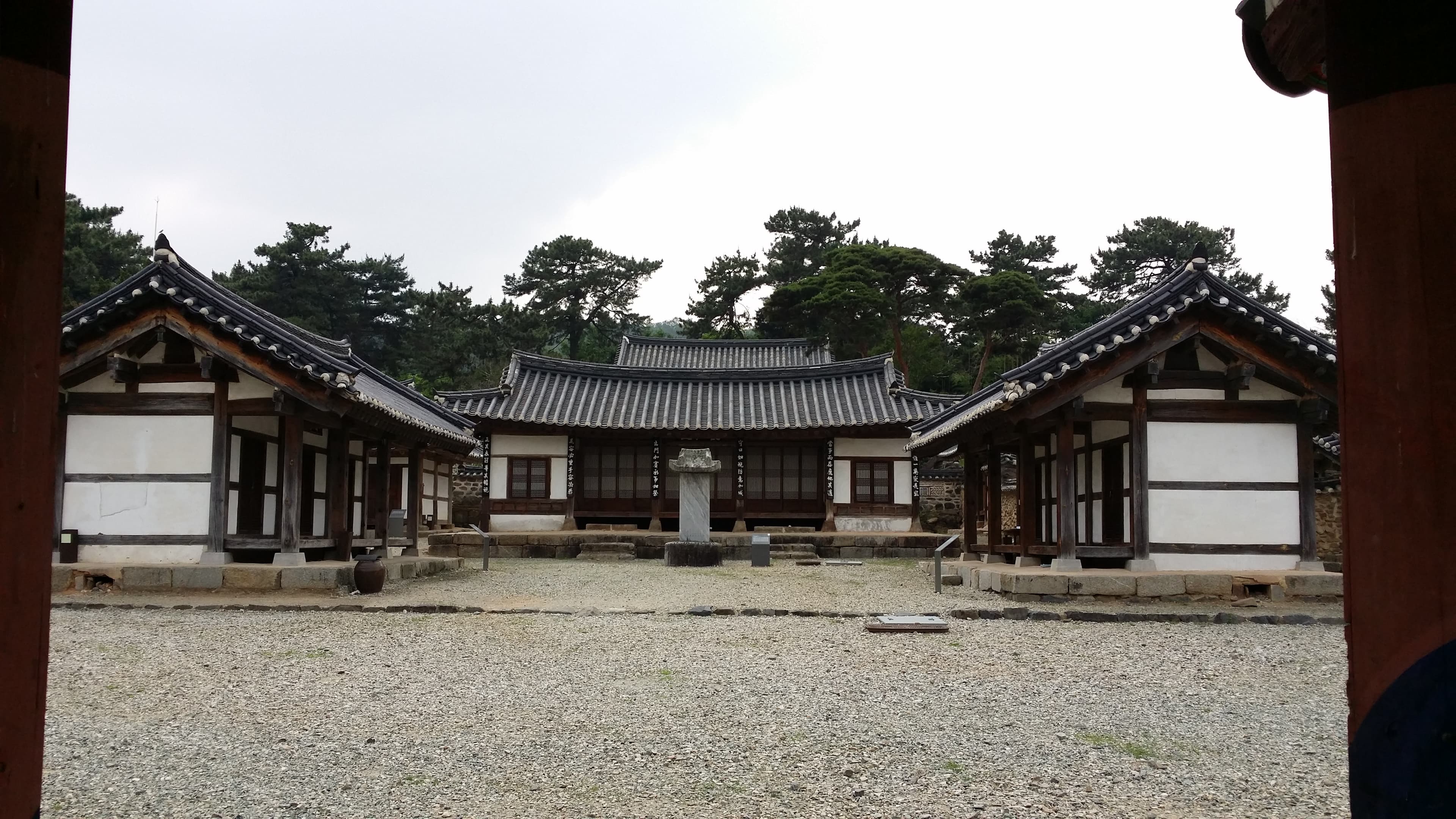
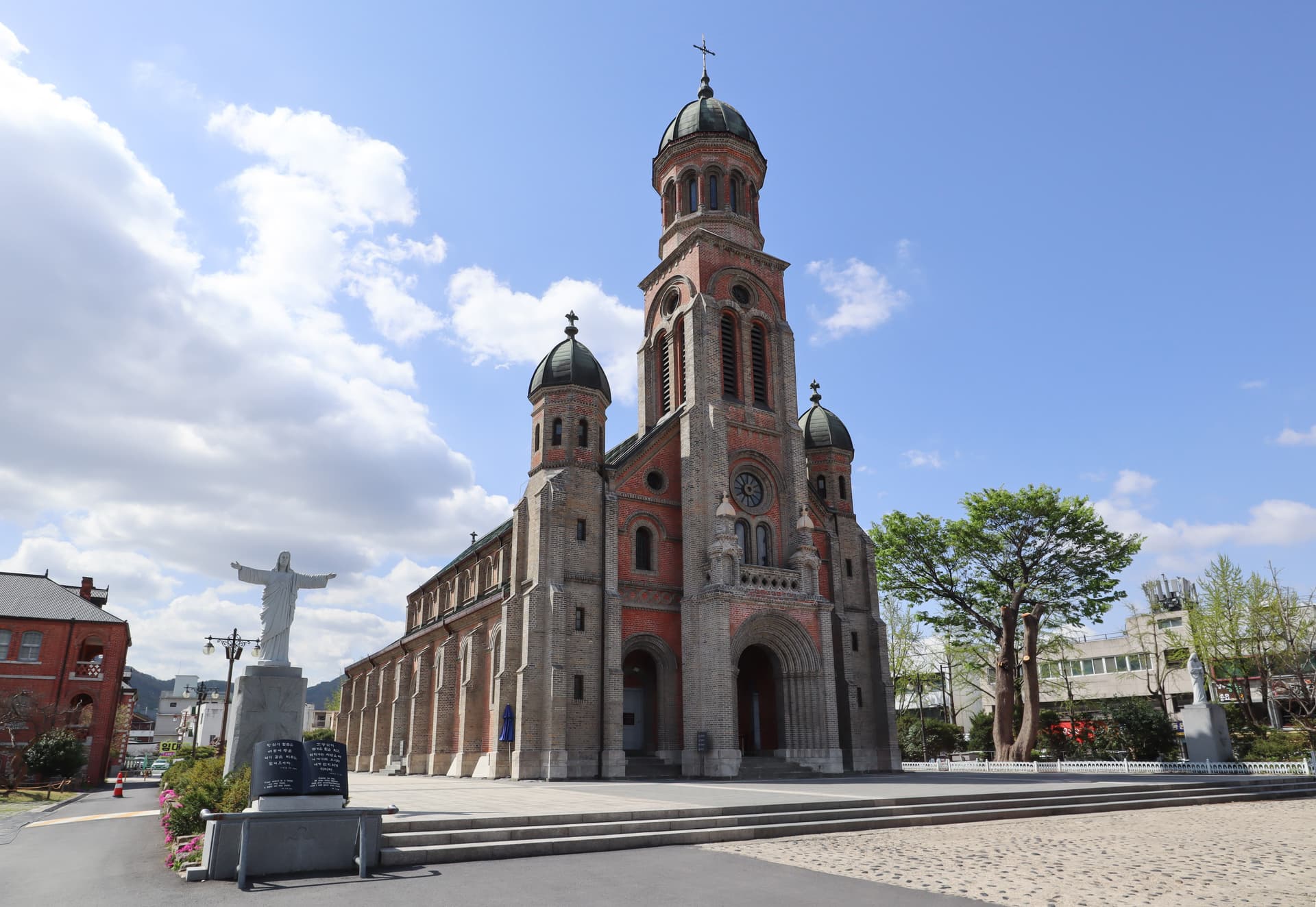
Donam Seowon in Nonsan, South Chungcheong, South Korea. Image source · CC BY-SA 3.0
Visit essentials
A quick read before you go
- Duration
- Allow a calm, condition-aware visit.
- Access
- Prepare for the exact route described above.
Overview
Students and local literati founded Donam in 1634, three years after Kim Jang-saeng’s death. The academy later received royal recognition and was moved from its earlier site in the late nineteenth century. UNESCO’s dossier treats relocation records and traditional building knowledge as part of the component’s authenticity. The present precinct therefore contains continuity of institution and practice without claiming that every structure stands on its first footprint or dates from one building campaign.
Why this place is sacred
Chunchuhyangsa is held in the second and eighth lunar months. Before veneration, a royal-associated inkstone is used when preparing the ritual text, and the objects are otherwise kept safely stored. The procedure gives material form to care, consent, and correct sequence. It should not be trivialized as empty formality. At the same time, the page does not claim that exact ritual performance guarantees virtue; yehak sets a discipline through which conduct is examined.
Original function follows the cited authorities.
Material continuity is not presumed.
Experience and orientation
Eungdodang is a wide lecture hall associated with active question-and-answer learning rather than passive memorization. The flower wall around Sungnyesa carries concise ethical teachings about broad learning, humility, accommodation, and gentle conduct. Sanangnu, the prominent front pavilion, is a modern construction from 2006 and must not be presented as Joseon fabric. Distinguishing old, moved, and recent structures allows the academy’s living use to be described without manufacturing architectural continuity.
Use the verified public approach.
Context and lineage
A visitor can work with the site’s central question by choosing one rule of courtesy and testing whether it serves another person rather than personal display. Observe how the teaching hall, shrine, walls, and thresholds organize different kinds of attention. Read the flower-wall maxims as instructions for conduct, not decorative slogans. This practice remains personal reflection; the academy does not promise moral purification, social harmony, or contact with the venerated scholars.
Korean Neo-Confucianism
Traditions and practice
Give memorial observances and educational programs priority. Stay outside Sungnyesa when closed, avoid touching plaques, woodblocks, ritual objects, or decorated walls, and never reproduce a rite without invitation. Ask before photographing participants, people with disabilities in current programs, or family-ritual activities. Modern community use is not less serious because the site is historic. Follow staff instructions, use designated paths, and do not assume that a quiet courtyard is available for private staging.
Current use remains custodian-led.
Attend quietly before drawing conclusions.
Korean Neo-Confucianism
ActiveSacred meaning follows the documented local tradition.
Practice remains governed by present custodians.
Perspectives and open questions
Several disciplines illuminate this sacred place.
Scholarly perspective
Donam can be approached through ethics, ritual studies, education, architecture, social history, and current inclusion programs. Those frames are strongest when they acknowledge that propriety has been debated and adapted, not frozen. UNESCO status belongs to Donam as one component of dossier 1498. No modern pilgrimage route or prevalent metaphysical effect was established. The site’s documented spirituality is the continuing effort to align learning, ceremonial care, and conduct toward others.
The Nonsan academy must not be confused with the different Donam Seowon in Sangju, which venerates another set of scholars. Exact address, four shrine targets, coordinates, yehak lineage, and UNESCO component identity all belong together. Namesake content or images would be a critical identity error.
Living and traditional perspectives
Community meanings retain their own authority.
Open questions
Unsupported effects remain explicitly unverified.
Plan your visit
Access and arrival
Prepare for the exact route described above.
No lodging claim was researched.
Respectful visit
Dress for dignity and terrain.
Ask before recording people or ritual.
Use authorized channels only.
Obey every closure and barrier.
Do not invent or imitate rites.
Current practical details
Address
26-14 Im 3-gil, Yeonsan-myeon, Nonsan, Chungcheongnam-do, South Korea
Phone
Hours
Hours, fees, and access can change — verify on the official source before you travel. Practical details last checked Jul 2026.
Location
Map loads as you approach this section.
Pilgrim reflections
A portrait of encounter, not a score
Pilgrims describe what they felt, how present they could become, and whether the place would shape a journey. There are no stars and no ranking of traditions.
No reviewed reflections yet
The first pilgrims can help describe the character of being here.
Share a reflection
Available after an account-backed “Been there.” Every reflection is reviewed before publication.
Nearby sacred places
Explore other sacred places in the region. Proximity does not establish access or travel time; check each place’s guidance.
References
Sources consulted for this page. Source categories describe the publication, not a guarantee that every claim is verified. Traditional accounts and outside interpretations may differ.
- 01Seowon, Korean Neo-Confucian Academies — UNESCO World Heritage CentreofficialSerial-property identity, essential functions, and 2019 inscription.
- 02Seowon, Korean Neo-Confucian Academies — nomination dossier — Republic of Korea / UNESCO World Heritage CentreofficialExact Donam component foundation, relocation, yehak, Eungdodang, records, and shrine.
- 03Donamseowon — World Heritage Integrated Management Center for Korean SeowonofficialExact four venerated figures, current lunar-month rites, yehak, ritual objects, architecture, and management context.
- 04Donam Seowon — Donam SeowonofficialExact custodian-facing site for current programs, address, telephone, closure notices, and community activity.
- 05Baekje Ancient Capital Route — Donam Seowon — Korea Heritage AgencyofficialExact history, target Kim Jang-saeng, official seasonal hours, access, and architectural context.
- 06Donamseowon Confucian Academy — Google Maps place record — GoogleSource contextExact strong identity and current address, coordinates, telephone, hours, candidate website, and operational status.
Share a photo
Help visitors recognize Donam Seowon. Every submission is reviewed before publication.