Regional sacred-site guide
Sacred sites in Tibet Autonomous Region
Explore 15 sacred places in Tibet Autonomous Region, china, with a regional map and links to detailed site guides.
Explore Tibet Autonomous Region, china by facet
Traditions
Veneration
Showing 1-15 of 15 sites in this regional guide

Drak Yerpa
Lhasa, Tibet Autonomous Region, China
Drak Yerpa is a limestone cliff amphitheater northeast of Lhasa containing 108 meditation caves sanctified by twelve centuries of contemplative practice....
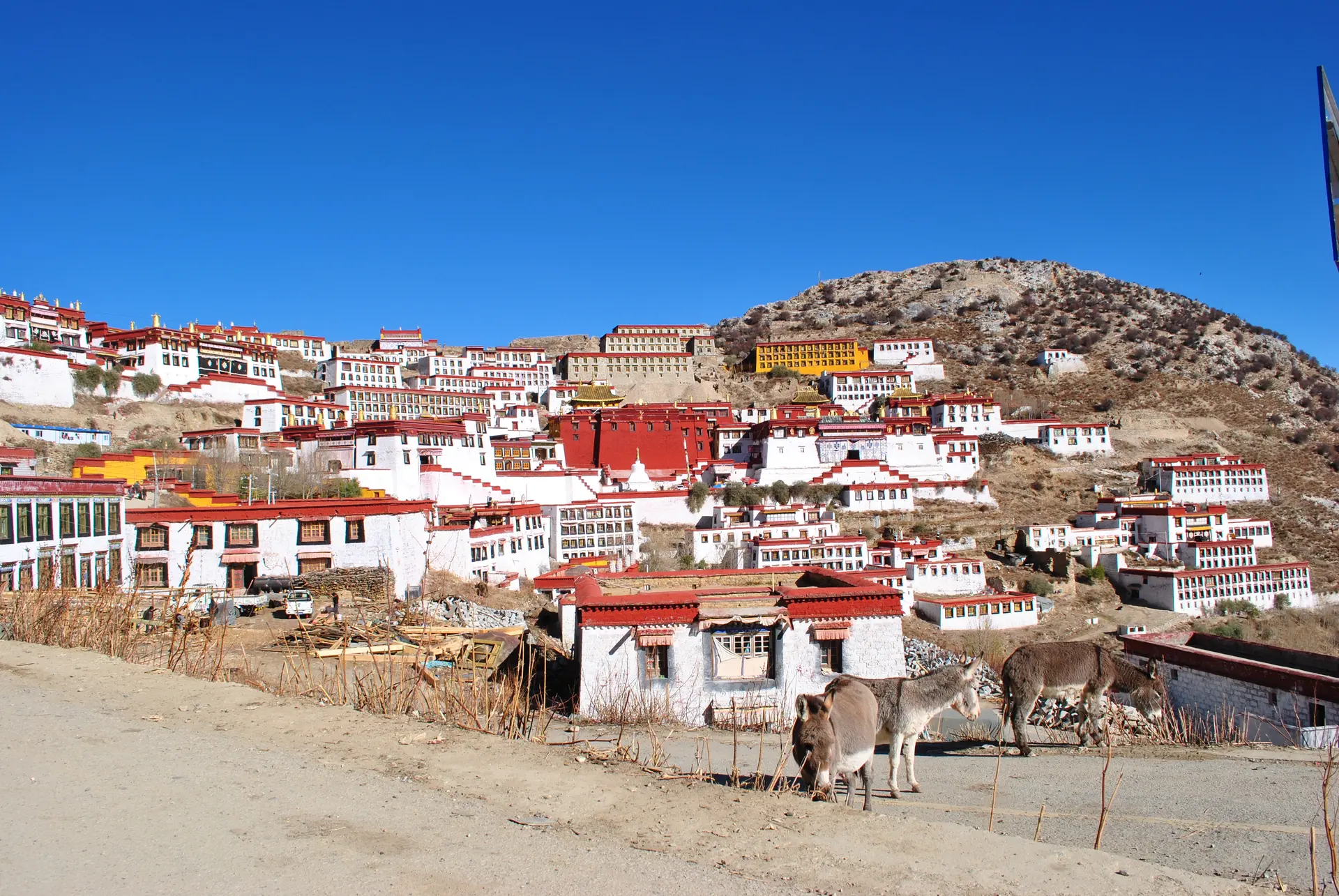
Ganden Monastery
Lhasa, Tibet Autonomous Region, China
Ganden Monastery, founded by Tsongkhapa in 1409 on a mountain ridge east of Lhasa, is the mother monastery of the Gelug school — the largest institution in Tibetan...
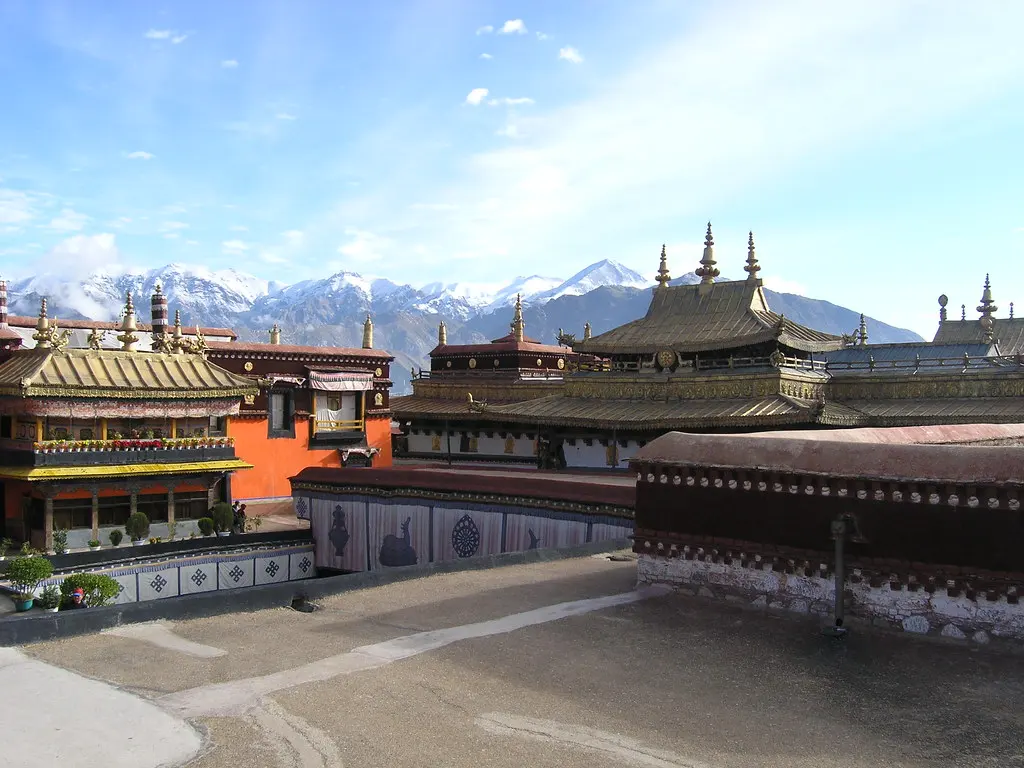
Jokhang Temple
Chengguan District, Tibet Autonomous Region, China
For nearly fourteen hundred years, Jokhang Temple has stood at the center of Tibetan Buddhism, housing what is believed to be the most sacred Buddha image in existence....
Lake Lhamo Latso
Cêqu township, Tibet Autonomous Region, China
Lhamo La-tso is a sacred lake in southern Tibet associated with Palden Lhamo, a protector of the Dalai Lama lineage....
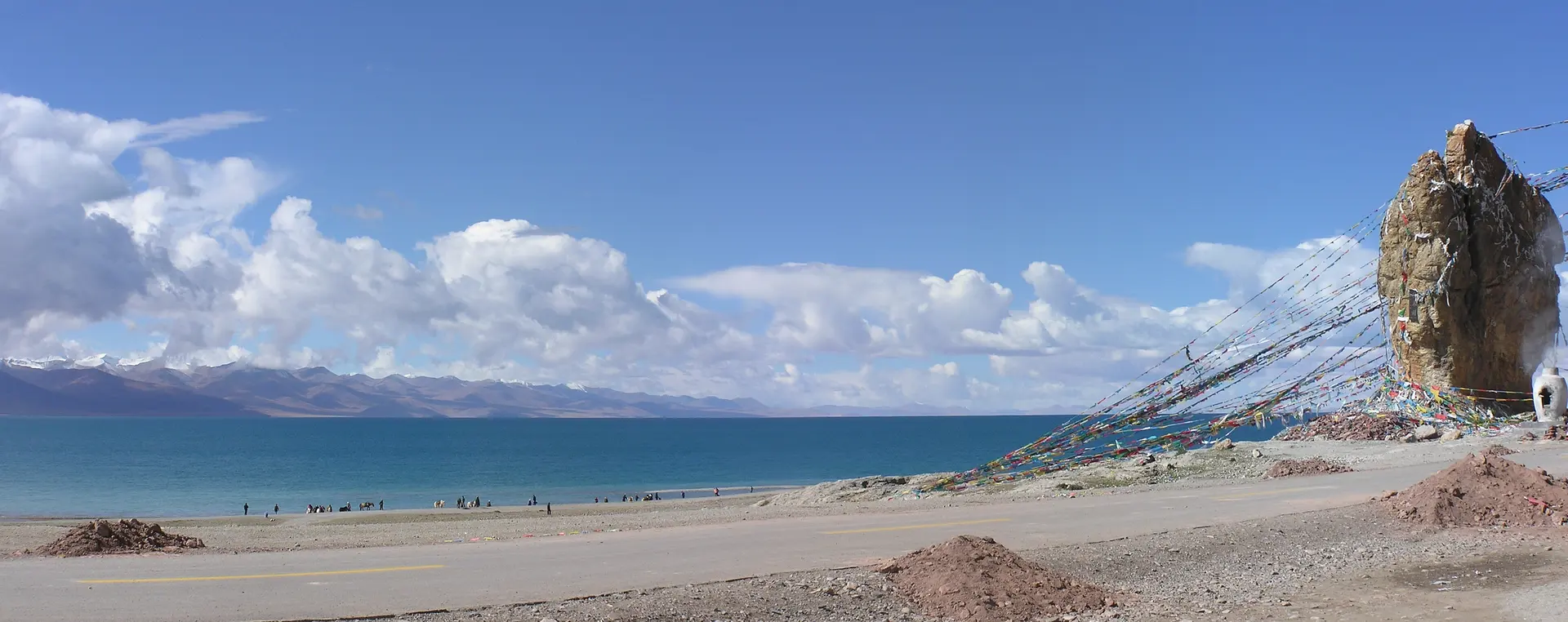
Lake Nam Tso
Baingoin County, Tibet Autonomous Region, China
Namtso is a Tibetan sacred lake whose religious landscape extends beyond a single viewpoint....
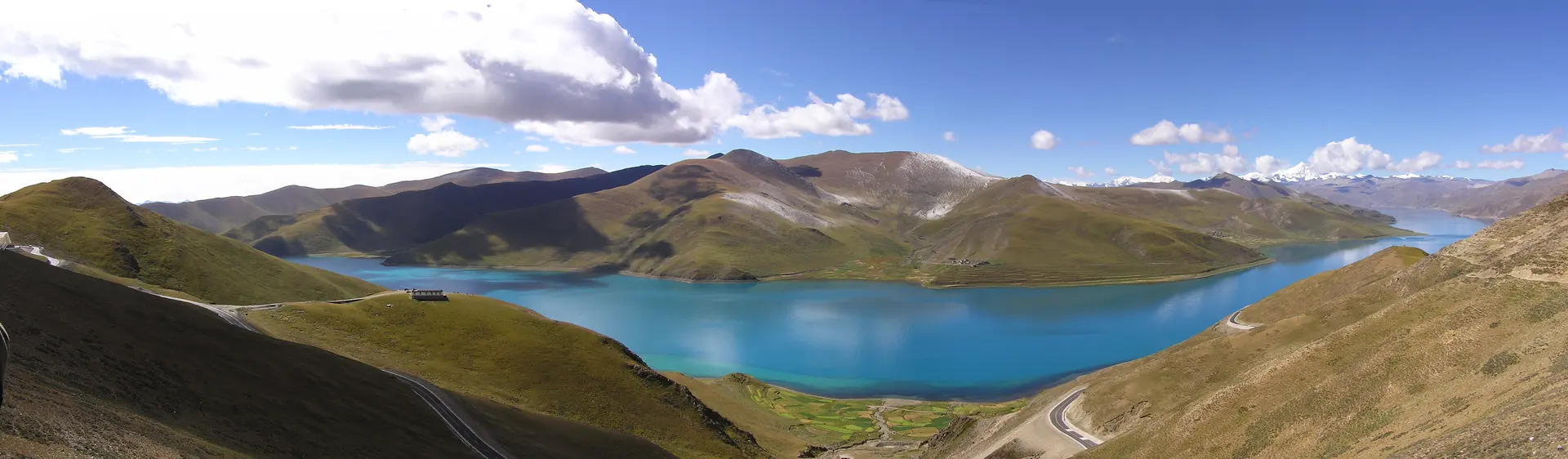
Lake Yamzho Yumco
Ngarzhag, Tibet Autonomous Region, China
Yamdrok Yumtso belongs to a Tibetan sacred landscape in which a lake can be understood as the presence of a goddess....

Mt. Kailash
Darchen, Tibet Autonomous Region, China
Mount Kailash rises 6,638 meters from the Tibetan plateau—four sheer faces matching the four cardinal directions, standing in geometric solitude that seems more...

Mt. Meili Xue
Zogang County, Tibet Autonomous Region, China
Kawagebo, the 6,740-meter summit of the Meili Snow Mountains on the Yunnan-Tibet border, is the highest unclimbed peak over 6,000 meters in the world....

Mt. Targo and Lake Dangra
Targo, Tibet Autonomous Region, China
Mount Targo and Lake Dangra, also called Tangra Yumco, form a paired sacred landscape in Upper Tibet. This page keeps the existing mountain-and-lake identity together....

Potala Palace
Chengguan District, Tibet Autonomous Region, China
The Potala Palace rises 117 meters above the Lhasa Valley on the Red Hill, named for Avalokiteshvara's mythical abode, Mount Potalaka....

Sakya
Tashigang, Tibet Autonomous Region, China
Sakya Monastery is the seat of the Sakya school of Tibetan Buddhism, one of the four major schools, founded in 1073 by the Khon family, who trace their ancestry to...

Samye
Samye, Tibet Autonomous Region, China
Samye is where Buddhism became institutionally rooted in Tibet, the place where a religion became a civilization....

Tashilhunpo
城西街道, Tibet Autonomous Region, China
Tashilhunpo Monastery rises from the slopes of Niseri Hill in Shigatse, a 37-acre compound of gilded rooftops and whitewashed walls that has served as the seat of the...
Terdrom Sacred Hot Spring
Maizhokunggar, Tibet Autonomous Region, China
Terdrom’s hot spring and nunnery stand below a Tibetan valley of retreat caves.

Toling
Tsamda County, Tibet Autonomous Region, China
Toling Monastery stands in the surreal Zanda Earth Forest of western Tibet, nearly 1,200 kilometers from Lhasa....
Key questions
Tibet Autonomous Region sacred-site questions
How many sacred sites are listed in Tibet Autonomous Region?
This regional guide currently includes 15 sacred sites in Tibet Autonomous Region, china.
Which traditions are represented in Tibet Autonomous Region?
The most represented traditions in the current guide include Buddhism, Hinduism, Tibetan Buddhism.
Can I view Tibet Autonomous Region sacred sites on a map?
Yes. Switch to map view to compare the listed places, then open a site page for coordinates and visiting context.