Country guide
china
china brings together sacred architecture, pilgrimage traditions, and landscapes shaped by memory, ritual, and local devotion.
1 sacred site across 23 regions. Use the tradition links to narrow in.
Browse by region
Explore china region by region
Open a regional guide to see its sacred sites, traditions, and map.
Explore china by facet
Refine the atlas
Related china guides
Showing 1-48 of 53 sites in this country guide
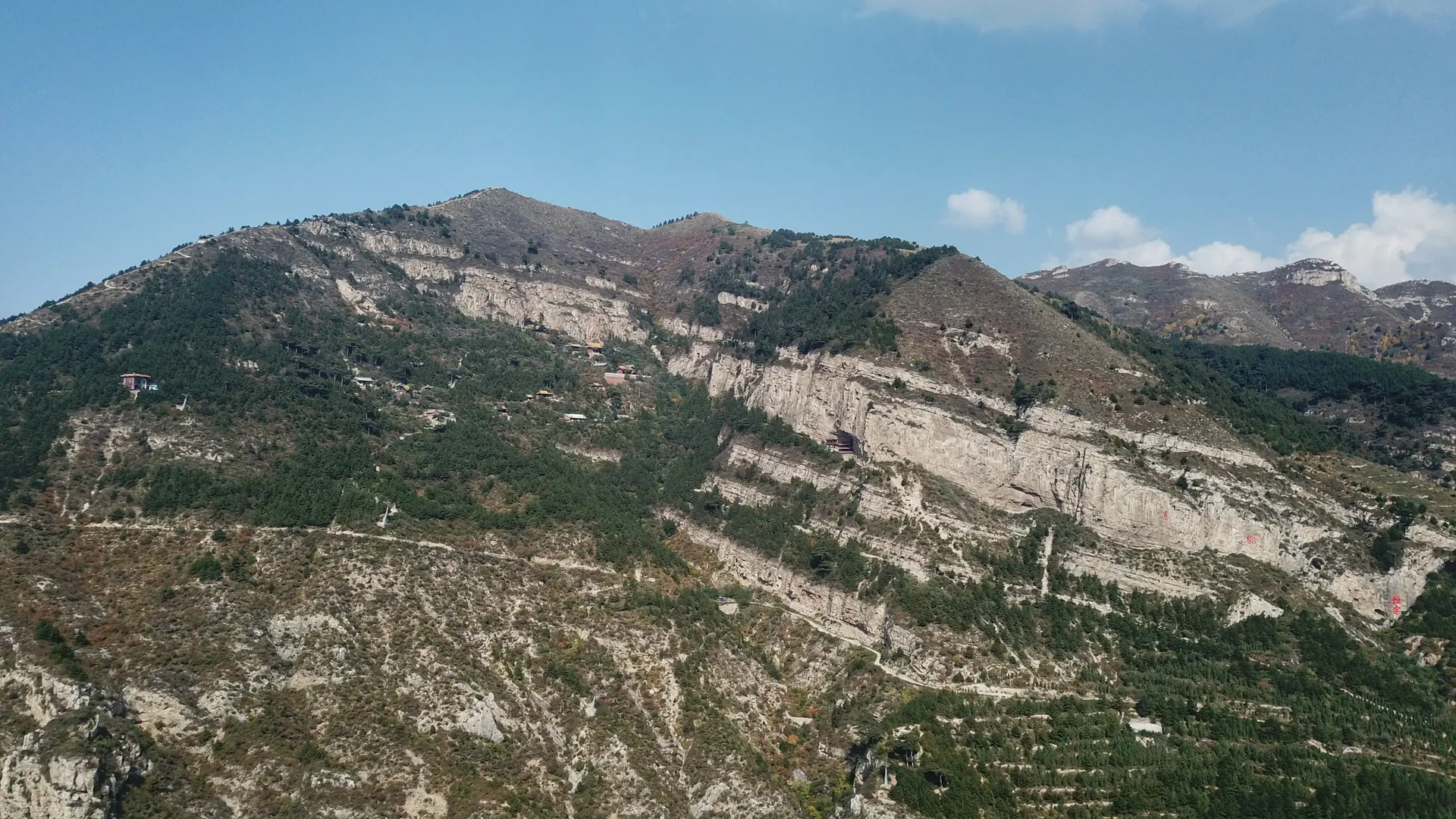
Beiyue Hengshan Mountain
Datong, Shanxi, China
Mount Heng in Shanxi is the northern mountain of China's Five Great Mountains. It is a separate sacred landscape from Mount Heng in Hunan....

Drak Yerpa
Lhasa, Tibet Autonomous Region, China
Drak Yerpa is a limestone cliff amphitheater northeast of Lhasa containing 108 meditation caves sanctified by twelve centuries of contemplative practice....
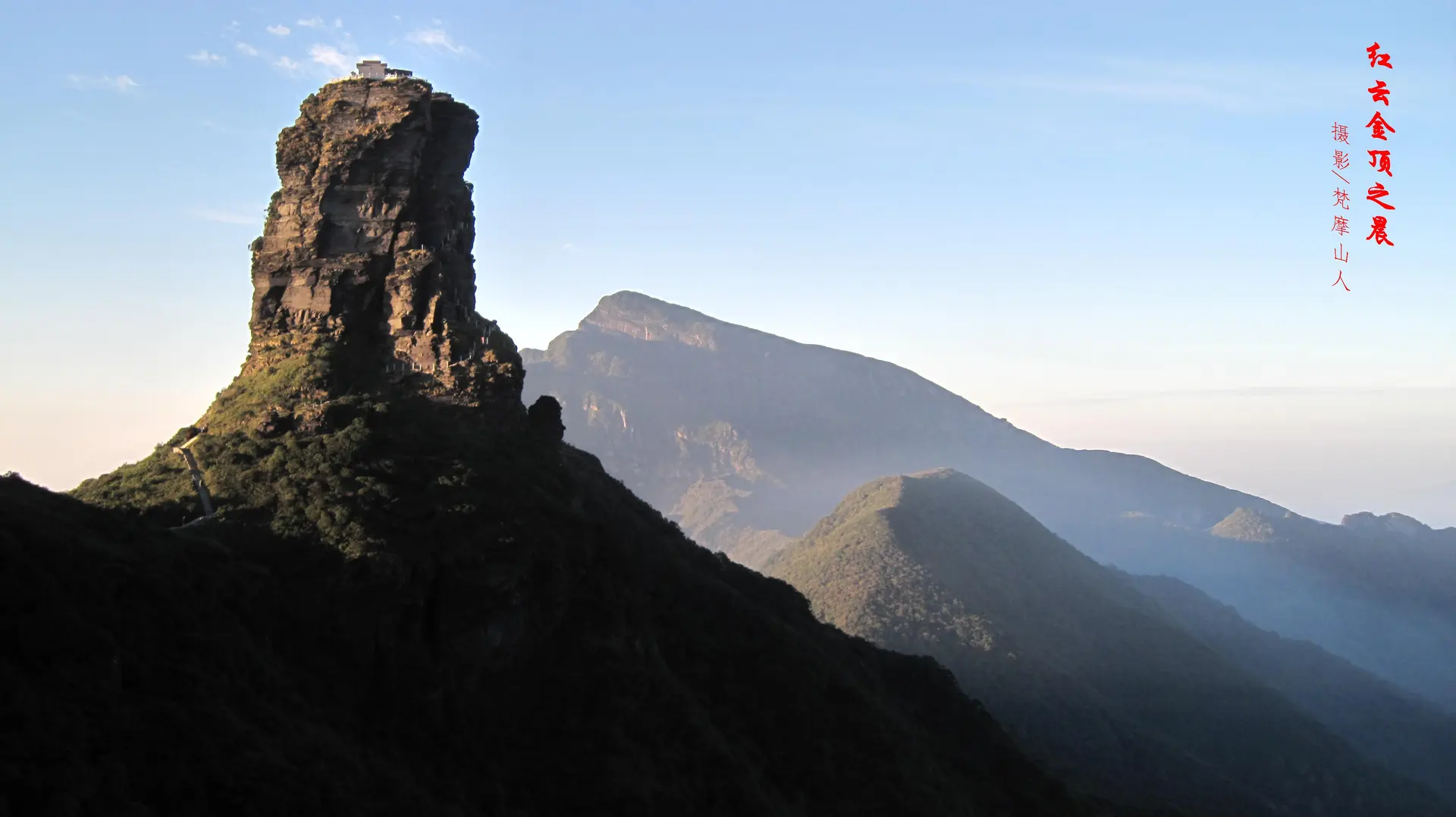
Fanjingshan mountain and temple, Tongren
Tongren, Guizhou, China
Rising from the primordial forests of Guizhou, Fanjingshan is China's Fifth Sacred Buddhist Mountain and the earthly throne of Maitreya, the Buddha yet to come....
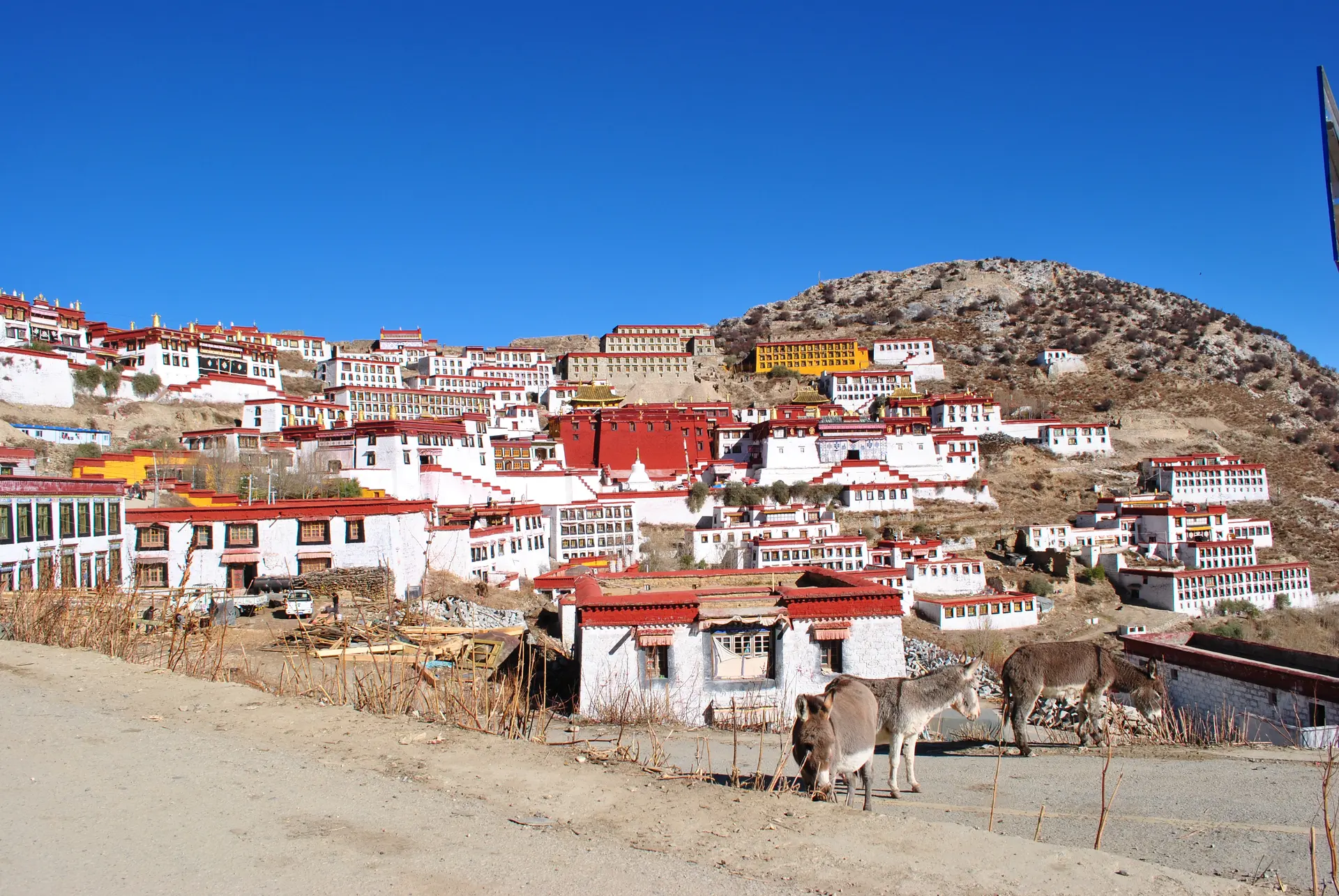
Ganden Monastery
Lhasa, Tibet Autonomous Region, China
Ganden Monastery, founded by Tsongkhapa in 1409 on a mountain ridge east of Lhasa, is the mother monastery of the Gelug school — the largest institution in Tibetan...
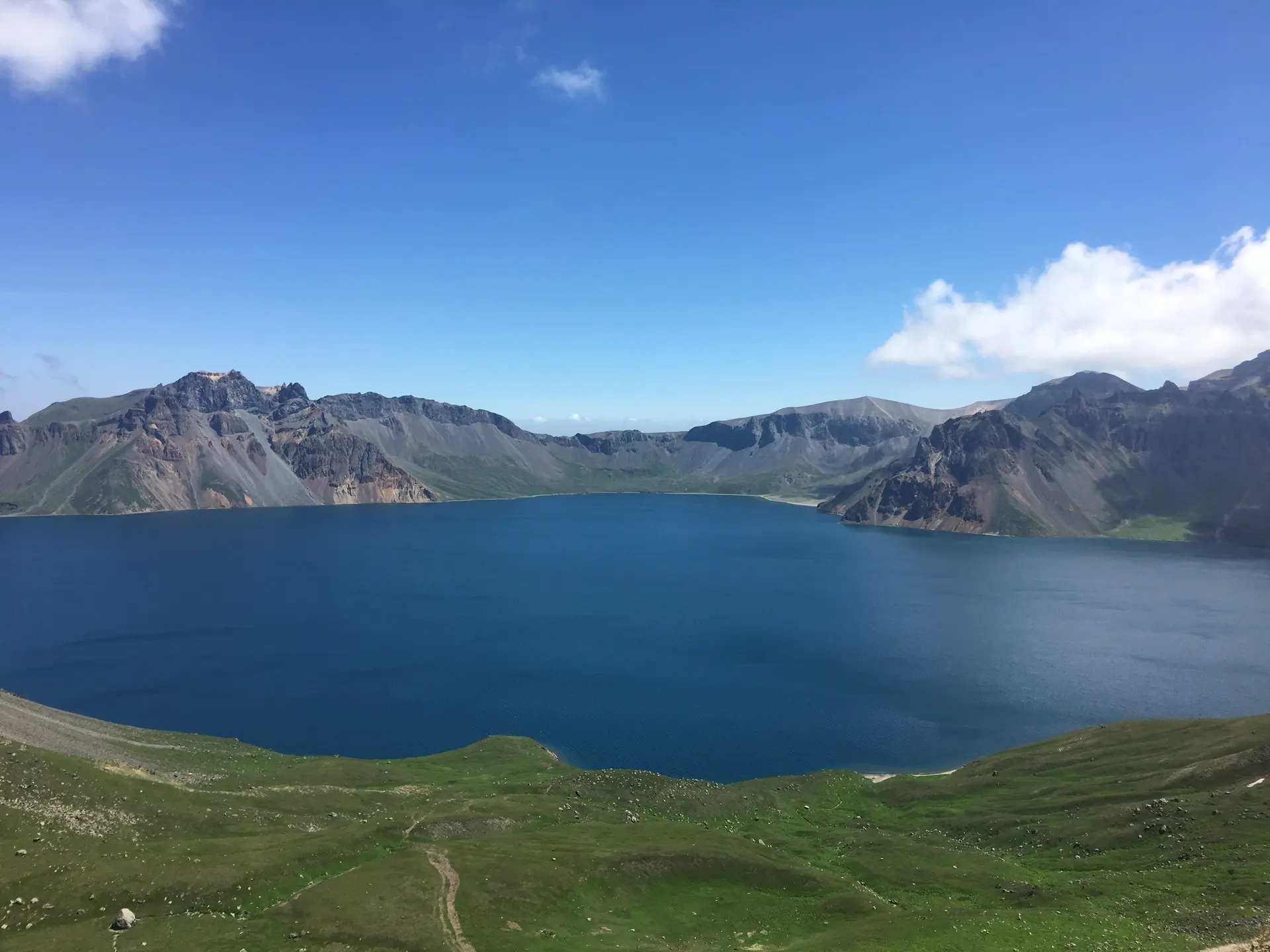
Haven Lake and Changbai (Paektu) Mountain
Changbai, Jilin, China
Mount Paektu rises 2,744 meters from the borderlands between China and North Korea, the highest peak in Northeast Asia, crowned by Heaven Lake hidden within its ancient...
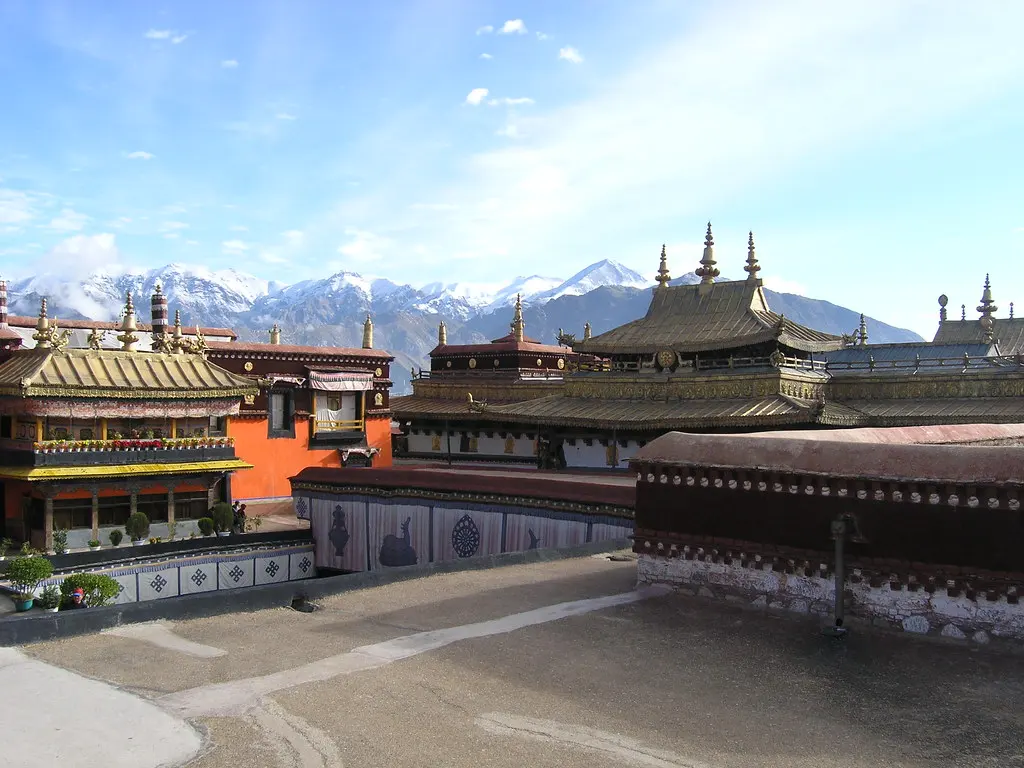
Jokhang Temple
Chengguan District, Tibet Autonomous Region, China
For nearly fourteen hundred years, Jokhang Temple has stood at the center of Tibetan Buddhism, housing what is believed to be the most sacred Buddha image in existence....
Lake Lhamo Latso
Cêqu township, Tibet Autonomous Region, China
Lhamo La-tso is a sacred lake in southern Tibet associated with Palden Lhamo, a protector of the Dalai Lama lineage....

Lake Manasarovar
tibet, china
Lake Manasarovar lies near Mount Kailash on the Tibetan Plateau in China. Its shores belong to a wider landscape of pilgrimage shared by different religious communities....
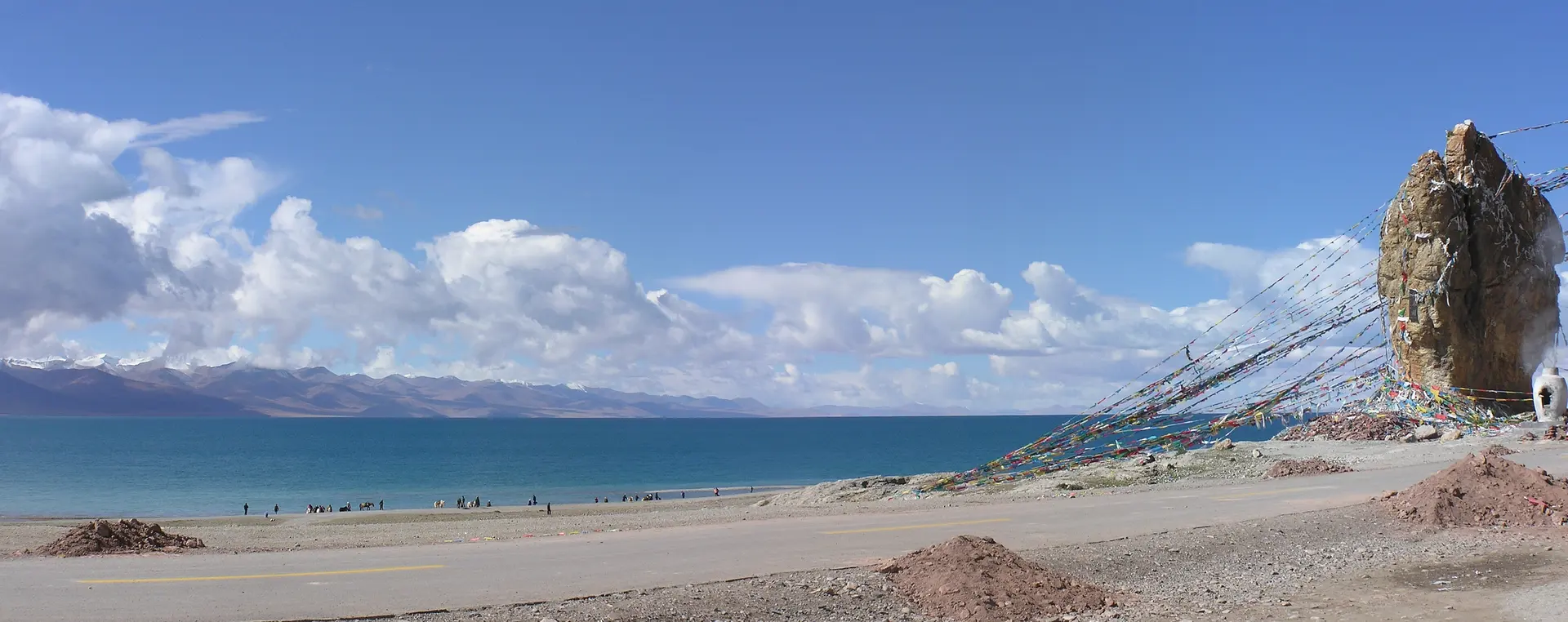
Lake Nam Tso
Baingoin County, Tibet Autonomous Region, China
Namtso is a Tibetan sacred lake whose religious landscape extends beyond a single viewpoint....
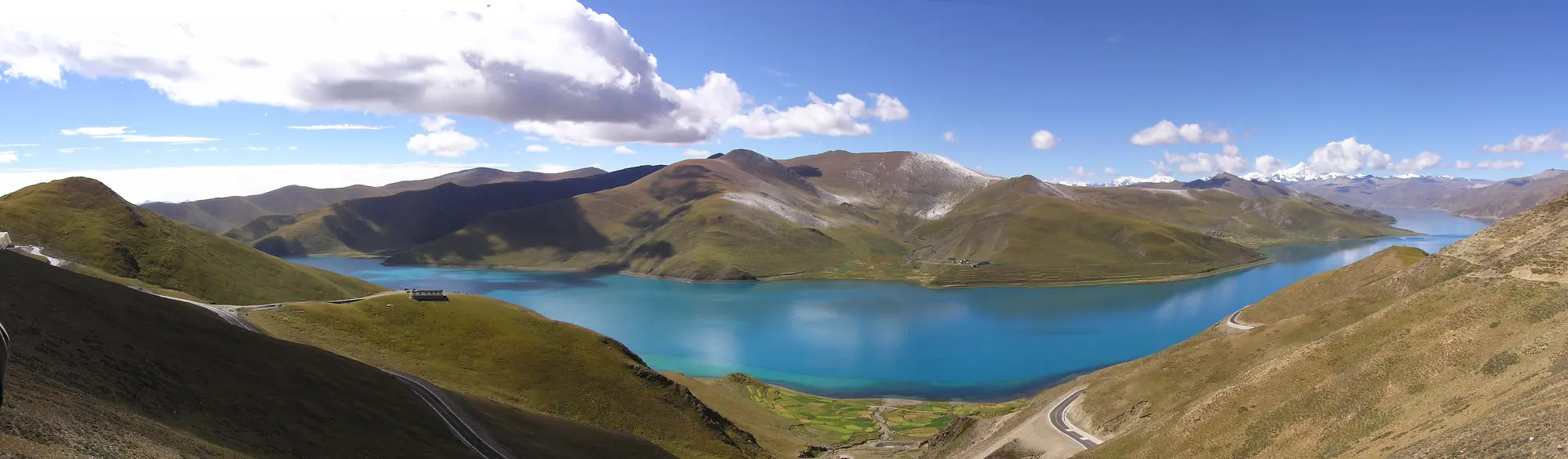
Lake Yamzho Yumco
Ngarzhag, Tibet Autonomous Region, China
Yamdrok Yumtso belongs to a Tibetan sacred landscape in which a lake can be understood as the presence of a goddess....
Leshan Giant Buddha
Leshan, Sichuan, China
For ninety years, three generations of craftsmen carved Maitreya Buddha into the cliffs where three rivers meet at Leshan....

Linshui Palace, Gutian
Daqiao, Gutian County, China
Linshui Palace in Gutian is associated with Chen Jinggu, revered for protecting women and children....
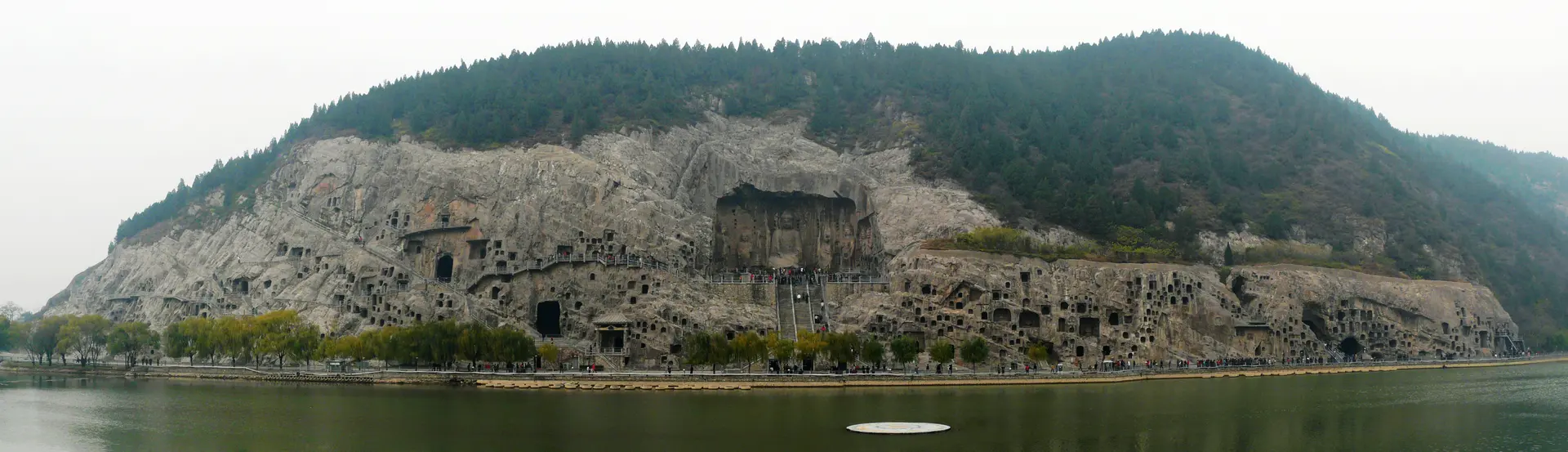
Longmen Grottoes
Luolong District, Henan, China
The Longmen Grottoes stretch along the limestone cliffs of the Yi River south of Luoyang, a kilometer of carved Buddhist figures numbering over 110,000....
Lushan Mountain
Jiujiang, Jiangxi, China
Rising above the Yangtze plain, Mount Lu has drawn monks, scholars, and poets for over sixteen centuries....

Mogao Caves
Gansu, China
At Dunhuang, Mogao’s cave sanctuaries preserve paintings and sculpture spanning a millennium of Buddhist art....

Mount Gongga
Kangding, Sichuan, China
Mount Gongga rises 7,556 meters above the eastern edge of the Tibetan Plateau in Sichuan Province, the highest peak in the region by thousands of meters....

Mount Putuo (Pǔtuó Shān)
Zhoushan, Zhejiang, China
Mount Putuo is an island monastery-city in the East China Sea, venerated for over a thousand years as the earthly dwelling place of Guanyin, the bodhisattva of compassion....
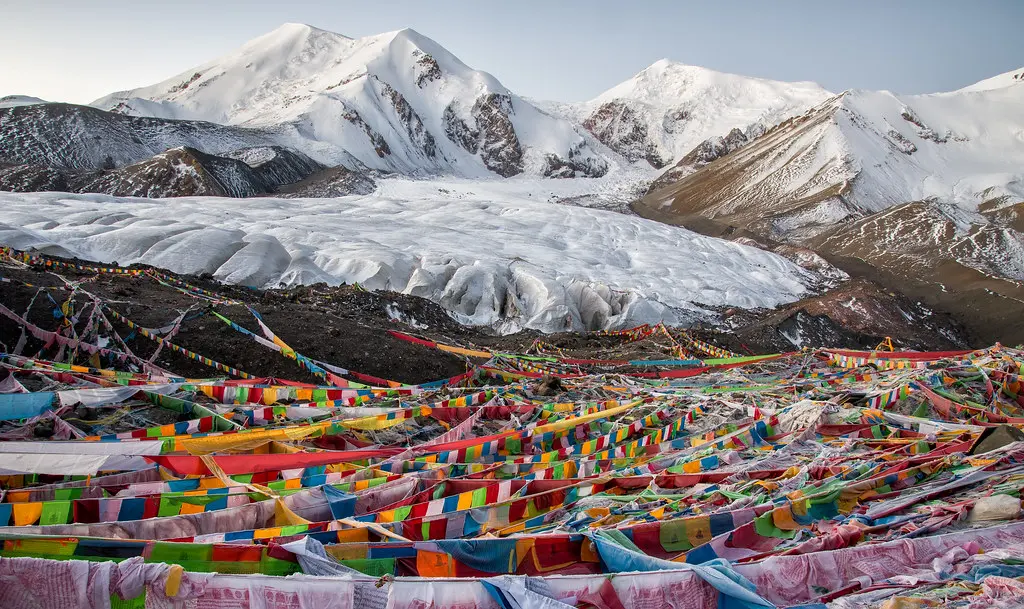
Mt. Amnye Machen
Maqên, Qinghai, China
Amnye Machen rises to 6,282 meters from the grasslands of the Golok Tibetan Autonomous Prefecture in Qinghai Province, an entire mountain range wrapped in the great bend...
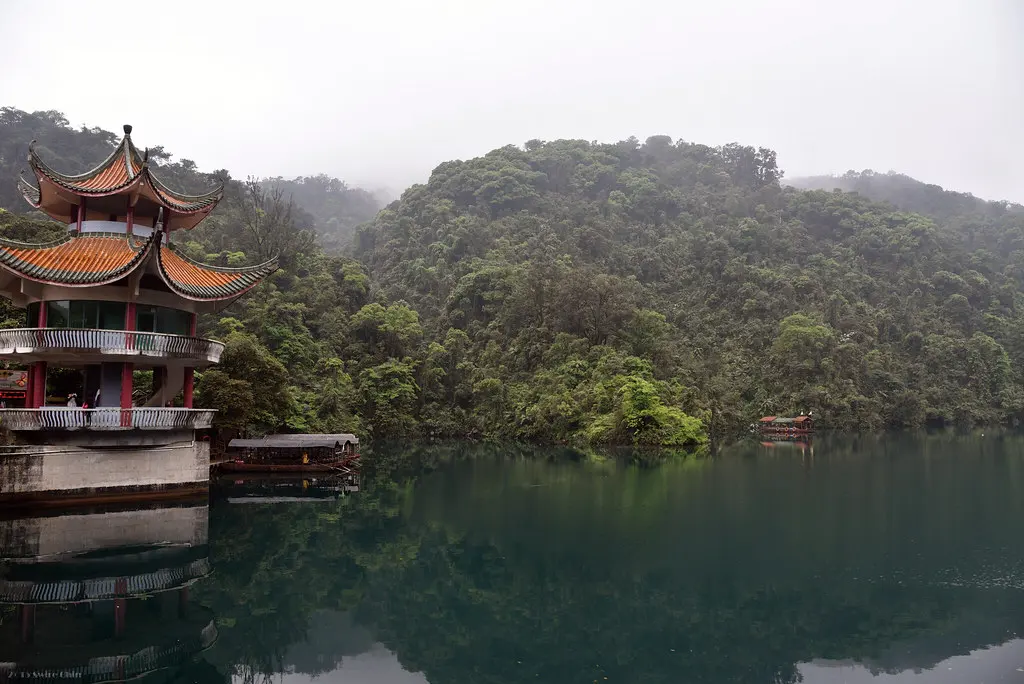
Mt. Dinghushan
Dinghu District, Guangdong, China
Dinghushan rises above the city of Zhaoqing in Guangdong Province, a mountain of ancient subtropical forest sheltering Qingyun Temple, one of the most important Buddhist...
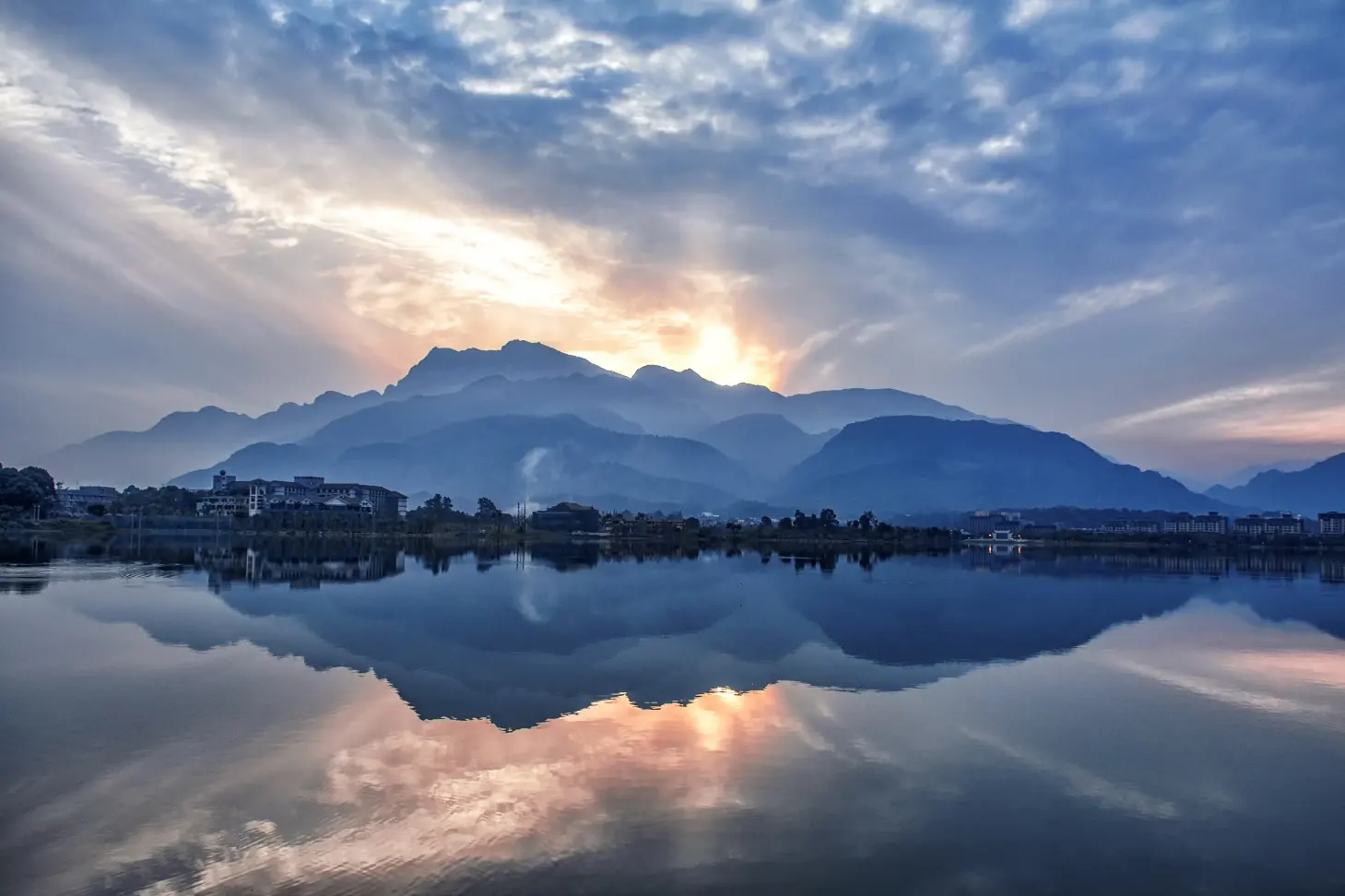
Mt. Emei Shan
双水井, Sichuan, China
Mount Emei rises 3,099 meters from the Sichuan Basin, one of the Four Sacred Buddhist Mountains of China and the bodhimanda of Samantabhadra, the bodhisattva of universal...

Mt. Fanjing, Guizhou, China
Yinjiang Tujia and Miao Autonomous County, Guizhou, China
Fanjingshan rises 2,570 meters from the forests of northeastern Guizhou Province, a UNESCO World Heritage Site recognized for its extraordinary biodiversity and revered as...

Mt. Gu Shan
Gushan, Fujian, China
Gu Shan, Drum Mountain, rises from the eastern suburbs of Fuzhou in Fujian Province, its summit crowned by a rock that resonates like a drum in wind and rain....

Mt. Heng Shan Nan
Hengyang, Hunan, China
Mount Heng in Hunan is the southern mountain of China's Five Great Mountains. It must be distinguished from the northern Mount Heng in Shanxi....
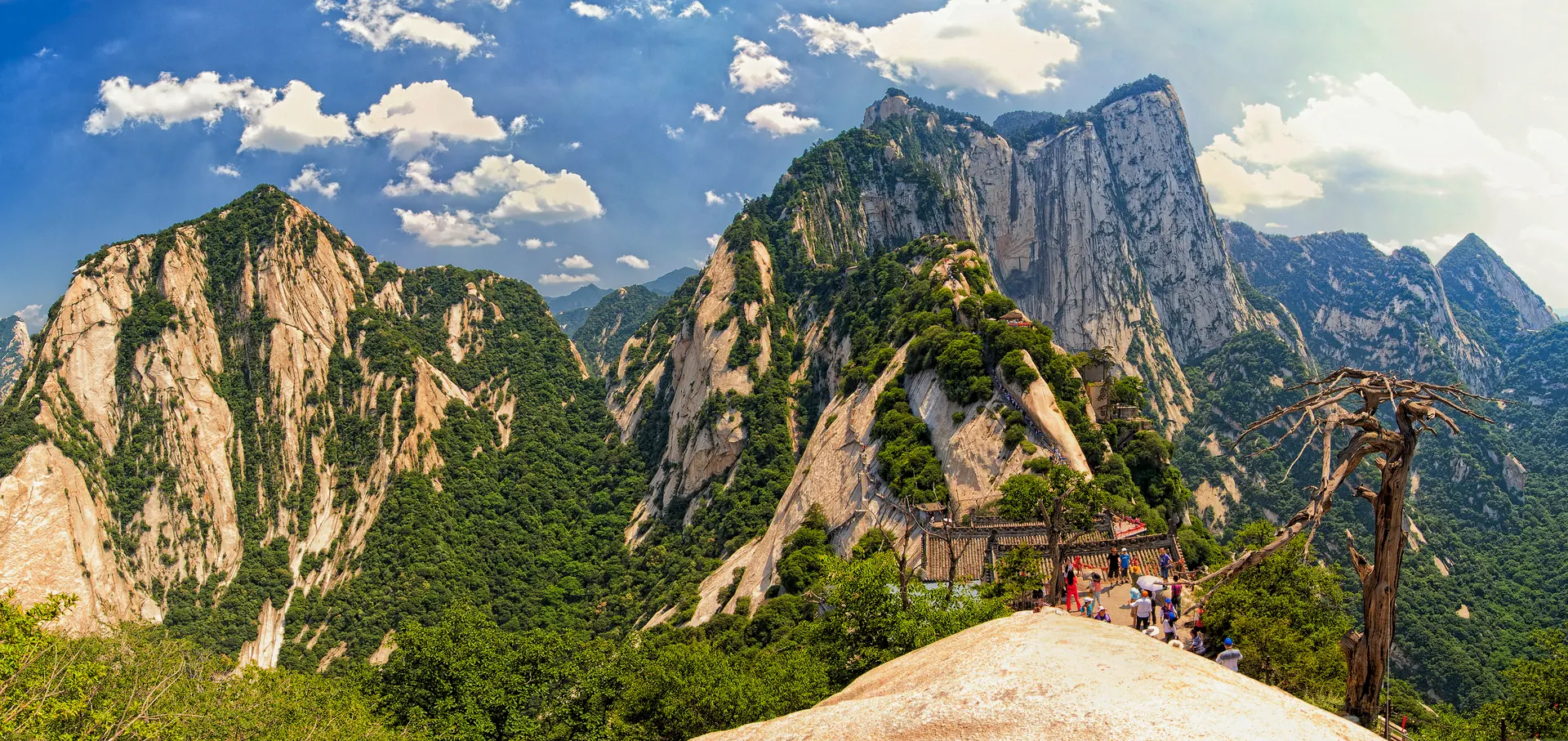
Mt. Hua Shan
Huayin City, Shaanxi, China
Mount Hua is the western mountain of China's Five Great Mountains. The State Party's UNESCO tentative-list submission identifies Huashan in Shaanxi as one of the four...

Mt. Huang Shan
Huangshan District, Anhui, China
Huangshan rises from southern Anhui Province in a formation of granite peaks, ancient pines, and cloud phenomena that has defined the Chinese aesthetic imagination for...

Mt. Jiuhua Shan
Chizhou, Anhui, China
Jiuhua Shan rises from the Anhui countryside as one of China's Four Sacred Buddhist Mountains, dedicated to Ksitigarbha — the bodhisattva who vowed not to achieve...

Mt. Kailash
Darchen, Tibet Autonomous Region, China
Mount Kailash rises 6,638 meters from the Tibetan plateau—four sheer faces matching the four cardinal directions, standing in geometric solitude that seems more...

Mt. Lao Shan
Laoshan District, Shandong, China
Laoshan rises from the shore of the Yellow Sea near Qingdao, the highest coastal mountain along China's shoreline....
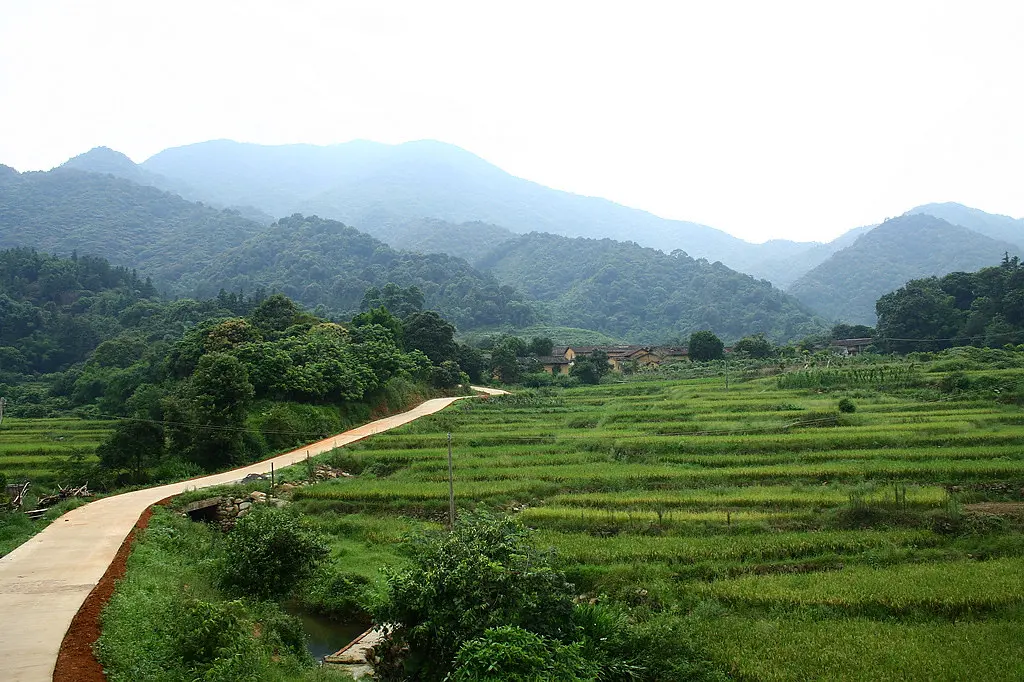
Mt. Luo Fu Shan
Huizhou, Guangdong, China
Luofu Shan in Guangdong Province is one of the Ten Great Cave Heavens of Taoist sacred geography — a classification that places it among the most spiritually significant...

Mt. Mai Ji Shan
Maiji, Gansu, China
Maijishan rises from the forests of Gansu Province as a solitary haystack-shaped cliff, its red sandstone face honeycombed with 194 caves containing approximately 7,800...

Mt. Mao Shan, Jiangsu
Jintan District, Jiangsu, China
Maoshan in Jiangsu Province holds the distinction of being the First Blessed Land and Eighth Cave Heaven in Taoist sacred geography — the highest classifications in the...

Mt. Meili Xue
Zogang County, Tibet Autonomous Region, China
Kawagebo, the 6,740-meter summit of the Meili Snow Mountains on the Yunnan-Tibet border, is the highest unclimbed peak over 6,000 meters in the world....

Mt. Pu Tuo Shan
Putuo District, Zhejiang, China
Putuo Shan is a small island in the East China Sea that serves as the earthly home of Guanyin — the Bodhisattva of Compassion and the most beloved figure in Chinese...

Mt. Qi Yun Shan
Huangshan, Anhui, China
Qiyun Shan, one of the Four Sacred Mountains of Taoism, rises as a formation of red Danxia sandstone in Anhui Province....
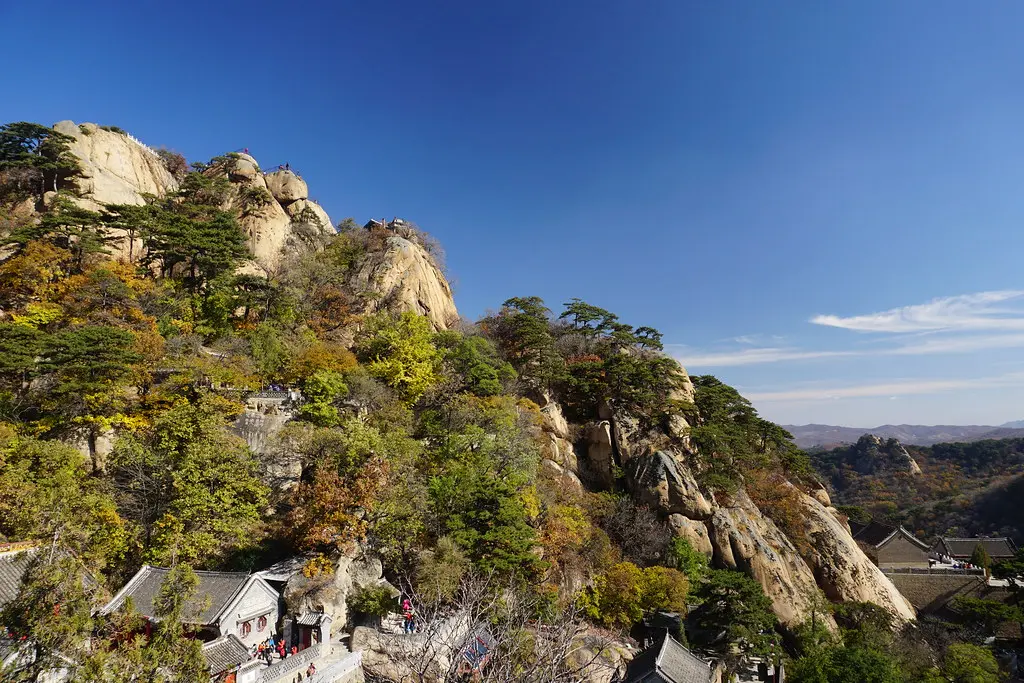
Mt. Qian Shan, Liaoning
Wenquan Subdistrict, Liaoning, China
Qian Shan — Thousand Mountain — rises from the Liaoning plain in northeastern China with 999 peaks, each said to resemble a lotus petal....

Mt. San Qing Shan
Sanqing, Jiangxi, China
Sanqingshan — the Mountain of the Three Pure Ones — is a UNESCO World Heritage Site in Jiangxi Province where granite pillars and pinnacles rise through cloud seas in...

Mt. Song Shan
Gongyi, Henan, China
Mount Song is the central mountain of China's Five Great Mountains and the cosmological center of the directional Wuyue system....

Mt. Tai Shan
Taishan District, Shandong, China
Mount Tai is the eastern mountain of China's Five Great Mountains and the only member of the five currently inscribed on the World Heritage List....

Mt. Targo and Lake Dangra
Targo, Tibet Autonomous Region, China
Mount Targo and Lake Dangra, also called Tangra Yumco, form a paired sacred landscape in Upper Tibet. This page keeps the existing mountain-and-lake identity together....

Mt. Tiantai Shan
Tiantai County, Zhejiang, China
Mount Tiantai is the birthplace of Tiantai Buddhism, the first purely Chinese school of Buddhist philosophy....

Mt. Wu Tai Shan
Taihuai, Shanxi, China
Mount Wutai is the earthly home of Manjushri, the Bodhisattva of Wisdom, identified in the Avatamsaka Sutra as residing on a Clear Cool Mountain in the northeast....

Mt. Wu Tang Shan
Danjiangkou City, Hubei, China
Wudangshan is one of the Four Sacred Mountains of Taoism, the dwelling place of Zhenwu, the Perfected Warrior who governs the northern quarter of heaven....

Mt. Wu Yi Shan
Wuyishan, Fujian, China
Wuyishan holds a rare convergence: Taoist Grotto Heaven where immortals dwelt, birthplace of Neo-Confucianism where Zhu Xi rewrote East Asian philosophy, and the mountain...

Potala Palace
Chengguan District, Tibet Autonomous Region, China
The Potala Palace rises 117 meters above the Lhasa Valley on the Red Hill, named for Avalokiteshvara's mythical abode, Mount Potalaka....

Sakya
Tashigang, Tibet Autonomous Region, China
Sakya Monastery is the seat of the Sakya school of Tibetan Buddhism, one of the four major schools, founded in 1073 by the Khon family, who trace their ancestry to...

Samye
Samye, Tibet Autonomous Region, China
Samye is where Buddhism became institutionally rooted in Tibet, the place where a religion became a civilization....

Tashilhunpo
城西街道, Tibet Autonomous Region, China
Tashilhunpo Monastery rises from the slopes of Niseri Hill in Shigatse, a 37-acre compound of gilded rooftops and whitewashed walls that has served as the seat of the...
Terdrom Sacred Hot Spring
Maizhokunggar, Tibet Autonomous Region, China
Terdrom’s hot spring and nunnery stand below a Tibetan valley of retreat caves.
Showing 1-48 of 53 sites
Key questions
china sacred-site questions
What sacred sites can I explore in china?
Pilgrim Map lists sacred places in china across living worship sites, heritage landmarks, pilgrimage destinations, and culturally significant landscapes. The current guide lists 1 sites organized by region and tradition.
Which traditions are represented in china?
The most represented traditions include Buddhism, Taoism, Indigenous, Tibetan Buddhism and Khawa Karpo devotion, Hinduism, Tibetan Buddhism.
How should I plan a sacred-site visit in china?
Start with regional clusters, compare nearby places on the map, then open individual site pages for coordinates, etiquette, and sacred context where available.
Can I view china sacred sites on a map?
Yes. Switch to map view to compare geographic clusters, then open individual site pages for coordinates, visiting context, and related places.