Tradition guide
Shingon Buddhism
Shingon Buddhism sites connect places through shared lineage, practice, story, and pilgrimage across the global atlas.
14 sacred places share this lineage. Use the country links to narrow in.
Atlas summary
Shingon Buddhism sacred sites overview
Shingon Buddhism sacred sites connect places through shared lineage, ritual use, memory, and pilgrimage practice across the Pilgrim Map atlas.
Use this page to compare country clusters, common place types, UNESCO-tagged landmarks, and the map distribution before exploring individual site pages.
| Coverage | 14 Shingon Buddhism sacred places in the current atlas. |
|---|---|
| Country clusters | |
| UNESCO heritage | 6 UNESCO-tagged Shingon Buddhism sites appear in this browse view. |
By country
Refine the atlas
Related Shingon Buddhism guides
Showing 1-14 of 14 sites in this tradition guide

Biwa Falls (Biwa-taki)
Mount Takao, Tokyo, Japan
Biwa-taki is one of the waterfall training places associated with Takao Yakuō-in, the Buddhist temple on Mount Takao....
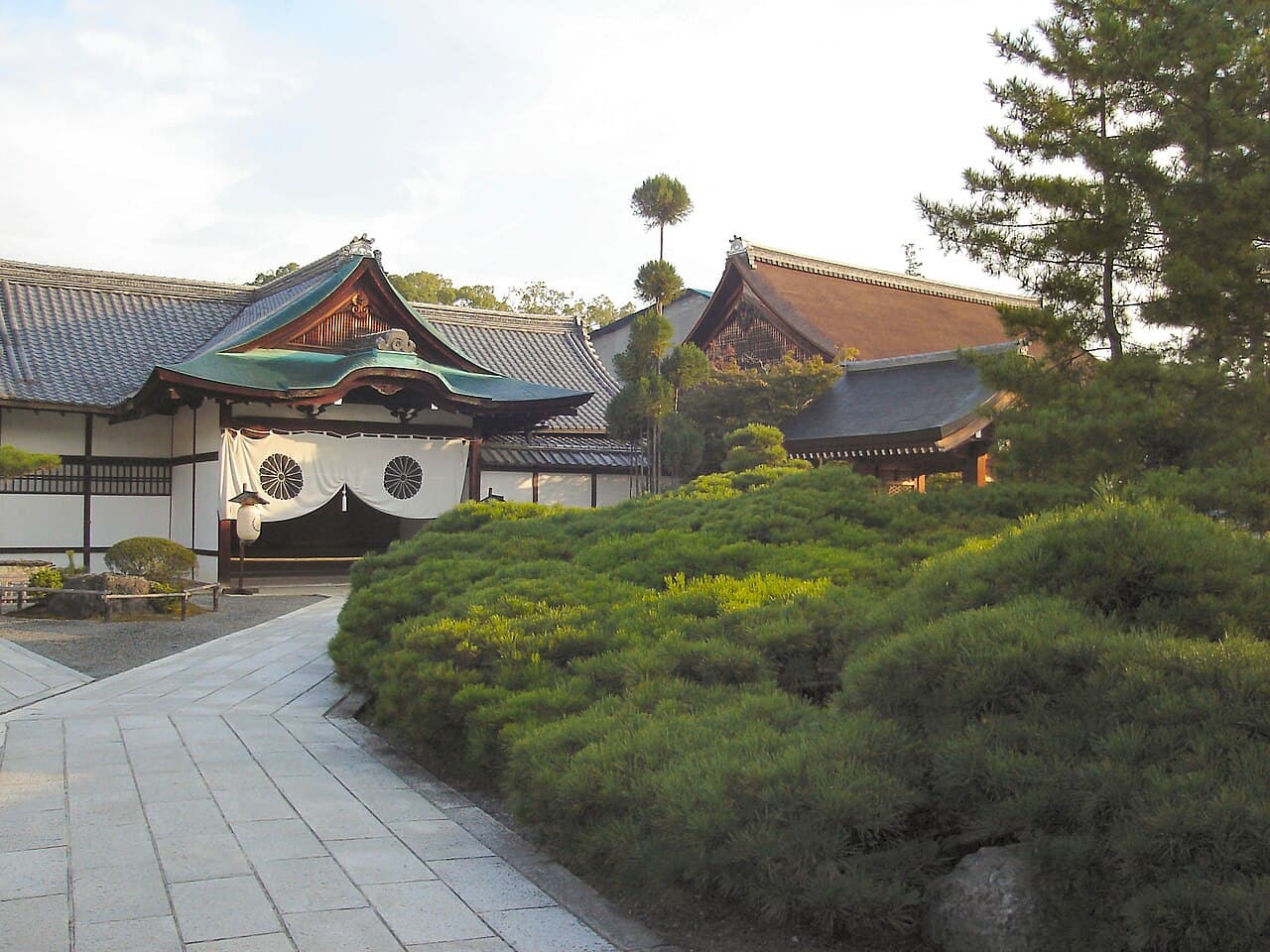
Daikaku-ji
Kyoto, Kyoto Prefecture, Japan
Heart Sutra, flower practice, and imperial memory beside Osawa Pond. Daikaku-ji remains an active Shingon Buddhism, Daikaku-ji school temple....
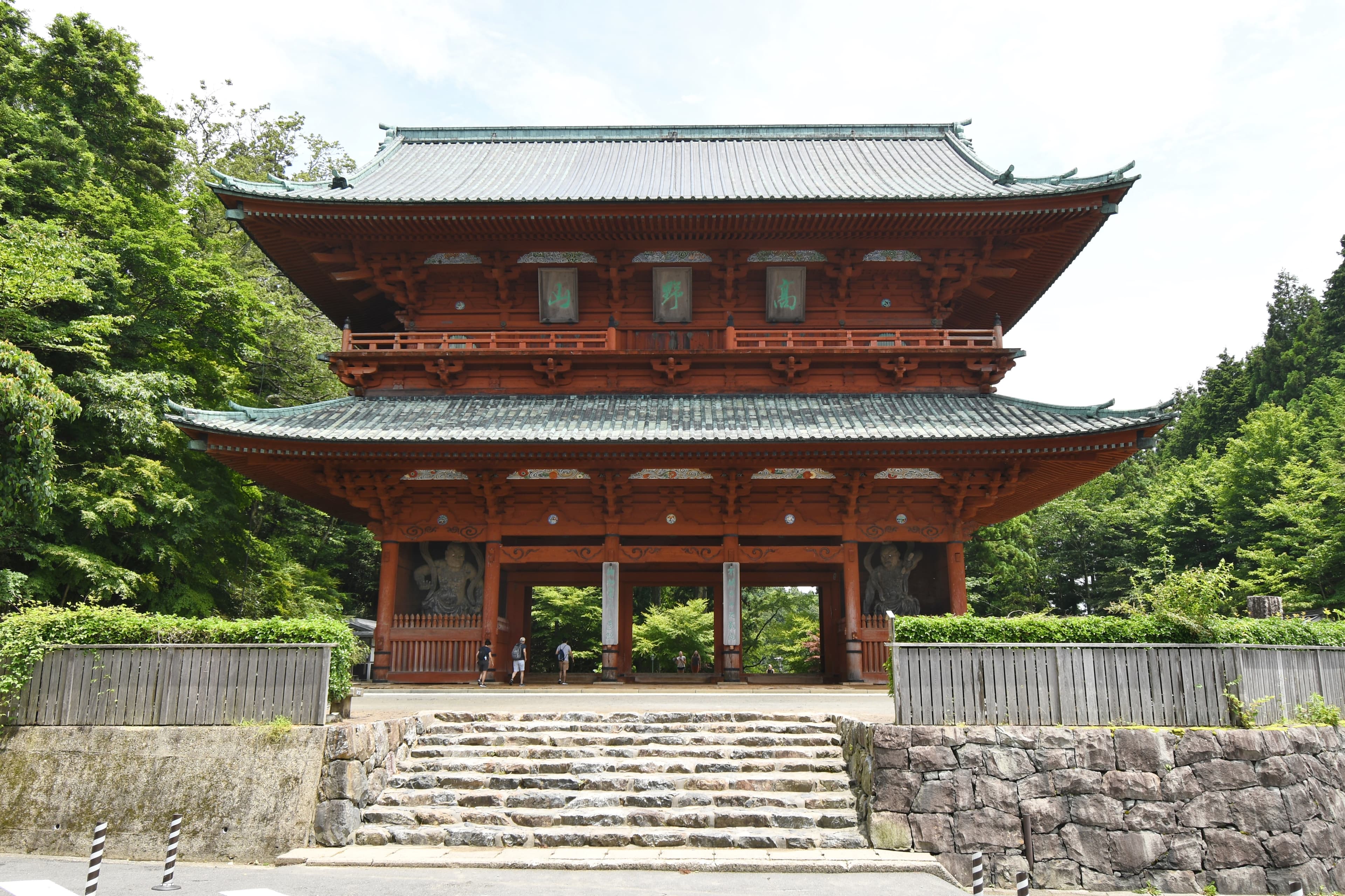
Daimon Gate
Koyasan, Wakayama Prefecture, Japan
Daimon Gate (大門) is the monumental western gate of Koyasan and a dramatic arrival threshold from Choishi-michi.
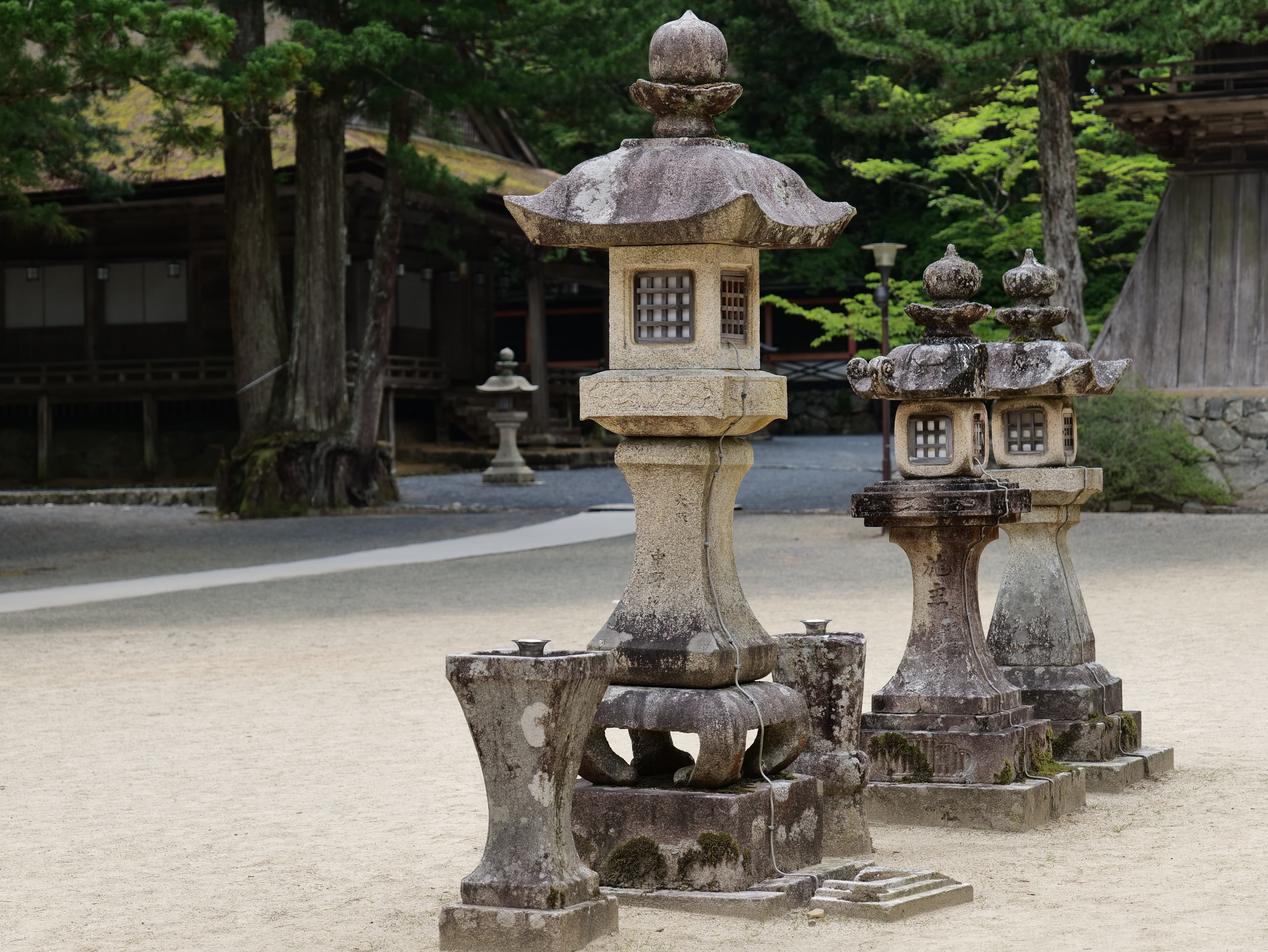
Danjo Garan
Koyasan, Wakayama Prefecture, Japan
Danjo Garan (壇上伽藍) is Koyasan's central monastic complex, associated with Kobo Daishi's establishment of the mountaintop center.
Jataki Falls (Ja-taki)
Mount Takao, Tokyo, Japan
Ja-taki is a waterfall practice site associated with Takao Yakuō-in in Tokyo's western mountains....

Jingo-ji
Kyoto, Kyoto Prefecture, Japan
Kukai’s teaching memory reached by a demanding climb through Takao. Jingo-ji remains an active Shingon Buddhism temple....
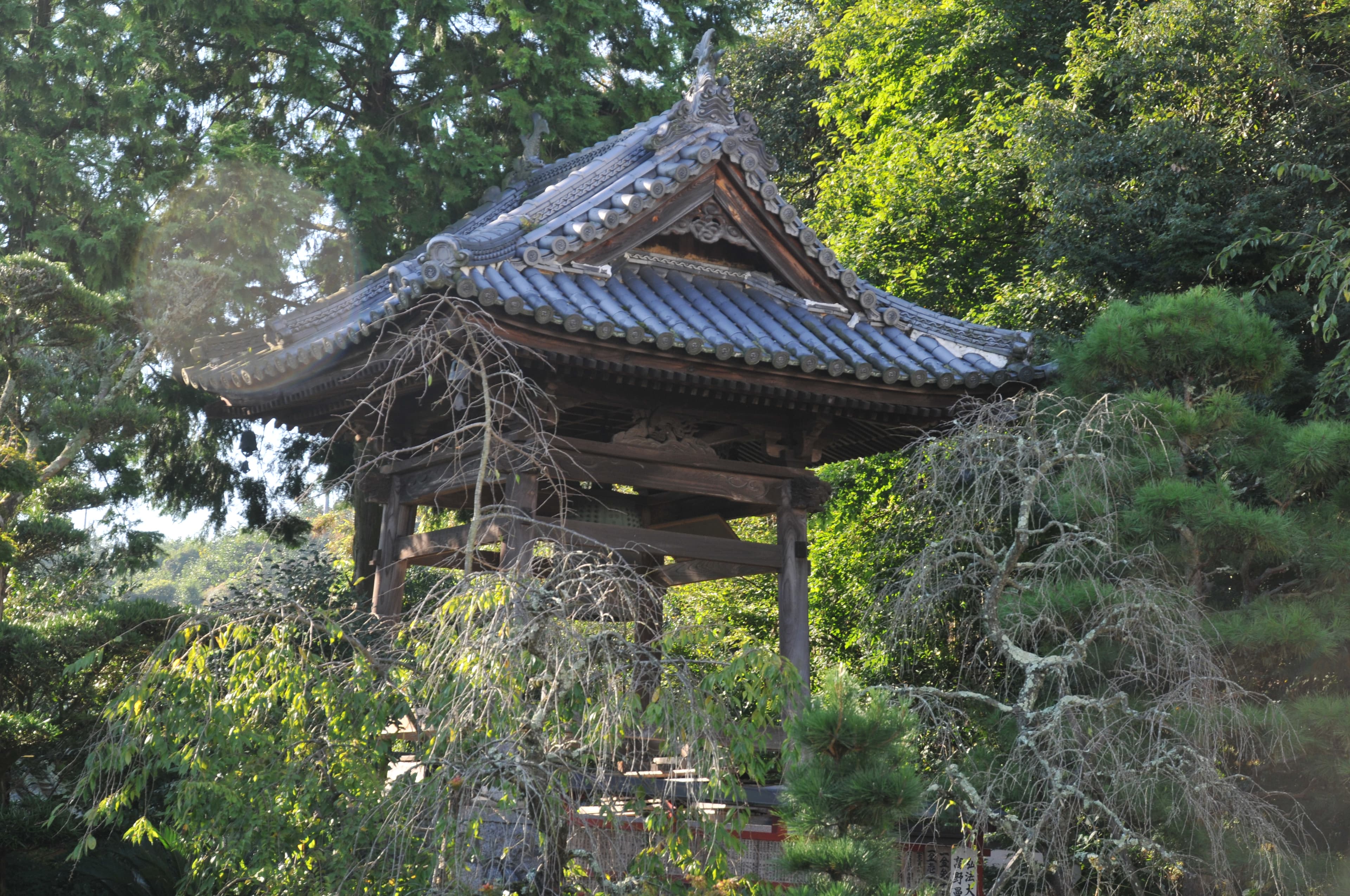
Jison-in
Kudoyama, Wakayama Prefecture, Japan
Jison-in (慈尊院) is the temple at Kudoyama traditionally regarded as the lower-world entrance to Koyasan and the starting threshold of Choishi-michi.
Konji Waterfall
Tokushima, Japan
Konji Waterfall belongs to the religious landscape of Konjiji in Tokushima. Official regional interpretation describes pilgrims purifying themselves at the falls before...

Kōryū-ji
Kyoto, Kyoto Prefecture, Japan
Miroku’s poised stillness within one of Kyoto’s earliest temples. Kōryū-ji remains an active Shingon Buddhism temple....
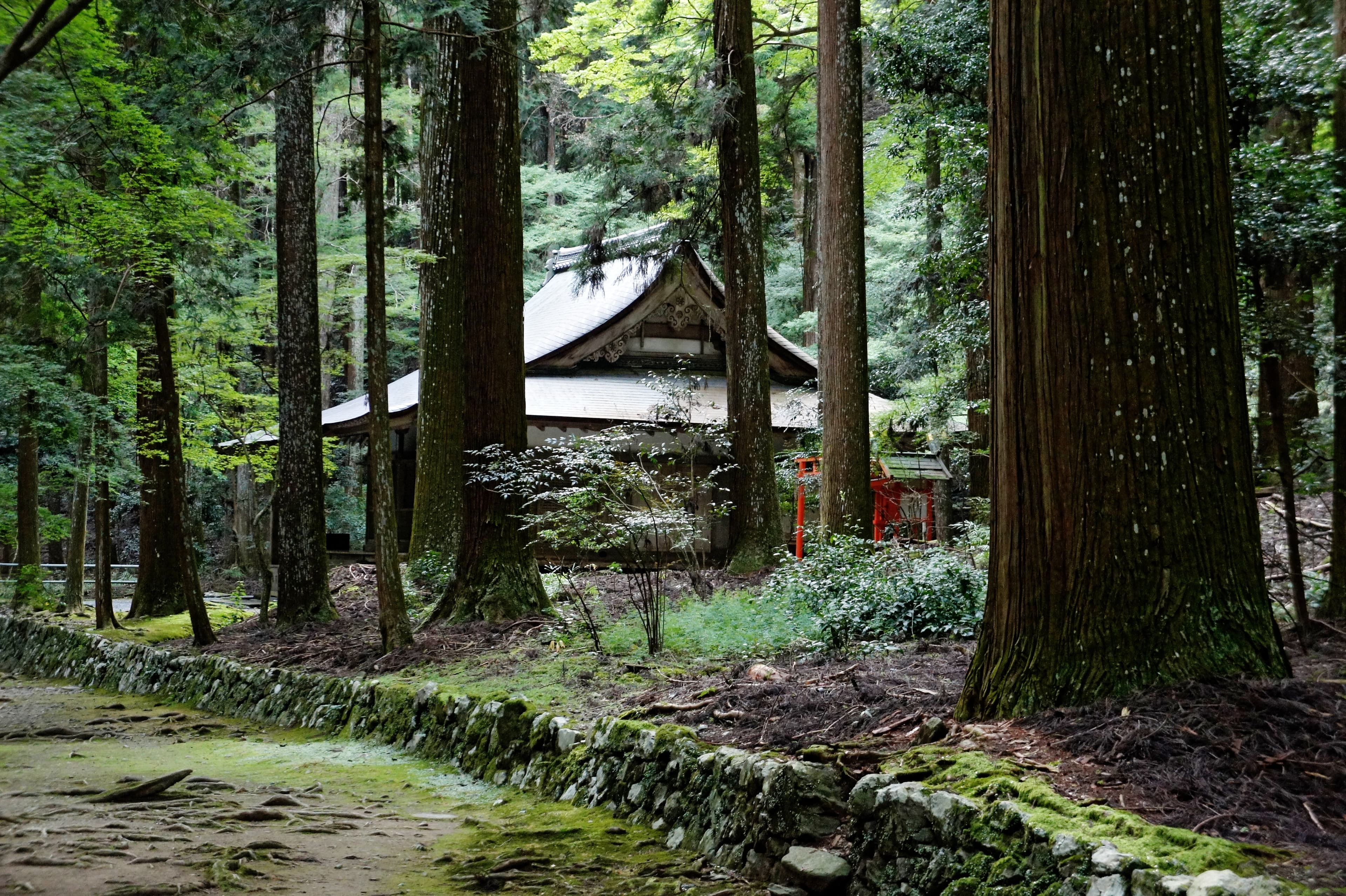
Kōzan-ji (Kyoto)
Kyoto, Kyoto Prefecture, Japan
Myoe’s mountain discipline above the cedar paths of Toganoo. Kōzan-ji (Kyoto) remains an active Shingon Buddhism temple....

Naritasan Shinsho-ji
Narita, Chiba Prefecture, Japan
Naritasan Shinsho-ji, stands in Narita. At Naritasan Shinsho-ji, Shingon Buddhism, Chisan school guides custody. Prayer at Naritasan Shinsho-ji addresses Fudō Myōō....

Ninna-ji
Kyoto, Kyoto Prefecture, Japan
Imperial memory and Shingon practice among Omuro’s late cherries. Ninna-ji remains an active Shingon Buddhism, Omuro school temple....

Okunoin
Koya, Wakayama Prefecture, Japan
Okunoin, stands in Koya. At Okunoin, Kōyasan Shingon Buddhism guides custody. Prayer at Okunoin addresses Kōbō Daishi Kūkai in eternal meditation....

Sennyū-ji
Kyoto, Kyoto Prefecture, Japan
Buddhist worship and imperial memorial care at the Mitera. Sennyū-ji remains an active Shingon Buddhism, Sennyū-ji school temple....
Key questions
Shingon Buddhism sacred-site questions
What are Shingon Buddhism sacred sites?
Shingon Buddhism sacred sites are places connected by shared lineage, practice, memory, ritual use, or pilgrimage tradition.
Where can I find Shingon Buddhism sacred sites?
The strongest country clusters in this guide include Japan.
What kinds of places are included?
The guide includes sacred landscapes, pilgrimage places, and ritual or historical sites where available.
Can I map Shingon Buddhism sacred sites?
Yes. Compare country clusters and physical forms first, then open individual pages for coordinates, historical context, and visitor guidance.