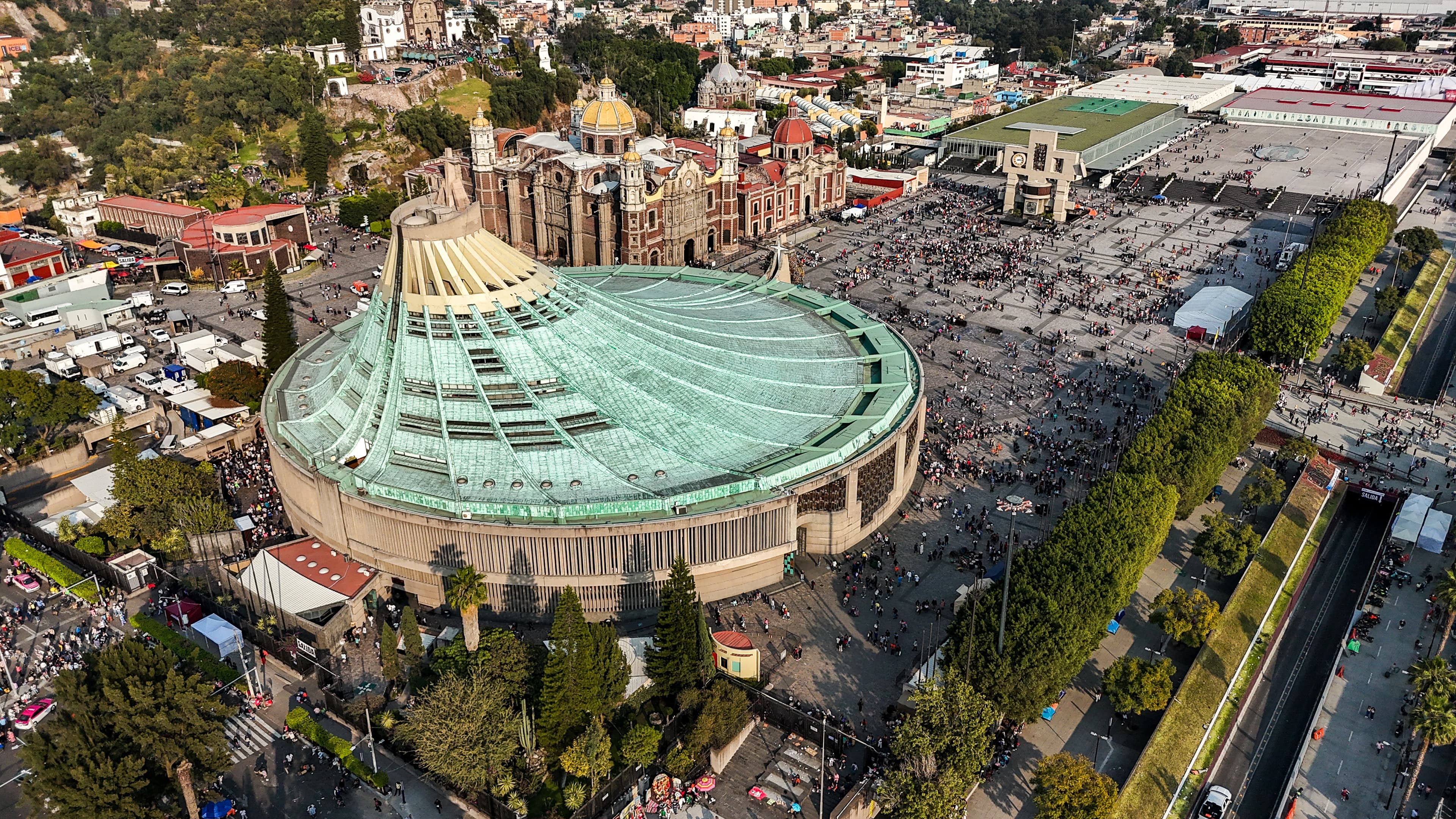
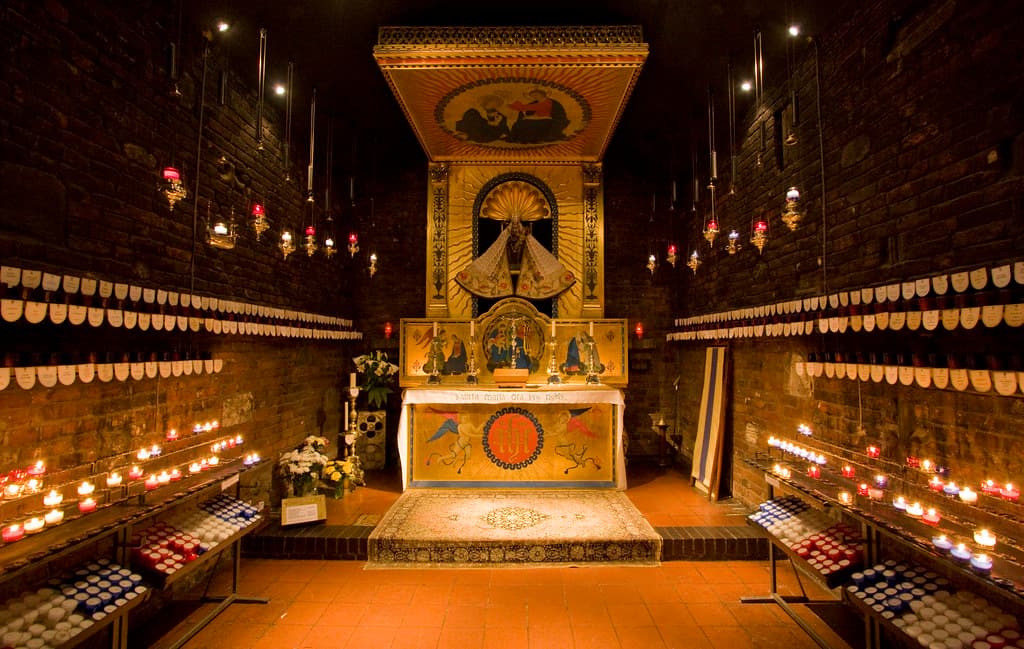
The oldest layer is the apostolic tradition. Zaragoza claims the appearance to James the Greater in AD 40, on a jasper column still venerated in the basilica that bears her name; the documentary evidence is medieval, but the cult is among the most continuous in Christendom. Walsingham, in Norfolk, traces its Holy House to a 1061 vision of the noblewoman Richeldis de Faverches and was, before the Reformation dissolved it, the principal Marian pilgrimage of the English-speaking world. Tepeyac, outside Mexico City, dates from 1531: the apparitions to Juan Diego Cuauhtlatoatzin and the tilma whose pigment chemistry remains debated.
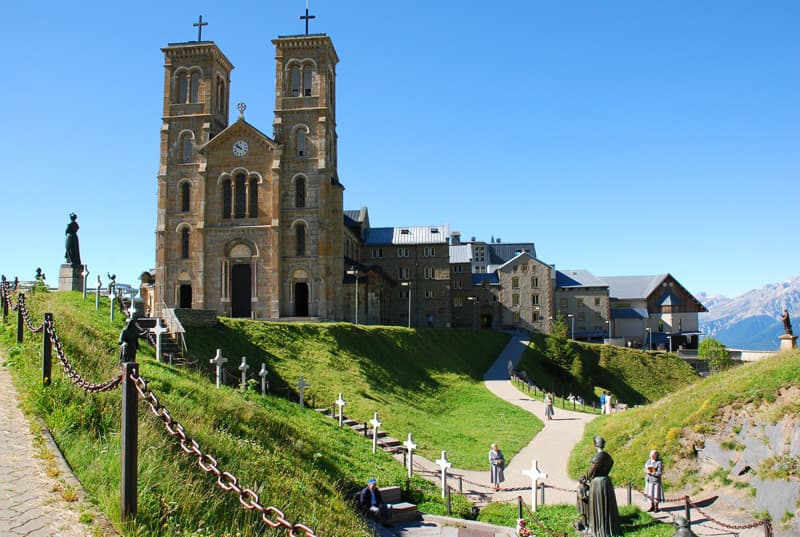
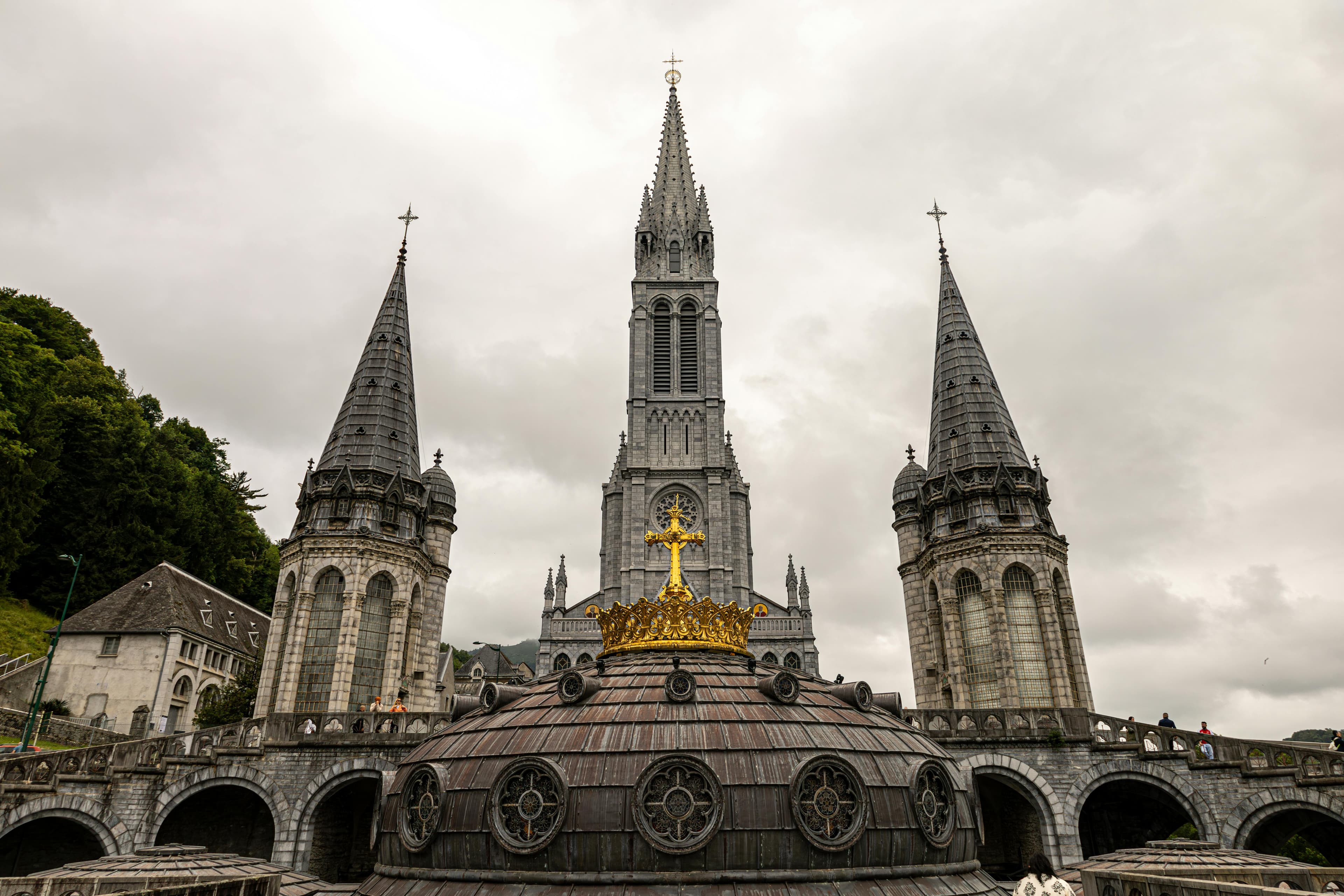
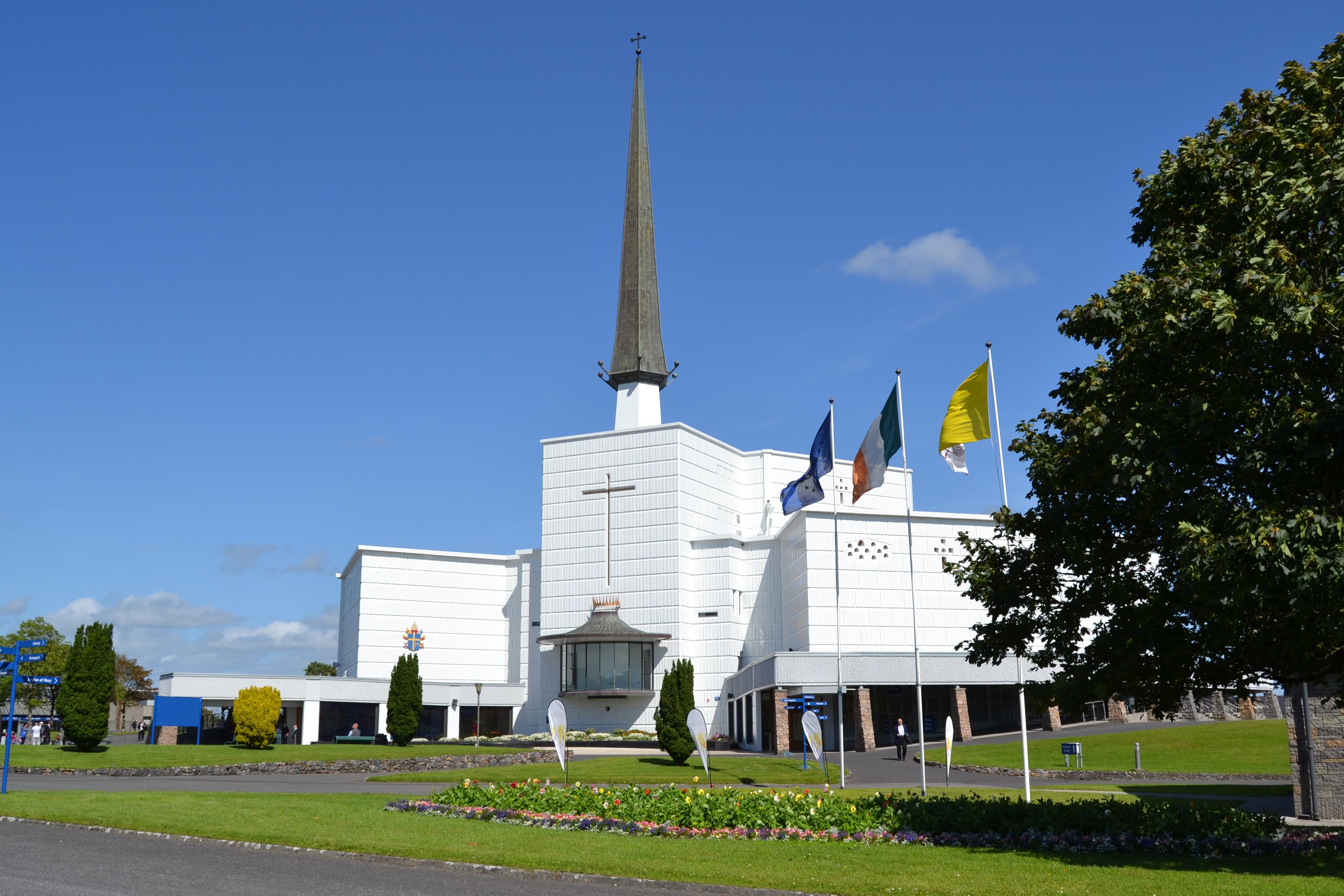
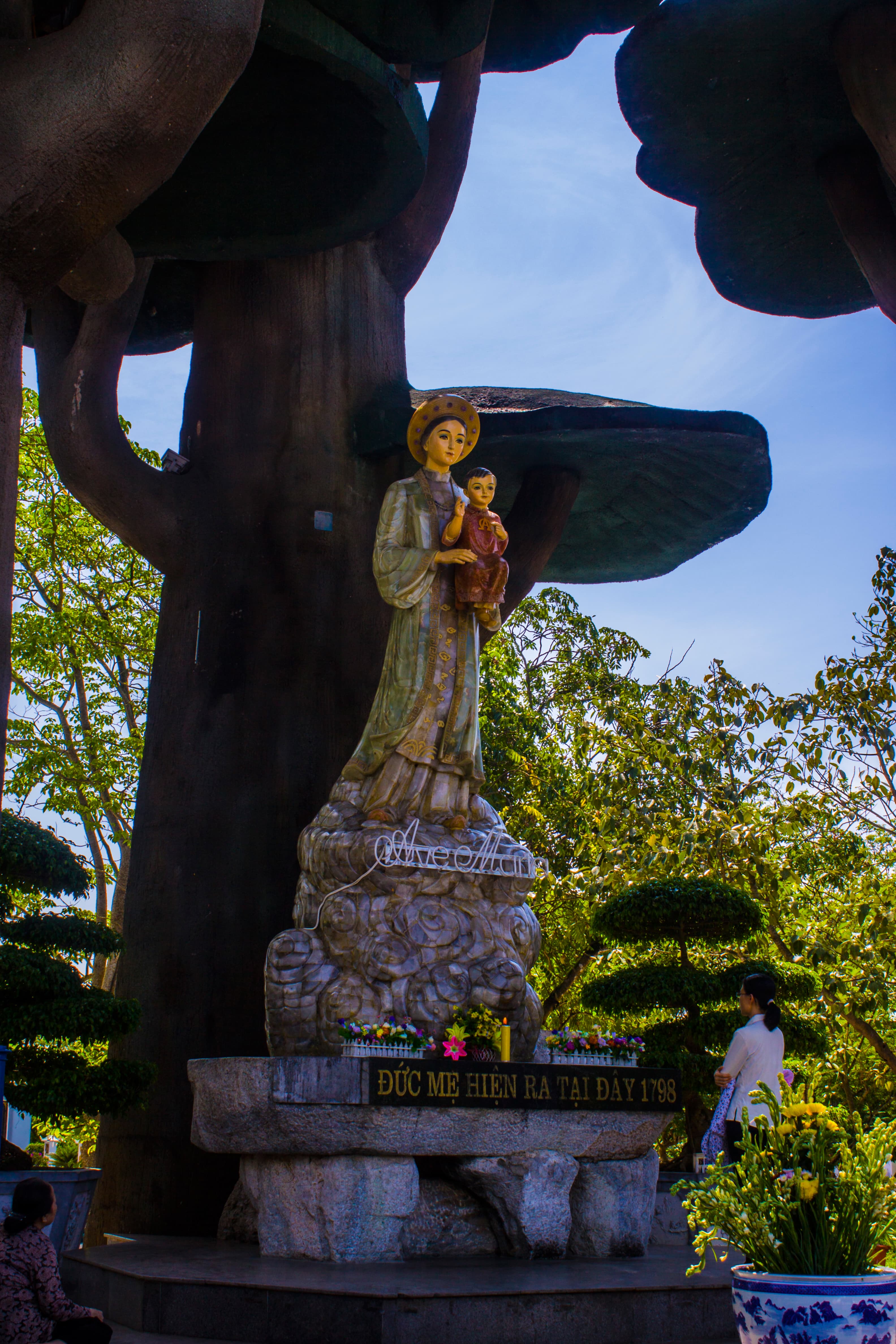
The nineteenth century is dense in a way no other century is. Rue du Bac in Paris, 1830, gives the Miraculous Medal to Catherine Labouré in the chapel of the Daughters of Charity. La Salette, in the French Alps, 1846, gives Mélanie Calvat and Maximin Giraud a weeping Virgin and a long, contested secret. Lourdes, 1858, gives Bernadette Soubirous eighteen apparitions, a spring, and — over the following decades — sixty-eight medically certified cures and the largest organised pilgrimage in Catholic Europe. Knock, 1879, gives fifteen witnesses a silent tableau of the Virgin, Saint Joseph, Saint John the Evangelist, and the Lamb upon the altar.
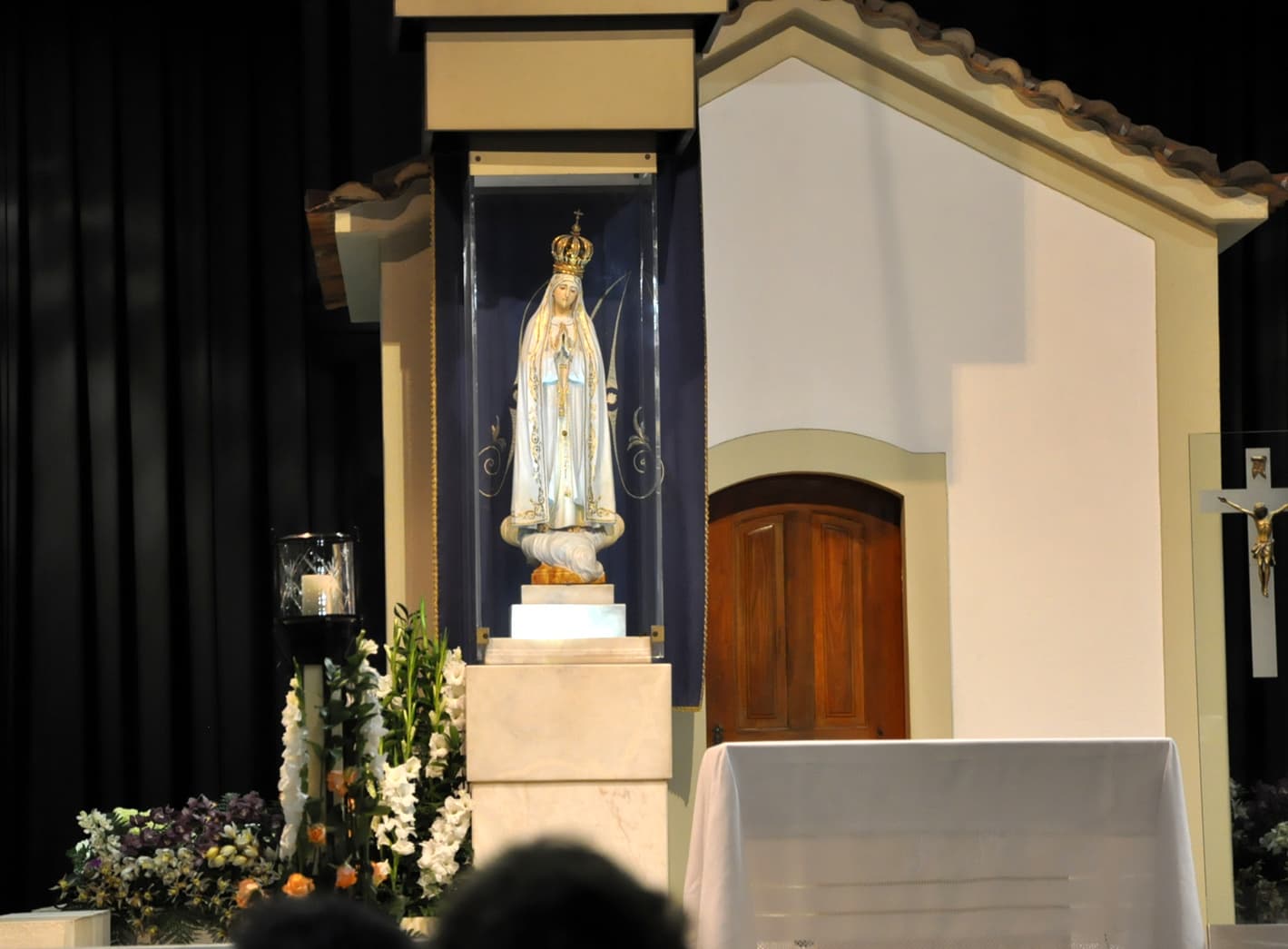
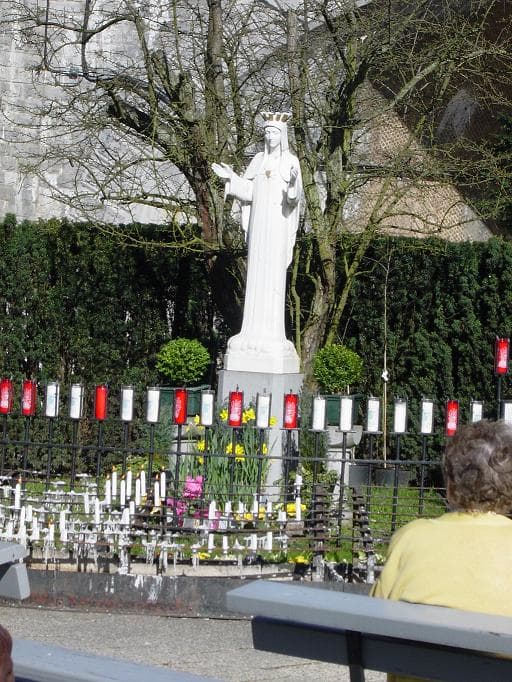
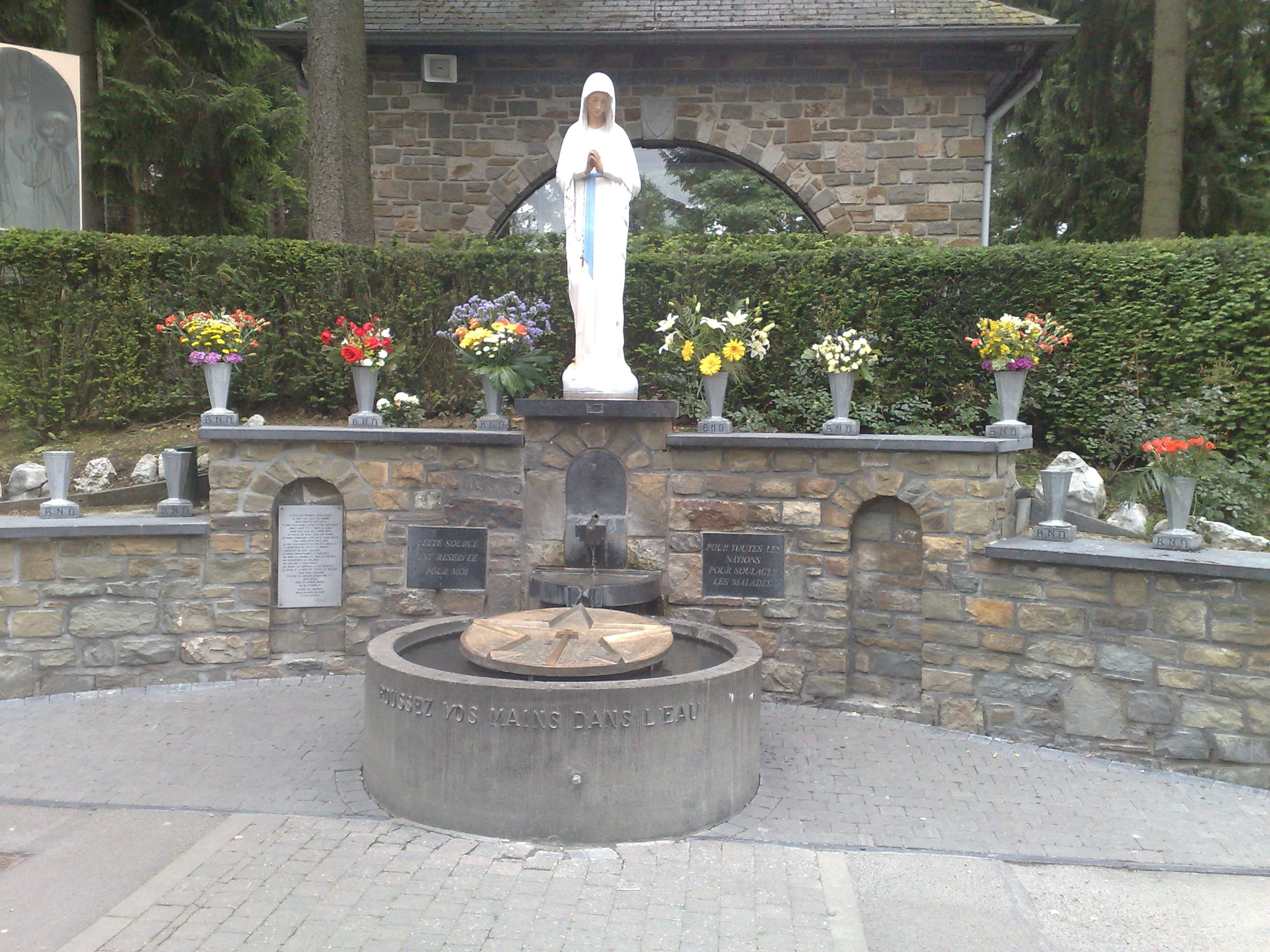
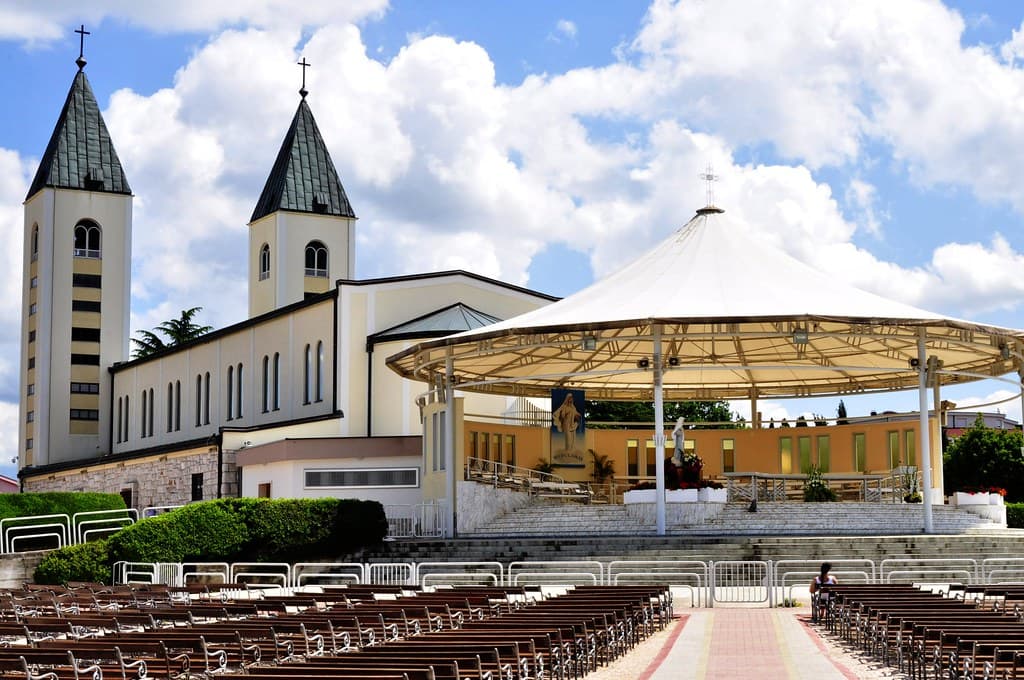
The twentieth century carries the form into a darker key. Fátima, 1917, gives three shepherd children a sequence of apparitions across the months of the First World War, with prophecies that would be unsealed across the rest of the century. Beauraing and Banneux, both in Belgium, both in 1932–33, give children a Virgin of poverty and silence as Europe slides into the next war. Zeitoun, 1968, draws crowds of Coptic and Muslim Cairenes to a luminous figure above the dome of a parish church. Medjugorje, beginning in 1981 and continuing into the present, has gathered tens of millions of pilgrims while its canonical status remains under judgement — a reminder that the Church's recognition follows the cult, sometimes by decades.