Naritasan Shinsho-ji
Fudō’s fierce compassion made present through daily sacred fire
Understand sacred places, explore living traditions, and learn how to engage respectfully with Pilgrim Map.
Access has not been verified. Check current local guidance before planning a visit.
Narita, Chiba Prefecture, Japan
Read the sources
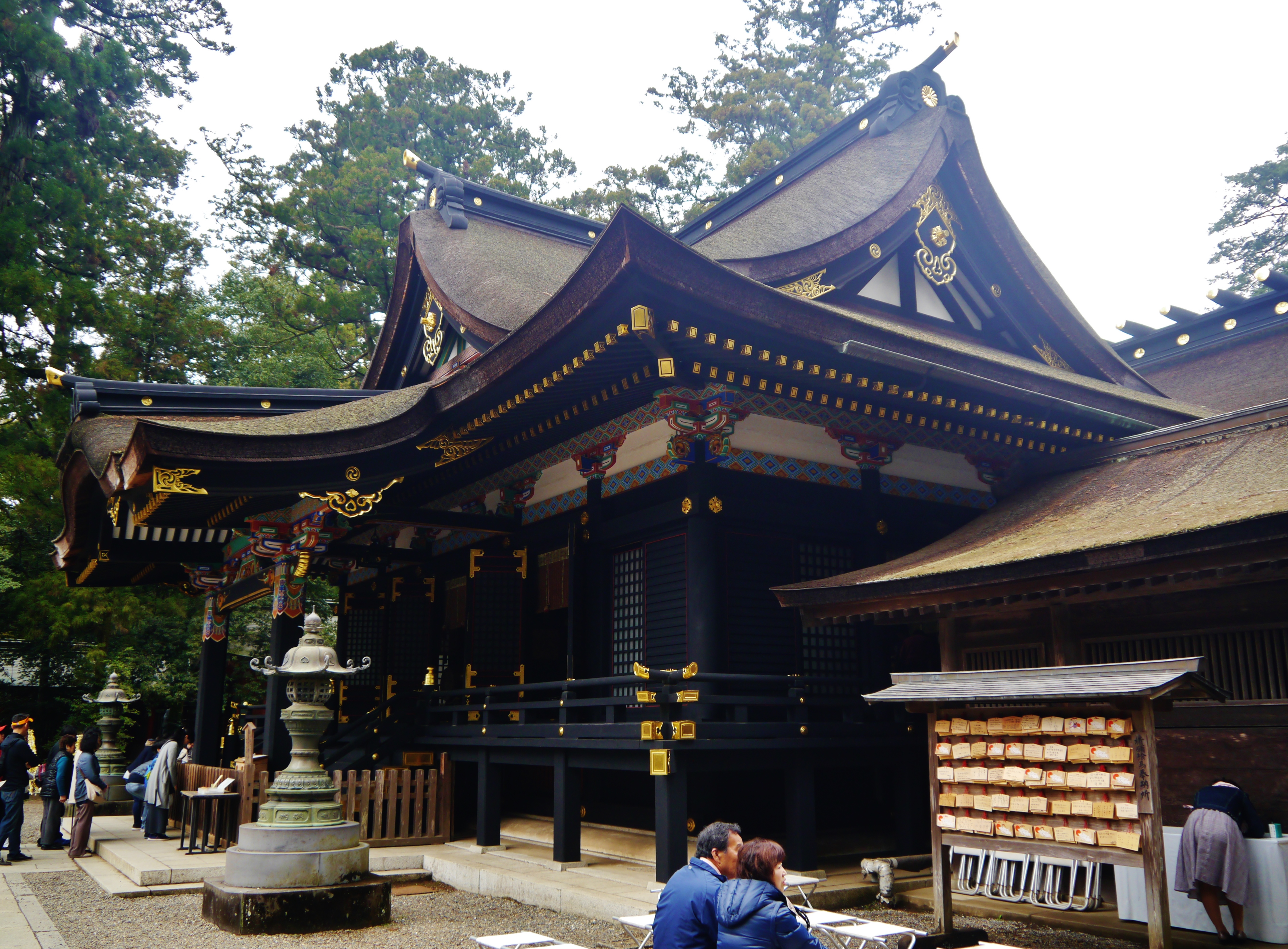
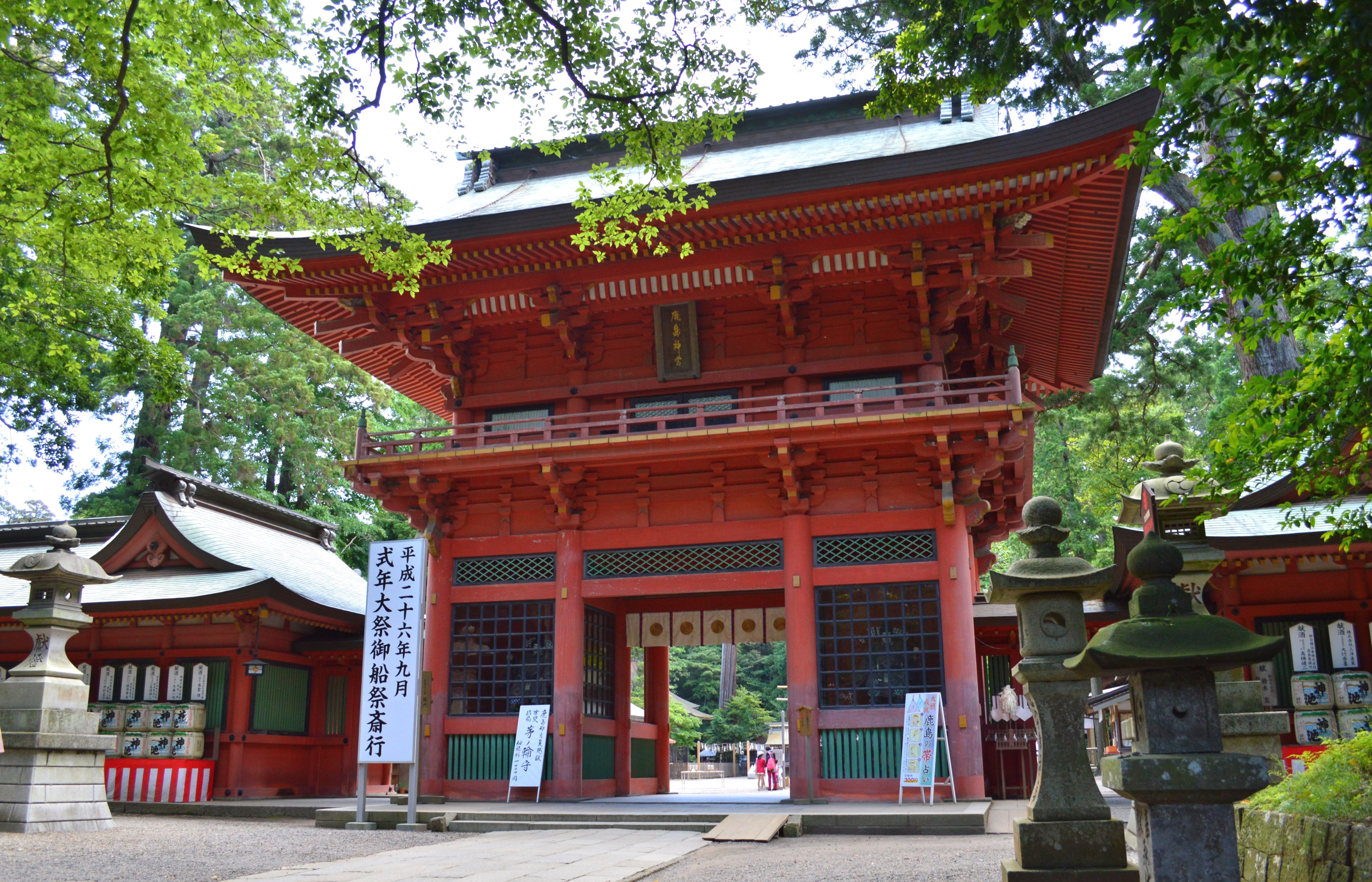
Image of Naritasan Shinsho-ji. Image source
Visit essentials
A quick read before you go
- Duration
- Let Naritasan Shinsho-ji's admitted route determine duration.
- Access
- Access begins in Narita, Chiba Prefecture.
Overview
At Naritasan Shinshō-ji, fire is daily practice rather than festival spectacle. Priests conduct the Goma rite before Fudō Myōō, feeding wooden prayer tablets into flame as mantra, drum, and disciplined movement turn petition into ritual action. This intensity belongs to a Shingon liturgy with its own custodians. Fudō is not simply a “fire god”; in Buddhist understanding, his immovable wisdom cuts through delusion.
The temple traces its foundation to 940 and has become one of Japan’s largest popular pilgrimage centers. Its material record includes the great main hall and Goma altar, halls from different periods, a three-storey pagoda, calligraphy collections, and a park descending behind the sacred core. New buildings accommodate continuing crowds and practice without erasing the older route. Visitors should understand the Goma before exploring the park.
Continuity depends on repair and custodial judgment. Present observance includes daily Goma fire rites, mantra recitation, and prayer before Fudō. Participation follows instruction rather than imitation: seating, photography, and movement rules are not negotiable, and photography yields to prayer and privacy. Conservation protects matter and meaning. Cited authorities separate heritage from doctrine, and visitors should not claim private or universal knowledge.
Why this place is sacred
Naritasan’s thinness gathers around Fudō’s fierce compassion. Heat, smoke, sound, and repeated daily discipline make protection tangible without promising visitors a generalized cleansing experience.
Devotion centered on Fudō Myōō.
Naritasan Shinsho-ji includes repair and institutional change.
Experience and orientation
Enter the great hall early enough to settle before a rite. Keep tablets and personal belongings clear of clergy routes, silence phones, and follow every camera notice. Explore older halls only after the main devotional center.
Naritasan Shinsho-ji publishes the governing approach and route.
Context and lineage
Naritasan Shinsho-ji keeps its origin story site-specific.
Shingon Buddhism, Chisan school
Traditions and practice
At Naritasan Shinsho-ji, documented observance includes daily Goma fire rites, mantra recitation, prayer to Fudō, New Year pilgrimage, and copying scripture. The named sacred focus is Fudō Myōō.
Custodians at Naritasan Shinsho-ji maintain the practices and boundaries appropriate to this temple.
Watch before acting at Naritasan Shinsho-ji; attention is welcome, borrowed ritual is unnecessary.
Shingon Buddhism, Chisan school
ActiveNaritasan Shinsho-ji is sacred within Shingon Buddhism, Chisan school.
See the documented observances specific to Naritasan Shinsho-ji.
Perspectives and open questions
Naritasan Shinsho-ji requires historical, custodial, and tradition-led readings to remain distinct.
Scholarly perspective
Historical interpretation follows the reviewed source record for Naritasan Shinsho-ji.
Living and traditional perspectives
Shingon Buddhism, Chisan school supplies Naritasan Shinsho-ji's authoritative sacred frame.
Alternative interpretations
Naritasan Shinsho-ji keeps its alternative site-specific.
Open questions
Changeable access and private ritual details remain outside this account.
Plan your visit
Access and arrival
Access begins in Narita, Chiba Prefecture.
Use established lodging serving Narita.
Respectful visit
Choose clothing suitable for worship at Naritasan Shinsho-ji.
Naritasan Shinsho-ji sets camera access at each boundary.
Use only offering places authorized by Naritasan Shinsho-ji.
Sit only where directed during goma, never photograph restricted ritual moments, and keep fire-offering routes clear.
Private, restricted, or closed practice at Naritasan Shinsho-ji remains outside visitor access.
Location
Map loads as you approach this section.
Pilgrim reflections
A portrait of encounter, not a score
Pilgrims describe what they felt, how present they could become, and whether the place would shape a journey. There are no stars and no ranking of traditions.
No reviewed reflections yet
The first pilgrims can help describe the character of being here.
Share a reflection
Available after an account-backed “Been there.” Every reflection is reviewed before publication.
Nearby sacred places
Explore other sacred places in the region. Proximity does not establish access or travel time; check each place’s guidance.


References
Sources consulted for this page. Source categories describe the publication, not a guarantee that every claim is verified. Traditional accounts and outside interpretations may differ.
- 01Naritasan Shinsho-ji official or custodial source — Naritasan Shinsho-ji custodial institution or responsible authorityofficialPrimary or delegated source for identity, religious meaning, custodianship, and visitor boundaries.
- 02Google Maps exact-place record for Naritasan Shinsho-ji — Google PlacesofficialExact-place identity, locality, coordinates, and operational identity; changeable details are not repeated as stable prose.
- 03Official visitor interpretation for Naritasan Shinsho-ji — National or local destination authorityofficialPublic interpretation and access context from a governmental or destination authority.
- 04Japan National Tourism Organization context for Naritasan Shinsho-ji — Japan National Tourism OrganizationofficialOfficial national destination context; current conditions still require direct site confirmation.
- 05Narita-san — Wikipedia contributorsSource contextGeneral identity and historical cross-check; substantive claims are bounded by higher-authority sources.
- 06Wikidata record associated with Narita-san — Wikidata contributorsacademicStructured identity and coordinate cross-check.
Pilgrim glossary
- Mantra
- A sound, word, or phrase repeated as part of meditation or ritual.
- Shingon
- An esoteric Japanese Buddhist school emphasizing ritual, mantra, and mandala practice.
Share a photo
Help visitors recognize Naritasan Shinsho-ji. Every submission is reviewed before publication.