Vatican City
St. Peter's Basilica
Built over the bones of the apostle Peter. The Confessio beneath Bernini's baldachin marks the tomb confirmed by 20th-century excavations as the apostle's burial place.
Devotional theme · Relic veneration
Sanctae Reliquiae · مَشْهَد · शरीर
Explore shrines associated with sacred relics across Christian, Buddhist and Islamic traditions. Compare their devotional histories and check each place’s visitor guidance.
20 destinations. Grouped geographically, not as a suggested travel order. Open each place for its own story and visitor guidance.
20 destinations shown
Vatican City
Built over the bones of the apostle Peter. The Confessio beneath Bernini's baldachin marks the tomb confirmed by 20th-century excavations as the apostle's burial place.
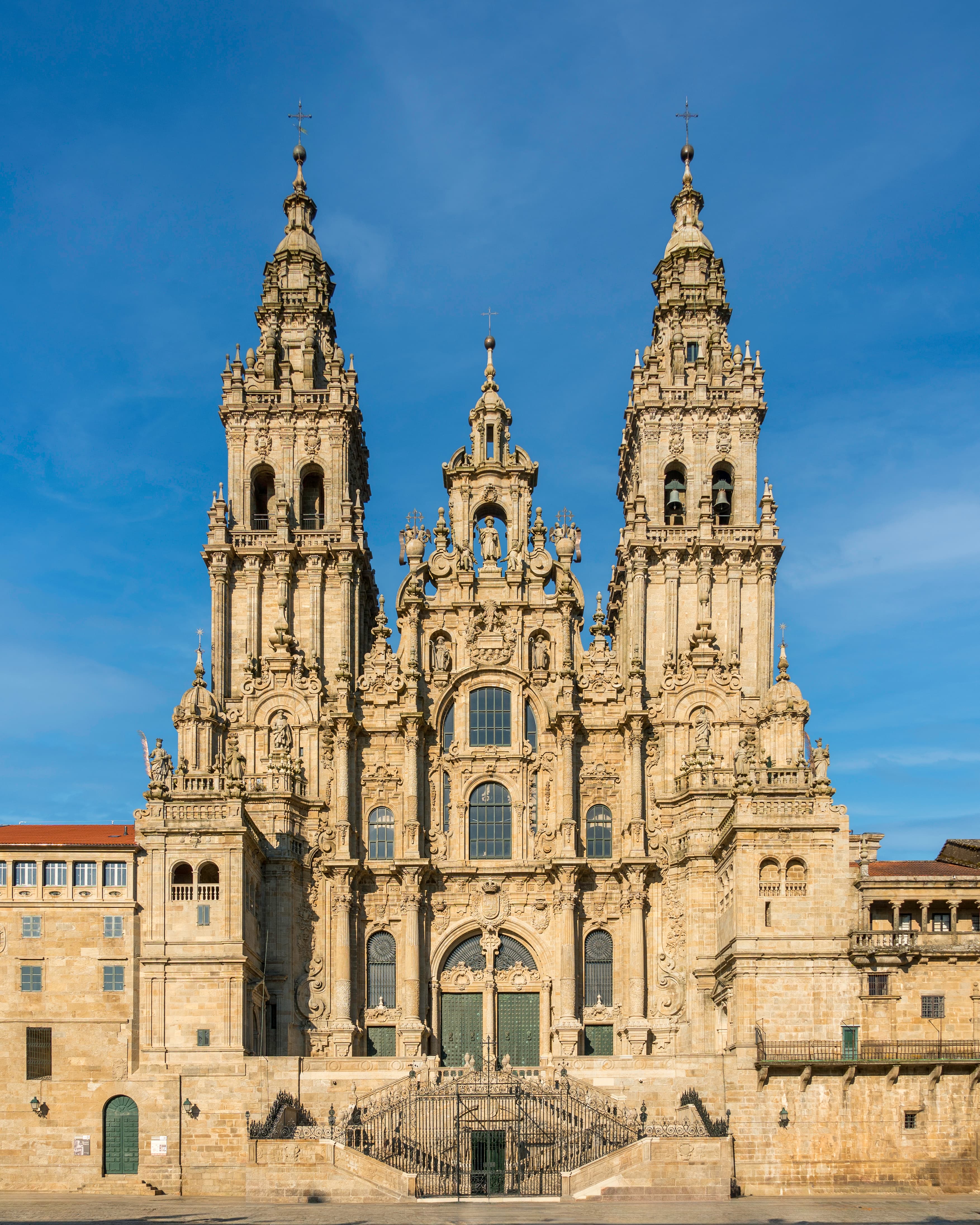
Galicia, Spain
End-point of the Camino. The cathedral preserves what tradition holds to be the relics of the apostle James the Greater, rediscovered in the 9th century in a stone tomb under the chapel of Compostela.
Cologne, Germany
Cathedral
Houses the Shrine of the Three Kings, the largest and most lavishly worked reliquary in the medieval West. Reputed to contain the remains of the Magi, brought from Milan in 1164.
Aachen, Germany
Cathedral
Charlemagne's Palatine Chapel. The Aachen relics — including textiles attributed to the Holy Family — are exposed once every seven years (the Heiligtumsfahrt).
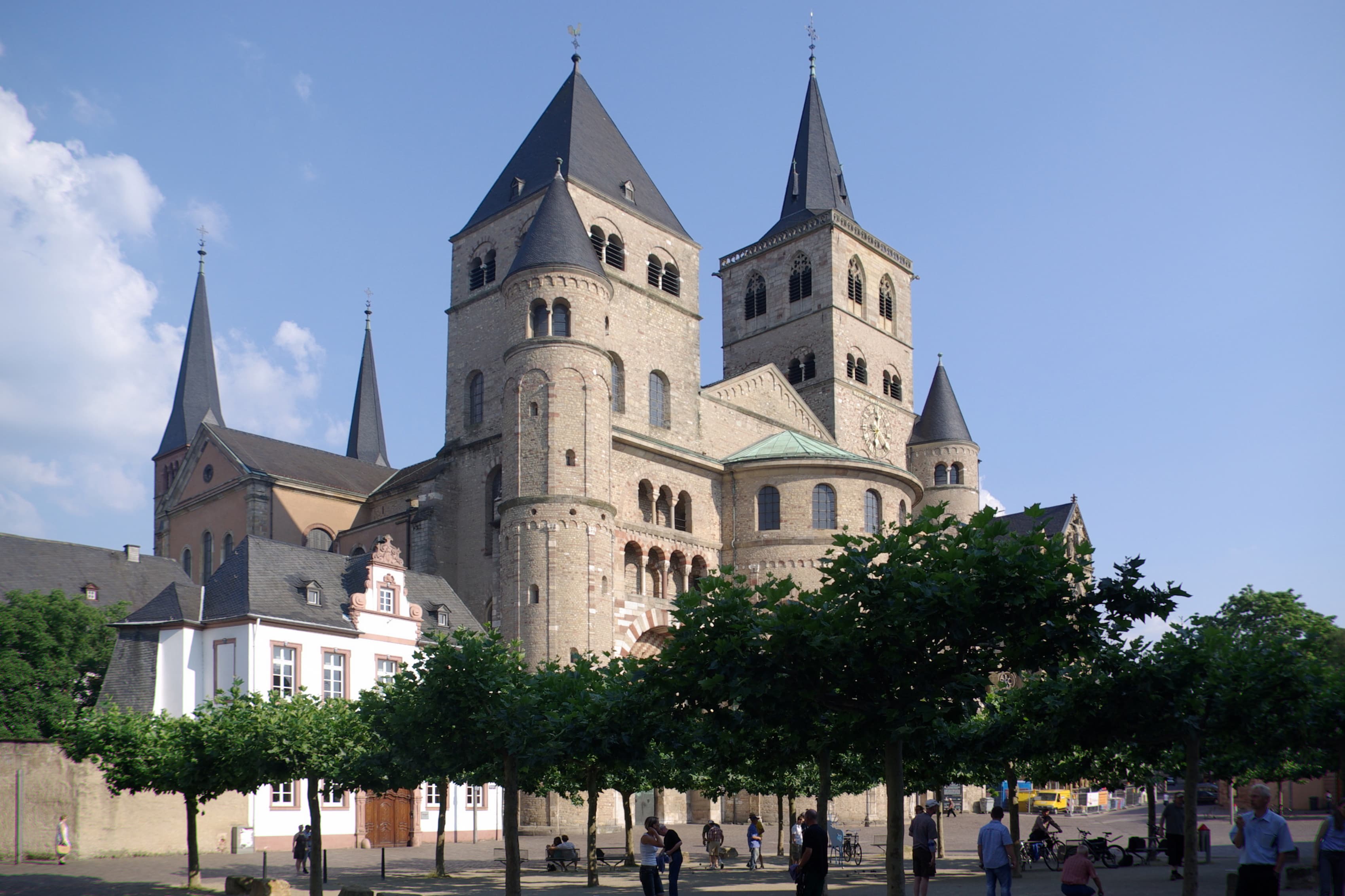
Trier, Germany
Cathedral
Tradition holds that Saint Helena gave the Holy Robe — the seamless tunic of Christ — to the cathedral of Trier in the 4th century. Exposed only periodically; the most recent veneration was in 2012.
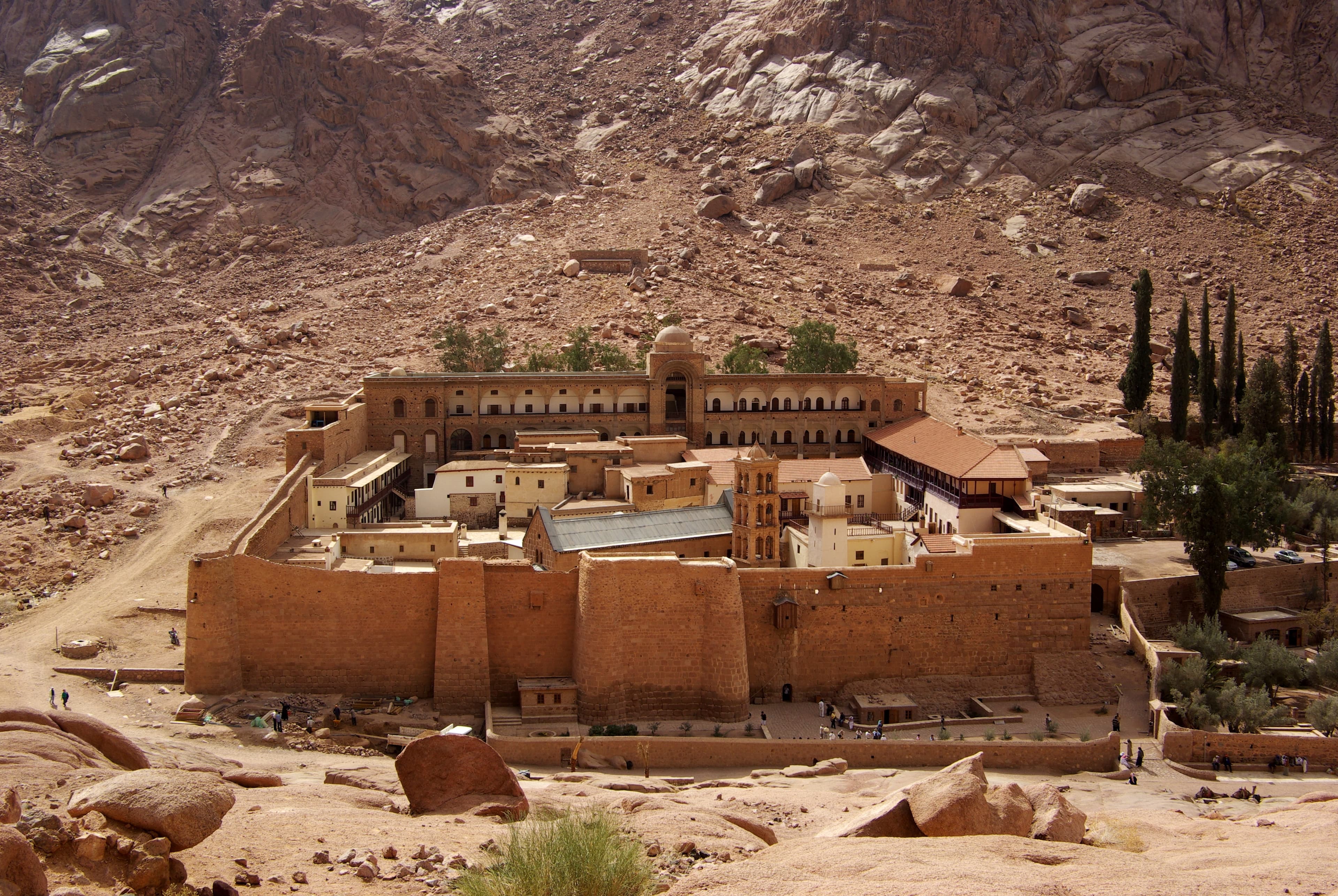
Mount Sinai, Egypt
Monastery
The world's oldest continuously inhabited Christian monastery. Preserves the Burning Bush, the relics of Saint Catherine of Alexandria, and one of Christianity's greatest icon and manuscript collections.
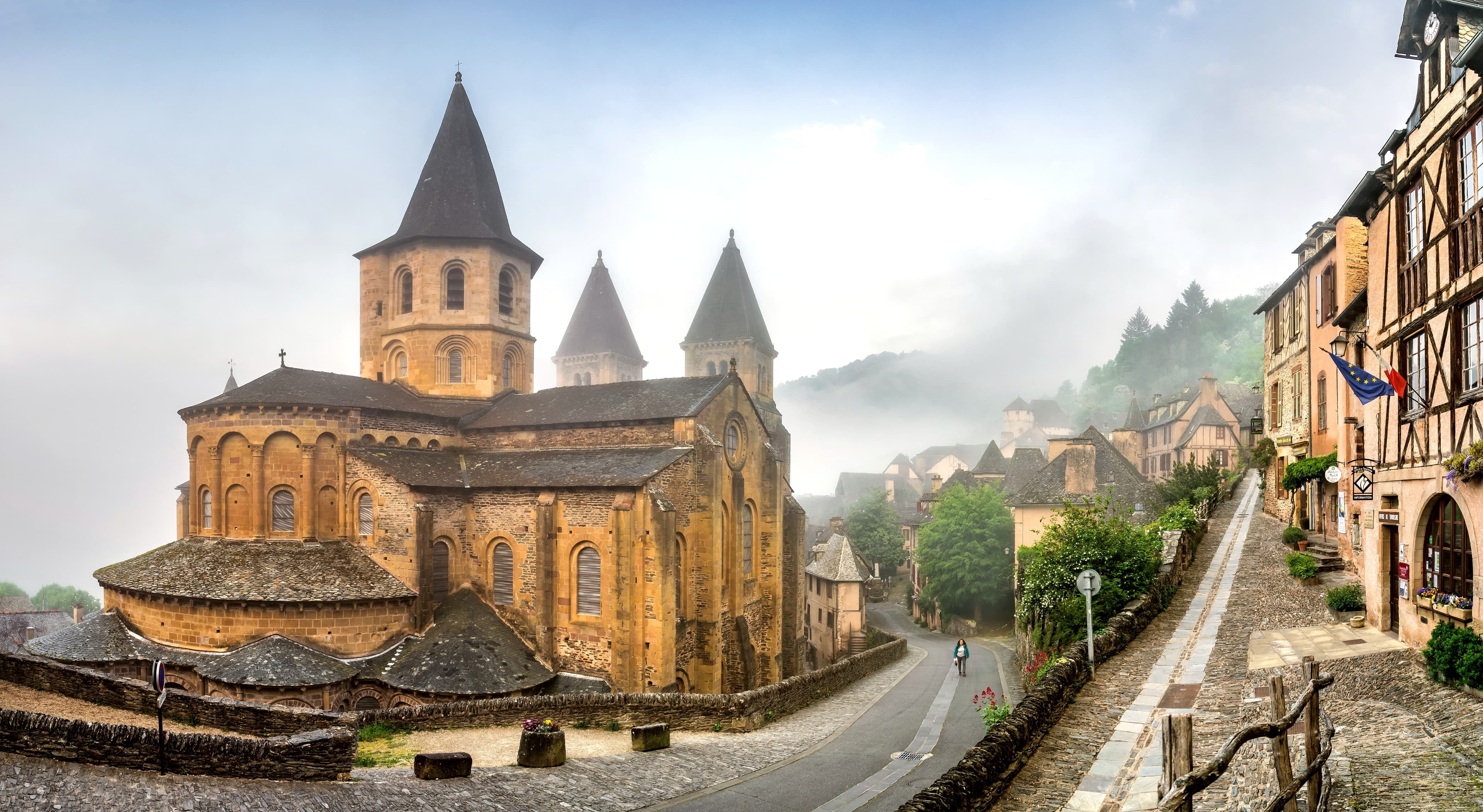
Conques, France
Abbey
A Romanesque pilgrimage church on the Way of Saint James. The 9th-century reliquary statue of Saint Faith — covered in gold, gems, and antique cameos — is the finest surviving major-reliquary of the West.
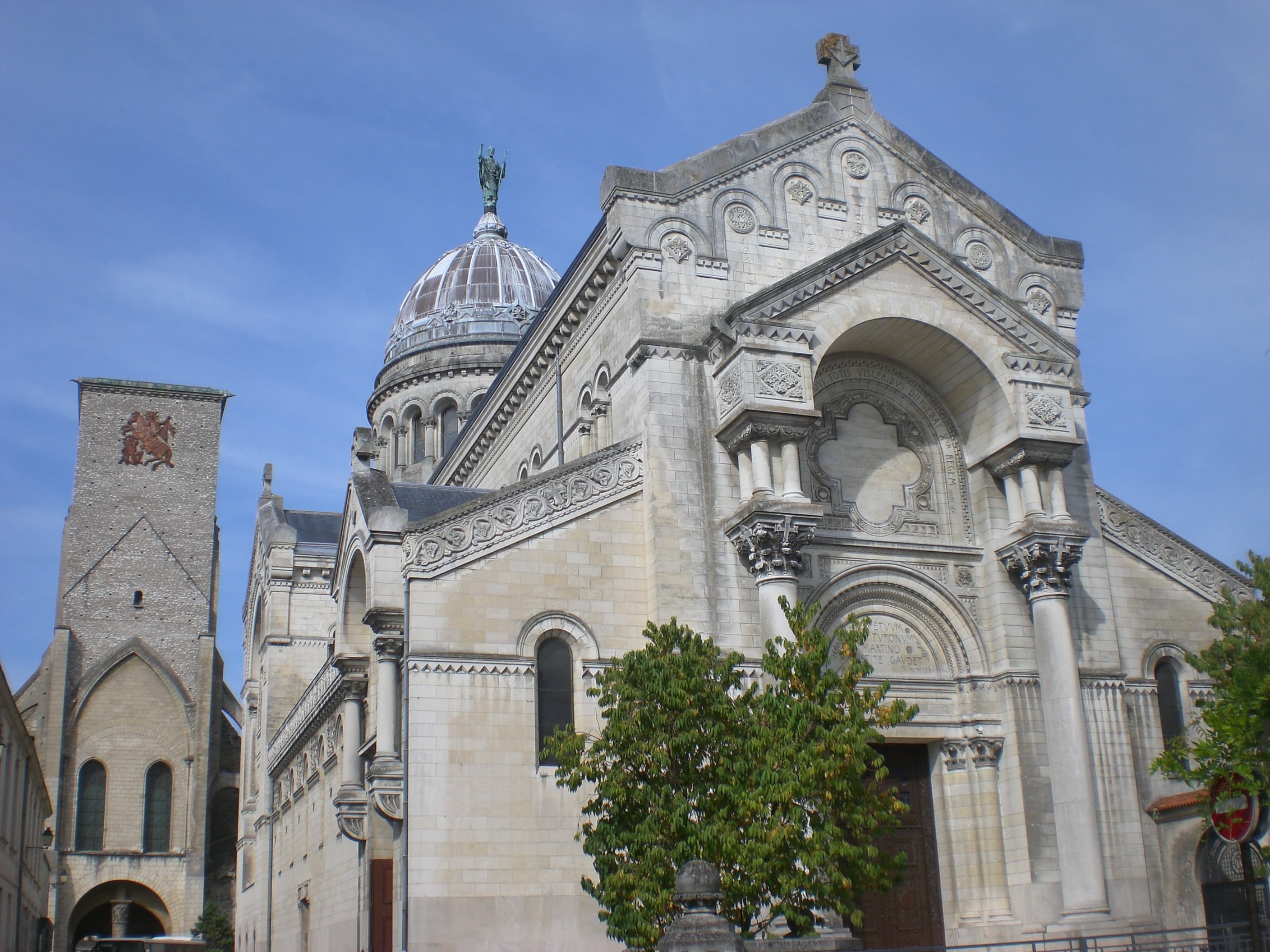
Tours, France
Basilica
The tomb of Saint Martin of Tours has been one of the great pilgrimage destinations of Western Christendom since the 5th century. The current Romanesque-Byzantine basilica was rebuilt over the original burial in 1925.
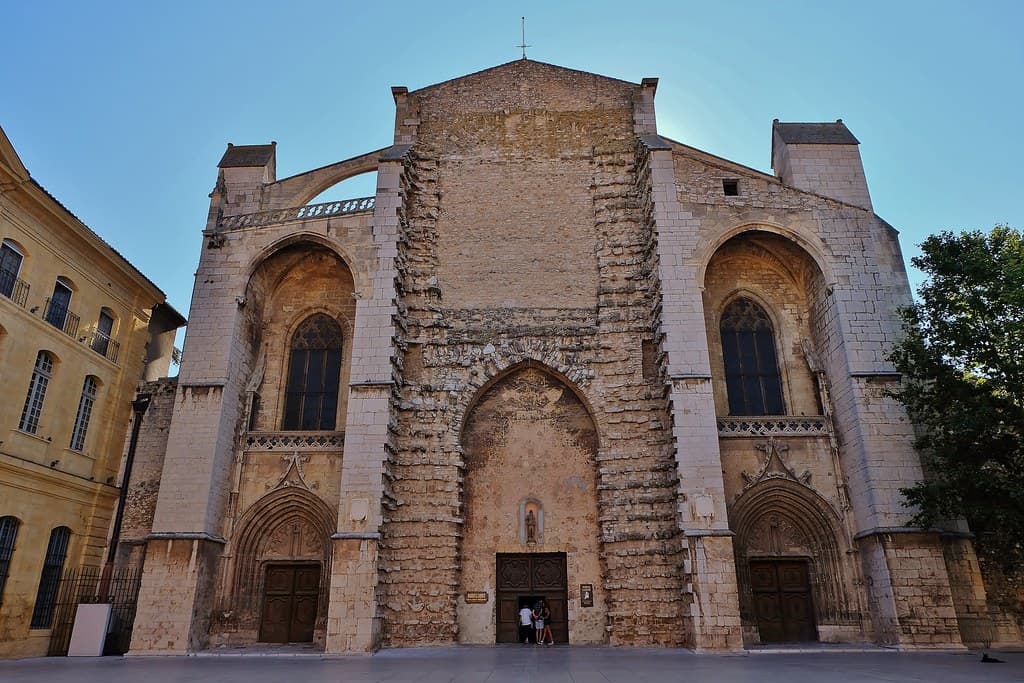
Provence, France
The southern tradition holds that Saint Mary Magdalene came to Provence after Christ's resurrection. The basilica's crypt holds her reliquary skull — a focal point of Provençal pilgrimage since the 13th century.
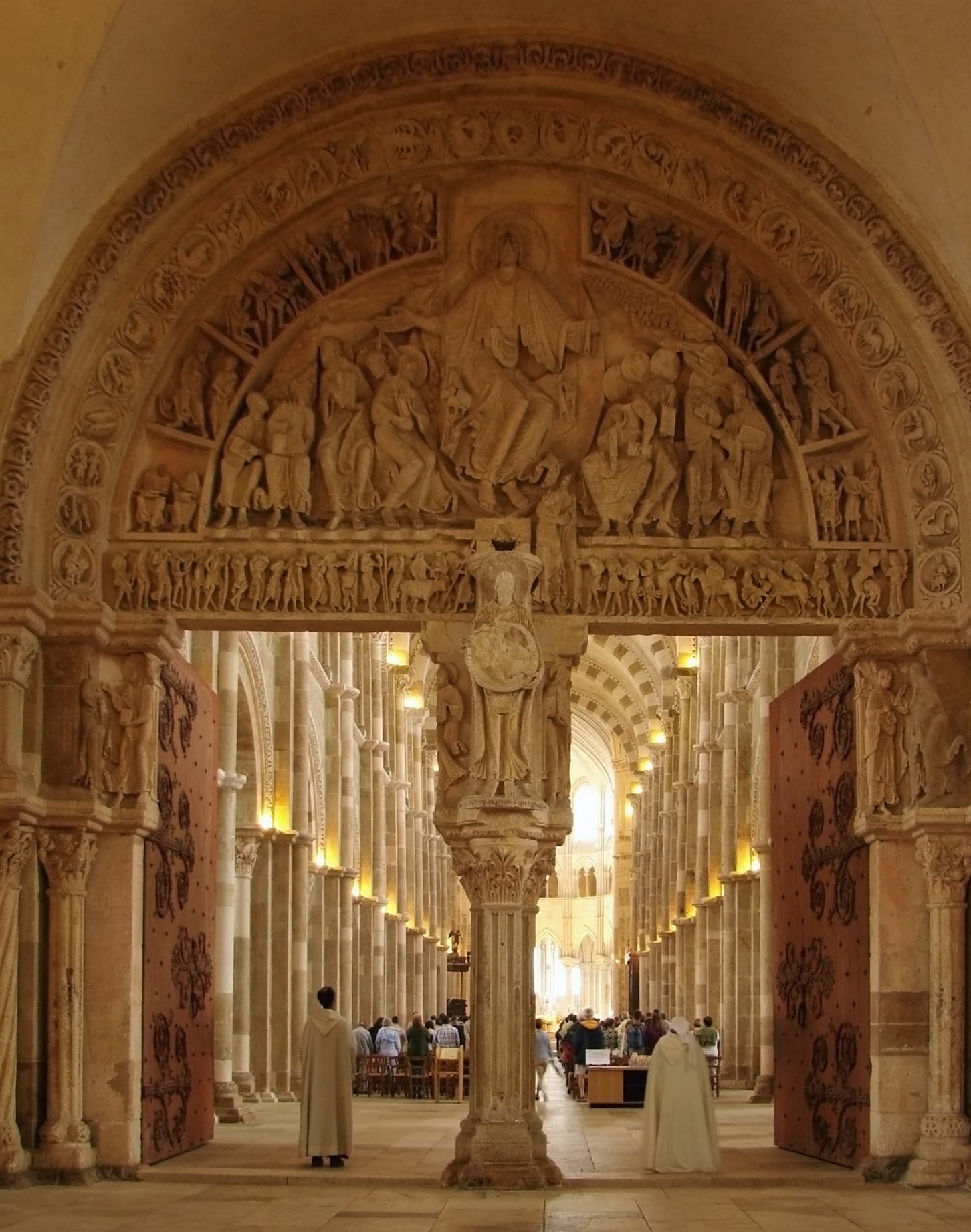
Vézelay, Burgundy, France
A Romanesque masterpiece on a Burgundian hilltop. From the 11th century, Vézelay was the principal northern shrine of Saint Mary Magdalene and a major start of the Way of Saint James.
Normandy, France
Founded after Saint Michael appeared three times to Bishop Aubert of Avranches in 708 AD. The abbey houses relics venerated as belonging to the Archangel — fragments of cloak and stone — and remains a major Marian-Michaelic pilgrimage.
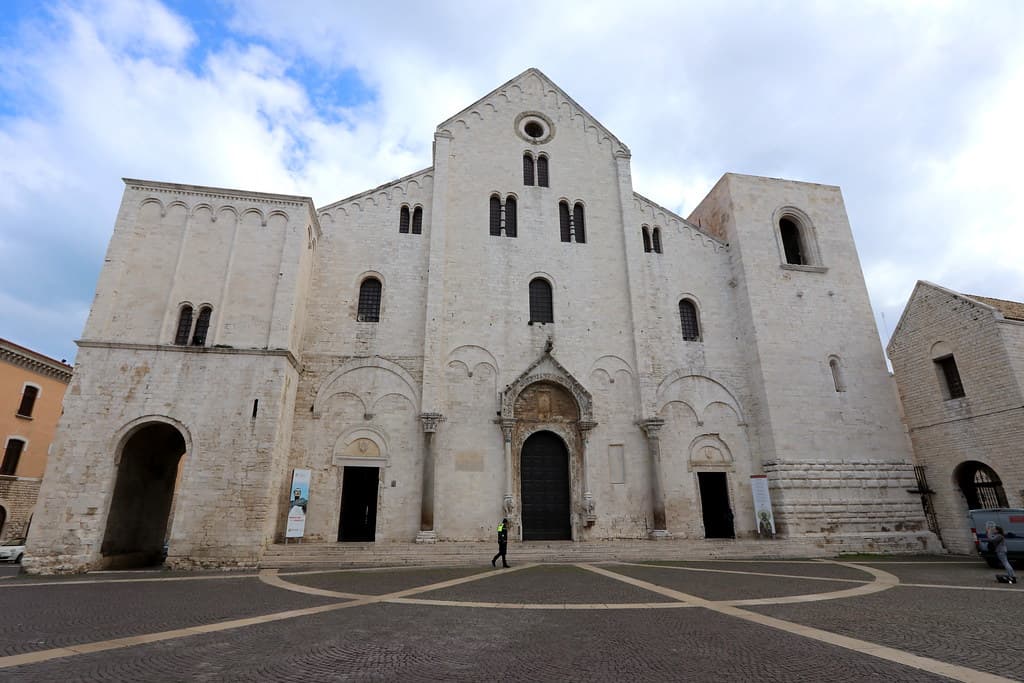
Bari, Italy
Basilica
Houses the bones of Saint Nicholas of Myra, brought from Lycia in 1087. The annual translation of the manna — a clear liquid that the relics are said to exude — remains the focus of Catholic and Orthodox pilgrimage.
Loreto, Italy
Sanctuary
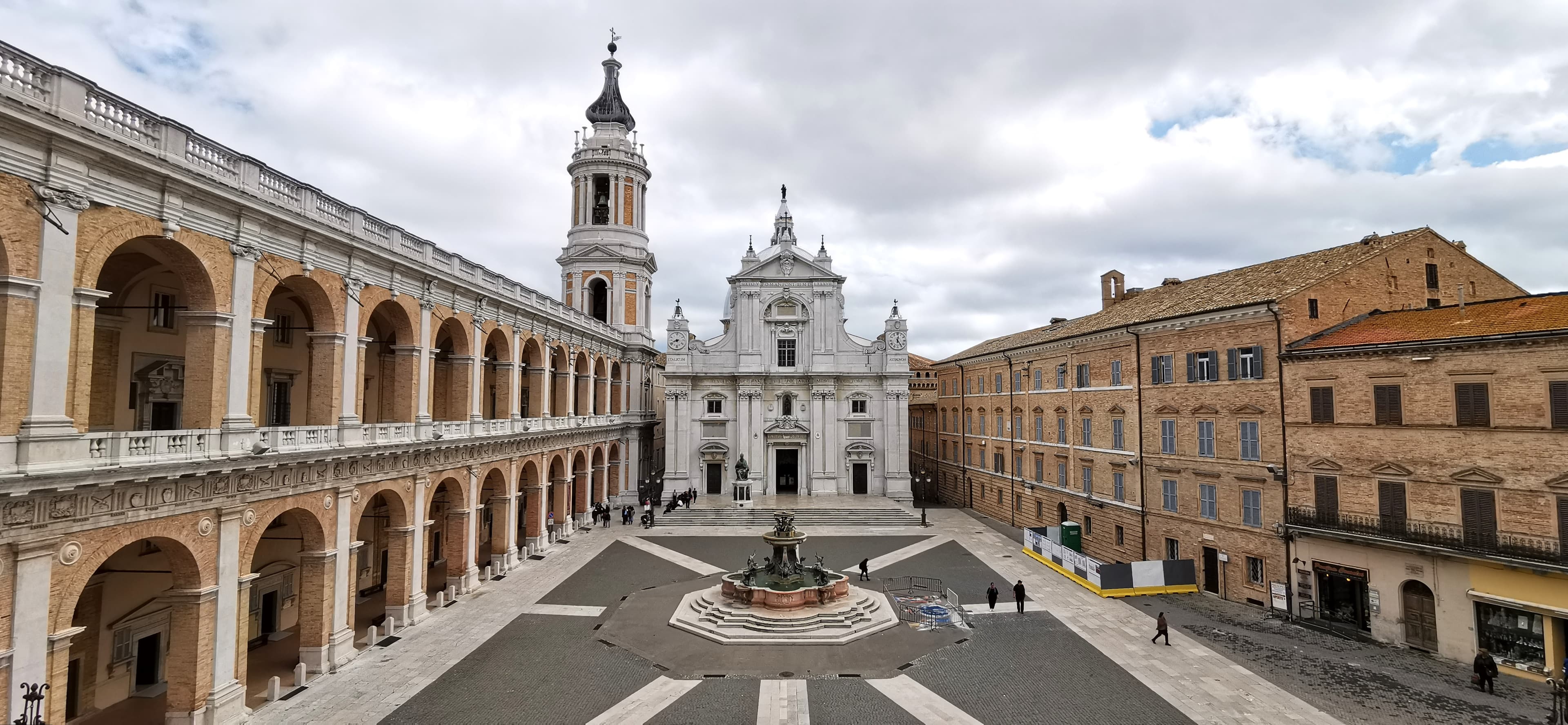
A small house of dressed stone, said to be the home of the Virgin Mary in Nazareth, transported by ‘angelic translation' to the Marche in 1294. Whatever its origin, the stone is of Galilean type and dimensions.
Turin, Italy
Cathedral
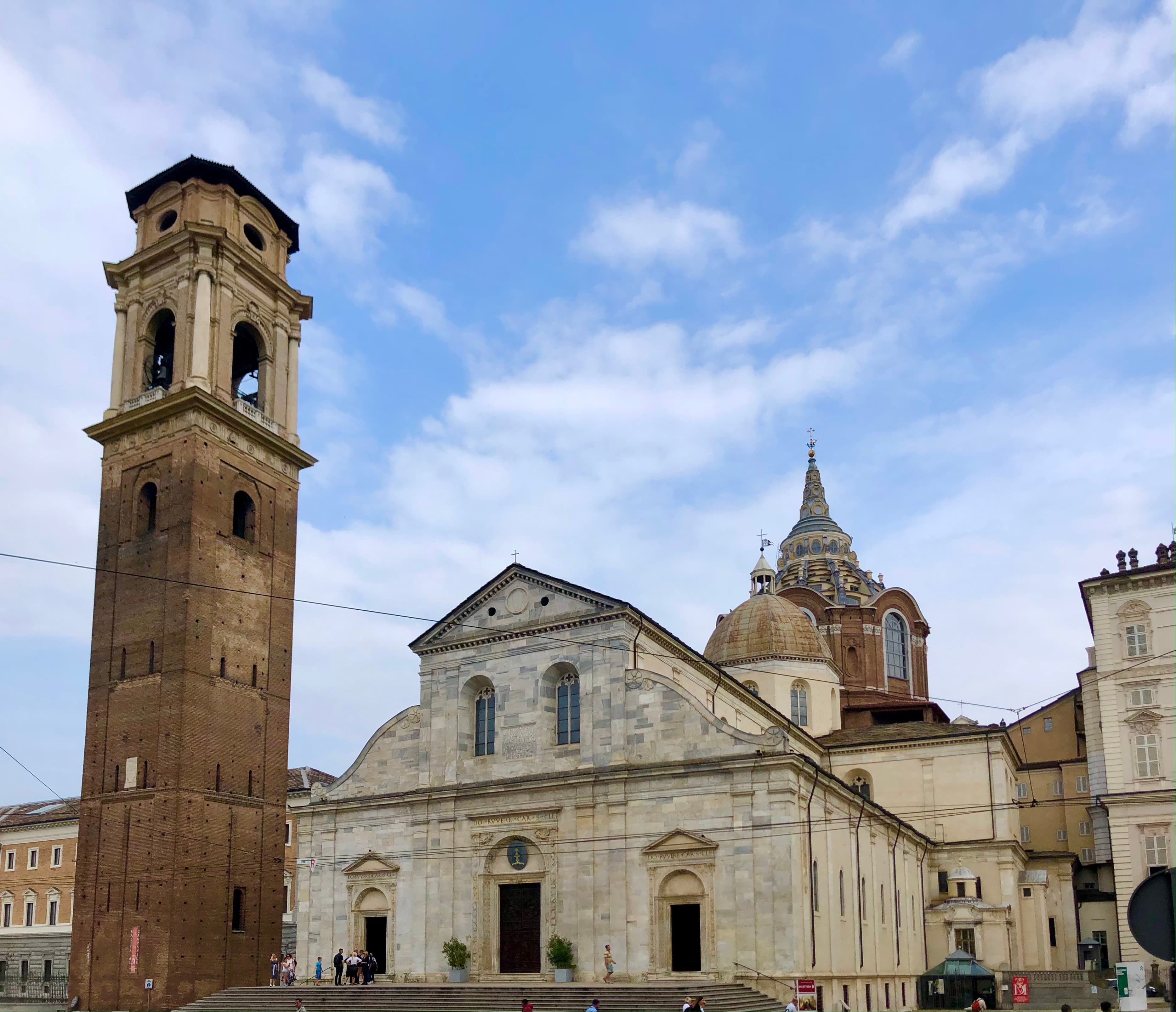
The Shroud, a linen cloth bearing the front-and-back image of a crucified man, has been preserved in Turin since 1578. The Catholic Church has not formally pronounced on its authenticity; pilgrim veneration is approved.
Bodh Gaya, Bihar, India
Temple and Tree
The site of the Buddha's enlightenment. The Bodhi Tree itself is venerated as a relic of place; the temple complex shelters the Vajrasana, the diamond seat where Gautama awoke.
Kandy, Sri Lanka
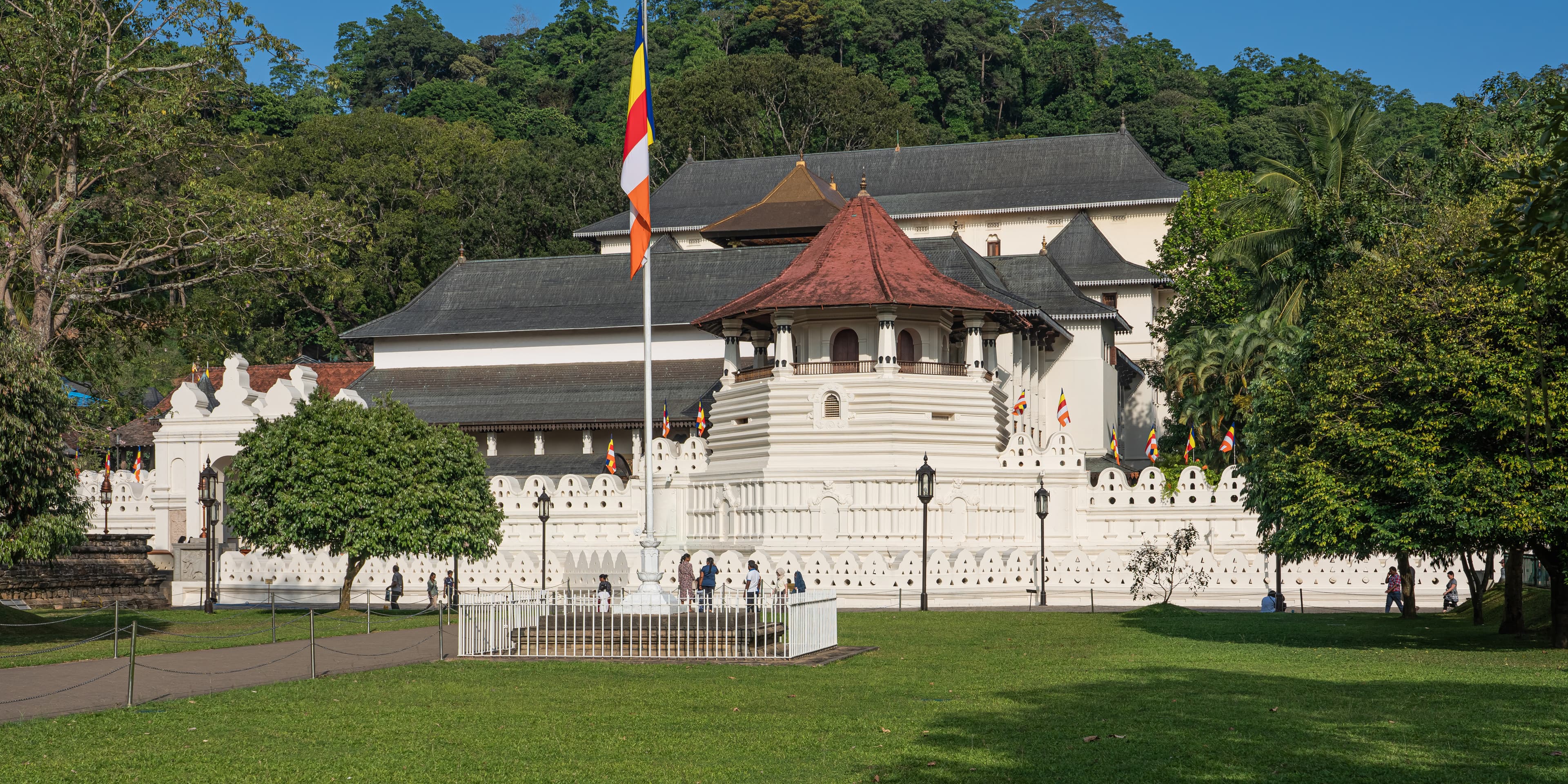
Houses the Sacred Tooth Relic of the Buddha, brought from India in the 4th century AD. The annual Esala Perahera procession is one of the oldest continuously performed Buddhist rituals in the world.
Mashhad, Iran
City
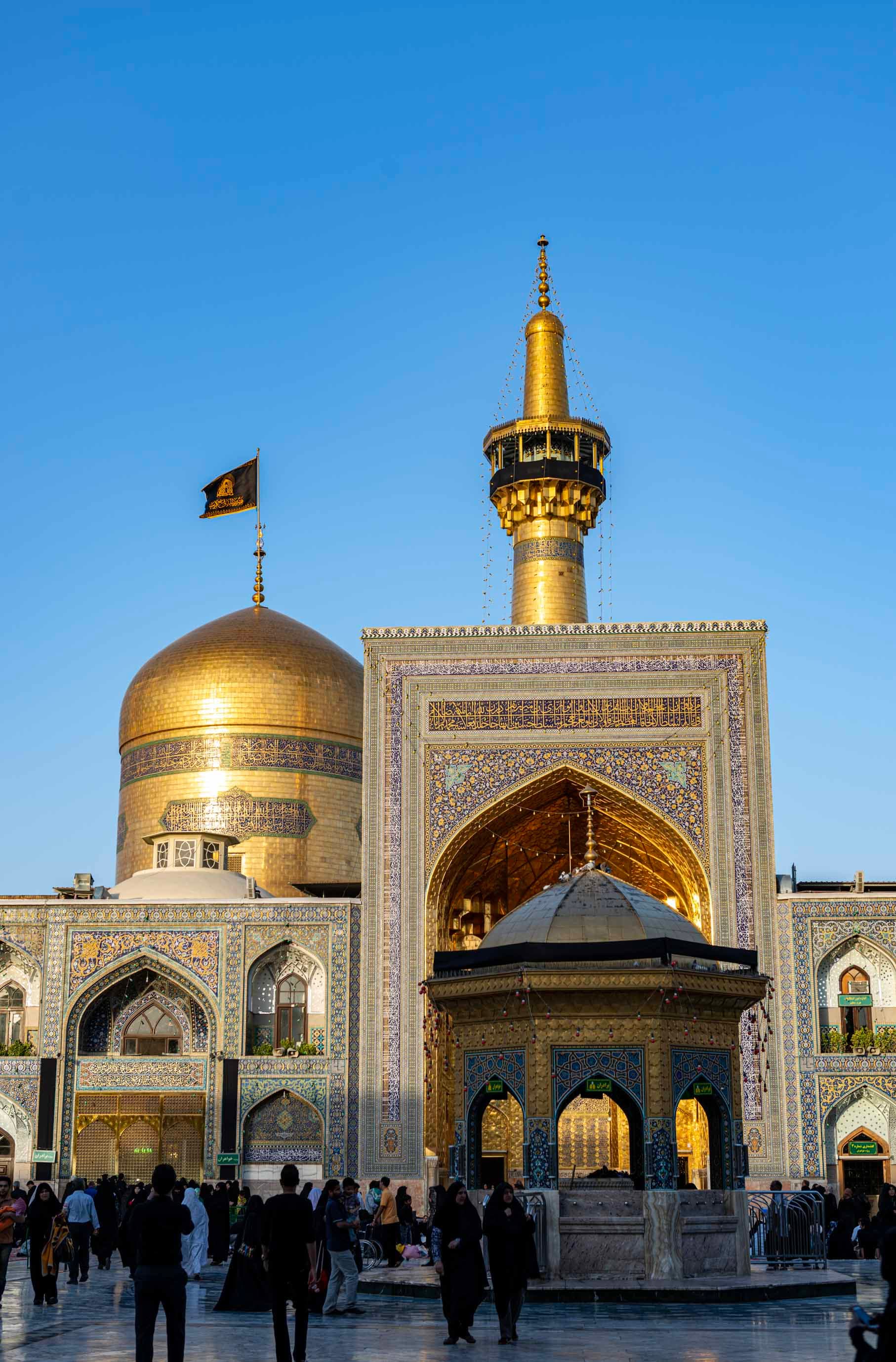
Tomb-shrine of the eighth Shi'a Imam, Ali ibn Mūsā al-Riḍā (martyred 818 CE). One of the largest mosque complexes in the world; receives some 30 million pilgrims annually.
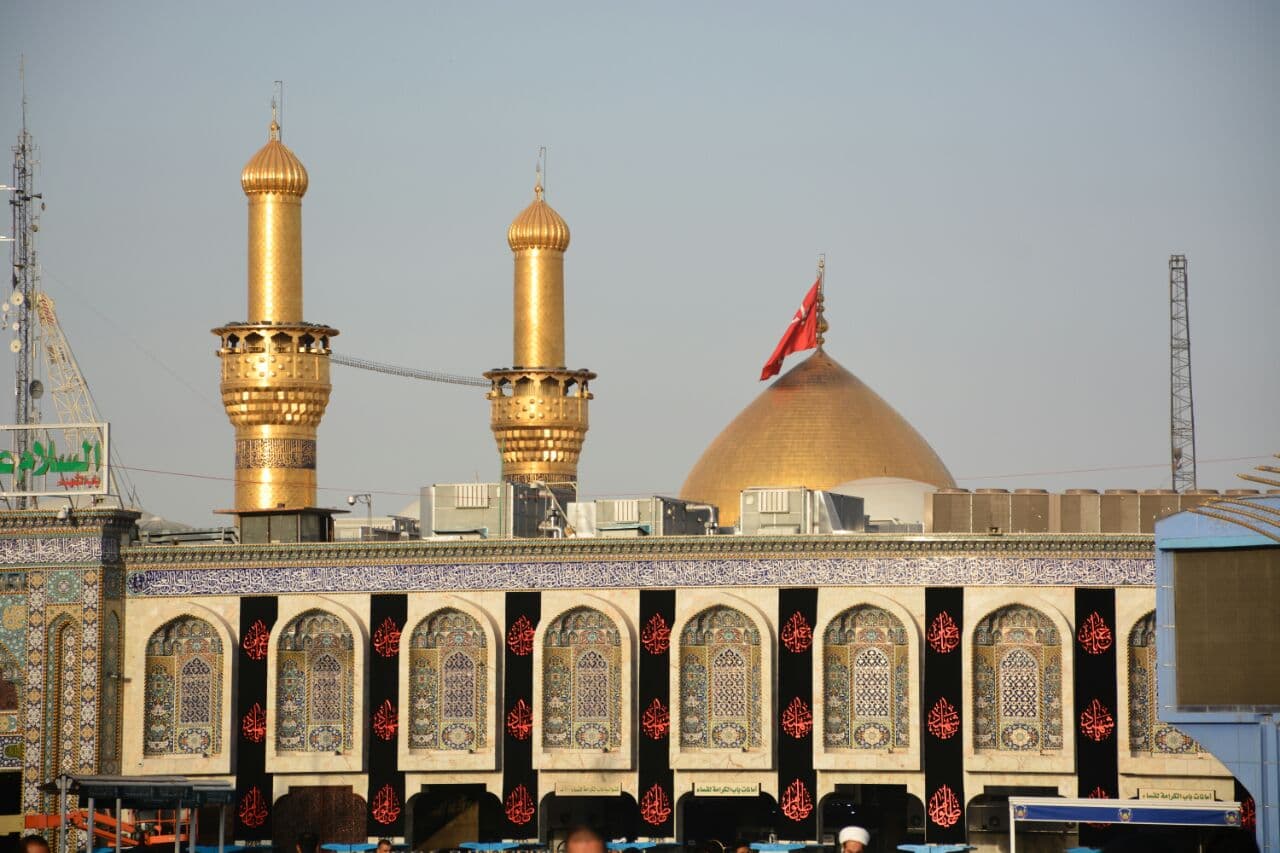
Karbala, Iraq
Mausoleum
The tomb of Imam Husayn ibn Ali, the Prophet's grandson martyred at Karbala in 680 CE. The annual Arba'een pilgrimage gathers tens of millions, the largest annual peaceful gathering on earth.
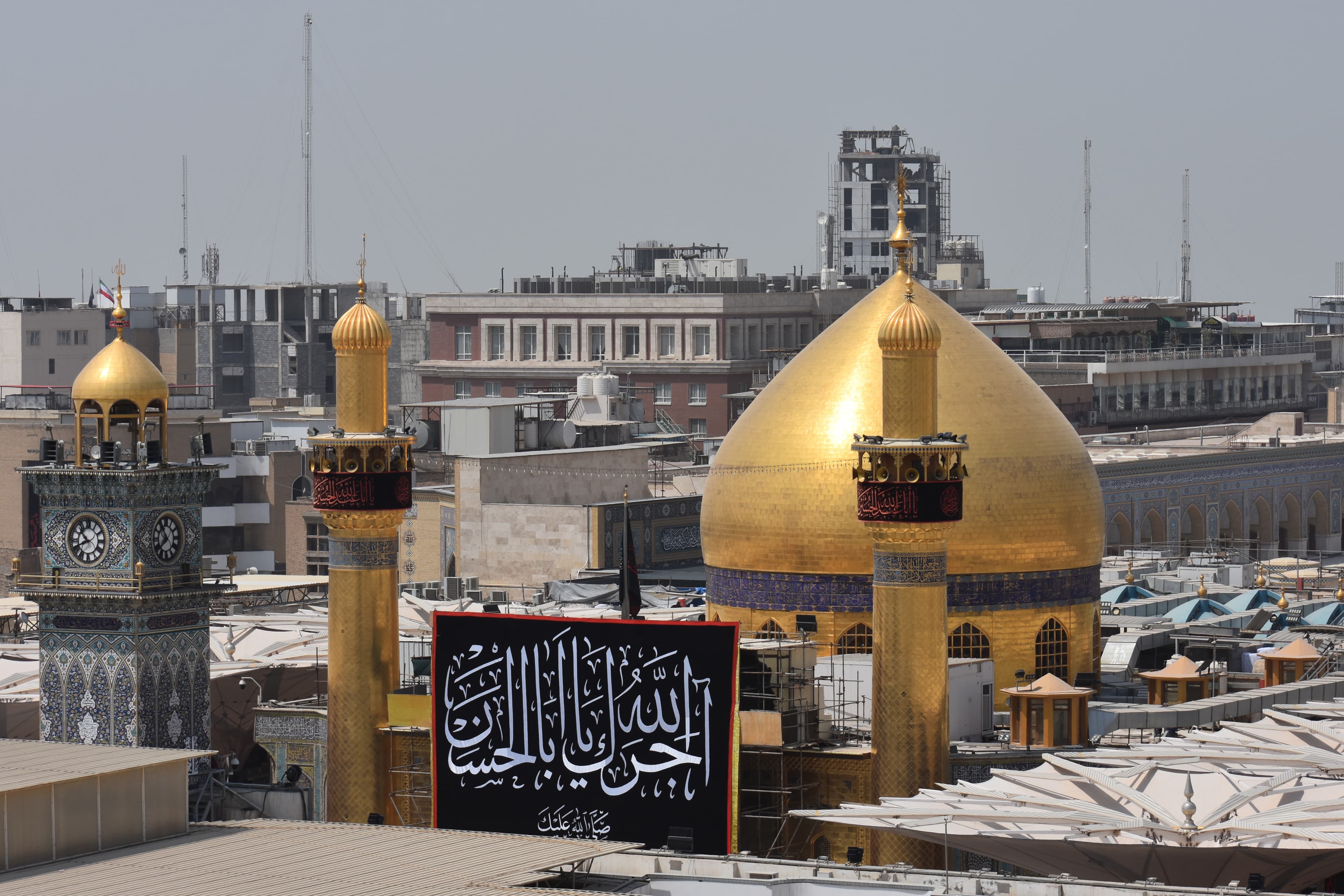
Najaf, Iraq
Mausoleum
Tomb of Ali ibn Abi Talib, cousin and son-in-law of the Prophet Muhammad and the first Shi'a Imam. The mausoleum has been the central Shi'a pilgrimage and seminary city for more than a millennium.
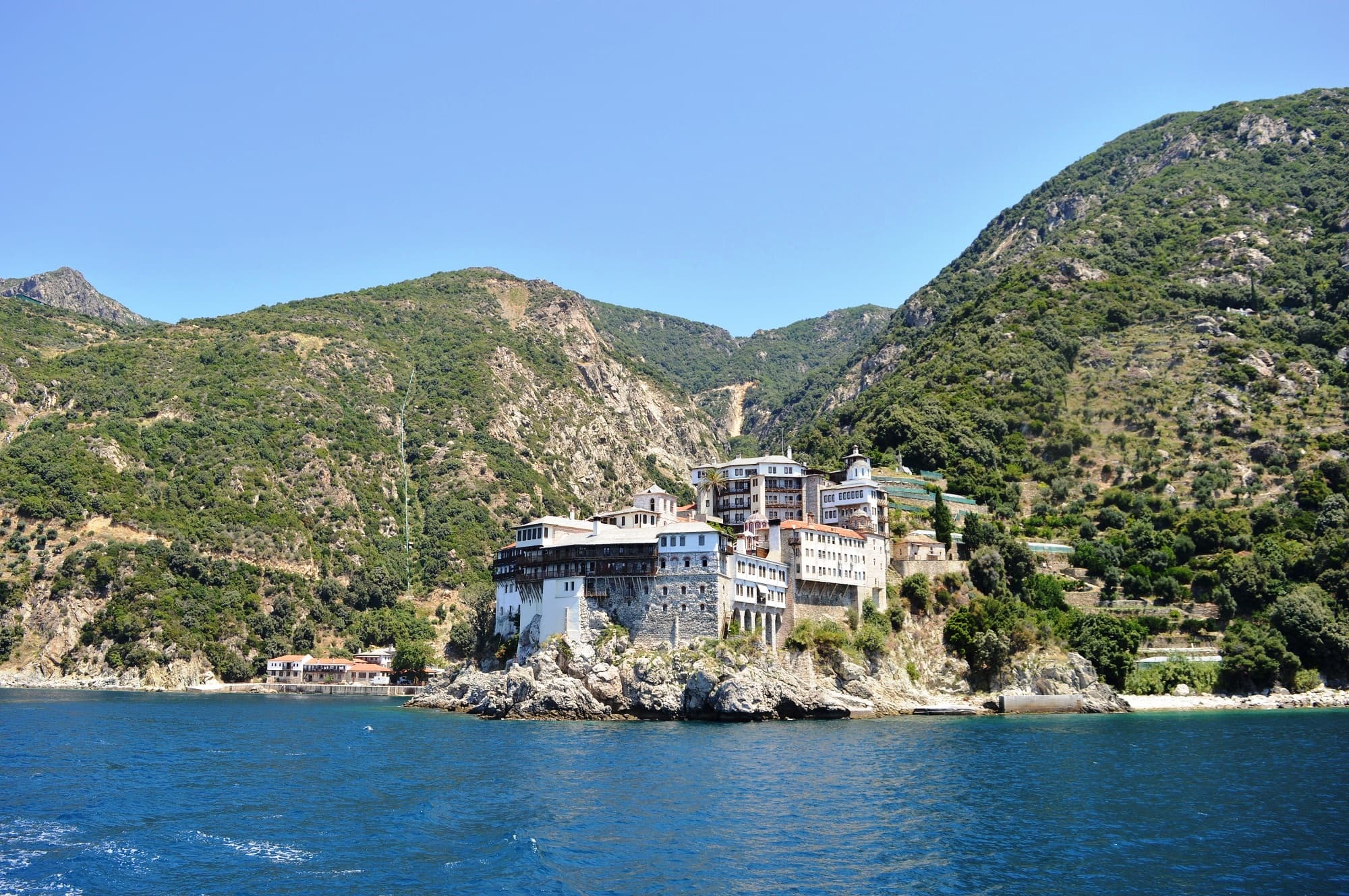
Athos peninsula, Greece
The autonomous monastic republic of the Eastern Orthodox world. The twenty ruling monasteries collectively hold the largest concentration of Christian relics on earth — including pieces of the True Cross and the Belt of the Theotokos.
For Sacred relic pilgrimage sites. Local rules and custodians take priority.
Pilgrim Map · Sacred relic pilgrimage sites
Explore the history behind these places. Traditional accounts, scholarly interpretations and living practices may differ.
Why relics matter
A relic is a piece of the world that has been refused to time. A finger of the apostle, a strand of the Buddha's hair, the tomb of an Imam — the body of the holy person is held to remain available, here, in this reliquary, in this earth, after the death that should have ended it. Pilgrims walk toward that body. They have done so since the second century in Christian Asia Minor, since at least the seventh in Shiʿa Iraq, since the funeral of the Buddha himself in the fifth century BC.
What pilgrims expect from this nearness varies. At Najaf and Karbala, the visit is a ziyāra — a calling-upon, a renewal of allegiance, a participation in the foundational mourning of Shiʿa Islam. At Cologne and Compostela, the medieval pilgrim came for indulgence, healing, and the sober reassurance that the saint was where the inscription said he was. At Bodh Gaya, the Bodhi Tree under which the Buddha awoke is itself a relic, a paribhogika — a thing used by him — and to circumambulate it is to step into the same ground. The grammar differs; the underlying gesture rhymes.
Relic shrines are also among the most contested places in the religious landscape. Authenticity has been argued from late antiquity onward. Theological doctrine distinguishes carefully between veneration of the holy person and worship reserved to God. Reformers in the sixteenth century burned reliquaries; modern scientists radiocarbon-date their contents. None of this has emptied the shrines. People still come, and the institutions around them still receive them.
What a relic is
Relic veneration is not one practice but several, each with its own theology, classification, and history. The shared impulse is bodily presence — the conviction that the holy person remains touchable through what they left behind. The classifications below organise the major canonical traditions, with a fourth card on the long argument about authenticity that has shadowed all of them.
Perspective 01
The Catholic and Orthodox tradition distinguishes three classes. First-class relics are parts of a saint's body — bone, hair, blood. Second-class are objects the saint owned or wore. Third-class are items touched to a first-class relic. The cult begins with the second-century veneration of the martyrs of Lyon, Smyrna, and Rome at their tombs. By the eighth century, Western canon law required a relic in every consecrated altar — a rule still observed. The relic-translations of the medieval centuries (Nicholas to Bari in 1087, the Magi to Cologne in 1164, James to Compostela) built the great pilgrimage routes.
Perspective 02
Shiʿa Islam venerates the tombs (mashhad, maqām) of the twelve Imams and their relatives, most of whom were killed by Sunni caliphs and whose burial places became sites of ziyāra. Najaf holds the tomb of Imam Ali, the first Imam; Karbala holds that of his son Hussein, killed in 680 AD; Mashhad in northeastern Iran holds the eighth Imam, Reza, who gave the city its name (mashhad means 'place of martyrdom'). Sunni jurisprudence has at times contested the practice; the Shiʿa response holds that the visit is intercession, not worship, and that the Imams remain spiritually present at their tombs.
Perspective 03
The Pali tradition distinguishes śarīra — bodily relics, including bone fragments, teeth, and hair attributed to the Buddha himself — and paribhogika, things he used or touched. The Buddha's cremated remains were divided among eight kingdoms after his death and enshrined under stupas; King Ashoka in the third century BC is said to have redivided them into 84,000 portions. The Tooth Relic at Kandy is the most politically charged of the surviving śarīra. The Bodhi Tree at Bodh Gaya is the great paribhogika — a living descendant of the tree under which the Buddha awoke.
Perspective 04
Doubt is as old as the cult. Augustine warned against the trade in relics in the fourth century; Calvin in 1543 catalogued the multiple heads, arms, and crowns of thorns scattered across European churches. Modern scientific dating has confirmed some claims (the Three Magi reliquary's contents are first-millennium) and challenged others (the Shroud of Turin's medieval radiocarbon date remains disputed). Most traditions hold that veneration does not depend on physical certainty — what is venerated is the holy person, of whom the object is a sign. Even so, the argument continues, and is part of what these shrines are.
A long history
Early Christian relic veneration grows directly out of the cult of the martyrs. Christians gathered annually at the tombs of those executed in the persecutions — Polycarp in Smyrna in 155, Cyprian in Carthage in 258, the Roman martyrs in the catacombs — to celebrate the eucharist on the anniversary of the death. The tomb became an altar. From the fourth century onward, with martyrdom no longer the path of most Christians, the relics themselves are translated — moved from one church to another — and the network of pilgrimage routes follows. Saint Nicholas's remains are taken from Myra to Bari by Italian sailors in 1087; the reputed bones of the Three Magi are taken from Milan to Cologne by Frederick Barbarossa's chancellor in 1164; the body of Saint Martin of Tours, the patron of Gaul, anchored one of the earliest mass pilgrimages in Latin Christendom. Conques, Vézelay, Saint-Maximin-la-Sainte-Baume, Mont-Saint-Michel, Loreto — every great medieval pilgrimage site is a relic site.
The Buddhist trajectory begins with the funeral of the Buddha at Kushinagar around 483 BC. The Mahāparinibbāna Sutta describes the division of the cremated remains among eight kingdoms, each of which raised a stupa over its portion. Two centuries later, the emperor Ashoka — by his own inscriptions a remorseful convert after the conquest of Kalinga — is said to have opened seven of the eight original stupas and redistributed the relics into 84,000 portions across his empire and beyond. The Tooth Relic, said to have been rescued from the cremation pyre, was brought to Sri Lanka in the fourth century and became inseparable from Sinhalese kingship; the king who held the Tooth held the right to rule. The great Mahabodhi Temple at Bodh Gaya, marking the place of the awakening, was built in its present form in the fifth or sixth century AD and has been a pilgrimage site for at least two millennia.
Shiʿa Imam shrines are simultaneously tombs and sites of foundational mourning. The killing of Hussein and his companions at Karbala on the tenth of Muḥarram, 680 AD, is the central event of Shiʿa history; the Arbaʿīn pilgrimage that marks the fortieth day after his death now draws between fifteen and twenty-five million pilgrims annually to Karbala, on foot, in what has become one of the largest gatherings of human beings anywhere in the world. Najaf, where Ali is buried, is the seat of the marjaʿīya, the senior clerical authority of Twelver Shiʿism. Mashhad, with the shrine of the Imam Reza, draws more than twenty million pilgrims a year. The continuity is not antiquarian. It is among the most concentrated and continuously practiced forms of pilgrimage on earth.
Catholic and Orthodox theology distinguishes latria — the worship due to God alone — from dulia, the veneration owed to the saints, and hyperdulia, the higher veneration reserved for Mary. The relic is not worshipped; the saint is honoured through it, and through the saint the prayer reaches God. Shiʿa Muslim teaching makes a similar distinction: the visit to the Imam's tomb (ziyāra) is intercession, not the directing of worship to anyone but God. Buddhist veneration of śarīra is offered as a recollection of the Buddha and his virtues, not as petition to a deity. All three traditions have argued the distinction internally — and with each other — for centuries.
No tradition claims that every relic is what its label says, and the major institutions are usually candid about it. Scientific dating has confirmed some claims — the textiles and bones in the Cologne Three Kings reliquary contain first-millennium material — and undermined others. The 1988 carbon-14 dating of the Shroud of Turin returned a medieval result; the dating remains contested. The Catholic Church has discontinued public veneration of certain relics whose provenance failed examination. What the traditions hold is that veneration is offered to the holy person, of whom the object is a sign; the object's physical authenticity matters, but veneration does not collapse if it is doubted. Pilgrim Map describes what each shrine holds, what its tradition says about it, and what scholars have established.
Choose a region and open a destination for its story and visitor guidance. Some places have limited visitor details; consult the responsible community or custodians before planning a visit.
Sources
The selections, dates, and traditions referenced on this page draw from the following sources. Where claims of healing, apparition, or relic provenance are made, we link to the institutional or scholarly source rather than presenting them as confirmed fact.