Tlatelolco Archaeological Zone
A Mexica ceremonial city where temples, market memory, conquest, and modern mourning meet
Understand sacred places, explore living traditions, and learn how to engage respectfully with Pilgrim Map.
Access has not been verified. Check current local guidance before planning a visit.
Mexico City, Mexico City, Mexico
Read the sources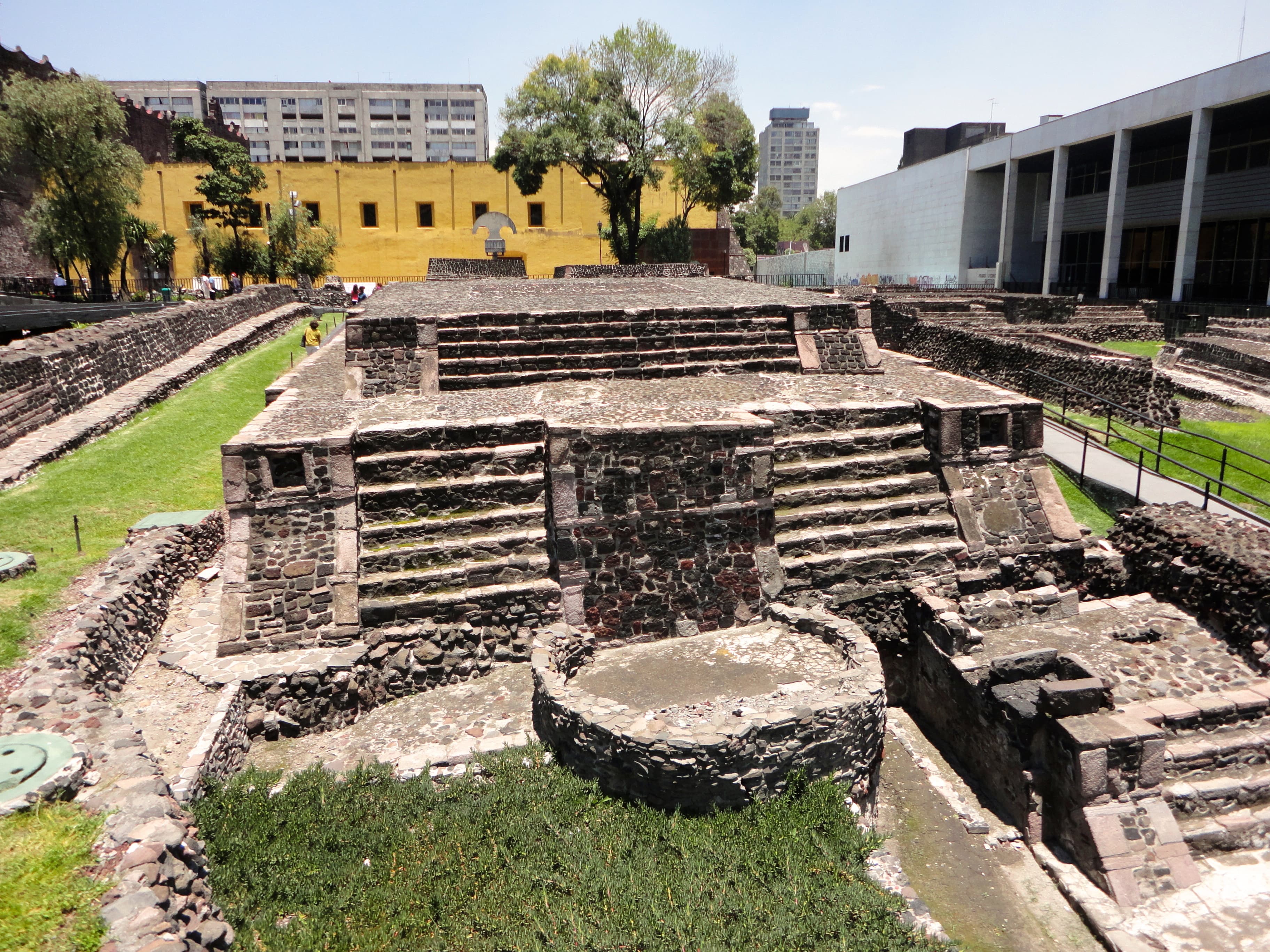
Tlatelolco Archaeological Zone — rights-reviewed exact-site image. Image source · CC BY-SA 3.0
Visit essentials
A quick read before you go
- Duration
- Allow flexible time for the archaeological route and visit adjacent institutions separately.
- Access
- Use the exact destination Zona Arqueológica de Tlatelolco at Eje Central Lázaro Cárdenas and…
Overview
Tlatelolco is often introduced through the broad sightline of the Plaza de las Tres Culturas: Mexica stone platforms in the foreground, the Church of Santiago beyond them, and modern towers rising around the square. The view is powerful, but it can also make unequal histories appear neatly resolved. The archaeological zone is a specific protected site within that larger landscape. It preserves the ceremonial centre of México-Tlatelolco, not the whole neighborhood, church, university museum, housing complex, or memorial plaza.
INAH dates the city's foundation to around 1337, shortly after neighboring México-Tenochtitlan. Tlatelolco developed its own sacred precinct and an extraordinary market while sharing origins, ritual cycles, and the tutelary deity Huitzilopochtli with Tenochtitlan. The surviving architecture includes phases of its Templo Mayor, circular and rectangular altars, the Calendar Temple, the Temple of Ehecatl-Quetzalcoatl, platforms, and other remains recovered through excavations beginning in 1944.
The place also carries histories that cannot be confined to the excavated stones. Spanish and Indigenous forces fought their final battles here in 1521. The colonial church and Colegio de Santa Cruz transformed the landscape. On 2 October 1968, state violence against the student movement made the adjacent plaza a national place of grief and democratic memory. A responsible visit allows those histories to remain distinct, unresolved, and present.
Why this place is sacred
The exposed buildings are not isolated ruins. They belonged to a dense city whose sacred and civic life included calendar observance, political authority, tribute, exchange, food, craft, and a market remembered with astonishment by early colonial witnesses. INAH's identification of the precinct's structures helps recover that urban coherence without pretending every building's use is settled.
Tlatelolco's defeat by Tenochtitlan in 1473 did not erase its identity. The city retained its market and participated in religious festivals shared with its powerful neighbor. In 1521 it became one of the last centres of resistance during the fall of Mexico-Tenochtitlan. Colonial buildings then occupied and reframed the same ground. These transformations involved survival and adaptation as well as destruction; they should not be romanticized as an effortless blending of cultures.
The events of 1968 add another ethical demand. The massacre occurred in the adjacent plaza, not inside an abstract archaeological past. UNAM's memorial work treats the plaza as a place where testimony, grief, justice, and democratic responsibility continue. Visitors should resist turning either ancient sacrifice or modern killing into dramatic scenery. Sacred attention here begins with precision about whose history is being encountered and with care for people who still carry it.
Ceremonial and civic precinct of México-Tlatelolco
An active Mexica centre became a landscape of conquest, colonial institutions, modern housing, archaeology, and public memory.
Experience and orientation
Begin by locating the archaeological-zone entrance rather than entering the broader plaza at random. The public path brings the stonework close enough to see successive construction stages, stairways, circular forms, altar bases, and changes in masonry. The Calendar Temple and the phases of the Templo Mayor make time visible: later buildings grew over earlier ones instead of erasing them entirely.
The route is outdoors and exposed. Sun, altitude, rain, uneven surfaces, and limited shade can shape the visit. Barriers are part of conservation, not invitations to find a better angle. The church, plaza, memorials, cultural centre, and residential buildings are visually near but governed by different custodians and expectations. If you continue into those spaces, make a conscious transition rather than treating the entire district as one attraction.
A useful rhythm is to spend time first with the archaeological zone, then step back into the plaza and notice how each period occupies the same ground differently. At memorial markers, lower your voice and leave room for residents and people visiting for remembrance. Tlatelolco does not promise a single uplifting conclusion. Its power lies partly in the refusal of its histories to settle into one another.
Context and lineage
INAH places Tlatelolco's foundation around 1337 by people from the same broader Mexica migration that established Tenochtitlan. The two cities built separate ceremonial precincts and developed a relationship marked by kinship, competition, and eventual political domination. Tlatelolco's market became the Basin of Mexico's major commercial centre. Its sacred architecture supported festivals and offerings within a city where trade, rule, and religion were not separate spheres.
In 1473, Tenochtitlan defeated Tlatelolco under Axayacatl. Yet Tlatelolco continued to function, and the market remained important. During the 1521 siege, the area became the last theatre of resistance before Cuauhtémoc's capture and the fall of the island cities. Colonial reuse of the landscape followed, including the Church of Santiago and the Colegio de Santa Cruz, an influential Indigenous educational institution.
Archaeological work began in 1944 and expanded during the mid-twentieth century as the modern housing complex and Plaza de las Tres Culturas were created. The same plaza became the site of the 2 October 1968 massacre. Archaeology, worship, housing, education, and memory therefore coexist here, but each has its own evidence, community, and moral weight.
Mexica urban and ceremonial history, followed by colonial Christian institutions and modern civic memory.
Traditions and practice
INAH connects the precinct with Huitzilopochtli, Ehecatl-Quetzalcoatl, calendrical structures, altars, and festivals shared with Tenochtitlan. The market also had ritual and political dimensions; exchange occurred within a moral and sacred order rather than in a secular zone detached from temple life. Archaeological evidence includes structures associated with offerings and human sacrifice, but responsible interpretation does not reduce Mexica religion to violence.
The original rites are not presented as continuously practiced at the public archaeological zone. Visitors should not leave coins, flowers, smoke, food, crystals, or other offerings on masonry, and should not stage reenactments. Contemporary Indigenous people are not living illustrations of the archaeological past, and no visitor acquires ceremonial authority by feeling drawn to the site.
The adjacent Plaza de las Tres Culturas supports commemorations, education, protest, and mourning connected with 1968. Participate only in ways welcomed by organizers and affected communities.
Walk slowly, read custodial interpretation, and hold a period of quiet attention without claiming to reproduce an ancient rite.
Mexica ceremonial tradition
ActiveThe precinct organized temples, calendrical observance, offerings, elite and communal ritual, and devotion associated especially with Huitzilopochtli and other deities shared with Tenochtitlan.
Public memory at Tlatelolco
ActiveThe adjacent Plaza de las Tres Culturas remains a civic place of mourning, testimony, and reflection connected with the violence of 2 October 1968.
Perspectives and open questions
Tlatelolco can be understood as an archaeological city, an Indigenous historical landscape, a colonial contact zone, a modern housing project, and a place of democratic memory. These perspectives overlap without becoming interchangeable.
Scholarly perspective
Archaeology distinguishes Tlatelolco from Tenochtitlan while documenting close cultural, political, and ritual relationships. Building identifications and chronologies remain subject to continuing research.
Living and traditional perspectives
According to INAH and Mexica historical sources, Tlatelolco belongs within shared origins, devotion, rivalry, commerce, war, and the final defense of the island cities. Later Indigenous and civic memories continue to contest erasure.
Alternative interpretations
Claims about supernatural energy, hidden initiation systems, or a harmonious 'fusion of three cultures' are not supported by the reviewed evidence and are excluded.
Open questions
The functions of every structure, the complete chronology of earlier occupation, and the full experiences of ordinary residents cannot be reconstructed from the exposed monuments alone.
Plan your visit
Access and arrival
Use the exact destination Zona Arqueológica de Tlatelolco at Eje Central Lázaro Cárdenas and Ricardo Flores Magón. Metro Tlatelolco on Line 3 is the nearest station. Current official listings do not agree on hours or admission, so verify the same-day schedule, fee, and entrance with INAH rather than relying on a static listing. Outdoor paths include uneven surfaces and sun exposure; contact the site for current step-free routing or assistance.
No lodging recommendation is made; use current official city information.
Respectful visit
Weather-appropriate clothing and stable footwear; separate modesty expectations apply if entering the church.
Outdoor personal photography may be allowed, but obey current INAH signs and never photograph memorial participants without consent.
Leave no offerings or objects on the archaeological remains.
Barriers, closures, museum rules, church rules, and memorial events take precedence over sightseeing plans.
Do not sensationalize sacrifice, conquest, human remains, or the 1968 massacre.
Location
Map loads as you approach this section.
Pilgrim reflections
A portrait of encounter, not a score
Pilgrims describe what they felt, how present they could become, and whether the place would shape a journey. There are no stars and no ranking of traditions.
No reviewed reflections yet
The first pilgrims can help describe the character of being here.
Share a reflection
Available after an account-backed “Been there.” Every reflection is reviewed before publication.
Nearby sacred places
Explore other sacred places in the region. Proximity does not establish access or travel time; check each place’s guidance.
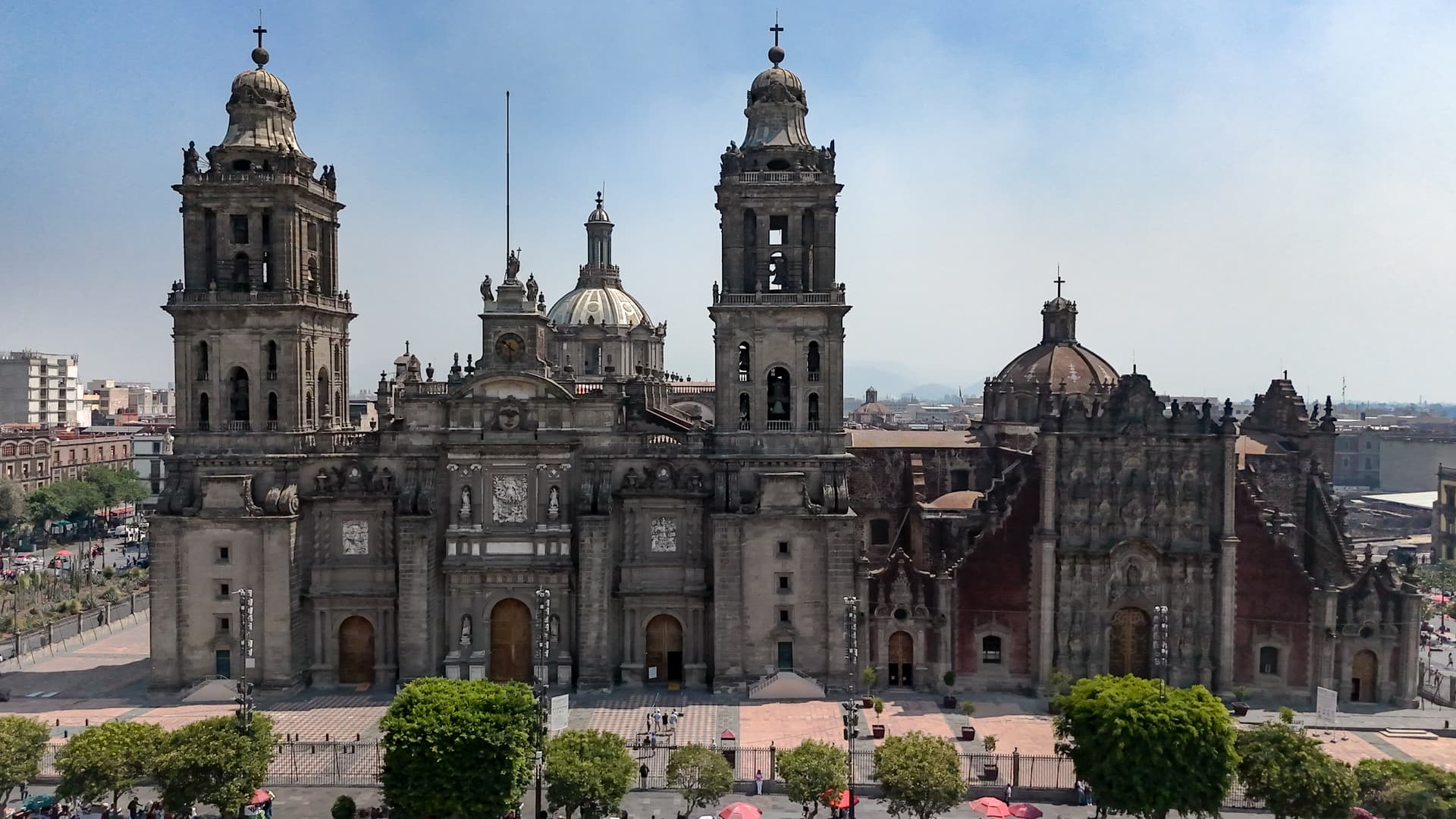
Mexico City Metropolitan Cathedral
Mexico City, Mexico City, Mexico
2.0 km away
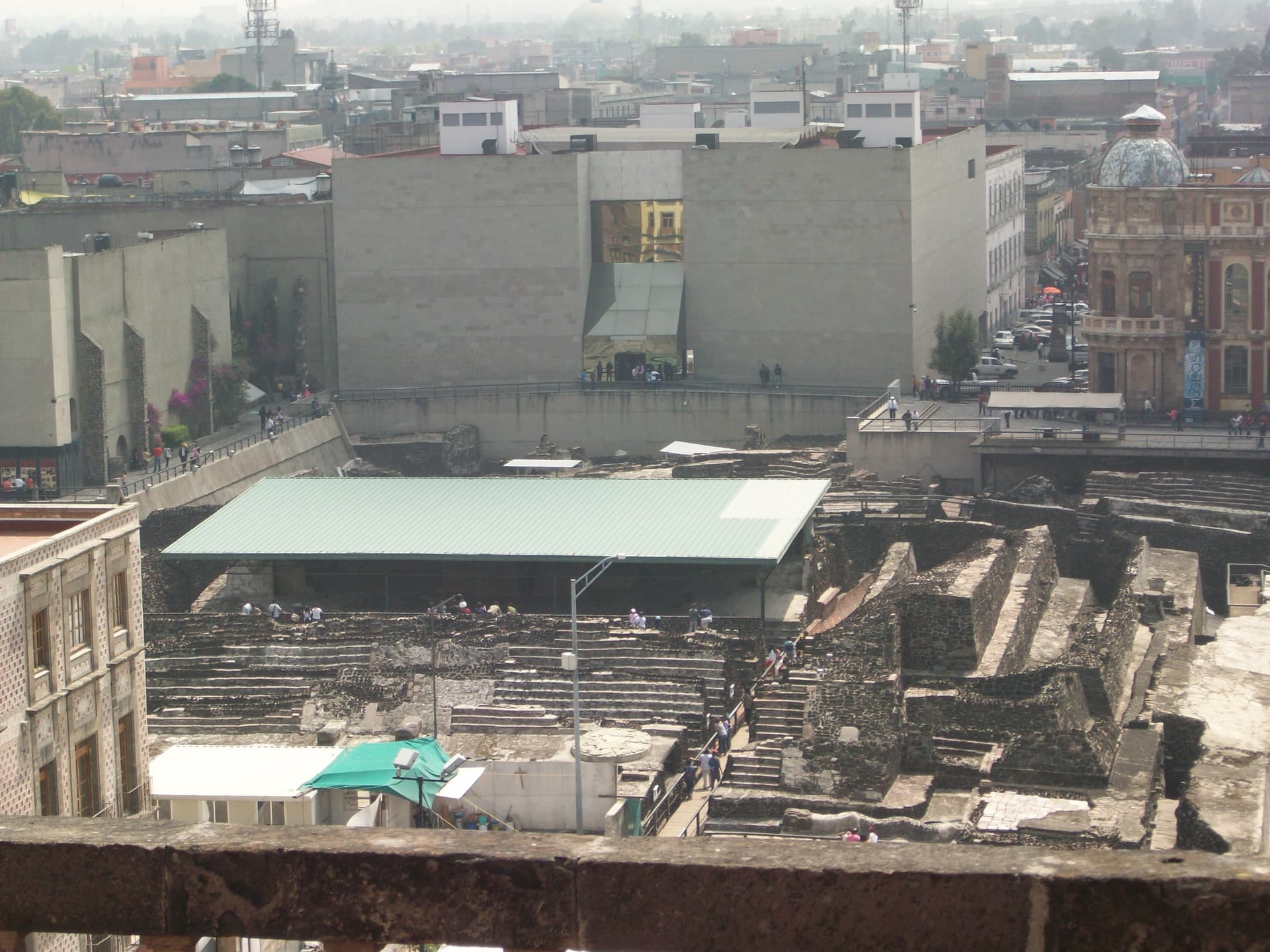
Templo Mayor Archaeological Zone and Museum
Mexico City, Mexico City, Mexico
2.1 km away
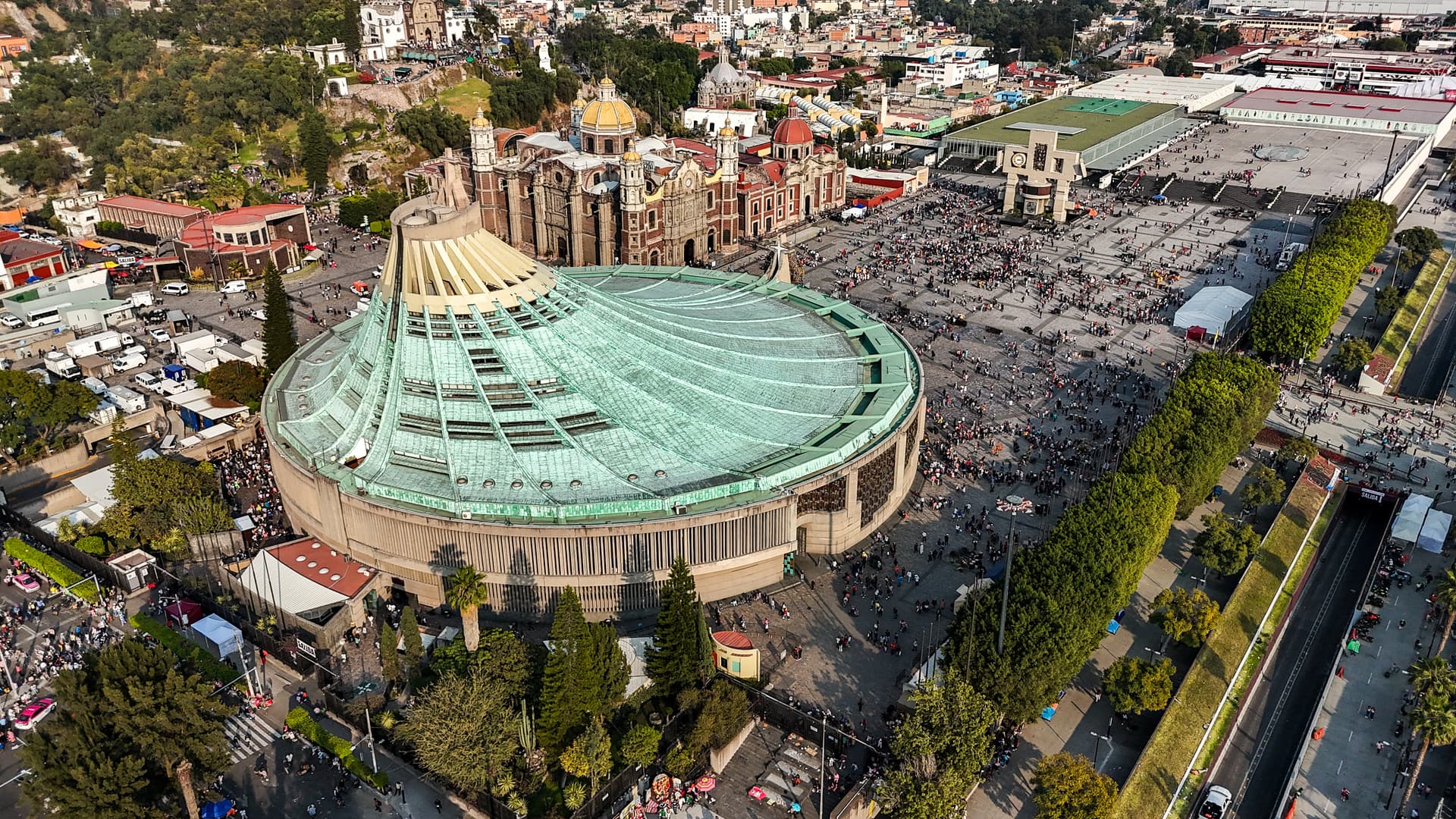
Basilica of Our Lady of Guadalupe
Mexico City, Mexico City, Mexico
4.2 km away
Our Lady of Guadalupe, Mexico
Mexico City, Mexico City, Mexico
4.2 km away
References
Sources consulted for this page. Source categories describe the publication, not a guarantee that every claim is verified. Traditional accounts and outside interpretations may differ.
- 01Zona Arqueológica Tlatelolco — Instituto Nacional de Antropología e HistoriaofficialPrimary custodial source for identity, chronology, ceremonial structures, museums, access, and current visitor information; updated 6 January 2026.
- 02Tlatelolco — Lugares INAHofficialOfficial interpretation of the archaeological zone, research history, and relationship between México-Tlatelolco and México-Tenochtitlan.
- 03Tlatelolco Archaeological Site — Mexico City Secretariat of TourismofficialOfficial city visitor orientation, component inventory, address, transit, and hours; its hours conflict with INAH and are not treated as settled.
- 04Memorial Efímero — Centro Cultural Universitario Tlatelolco, UNAMacademicUniversity source for the Plaza de las Tres Culturas as a continuing place of memory for the 1968 student movement and massacre.
- 05Tlatelolco archaeological site (Q14623034) — Wikidata contributorsacademicStructured exact-site identity and coordinates used as corroboration.
- 06Zona Arqueológica de Tlatelolco, TlatelolcoTV 6 — TlatelolcoTVacademicExact-site image of the Calendar Temple, self-published under CC BY-SA 3.0.
Share a photo
Help visitors recognize Tlatelolco Archaeological Zone. Every submission is reviewed before publication.