Mexico City Metropolitan Cathedral
Mexico's metropolitan church, where living Catholic worship inhabits a layered sacred centre
Understand sacred places, explore living traditions, and learn how to engage respectfully with Pilgrim Map.
Access has not been verified. Check current local guidance before planning a visit.
Mexico City, Mexico City, Mexico
Read the sources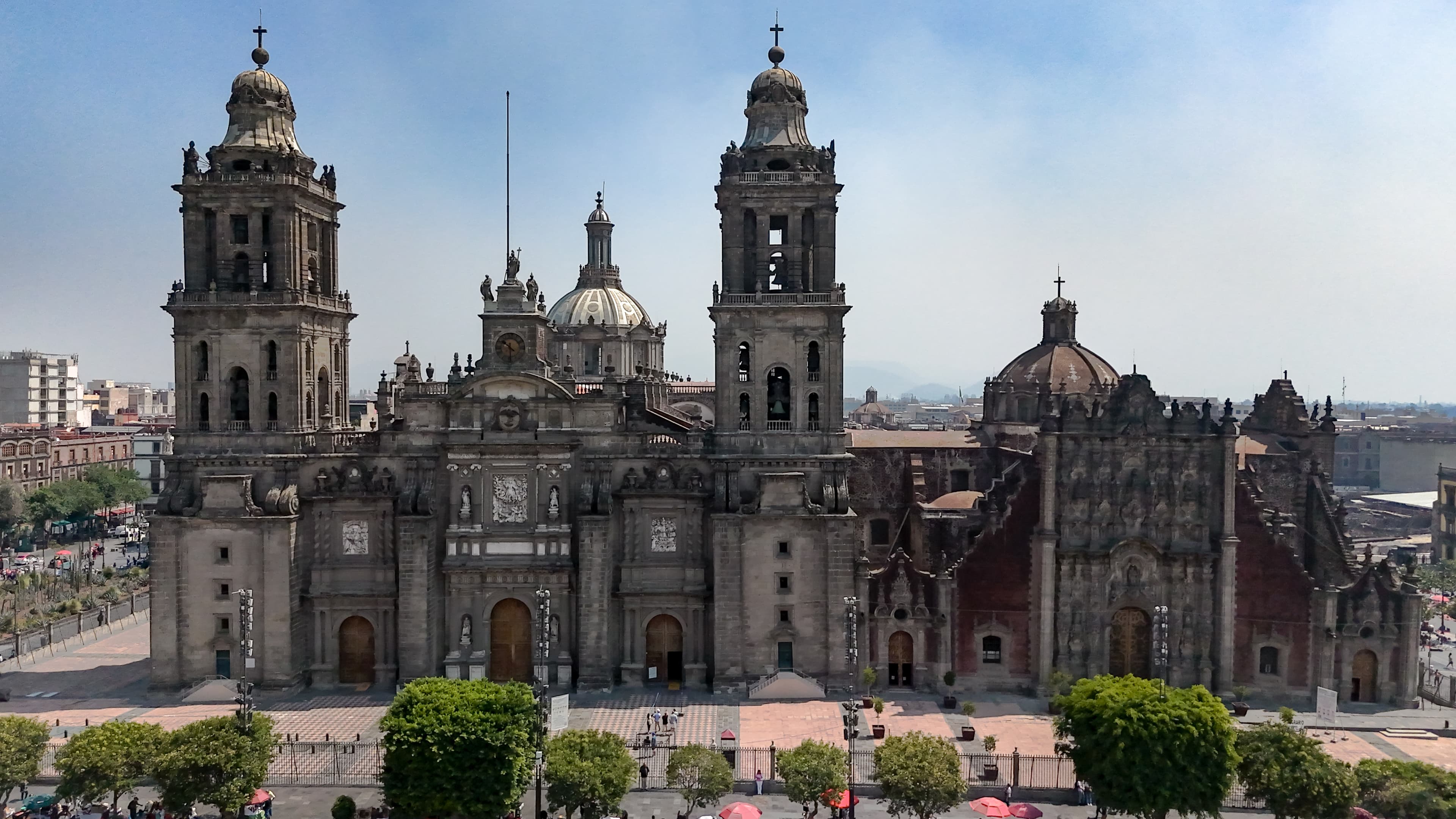
Mexico City Metropolitan Cathedral — rights-reviewed exact-site image. Image source · CC BY-SA 4.0
Visit essentials
A quick read before you go
- Duration
- Allow flexible time for the generally open interior; specialized tours require separate…
- Access
- Use the exact destination Catedral Metropolitana de la Ciudad de México, Plaza de la…
Overview
Mexico City Metropolitan Cathedral fills the Zócalo's north side, though its scale is clearest inside. Five naves lead toward chapels, choir, altar, sacristy, and restricted or liturgically focused spaces. This is not a museum with occasional services but the Archbishop of Mexico's metropolitan church, dedicated to the Assumption of the Blessed Virgin Mary and used for Mass, prayer, sacraments, episcopal ceremonies, music, feast days, and mourning.
Begun in 1573 and built over centuries, it combines Renaissance planning, Gothic forms, Baroque altars and façades, and Neoclassical finishing associated with Manuel Tolsá. The Altar of Forgiveness, Retablo de los Reyes, choir stalls, historic organs, fourteen side chapels, sacristy paintings, relics, and archbishops' crypt each have devotional and artistic histories.
The cathedral occupies a sacred landscape violently transformed after Tenochtitlan's fall. Its institutional history acknowledges that the first Spanish church used stone from destroyed Indigenous temples. Archaeological windows show earlier structures nearby; the Templo Mayor lies northeast as a distinct site. Respectful attention must hold active Catholic faith, Indigenous dispossession, colonial labor, artistic achievement, and ongoing conservation together without using one to cancel another.
Why this place is sacred
The cathedral's sacred centre is not its façade but its liturgical life. The altar, ambo, bishop's chair, chapels, confession, music, processions, and congregation make the building a church in the present tense. The dedication to the Assumption shapes its calendar and Marian identity, while individual chapels sustain devotions to Christ, Mary under several titles, apostles, saints, and relics.
At the same time, the building cannot be described responsibly without the colonial rupture that preceded it. The first cathedral church was built after the destruction of Indigenous temples, using stones from that sacred landscape. The present cathedral was then constructed across centuries through imperial, ecclesial, Indigenous, mixed, and local labor. Its artistry belongs within that unequal history. Acknowledging this does not require disrupting worship; it requires refusing a triumphal story in which conquest becomes merely picturesque.
The wider Historic Centre is a palimpsest rather than a neat succession. Templo Mayor, colonial streets, cathedral, palace, and modern city remain physically close. UNESCO recognizes the area's exceptional testimony to both Mexica and colonial urban histories. The cathedral is a contributing monument within that larger property, not an independently inscribed World Heritage Site. Precision protects both its Catholic identity and the Indigenous archaeology beside it.
Metropolitan cathedral for Roman Catholic worship and episcopal ministry
A centuries-long active church shaped by changing architecture, devotion, political history, disaster, conservation, and urban subsidence.
Experience and orientation
From the Zócalo, the cathedral and attached Sagrario form a long, complex frontage rather than one uniform façade. Pause before entering to identify which doorway is open and whether people are assembling for worship. Security screening and access routes can change. The central doors may be reserved for special occasions, while side doors handle ordinary entry.
Inside, let your eyes adjust before moving. The building's scale unfolds through long naves, layered chapels, dark wood, metal screens, paintings, altars, and shifting light. Keep the central and processional routes clear. If a liturgy begins, either participate respectfully from an appropriate place or withdraw quietly. Do not walk between worshippers and an altar, film confession, or use the sanctuary as a backdrop.
Specialized interior spaces may require a guided visit or may be unavailable; confirm current access directly. Their absence from a casual visit does not make the cathedral incomplete. The ordinary experience of an active church includes limits. A thoughtful visit can also continue outside by walking to the separate Templo Mayor entrance, where the relationship between the two sacred landscapes becomes clearer without pretending that one is physically beneath the other in a simple way.
Context and lineage
A Diocese of Mexico was established in 1527, and the first main church became a cathedral and later a metropolitan seat. The present cathedral project began in 1573 under Claudio de Arciniega, drawing on Iberian five-nave models while adapting to unstable lakebed ground, changing finances, and the ambitions of New Spain. Work proceeded unevenly through floods and institutional change.
The interior was substantially completed and dedicated during the seventeenth century, although the cathedral's own current pages conflict over one early dedication date. Rather than choose an unsupported resolution, this page retains the secure sequence: seventeenth-century liturgical use, eighteenth-century towers and major interior programs, and Manuel Tolsá's early nineteenth-century completion of prominent exterior elements.
Fire in 1967 damaged the choir and Altar of Forgiveness, followed by restoration. Subsidence has required major structural intervention, and conservation continues at works such as the Retablo de los Reyes. The cathedral remains part of UNESCO's Historic Centre of Mexico City and Xochimilco property because living function, architecture, and the layered urban plan persist together.
Roman Catholic metropolitan worship in Mexico from the sixteenth century to the present.
Traditions and practice
The Eucharist is the centre of Catholic worship here. The cathedral also supports confession, preaching, prayer before images and relics, processions, music, and observance of the liturgical year. Its dedication gives particular prominence to the Assumption of Mary on 15 August, while side chapels hold distinct devotions. The bishop's chair signifies the cathedral's role as the archbishop's church rather than simply the city's largest sanctuary.
Non-Catholic visitors are welcome when the church permits entry, but sacramental participation has boundaries. Follow announcements and the example of the congregation without imitating gestures you do not understand. Do not approach the altar during Communion unless you know and meet the church's conditions. A quiet seated pause is appropriate; invented cleansing, energy work, crystals, smoke, or offerings are not.
Major liturgies, funerals, civic-religious events, pilgrim groups, concerts, restoration campaigns, and security measures can reshape access.
Sit quietly in an open nave or chapel, allowing worshippers priority and leaving before your presence becomes intrusive.
Roman Catholic Christianity
ActiveThe cathedral is the metropolitan seat of the Archbishop of Mexico, dedicated to the Assumption of the Blessed Virgin Mary and used for the Eucharist, episcopal liturgy, sacraments, prayer, feast observance, and national religious ceremonies.
Catholic sacred art and relic devotion
ActiveIts chapels, Altar of Forgiveness, Retablo de los Reyes, choir, organs, sacristy, relics, and archbishops' crypt support distinct devotional, liturgical, musical, and memorial practices.
Perspectives and open questions
The cathedral is simultaneously a living church, a protected monument, a work of many artists and laborers, a metropolitan institution, and part of a colonial landscape built over Indigenous sacred geography.
Scholarly perspective
Architectural history emphasizes long construction, mixed styles, lakebed engineering, fire, subsidence, and restoration. Archaeology corrects the common claim that the Templo Mayor lies directly beneath the cathedral.
Living and traditional perspectives
Catholic understanding begins with worship, episcopal communion, the Eucharist, Mary's Assumption, saints, relics, prayer, and care for the dead.
Alternative interpretations
Energy-vortex claims, secret-tunnel legends, and simplistic replacement narratives are not supported by the reviewed sources.
Open questions
Daily access to specialized spaces and the conflict between the cathedral's own dedication dates remain unresolved and are stated openly.
Plan your visit
Access and arrival
Use the exact destination Catedral Metropolitana de la Ciudad de México, Plaza de la Constitución s/n, Centro Histórico. Zócalo/Tenochtitlan station is nearby, although central-city closures and events can change pedestrian routes. Confirm public entry, worship times, and any specialized access directly with the cathedral. The historic floor and thresholds may present accessibility challenges; ask staff for the current step-free entrance and do not infer access to every component.
No lodging recommendation is made; use current official city information.
Respectful visit
Modest, church-appropriate clothing; follow any posted requirements and remove hats where customary.
Check current rules and never photograph Mass, confession, funerals, or identifiable worshippers without permission.
Use only church-authorized candles, donations, or intentions; do not place private objects on altars or images.
Liturgical closures, sanctuary boundaries, security, conservation barriers, and clergy instructions override visitor plans.
Do not reduce Catholic practice to spectacle or use colonial critique as permission to disrupt people at prayer.
Location
Map loads as you approach this section.
Pilgrim reflections
A portrait of encounter, not a score
Pilgrims describe what they felt, how present they could become, and whether the place would shape a journey. There are no stars and no ranking of traditions.
No reviewed reflections yet
The first pilgrims can help describe the character of being here.
Share a reflection
Available after an account-backed “Been there.” Every reflection is reviewed before publication.
Nearby sacred places
Explore other sacred places in the region. Proximity does not establish access or travel time; check each place’s guidance.
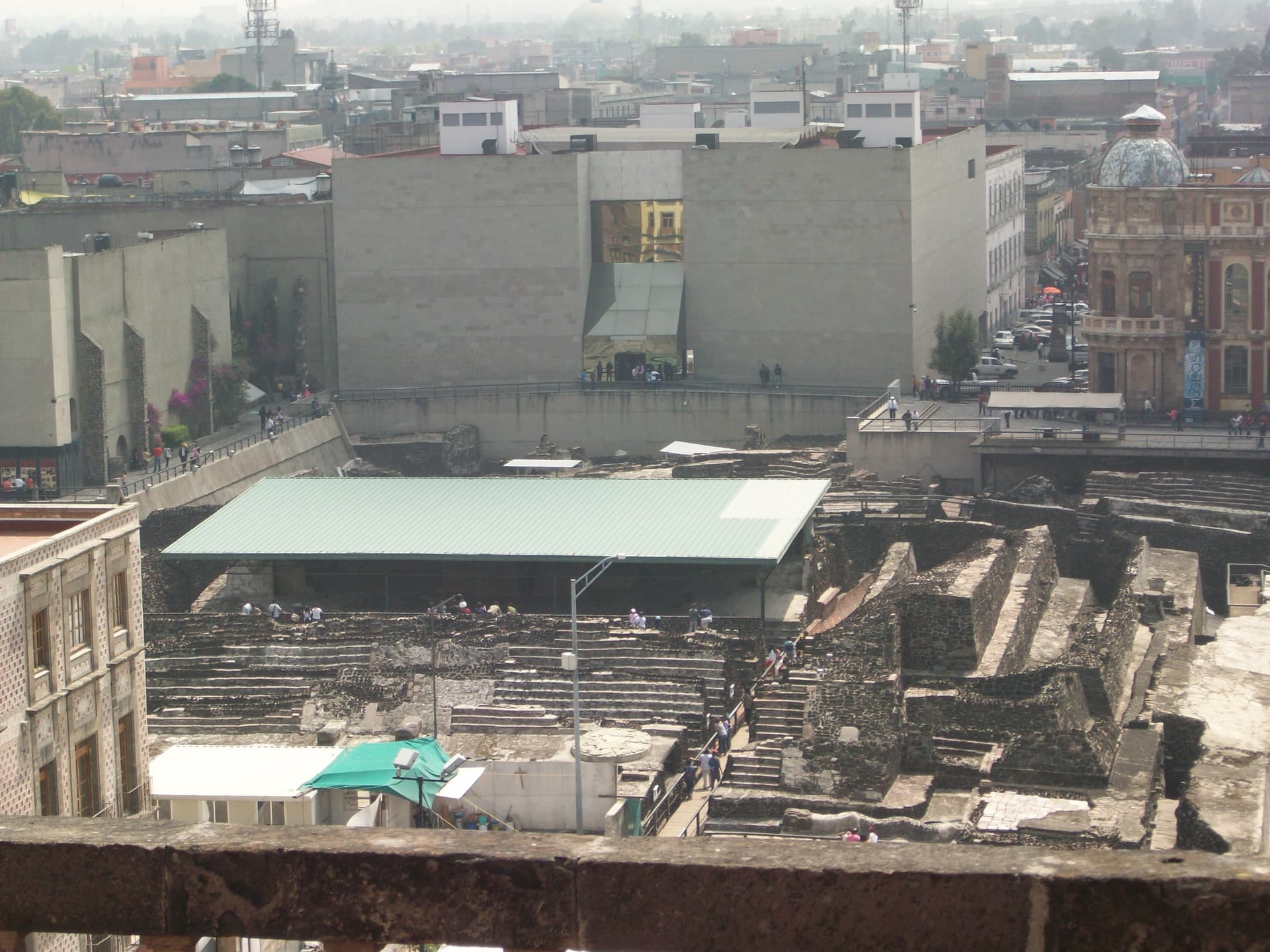
Templo Mayor Archaeological Zone and Museum
Mexico City, Mexico City, Mexico
0.1 km away
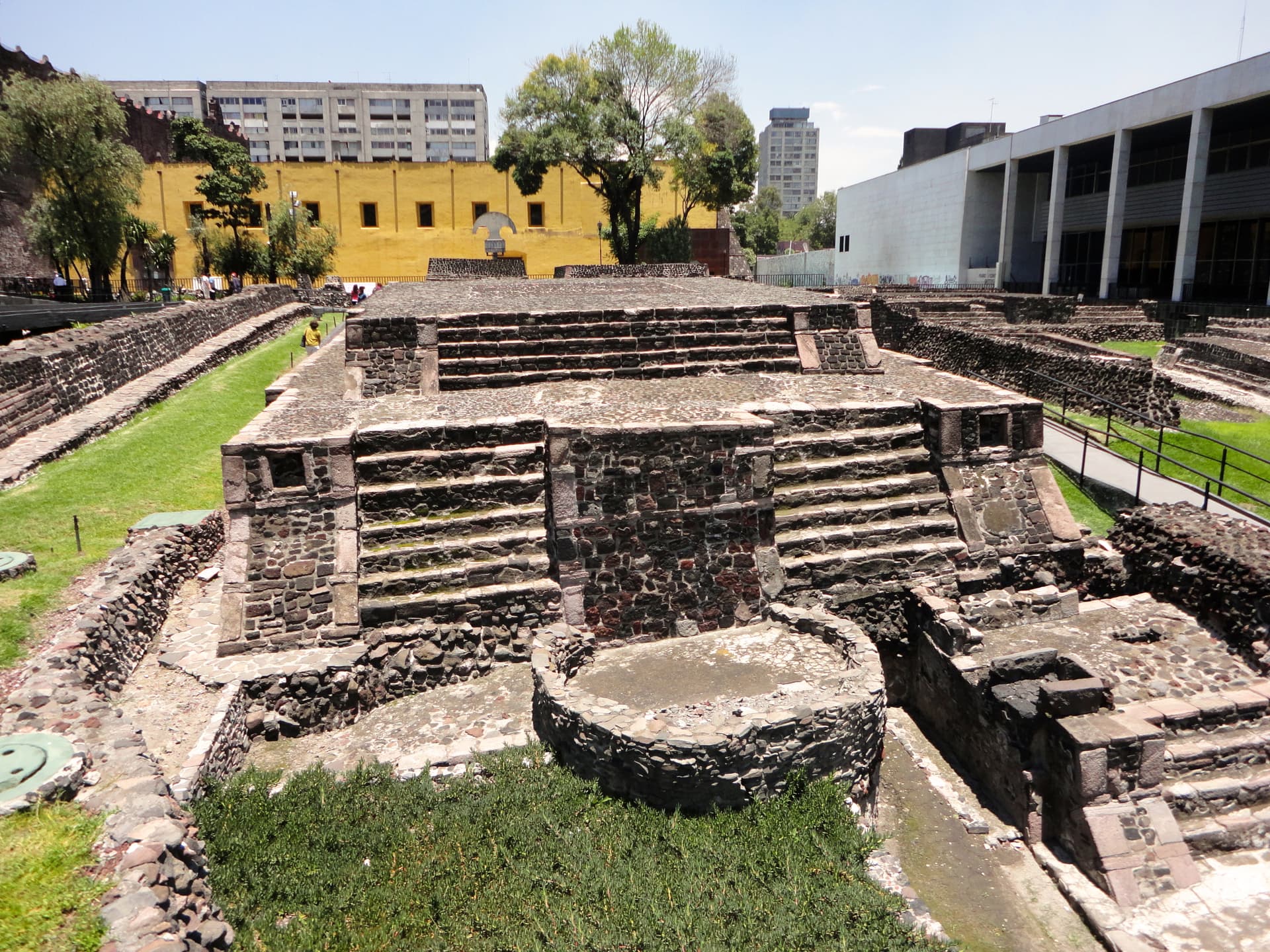
Tlatelolco Archaeological Zone
Mexico City, Mexico City, Mexico
2.0 km away
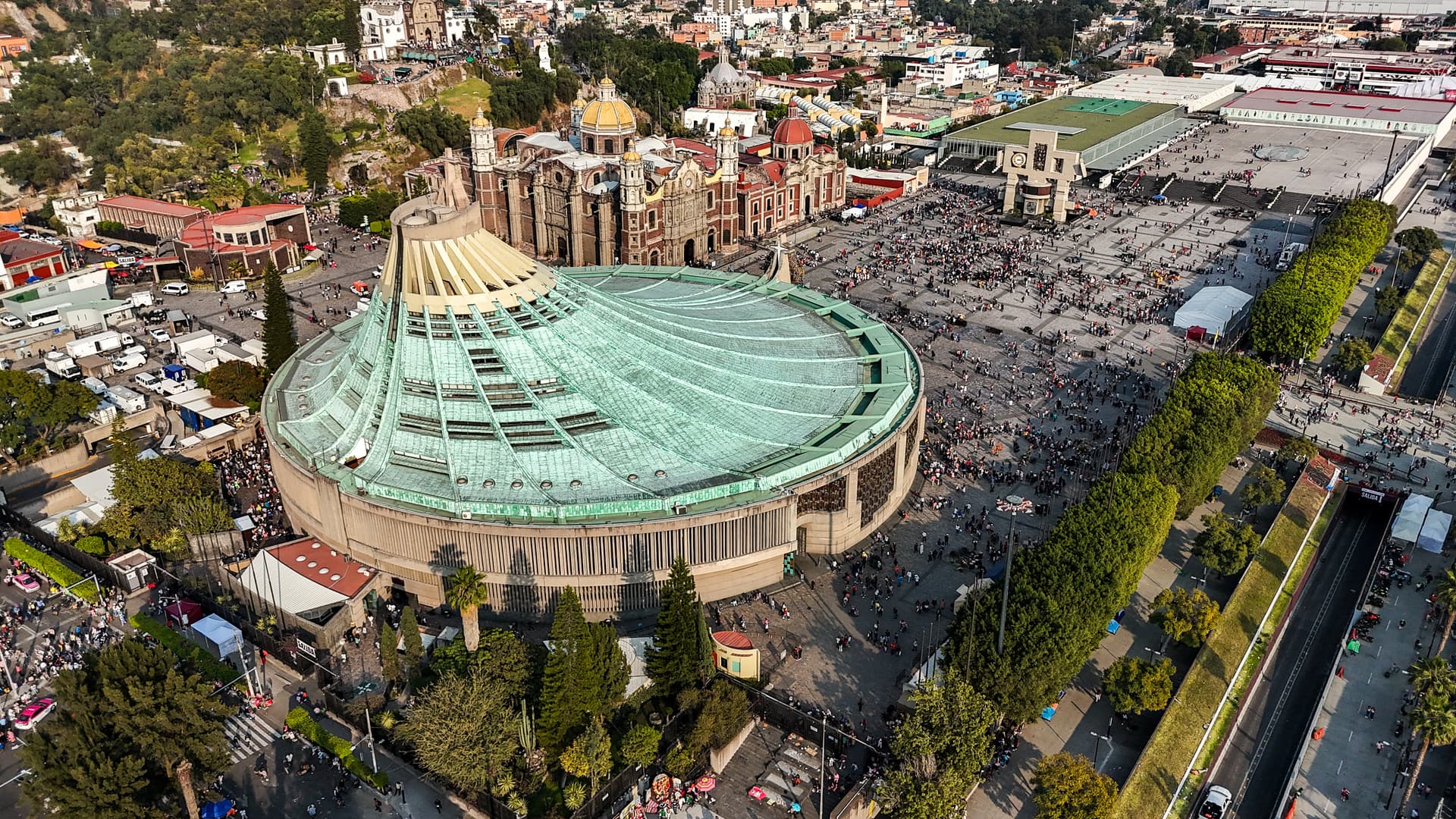
Basilica of Our Lady of Guadalupe
Mexico City, Mexico City, Mexico
5.8 km away
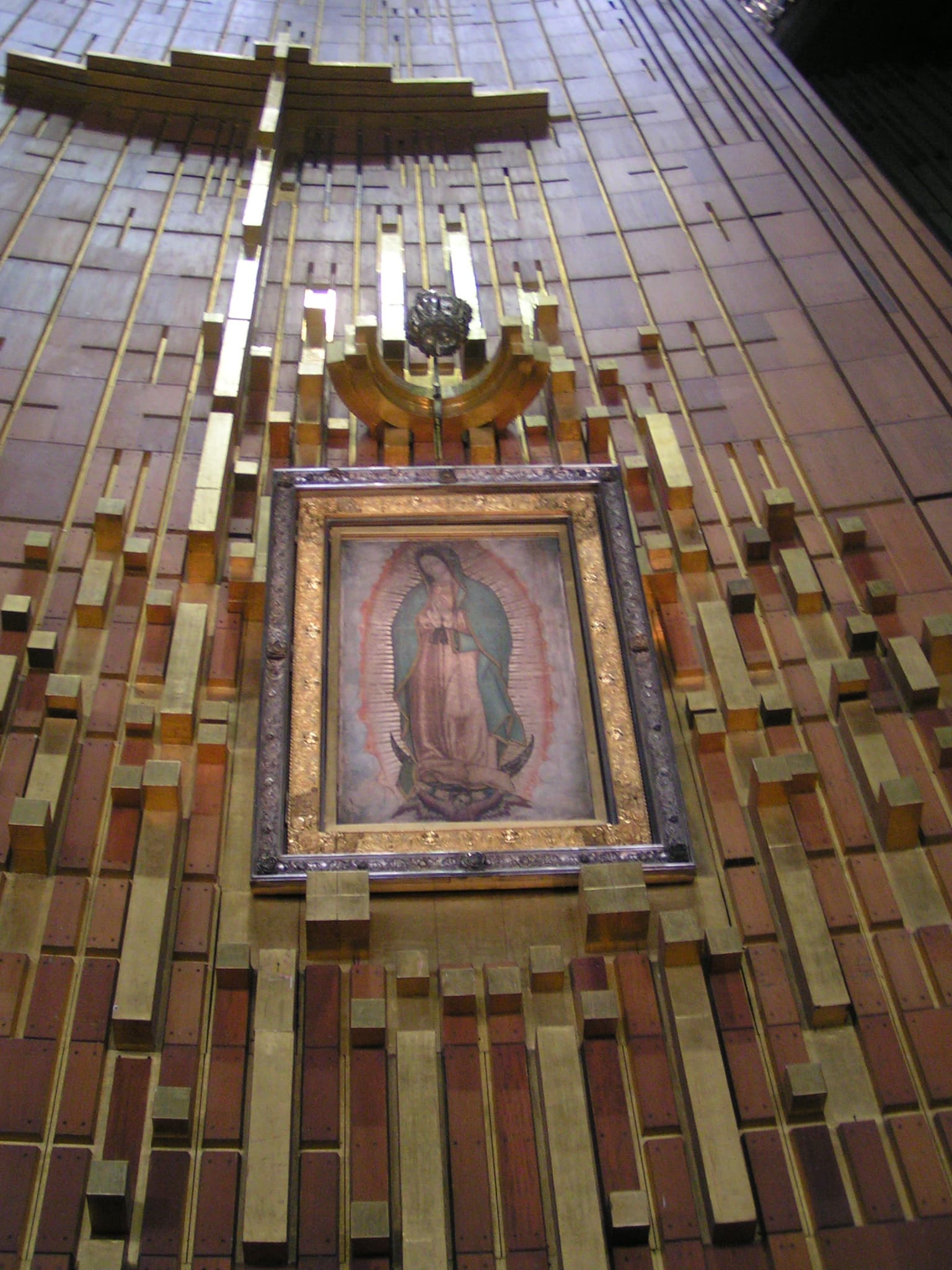
Our Lady of Guadalupe, Mexico
Mexico City, Mexico City, Mexico
5.8 km away
References
Sources consulted for this page. Source categories describe the publication, not a guarantee that every claim is verified. Traditional accounts and outside interpretations may differ.
- 01Historia de la Catedral Metropolitana de la Ciudad de México — Catedral Metropolitana de la Ciudad de MéxicoSource contextPrimary institutional source for dedication, ecclesial role, construction history, chapels, altars, choir, organs, sacristy, and crypt.
- 02La Virgen de la Asunción — Catedral Metropolitana de la Ciudad de MéxicoSource contextPrimary source for the cathedral's dedication and the Assumption feast; a date conflict with the history page is kept visible rather than silently reconciled.
- 03Catedral Metropolitana de la Ciudad de México — Catálogo Nacional de Monumentos Históricos Inmuebles, INAHofficialFederal heritage record for the cathedral complex, structural conservation, and exact identity.
- 04Conservación del Retablo de los Reyes — Instituto Nacional de Antropología e HistoriaofficialCurrent conservation account for the Retablo de los Reyes and continuing custodial care.
- 05Historic Centre of Mexico City and Xochimilco — UNESCO World Heritage CentreofficialWorld Heritage context for the cathedral within Mexico City's historic centre; the cathedral is not represented as a separately inscribed property.
- 06Catedral Metropolitana de la Ciudad de México — Mexico City Secretariat of TourismofficialOfficial city source for exact address, architectural overview, archaeological windows, and visitor orientation.
- 07Mexico City Metropolitan Cathedral (Q610961) — Wikidata contributorsacademicStructured identity, official website, Commons category, and coordinates used as corroboration.
- 08Catedral Metropolitana de la Ciudad de México 1 — ProtoplasmaKidacademicExact-site aerial exterior image released by its creator under CC BY-SA 4.0.
Share a photo
Help visitors recognize Mexico City Metropolitan Cathedral. Every submission is reviewed before publication.