Our Lady of Guadalupe, Mexico
InsideBasilica of Our Lady of Guadalupe
Where heaven touched earth and a mother claimed the Americas for her own
Understand sacred places, explore living traditions, and learn how to engage respectfully with Pilgrim Map.
Access has not been verified. Check current local guidance before planning a visit.
Mexico City, Mexico City, Mexico
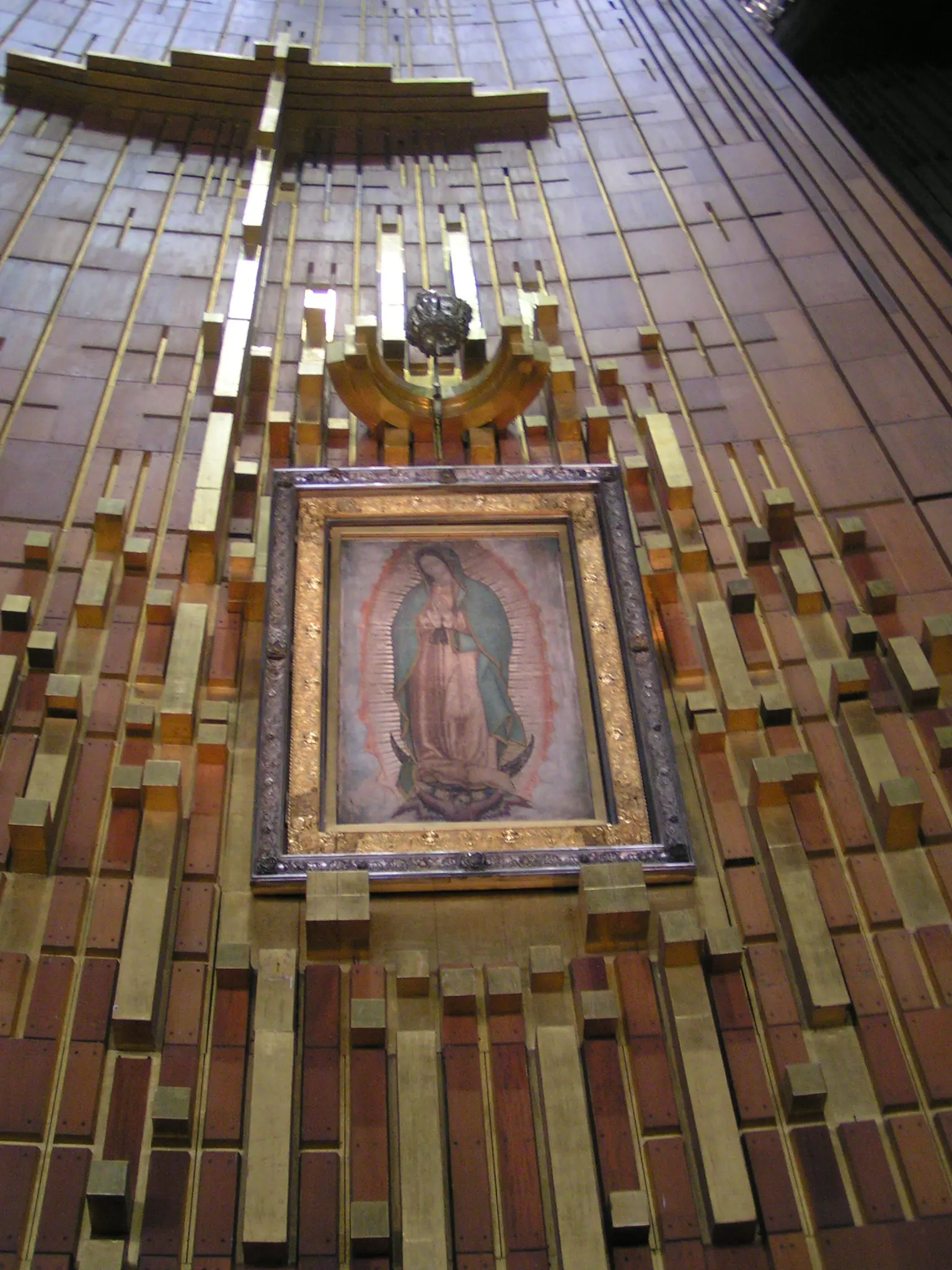
Image of Our Lady of Guadalupe, Mexico. Image source · CC-BY-SA-3.0
Visit essentials
A quick read before you go
- Duration
- Two to four hours allows time to attend Mass, view the tilma multiple times, and explore the…
- Etiquette
- This is the world's most visited Catholic pilgrimage site and an active place of worship at all…
Overview
At Tepeyac Hill in December 1531, something changed the Americas' spiritual landscape. Whether understood as apparition, miracle, or ancient devotion continuing in new form, the effects included millions converting, a people finding their mother, and a nation discovering its soul.
Nearly five hundred years later, Juan Diego's rough agave-fiber cloak hangs above the altar with the inexplicable imprint of a woman standing on the moon, clothed in sun. Her downcast eyes meet no gaze directly yet seem to see everyone. Scientists have studied the tilma, believers have wept before it, and skeptics have searched for explanations; it offers presence rather than answers.
Daily, pilgrims pass beneath the image on moving walkways for seconds of proximity. Each December 12, millions fill Mexico City in Earth's largest annual Catholic gathering, carrying burdens, seeking intercession, and honoring a mother who spoke to their ancestors in their language and appeared with their features.
Our Lady of Guadalupe is also a symbol through which Mexico understands itself, bridging two worlds that collided five centuries ago. Tepeyac's story continues to unfold.
Why this place is sacred
Long before Spanish ships appeared on the horizon, indigenous peoples climbed Tepeyac Hill to honor Tonantzin. The name means 'Our Sacred Mother,' and it encompassed various Aztec mother goddesses, including the formidable Coatlicue. When the Franciscan chronicler Sahagún later noted that indigenous people continued calling the Virgin 'Tonantzin' while flocking to her shrine, he saw syncretism at work. Others see something deeper: a sacred continuity that transcends the categories we use to divide religions from one another.
The Virgin who appeared to Juan Diego spoke his language. She appeared with brown skin, neither Spanish nor fully indigenous, but something new. Her image encoded messages in two symbolic languages at once: European Christians saw the woman of Revelation, clothed with the sun, standing on the moon.
Indigenous viewers read an Aztec pictograph declaring that this woman stood above the sun god Huitzilopochtli, greater than the moon, bearing the nahui ollin, the flower of the highest deity, over her womb.
The tilma itself refuses simple explanation. Agave fiber should decompose within decades. This cloth has survived almost five hundred years, including over a century without protective glass, exposure to candle smoke, human touch, an acid spill, and a bomb. Scientific analysis finds no brush strokes beneath the original image, no preliminary sketches, no known pigments. The eyes, magnified thousands of times, appear to contain reflected images of multiple figures.
Whether one attributes this to miracle, unknown technique, or something beyond our current understanding, the object resists closure.
Pilgrims have been coming continuously since 1531. The accumulated weight of their prayers, their tears, their hopes and thanksgiving, has added another dimension to the site's thinness. This is not merely a place where something once happened. It is a place where something continues to happen, each day, as millions seek encounter with a mother who promised Juan Diego she would hear the weeping and the sorrow of all who came to her.
Tepeyac was already a pilgrimage destination before the Spanish arrived. Indigenous peoples journeyed there to honor Tonantzin and seek her maternal protection and blessing. The continuity is not incidental. According to the apparition narrative, Mary specifically requested that a temple be built in this location where she could 'show and give all my love, compassion, help, and protection.' She claimed ground already consecrated by centuries of devotion, transforming rather than replacing its sacred function.
From the first humble chapel built in 1533, the shrine has grown into a vast complex receiving more visitors than any other Catholic pilgrimage site in the world. The original basilica, completed in 1709, eventually sank into Mexico City's soft lakebed and was declared unsafe.
The new basilica, built between 1974 and 1976, rises as a great circular structure capable of holding ten thousand worshippers, with the tilma displayed above the main altar and moving walkways beneath to manage the ceaseless flow of pilgrims.
The devotion itself has evolved from local to regional to hemispheric. Pope Benedict XIV declared her patroness of New Spain in 1754. The 20th century saw her proclaimed Patroness of Latin America, then Empress of the Americas, then Protectress of the Unborn. Juan Diego himself was beatified in 1990 and canonized in 2002. Each expansion of recognition reflects not Church initiative but acknowledgment of a devotion that had already grown organically among the faithful.
Experience and orientation
There is a moment, approaching on the moving walkway, when the tilma comes into view overhead. For some, it arrives as aesthetic appreciation of the image's beauty. For others, something shifts. Tears come without warning. A sense of being seen, known, received. The seconds pass quickly, the walkway carries you onward, but something has been deposited.
Pilgrims describe a quality of maternal comfort specific to this place. The Virgin's downcast eyes do not meet yours, yet visitors speak of feeling beheld by them. The formal theological language of intercession becomes something more intimate here: a mother listening to her children's sorrows. Those carrying heavy burdens, illness in families, broken relationships, struggles that resist solution, often report a shift not in circumstances but in their capacity to hold what they carry.
The experience transforms during the December celebrations. Beginning in early December, pilgrims start arriving from across Mexico and beyond. Some walk for days. Some complete the final stretch on their knees. By December 11, the crowds have grown to millions. The night unfolds in continuous celebration: indigenous dancers in feathered headdresses perform the ancient conchero dances, mariachis serenade the Virgin, choirs sing, and at midnight, the gathered masses sing Las Mananitas, the traditional Mexican birthday song, to their mother.
To be present among millions at that moment is to understand something about collective devotion that cannot be grasped abstractly. The distinctions between individual seekers dissolve into something larger. Whatever private intention brought you here joins a chorus that has been rising from this hill for five centuries.
The basilica welcomes all visitors, regardless of faith or its absence. Those who come seeking spiritual encounter rather than mere tourism often report deeper experiences when they arrive with intention rather than curiosity alone. Consider what you are carrying that needs attention. Formulate it as a question or a request, held lightly, offered sincerely.
The moving walkway beneath the tilma moves quickly. Some pilgrims return multiple times, letting each brief passage build upon the last. The side chapels offer space for longer prayer. The climb up Tepeyac Hill to the Chapel of the Little Well and the Capilla del Cerrito, where the apparitions occurred, rewards those willing to make it.
Many find that what happens at Guadalupe continues unfolding afterward. Dreams become vivid. Clarity emerges about situations that had seemed intractable. Whether one attributes this to the Virgin's intercession, psychological processes activated by pilgrimage, or something beyond categorization, the pattern is consistent enough to anticipate.
Context and lineage
The story begins on December 9, 1531. Juan Diego, a Chichimec convert in his fifties, was walking past Tepeyac Hill when he heard birdsong of unusual beauty and a woman's voice calling his name. He climbed the hill to find a young woman radiating light, who identified herself as the Virgin Mary and asked that a temple be built in her honor at this place.
Bishop Juan de Zumarraga received Juan Diego's account with skepticism and asked for a sign. Over the following days, Mary appeared twice more, always addressing Juan Diego tenderly in Nahuatl, using diminutives that expressed maternal affection. When Juan Diego tried to avoid her on December 12, fearing his uncle Juan Bernardino was dying and needed a priest, she intercepted him and assured him his uncle was healed. She instructed him to climb to the hilltop and gather roses.
Roses bloomed on the frozen hilltop in December. Juan Diego carried them in his tilma, his rough agave-fiber cloak. When he opened it before the bishop, the flowers fell, and imprinted on the cloth was the image that hangs above the altar today. At the same moment, Mary appeared to Juan Bernardino, curing him and revealing her title: Holy Mary of Guadalupe. The bishop knelt. The temple was built.
The apparitions sparked the most rapid mass conversion in Church history. Within seven years, missionaries recorded eight to nine million baptisms. The shrine grew from a humble chapel to a succession of larger churches, culminating in the current basilica. The devotion spread throughout Mexico, then Latin America, then the Americas as a whole.
Guadalupe became inseparable from Mexican identity. Father Miguel Hidalgo raised her banner when he launched the war of independence in 1810. Emiliano Zapata's revolutionary army carried her image a century later. She has been invoked by movements across the political spectrum, claimed by conservatives and liberation theologians alike. Through it all, the tilma has remained: inexplicable, enduring, and drawing millions to gaze upon it.
Our Lady of Guadalupe
deity
The Virgin Mary as she appeared at Tepeyac, known also as La Morenita (the little brown one), La Guadalupana, and, among indigenous communities, Tonantzin Guadalupe. She identified herself as the mother of the true God and promised to hear the weeping and sorrow of all who sought her.
Saint Juan Diego Cuauhtlatoatzin
historical
The indigenous visionary to whom Mary appeared. A humble man, possibly a widower, whose tilma still bears the miraculous image. Canonized by Pope John Paul II in 2002, he is the first indigenous saint of the Americas.
Tonantzin
deity
The sacred mother, a title for various Aztec mother goddesses including Coatlicue. Her shrine stood at Tepeyac before the conquest. For many indigenous communities, Guadalupe and Tonantzin remain deeply connected.
Bishop Juan de Zumarraga
historical
The first Archbishop of Mexico, whose initial skepticism gave way to faith when the miraculous image appeared. He ordered the construction of the first chapel at Tepeyac.
Traditions and practice
Catholic practice at Guadalupe centers on the Mass, the Eucharist, and the rosary. Pilgrims make novenas, nine days of prayer before the feast. Many walk long distances to arrive at Tepeyac, and some complete the final portion on their knees as an act of penance and devotion. Bringing flowers, especially roses recalling the December miracle, is traditional.
The midnight serenade of Las Mananitas on December 12 is perhaps the most beloved tradition: the entire assembly singing birthday greetings to their mother.
Indigenous practices persist alongside and interwoven with Catholic devotion. Conchero dancers, in feathered headdresses and ankle shells, perform ancient dances in the basilica plaza. Some pilgrims continue to call her Tonantzin. The syncretism that scholars note is, for practitioners, simply the fullness of how they understand their mother.
Daily Mass is celebrated multiple times throughout the day in the basilica. The rosary is prayed communally at 5:00 PM on weekdays. Confession is available on Fridays. Throughout the day, pilgrims move through on the walkways beneath the tilma, their faces upturned in those brief seconds of proximity to the image.
The December celebrations have grown into a multi-day festival. Pilgrims begin arriving in the first days of the month. December 11 brings the Noche Guadalupana, an all-night vigil with continuous tributes in music, dance, and prayer from communities across Mexico. At midnight, the Mananitas are sung. December 12 itself continues with Masses and celebrations throughout the day.
For visitors seeking spiritual engagement, certain approaches deepen the experience. Attend Mass if you are comfortable doing so; the basilica welcomes all who wish to participate. Return to the tilma multiple times throughout your visit, allowing each brief passage to build upon the last. Climb Tepeyac Hill to the Chapel of the Little Well and the Capilla del Cerrito, walking the ground where Juan Diego walked.
Consider bringing flowers, in honor of the December roses. Light a candle and offer a prayer, or simply sit in one of the side chapels and allow the weight of five centuries of pilgrimage to settle around you. If you come during December, arrive before midnight on the 11th to experience the Mananitas. The crowd will be immense, the atmosphere overwhelming, and something about being among millions singing to their mother will be difficult to forget.
Roman Catholic
ActiveOur Lady of Guadalupe is the patroness of Mexico, the Americas, and the unborn. The apparitions represent a pivotal moment in the evangelization of the New World, when Mary appeared to an indigenous convert and spoke his language, validating the dignity of indigenous peoples while calling them into the Church. The miraculous image is venerated as a sign of Mary's continued presence and protection. Pope John Paul II declared December 12 a liturgical holy day for the entire Western Hemisphere.
Daily Mass and Eucharistic adoration form the center of devotion. The rosary is prayed communally. Pilgrimage, often involving long journeys on foot or completion of the final stretch on knees, expresses devotion through physical sacrifice. The novena before December 12 prepares the faithful. Las Mananitas at midnight on December 12, when the assembled millions sing birthday greetings to their mother, is the emotional high point of the liturgical year at this site.
Indigenous Mexican (Nahua)
ActiveFor indigenous communities, Our Lady of Guadalupe represents the continuation of devotion to Tonantzin at Tepeyac Hill, where pre-Hispanic worship had taken place for centuries. The Virgin spoke Nahuatl, appeared with brown skin and indigenous features, and encoded Aztec symbolism in her image. She is sometimes called Tonantzin Guadalupe, a name that holds both traditions together without requiring choice between them.
Conchero and traditional Aztec dances are performed at the basilica, particularly during the December feast. Indigenous musicians offer their art as devotion. Pilgrimages from indigenous communities throughout Mexico maintain patterns of sacred travel that predate the conquest. Some continue to address the Virgin as Tonantzin in Nahuatl-speaking communities.
Perspectives and open questions
Our Lady of Guadalupe invites multiple interpretations, and honest engagement requires holding them together. The Catholic Church affirms an authentic Marian apparition. Indigenous communities see continuity with Tonantzin, whether as syncretism or deeper unity. Scholars debate historical questions that remain unresolved. The tilma itself resists definitive explanation. What remains consistent across all perspectives is the transformative power this devotion has exercised over five centuries.
Scholarly perspective
Historians agree that devotion to Our Lady of Guadalupe at Tepeyac was established by the mid-16th century and firmly documented by the publication of the Nican Mopohua in 1649. Scholarly debate continues regarding the precise dating of the apparition tradition, the authorship of the earliest accounts, and the role of syncretism with Tonantzin worship.
The tilma has been studied by various scientists over the decades. Philip Serna Callahan's 1981 infrared analysis found no sketch or brushstrokes beneath the original portions of the image. Studies have not identified the pigments used or how they were applied. The reflections in the eyes remain puzzling when examined under magnification. Some claims about the tilma, such as a constant body temperature or heartbeat, have been debunked. Other properties remain unexplained.
Living and traditional perspectives
The Catholic Church affirms the apparitions as authentic and has progressively expanded Guadalupe's patronage: from Mexico City (1737) to all New Spain (1746) to Latin America (1910) to the Americas (1945) to Protectress of the Unborn (1999). Pope John Paul II, who canonized Juan Diego in 2002, reportedly said that without the Virgin of Guadalupe, there would be no Mexico.
For indigenous communities, the Guadalupe-Tonantzin connection is not syncretism but sacred heritage. The Virgin spoke Nahuatl, appeared with indigenous features, and used Aztec symbolism to communicate. She validated indigenous identity while offering a bridge across the colonial rupture. Some continue to call her Tonantzin, not as confusion but as recognition of continuity in the sacred.
Alternative interpretations
Some alternative interpretations emphasize the astronomical encoding in the image, noting that the stars on the Virgin's mantle appear to match the winter solstice sky of December 12, 1531. Others focus on the inexplicable properties of the tilma as evidence of non-human origin, or frame the image as a cosmic message transcending any single religious tradition. These perspectives lack scientific or scholarly consensus but often emerge from genuine encounter with the image's mystery.
Open questions
Genuine mysteries remain. How was the image formed on the tilma? What are the pigments, and how were they applied without brushstrokes? How has the agave fiber survived nearly five hundred years when it should have decomposed within decades? What accounts for the apparent reflections in the Virgin's eyes?
Historical questions also remain open. The precise relationship between the Guadalupe devotion and pre-Hispanic Tonantzin worship continues to be debated. Whether the apparition narrative emerged from actual events in 1531 or developed over subsequent decades is not definitively settled. The tilma exists. The devotion exists. The explanations remain incomplete.
Plan your visit
Access and arrival
Hotels at all price points exist throughout Mexico City. The historic center offers proximity to other sites and good metro connections to the basilica. For pilgrims seeking to stay near the basilica, hotels in the La Villa neighborhood provide walking-distance access. During the December feast, accommodations book far in advance and prices rise significantly.
Respectful visit
Modest clothing is required. Shoulders must be covered; no tank tops or strapless tops. Knees should be covered; no miniskirts or very short shorts. Hats should be removed inside the basilica. Full-length trousers are recommended, though modest shorts are tolerated. Comfortable walking shoes are essential if you plan to climb Tepeyac Hill.
Photography is permitted throughout the basilica complex. Flash photography is prohibited, especially near the tilma. Do not photograph during Mass or when you are in the midst of worshippers actively praying. On the moving walkways, keep moving; do not stop to take photographs. Be present to the experience before documenting it.
Flowers, especially roses, are traditional offerings and are welcomed. Candles can be lit in designated areas. Monetary offerings support the shrine's maintenance and charitable works.
Food and beverages are not permitted inside the basilica. Silence cell phones. Large bags and backpacks may need to be checked. Pets are not permitted. During peak times, especially around December 12, expect security checks and significant wait times for entry.
The December feast draws crowds in the millions. Transportation becomes extremely difficult. Pickpocketing is common in such crowds. Those uncomfortable with very large gatherings may find the experience overwhelming rather than meaningful. Consider whether the atmosphere of the feast serves your intention, or whether a quieter weekday visit better suits your seeking.
Current practical details
Address
Fray Juan de Zumárraga No. 2, Villa Gustavo A. Madero, Gustavo A. Madero, 07050 Ciudad de México, CDMX, Mexico
Phone
Hours, fees, and access can change — verify on the official source before you travel. Practical details last checked Jun 2026.
Location
Map loads as you approach this section.
Pilgrim reflections
A portrait of encounter, not a score
Pilgrims describe what they felt, how present they could become, and whether the place would shape a journey. There are no stars and no ranking of traditions.
No reviewed reflections yet
The first pilgrims can help describe the character of being here.
Share a reflection
Available after an account-backed “Been there.” Every reflection is reviewed before publication.
Nearby sacred places
Explore other sacred places in the region. Proximity does not establish access or travel time; check each place’s guidance.
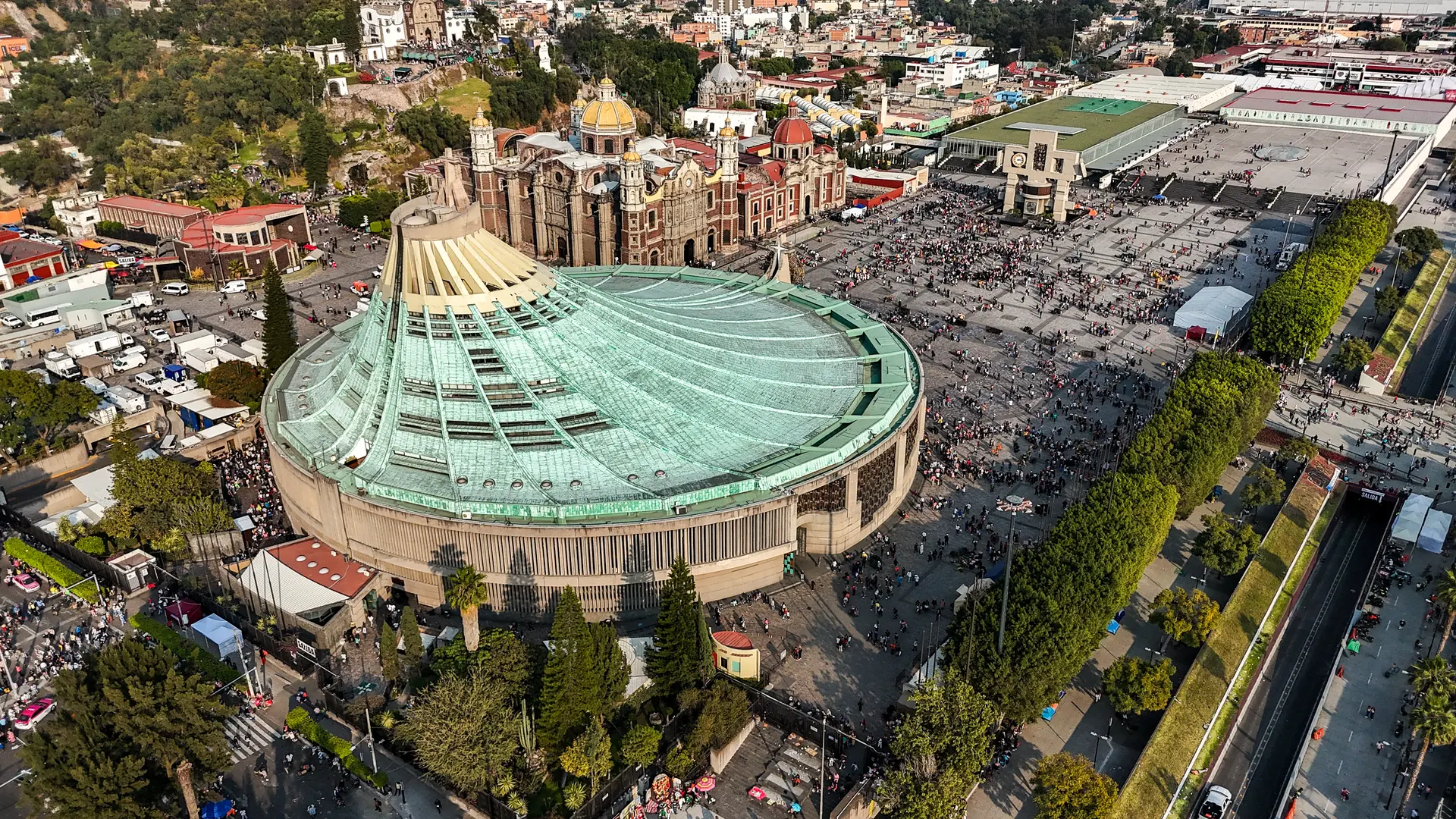
Basilica of Our Lady of Guadalupe
Mexico City, Mexico City, Mexico
0.0 km away
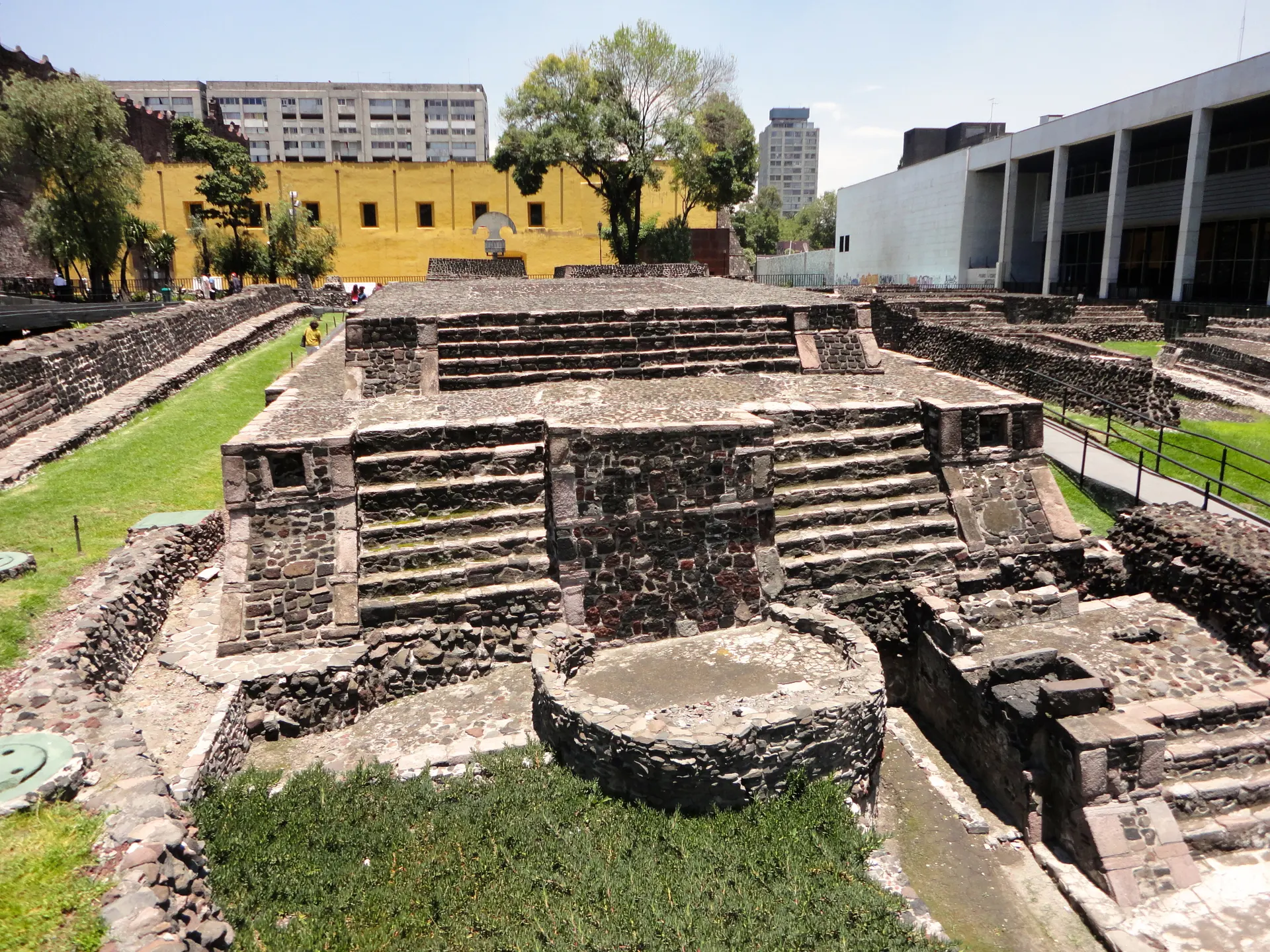
Tlatelolco Archaeological Zone
Mexico City, Mexico City, Mexico
4.2 km away
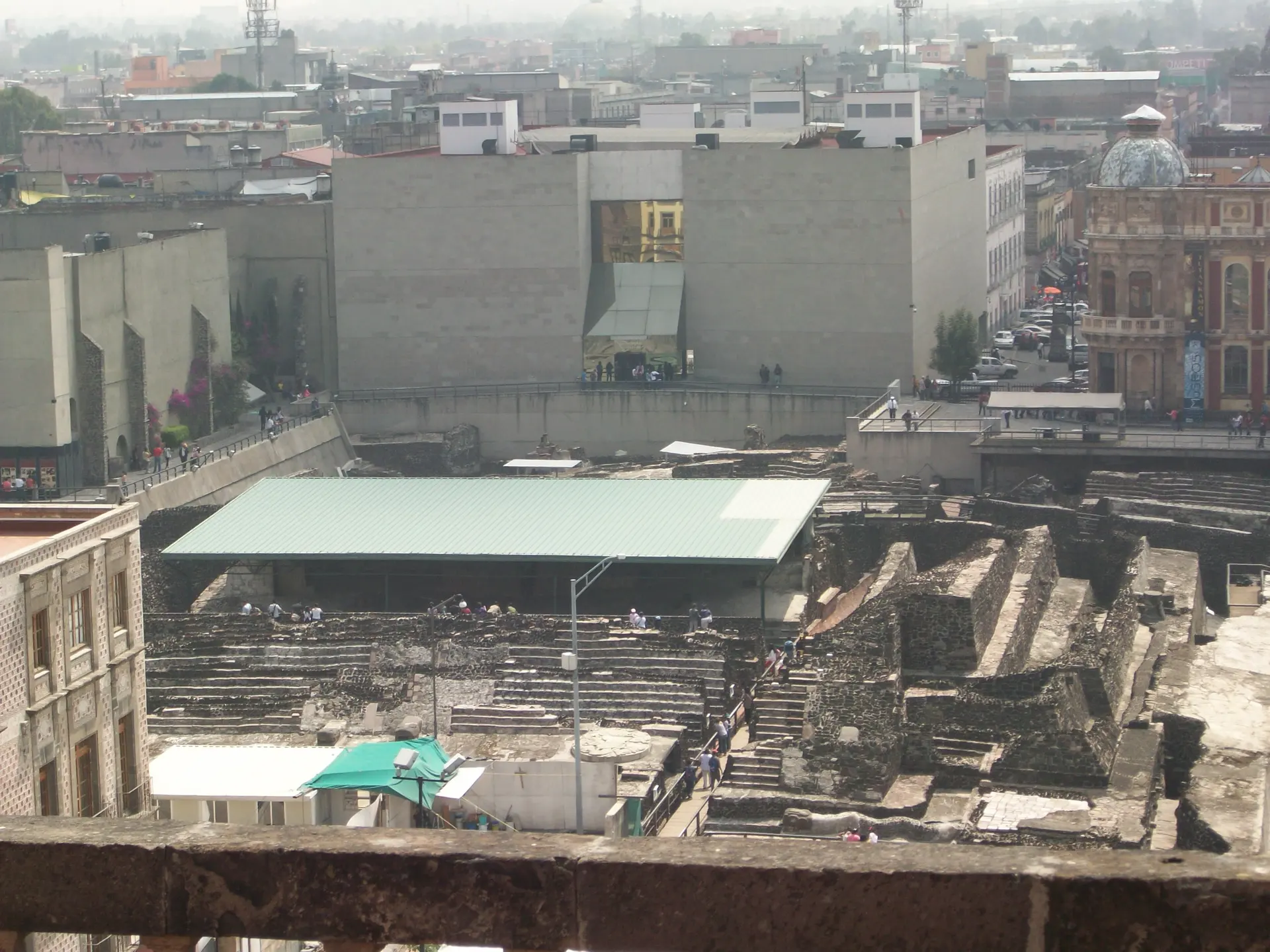
Templo Mayor Archaeological Zone and Museum
Mexico City, Mexico City, Mexico
5.8 km away
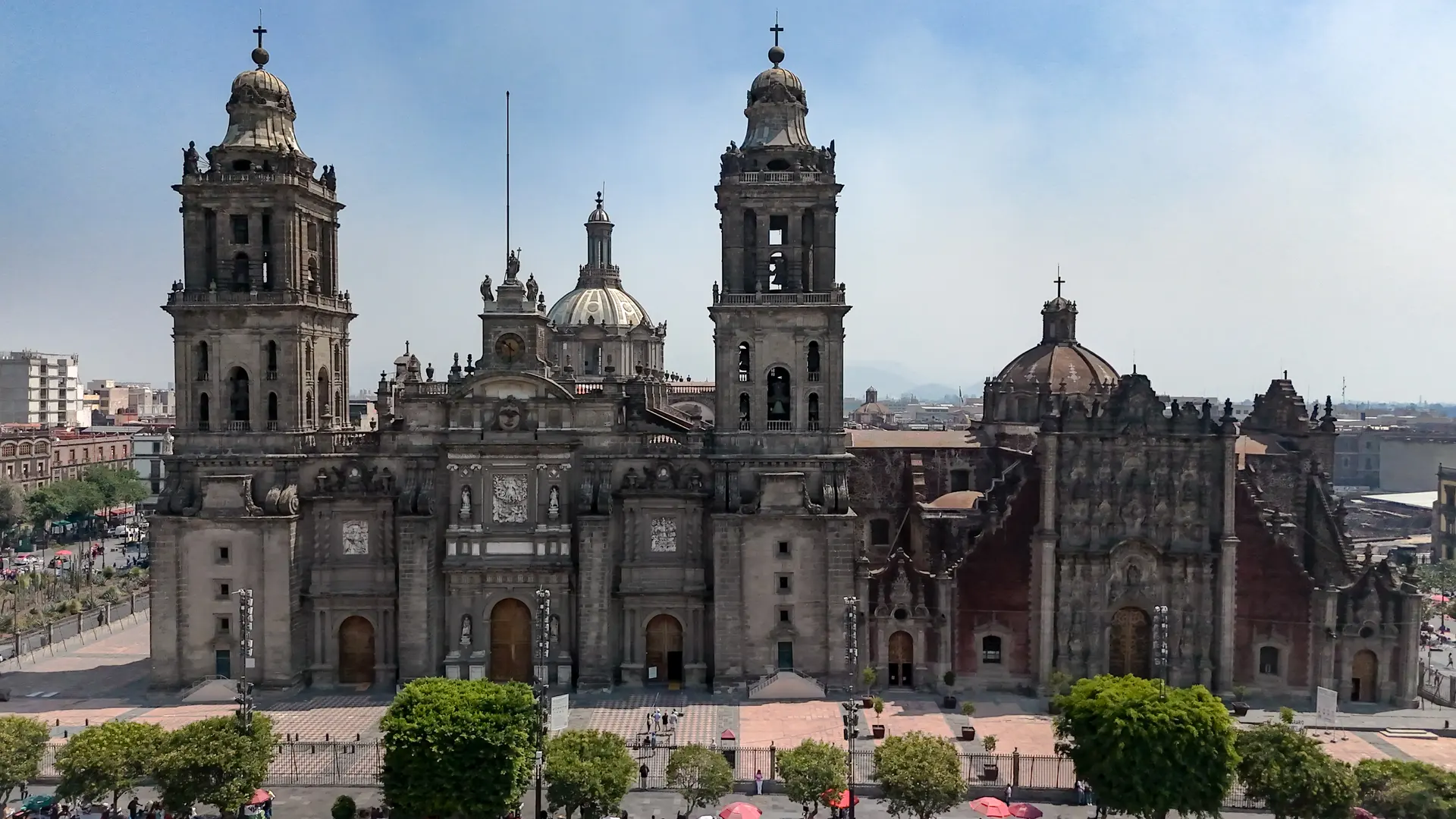
Mexico City Metropolitan Cathedral
Mexico City, Mexico City, Mexico
5.8 km away
Share a photo
Help visitors recognize Our Lady of Guadalupe, Mexico. Every submission is reviewed before publication.