Jungakdan Shrine
A central-peak shrine where court ritual meets mountain devotion
Understand sacred places, explore living traditions, and learn how to engage respectfully with Pilgrim Map.
Access has not been verified. Check current local guidance before planning a visit.
Gongju-si, Chungcheongnam-do, South Korea
Read the sources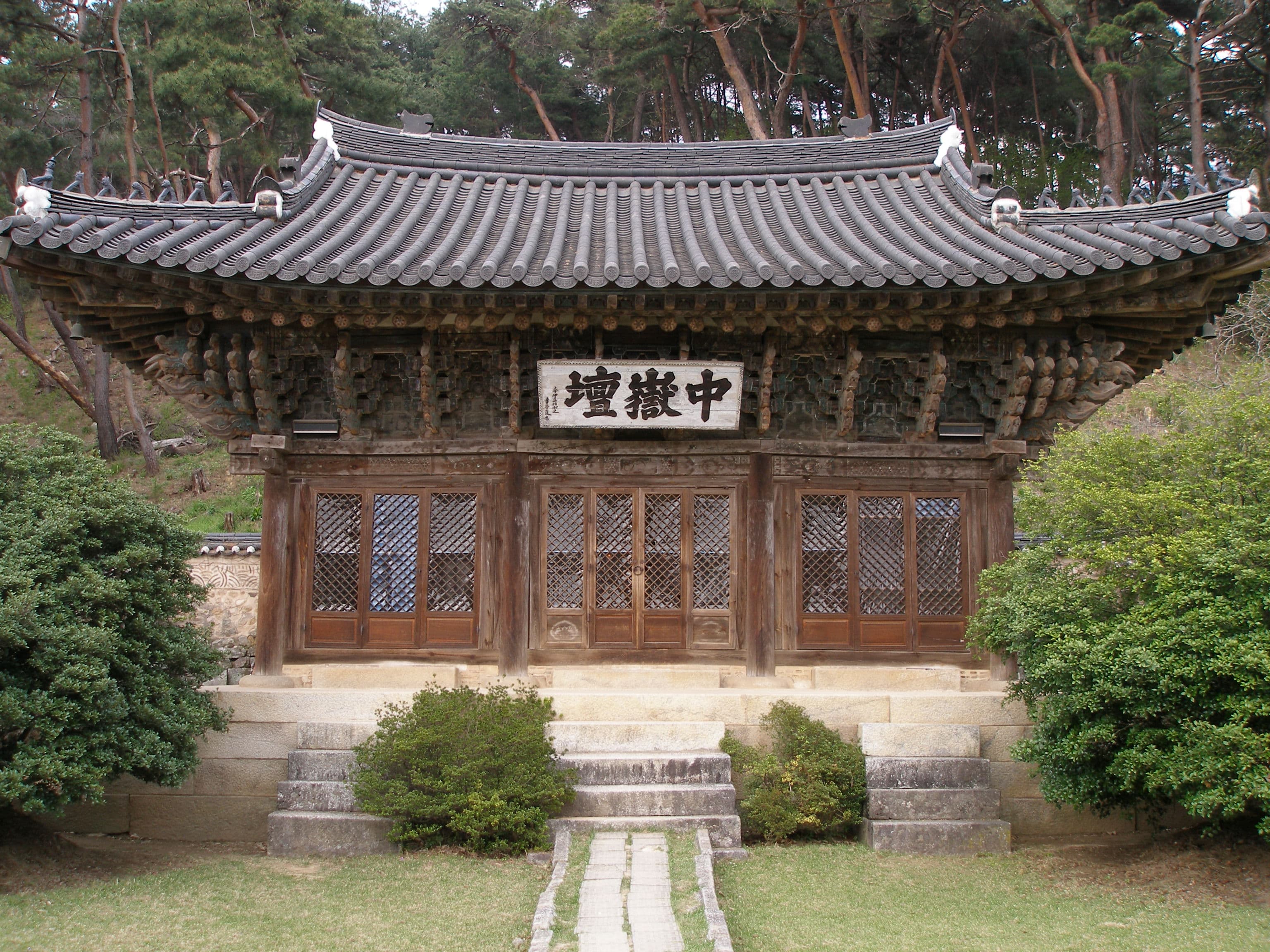
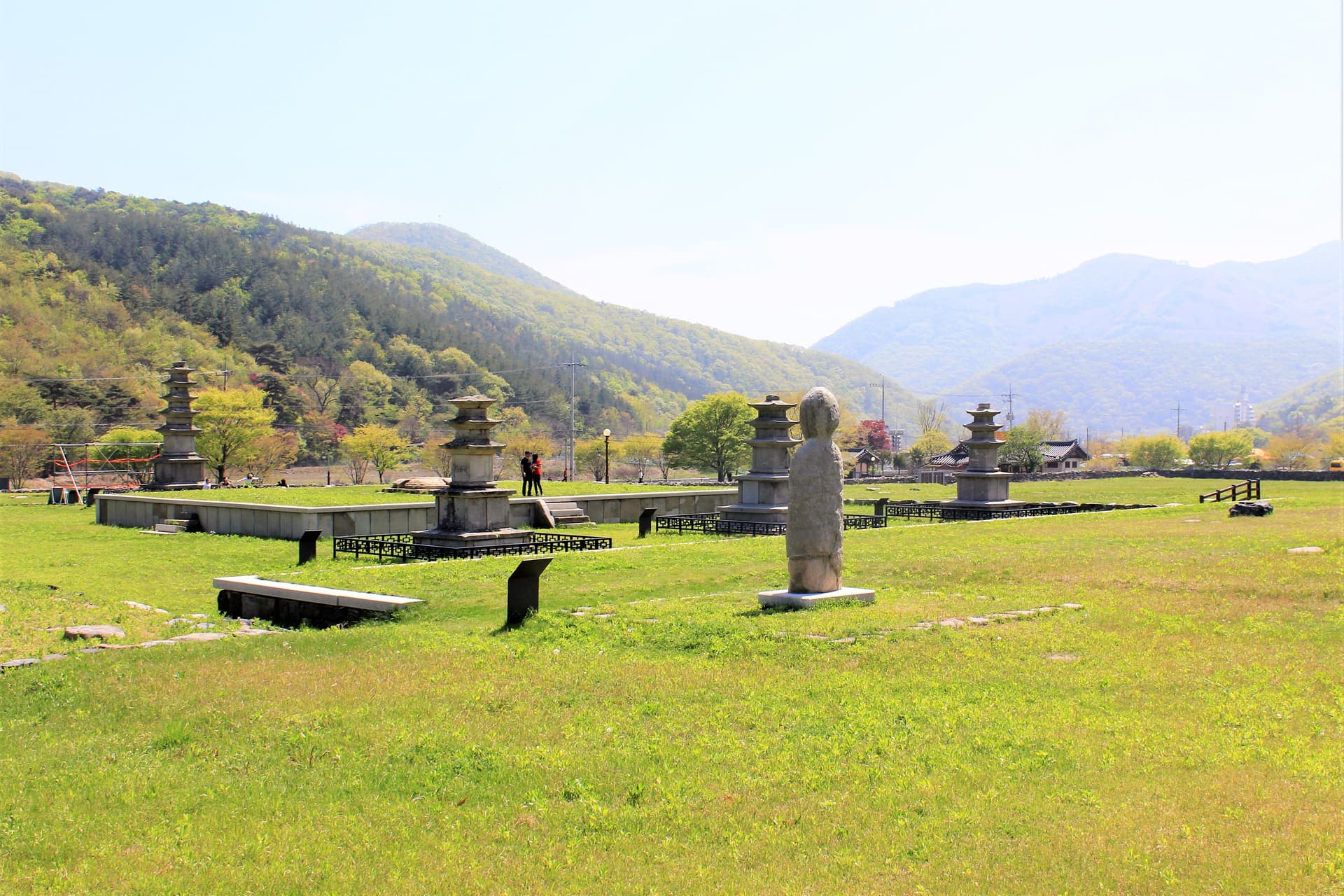
Jungakdan Shrine in Gongju, South Chungcheong, South Korea. Image source · CC BY-SA 3.0
Visit essentials
A quick read before you go
- Duration
- Pair a measured altar visit with the surrounding mountain-temple approach.
- Access
- Check park and temple conditions before entering the Gyeryongsan precinct.
Overview
Within a Buddhist temple precinct, Jungakdan preserves a state-sponsored mountain-spirit tradition that remains meaningful beyond its architecture. Heritage interpretation says a predecessor altar was created in 1394 after royal preceptor Muhak dreamed of the mountain spirit. Ceremonies ceased in 1651; Queen Min ordered rebuilding in 1879 under the name Jungakdan. Because scholars have not settled whether the earlier Gyeryongdan occupied exactly this location, continuity is ritual and historical rather than assumed in unchanged fabric.
Aligned gates and a reserved spirit path make unseen presence legible: visitors approach, but the central route is not simply theirs. The shrine thus brings Joseon authority, Buddhist custody, mountain reverence, and later reconstruction into one ceremonial site.
Why this place is sacred
Jungakdan’s architecture asks a visitor to notice absence. The paved way between inner gate and shrine is described as a route for the spirit, so respectful movement begins by not occupying the center automatically. Gyeryongsan’s ridges supply the wider sacred body; the building provides a bounded place of address. Some modern writers portray the mountain as unusually charged with qi. Such language is widespread around Gyeryongsan, but it is neither a measurable property nor necessary to explain the shrine.
The documented significance is stronger: generations treated this mountain spirit as worthy of court ceremony, reconstruction, Buddhist care, and renewed prayer.
The account distinguishes the 1394 royal altar from its later rebuilding.
Later change is identified without inventing continuity.
Experience and orientation
Begin by distinguishing Jungakdan from Sinwonsa’s Buddhist halls. The two belong to one lived landscape but have different ritual centers. From the outer gate, follow the sequence toward the inner gate and main shrine without walking casually along the reserved central line. Look for how enclosure narrows the mountain view, then turn back to understand how the peak remains present beyond the roof. If chanting or a prayer ceremony is occurring, wait at the edge and follow monastic directions.
The shrine is a protected Treasure, so painted surfaces, thresholds, spirit images, and fittings are not props. Google confirms the exact rural location and operational status but no phone, hours, or official site; access must be checked with Sinwonsa.
Approach through Gyeryongsan’s temple landscape without crossing altar enclosures.
Context and lineage
Heritage interpretation preserves a 1394 account in which Muhak’s dream prompted a Gyeryongdan altar and rites to Gyeryongsan. The practice later stopped in 1651. In 1879, during King Gojong’s reign, Queen Min ordered reconstruction and the name Jungakdan. Central Peak expressed a three-mountain ordering with Myohyangsan to the north and Jirisan to the south; the companion shrines have not survived. Current scholarship warns that the relation between the original altar and present site is not fully settled.
That uncertainty matters because it separates transmitted ritual memory from claims about unchanged physical fabric.
Korean mountain-spirit ritual and Buddhism
Traditions and practice
The target is the guardian spirit of Gyeryongsan, not a generic force attached to any mountain. Historical court rites and contemporary prayer belong to different periods, yet both address the mountain through ceremonial form. Visitors should not improvise incense, food, ribbons, or petitions. If a temple-led observance is public, participate only as directed; otherwise quiet witnessing is sufficient.
A grounded reflective practice is to pause outside the central route and consider why a path can be reserved for someone one cannot see. This exercise interprets spatial etiquette without claiming supernatural contact.
Current observance remains under custodian authority.
Pause once and attend before interpreting.
Korean mountain-spirit ritual and Buddhism
ActiveRoyal mountain rites made Gyeryongsan a place of state ritual attention.
Any present observance remains subject to temple and heritage-site stewardship.
Perspectives and open questions
Court history, Buddhist custody, folk devotion, and architectural conservation illuminate different aspects of Jungakdan.
Scholarly perspective
A historian may focus on royal ceremony and the 1879 rebuilding; a religious practitioner may center the living mountain spirit; a conservator must protect a rare surviving structure. These approaches need not collapse into one claim. The shrine’s spiritual significance is culturally real even where the chronology of an earlier altar remains uncertain. Reports of unusual energy or direct spirit presence belong to personal and traditional testimony and are not independently verified.
Living and traditional perspectives
Court records frame the structure as a state altar for Gyeryongsan.
Open questions
No supernatural outcome is inferred from the altar’s royal ritual history.
Plan your visit
Access and arrival
Check park and temple conditions before entering the Gyeryongsan precinct.
This review found no verified overnight arrangement at the altar.
Respectful visit
Dress quietly for an outdoor royal altar beside an active monastery.
Keep cameras outside restricted ritual space and follow Donghaksa notices.
Use only forms explicitly authorized by custodians.
Barriers and ceremony instructions always take priority.
Avoid imitation, intrusion, and unsupported promises.
Current practical details
Address
Yanghwa-ri, Gyeryong-myeon, Gongju-si, Chungcheongnam-do, South Korea
Hours, fees, and access can change — verify on the official source before you travel. Practical details last checked Jul 2026.
Location
Map loads as you approach this section.
Pilgrim reflections
A portrait of encounter, not a score
Pilgrims describe what they felt, how present they could become, and whether the place would shape a journey. There are no stars and no ranking of traditions.
No reviewed reflections yet
The first pilgrims can help describe the character of being here.
Share a reflection
Available after an account-backed “Been there.” Every reflection is reviewed before publication.
Nearby sacred places
Explore other sacred places in the region. Proximity does not establish access or travel time; check each place’s guidance.
References
Sources consulted for this page. Source categories describe the publication, not a guarantee that every claim is verified. Traditional accounts and outside interpretations may differ.
- 01Gongju Gyeryongsan Jungakdan — Korea Heritage ServiceofficialOfficial Treasure record confirming the exact shrine, protected status, address, and heritage identity.
- 02Jungakdan Shrine in Gyeryongsan Mountain, Gongju — Academy of Korean StudiesacademicBilingual heritage interpretation covering the 1394 received origin, 1651 cessation, 1879 rebuilding, three-part layout, and spirit path.
- 03Jungakdan Shrine — Google Maps place record — GoogleSource contextStrong exact identity used only for coordinates, address, and operating status.
- 04Cultural-historical meaning of Jungakdan of Gyeryongsan in Joseon — Korean Citation IndexacademicScholarly record noting debate about the original Gyeryongdan location and later court-linked reconstruction.
Share a photo
Help visitors recognize Jungakdan Shrine. Every submission is reviewed before publication.