Gochang Dolmen Site
A cemetery of raised stone revealing prehistoric labor and belief
Understand sacred places, explore living traditions, and learn how to engage respectfully with Pilgrim Map.
Access has not been verified. Check current local guidance before planning a visit.
Kochang, Jeollabuk-do, South Korea
Read the sources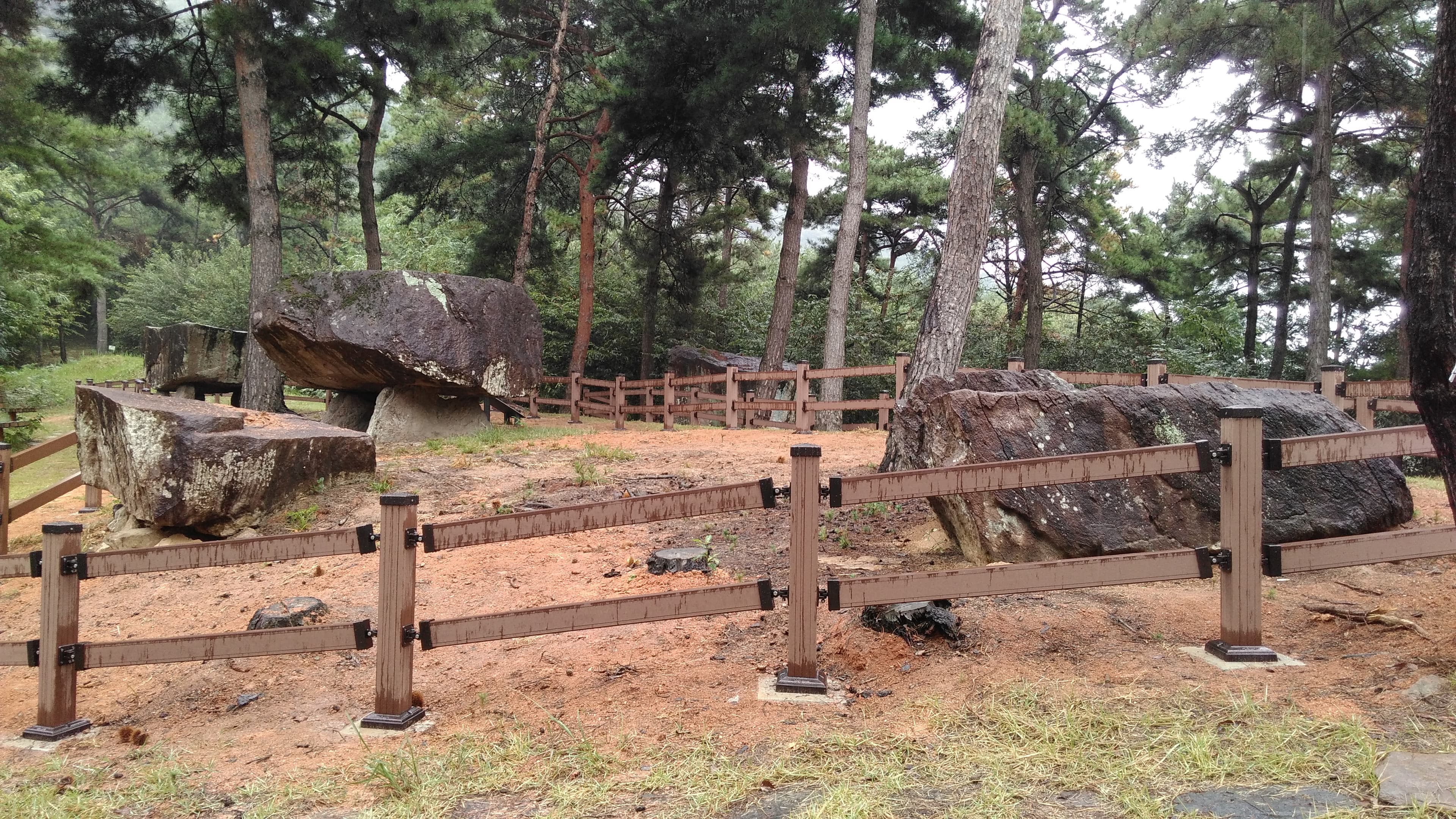
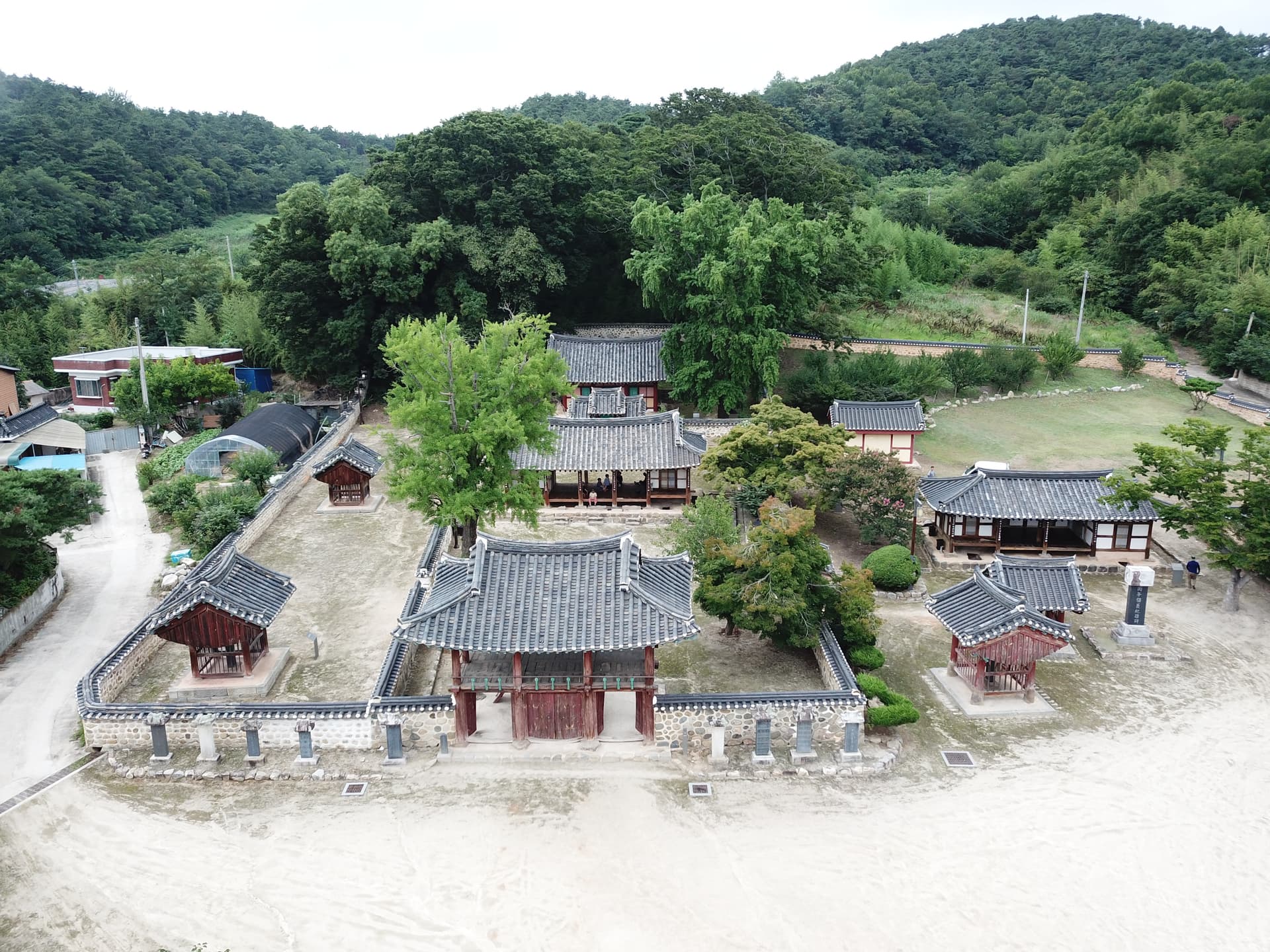
Gochang Dolmen Site in Gochang, North Jeolla, South Korea. Image source · CC BY-SA 4.0
Visit essentials
A quick read before you go
- Duration
- Give the distributed clusters enough time for comparison across the landscape.
- Access
- Consult the heritage visitor information for current field and museum access.
Overview
A dolmen’s huge capstone makes engineering visible, but its human subject is absence. UNESCO identifies these monuments as burial chambers or markers over bodies or bones of socially significant people during the first millennium BCE, within a wider megalithic tradition of the second and first millennia BCE.
Gochang’s 8.38-hectare World Heritage component, numbered 977-001, contains exceptional density and variety; quarry evidence helps researchers reconstruct how communities selected, moved, and raised stone, making a cemetery a record of labor and political organization. Gochang County says dolmens could be graves, group markers, gathering places, or ceremonial altars and records interpretations involving ancestor reverence and spirits in great stones. These possibilities identify no deity for this component.
Respect means resisting both emptiness and invention: the field is neither random geology nor license for modern energy claims.
Why this place is sacred
Gochang’s sacred significance is archaeological and funerary. Each monument holds a relationship between the living community that quarried and raised stone and the dead person or group commemorated beneath or beside it. Repetition across the hills transforms isolated tombs into a social landscape. Yet excavation cannot recover every prayer, name, or cosmology.
The ethical response is disciplined imagination: acknowledge ancestor reverence and ritual possibilities where official interpretation supports them, then stop before naming gods, astronomical codes, healing fields, or lost technologies that the evidence does not establish.
Archaeological interpretation addresses burial and monumentality without inventing a living cult.
Later change is identified without inventing continuity.
Experience and orientation
Start with the Gochang Dolmen Museum before entering the outdoor groups. Its exhibits explain construction, burial practice, and regional types, which helps prevent every capstone from becoming an isolated curiosity. KTO lists museum hours of 09:00–18:00 from March through October and 09:00–17:00 from November through February, with last admission one hour before closing; it closes on Mondays, New Year’s Day, and designated holidays.
The exact Google record in this batch points to the Dosan-ri group at 16-6 Jidong-gil, while UNESCO’s component is broader. Stay on marked routes, compare capstone size and support arrangement, and do not climb, shelter under, or move stones.
Use marked paths and view each megalith from outside conservation buffers.
Context and lineage
UNESCO inscribed the serial property in 2000 under criterion iii because its dolmen cemeteries vividly represent the megalithic technological and social phenomenon. The Gochang component centers near Maesan and preserves more than 440 examples plus quarry evidence. Component code 977-001 and the mapped 8.38-hectare boundary define the listed area; references to all of Gochang County should not be treated as World Heritage extent.
Researchers broadly place the Korean dolmens within prehistoric funerary and ritual systems, while the identity of individual builders and burials often remains unknown.
Prehistoric Korean funerary and megalithic traditions
Traditions and practice
The site does not invite modern offerings, stone stacking, rubbing, ancestor invocation, or reenacted burial ceremonies. Museum interpretation may illustrate prehistoric memorial practice, but demonstration is not evidence that every dolmen served exactly the same function. Visitors can honor the dead by moving quietly, reading labels, and keeping bodies and equipment off the monuments. A useful reflection is to estimate the cooperation required to raise one capstone, then consider what kind of social promise made that labor worth sustaining.
Current observance remains under custodian authority.
Pause once and attend before interpreting.
Prehistoric Korean funerary and megalithic traditions
HistoricalBurial monuments reveal prehistoric social and commemorative investment in place.
Present-day conduct is archaeological stewardship, not a reconstructed ancient ritual.
Perspectives and open questions
Archaeology, funerary ethics, engineering history, landscape study, and descendant public memory frame Gochang.
Scholarly perspective
UNESCO emphasizes technological and social evidence; county interpretation also preserves possible ritual and ancestor meanings. These are complementary when possibilities remain clearly labeled. The site’s inclusion in the Gochang Biosphere Reserve context does not make the dolmen component a natural World Heritage property; its inscription is cultural. No prevalent, well-sourced modern metaphysical claim met the project’s inclusion gate.
Living and traditional perspectives
Archaeologists, rather than a present worshipping lineage, interpret the mortuary evidence.
Open questions
Claims about energy or healing are absent from the cited evidence.
Plan your visit
Access and arrival
Consult the heritage visitor information for current field and museum access.
UNESCO and heritage records do not supply accommodation guidance.
Respectful visit
Choose field-ready footwear for an archaeological landscape exposed to weather.
Photography must never involve climbing, touching, or staging objects on stones.
Use only forms explicitly authorized by custodians.
Barriers and ceremony instructions always take priority.
Avoid imitation, intrusion, and unsupported promises.
Current practical details
Address
16-6 Jidong-gil, Gochang-eup, Kochang, Jeonbuk State, South Korea
Hours, fees, and access can change — verify on the official source before you travel. Practical details last checked Jul 2026.
Location
Map loads as you approach this section.
Pilgrim reflections
A portrait of encounter, not a score
Pilgrims describe what they felt, how present they could become, and whether the place would shape a journey. There are no stars and no ranking of traditions.
No reviewed reflections yet
The first pilgrims can help describe the character of being here.
Share a reflection
Available after an account-backed “Been there.” Every reflection is reviewed before publication.
Nearby sacred places
Explore other sacred places in the region. Proximity does not establish access or travel time; check each place’s guidance.
References
Sources consulted for this page. Source categories describe the publication, not a guarantee that every claim is verified. Traditional accounts and outside interpretations may differ.
- 01Gochang, Hwasun and Ganghwa Dolmen Sites — UNESCO World Heritage CentreofficialAuthoritative serial-property statement for criterion iii, funerary and ritual meaning, more than 440 Gochang dolmens, quarry evidence, integrity, and management.
- 02Gochang, Hwasun and Ganghwa Dolmen Sites — Maps — UNESCO World Heritage CentreofficialAuthoritative component identifier 977-001, coordinates, 8.38-hectare property boundary, and 8.07-hectare buffer zone.
- 03Gochang, Hwasun and Ganghwa Dolmen Sites — Gochang Dolmen MuseumofficialOfficial serial-property website independently confirmed by Gochang County as the World Heritage dolmen portal.
- 04Meanings of Dolmens — Gochang CountyofficialCounty interpretation of dolmens as graves, markers, gathering places or ceremonial altars and of ancestor and stone-spirit beliefs.
- 05Gochang Dolmen Museum — Korea Tourism OrganizationofficialCurrent official museum address, seasonal hours, closure days, telephone, facilities, fee, and official county website.
- 06Gochang Dolmen Site — Google Maps place record — GoogleSource contextStrong exact Dosan-ri identity used only for current coordinates, address, operating status, and official-site candidate.
Share a photo
Help visitors recognize Gochang Dolmen Site. Every submission is reviewed before publication.