Tradition guide
Korean Confucianism
Korean Confucianism sites connect places through shared lineage, practice, story, and pilgrimage across the global atlas.
2 sacred places share this lineage. Use the country links to narrow in.
Atlas summary
Korean Confucianism sacred sites overview
Korean Confucianism sacred sites connect places through shared lineage, ritual use, memory, and pilgrimage practice across the Pilgrim Map atlas.
Use this page to compare country clusters, common place types, UNESCO-tagged landmarks, and the map distribution before exploring individual site pages.
| Coverage | 2 Korean Confucianism sacred places in the current atlas. |
|---|---|
| Country clusters | |
| UNESCO heritage | 1 UNESCO-tagged Korean Confucianism site appear in this browse view. |
By country
Refine the atlas
Related Korean Confucianism guides
Showing 1-2 of 2 sites in this tradition guide

Jongmyo Shrine
Seoul, Seoul, South Korea
Jongmyo Shrine is a royal Confucian ancestral shrine in Seoul, Jongno District, South Korea, interpreted within Korean Confucianism....
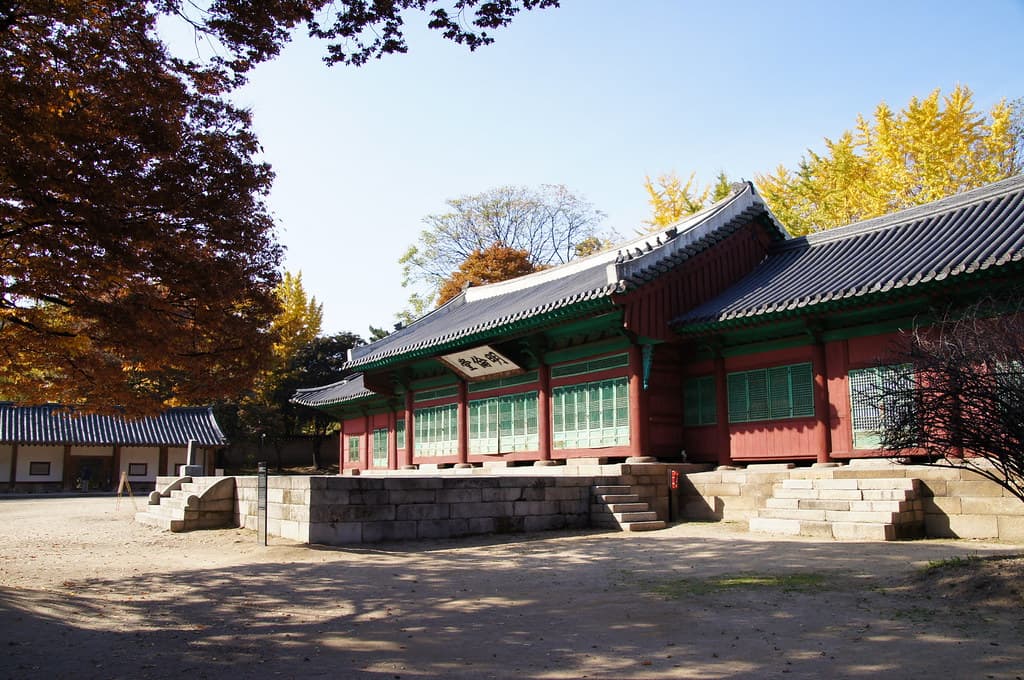
Munmyo Shrine at Sungkyunkwan
Seoul, Seoul, South Korea
Munmyo at Sungkyunkwan unites a Confucian shrine with the Joseon state academy. Its sacred center honors Confucius together with disciples and distinguished Chinese and...
Key questions
Korean Confucianism sacred-site questions
What are Korean Confucianism sacred sites?
Korean Confucianism sacred sites are places connected by shared lineage, practice, memory, ritual use, or pilgrimage tradition.
Where can I find Korean Confucianism sacred sites?
The strongest country clusters in this guide include South Korea.
What kinds of places are included?
The guide includes sacred landscapes, pilgrimage places, and ritual or historical sites where available.
Can I map Korean Confucianism sacred sites?
Yes. Compare country clusters and physical forms first, then open individual pages for coordinates, historical context, and visitor guidance.