Wihan Phra Mongkhon Bophit
A rebuilt hall sustains devotion to Ayutthaya's great bronze Buddha
Understand sacred places, explore living traditions, and learn how to engage respectfully with Pilgrim Map.
Access has not been verified. Check current local guidance before planning a visit.
Phra Nakhon Si Ayutthaya, Phra Nakhon Si Ayutthaya, Thailand
Read the sources
Wihan Phra Mongkhon Bophit in Phra Nakhon Si Ayutthaya, Phra Nakhon Si Ayutthaya, Thailand. Image source · CC BY 4.0
Visit essentials
A quick read before you go
- Duration
- Set aside time for seated observation rather than treating the hall as a brief annex.
- Access
- The strong Places match locates the wihan beside the former palace; use its distinct public…
Overview
Pause at the entrance to understand how worshippers orient themselves toward Phra Mongkhon Bophit. Shoes, seated posture, camera use, and the central approach all require more attention here than in the adjacent ruins. The Buddha's scale can be impressive without being described as a measurable force. It organizes sight, movement, homage, and community memory. Conservation or ceremonies may alter access, so posted instructions supersede a fixed itinerary.
The site's central lesson is not that reconstruction erased authenticity; it is that veneration can persist through repair when a community continues to care for a sacred image.
Why this place is sacred
Phra Mongkhon Bophit is not simply a large sculpture. The seated Buddha provides a focus for recollection, homage, merit-making, and community identity. Scale changes the bodily encounter: visitors look upward, lower their voices, and orient themselves toward the image. Those responses belong to a living Theravada setting and should not be confused with claims that size produces supernatural force.
The wihan shelters Phra Mongkhon Bophit as an active focus of homage and merit.
Image relocation, wartime fire damage, twentieth-century reconstruction, and renewed enshrinement shape present authenticity.
Experience and orientation
The most useful contrast is between continuity of veneration and discontinuity of fabric. The hall has been rebuilt, yet devotion to the image persists. Authenticity here is not limited to untouched material; it also involves the careful survival, repair, and religious use of a revered image after catastrophe.
Pause outside, remove shoes, and identify the central worship line before approaching the bronze image.
Context and lineage
Wihan Phra Mongkhon Bophit houses a large bronze Buddha image whose history includes relocation, damage, rebuilding, and renewed enshrinement beside the former royal precinct. The present hall is a reconstruction shaped by twentieth-century restoration, while the image itself preserves a longer devotional continuity. Its proximity to Wat Phra Si Sanphet can encourage visitors to treat both as one ruin complex, but the wihan is an active sacred interior with a distinct living function.
Current practice belongs to Theravada Buddhism centered on the named Phra Mongkhon Bophit image.
Traditions and practice
Remove shoes before entering, sit with feet directed away from the Buddha image, and keep the central sightline available for worshippers. Offerings should follow local arrangements. Photography rules and hall access can change during ceremonies or conservation work; posted instructions take priority.
Flowers, incense, gold-related devotion, and prayer occur according to the wihan's present arrangements.
Observe how seated worshippers maintain bodily orientation toward the Buddha before choosing your place.
Theravada Buddhism
ActiveContinuing reverence for Phra Mongkhon Bophit carries sacred identity across destruction and rebuilding.
Bowing, quiet prayer, offerings, and respectful seated presence follow the hall's local order.
Perspectives and open questions
Devotional continuity, image history, reconstructed architecture, and visitor conduct answer different questions.
Scholarly perspective
Material authenticity lies partly in the older bronze image and partly in documented reconstruction history.
Living and traditional perspectives
Theravada devotees approach Phra Mongkhon Bophit through homage, recollection, and merit-making.
Alternative interpretations
No credible source indicates that proximity to the large image guarantees blessing or healing.
Open questions
The reviewed bundle does not establish every current offering sequence or ceremonial date.
Plan your visit
Access and arrival
The strong Places match locates the wihan beside the former palace; use its distinct public entrance.
Respectful visit
Cover shoulders and knees before entering, with footwear easily removed at the threshold.
Check interior signs and suspend photography whenever prayer or a ceremony fills the hall.
Use only the flower, incense, donation, or other stations organized around the image.
Do not touch the Buddha, altar, restoration surfaces, or objects placed by worshippers.
Never stand between the image and devotees merely to secure an unobstructed photograph.
Current practical details
Address
9H34+GV8 ประตูชัย Thanon Naresuan, Tambon Pratuchai, Amphoe Phra Nakhon Si Ayutthaya, Chang Wat Phra Nakhon Si Ayutthaya 13000, Thailand
Hours
Hours, fees, and access can change — verify on the official source before you travel. Practical details last checked Jul 2026.
Location
Map loads as you approach this section.
Pilgrim reflections
A portrait of encounter, not a score
Pilgrims describe what they felt, how present they could become, and whether the place would shape a journey. There are no stars and no ranking of traditions.
No reviewed reflections yet
The first pilgrims can help describe the character of being here.
Share a reflection
Available after an account-backed “Been there.” Every reflection is reviewed before publication.
Nearby sacred places
Explore other sacred places in the region. Proximity does not establish access or travel time; check each place’s guidance.

Wat Phra Si Sanphet
Phra Nakhon Si Ayutthaya, Phra Nakhon Si Ayutthaya, Thailand
0.1 km away

Wat Lokayasutharam
Phra Nakhon Si Ayutthaya, Phra Nakhon Si Ayutthaya, Thailand
0.7 km away
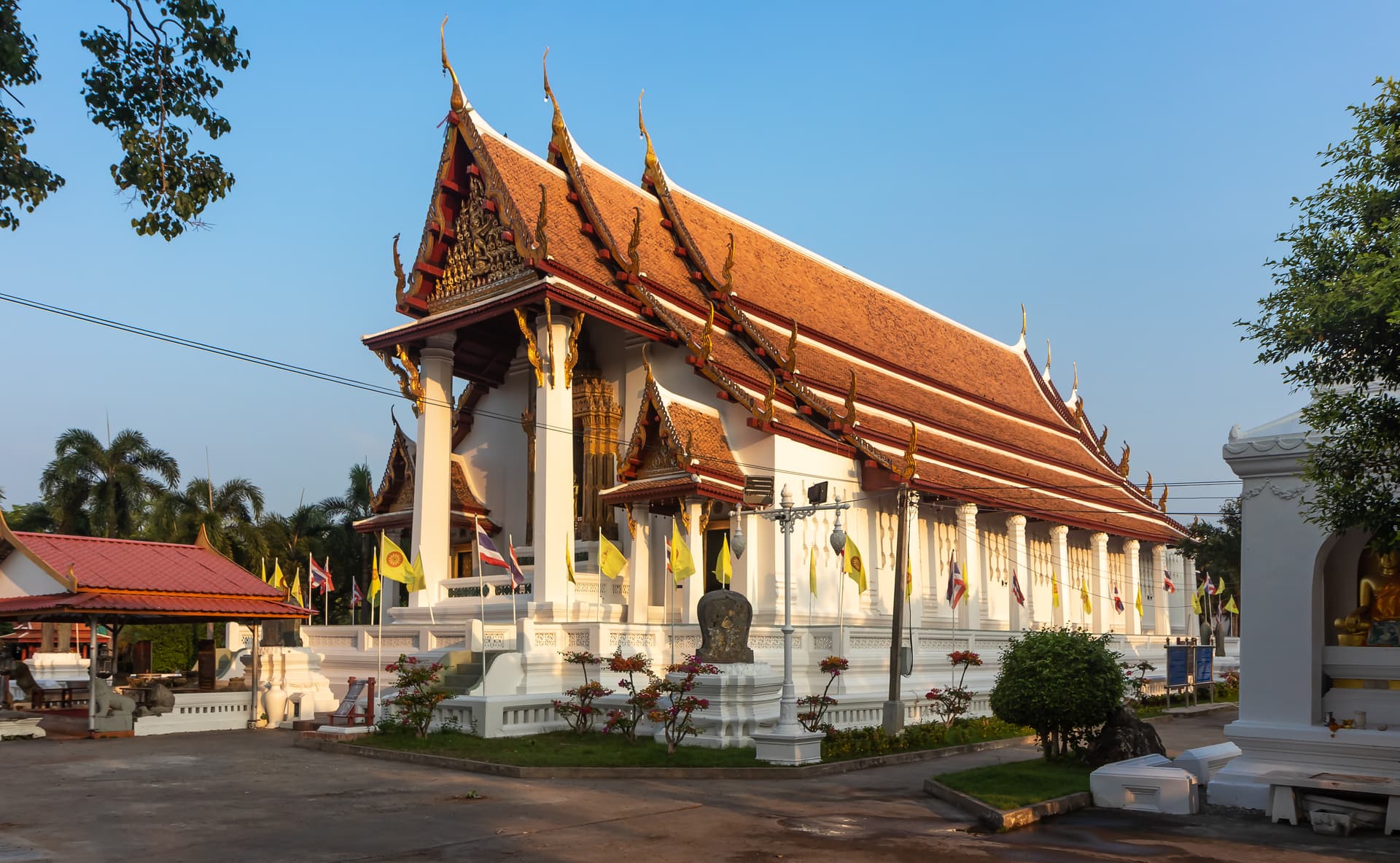
Wat Na Phra Men
Phra Nakhon Si Ayutthaya, Phra Nakhon Si Ayutthaya, Thailand
0.8 km away
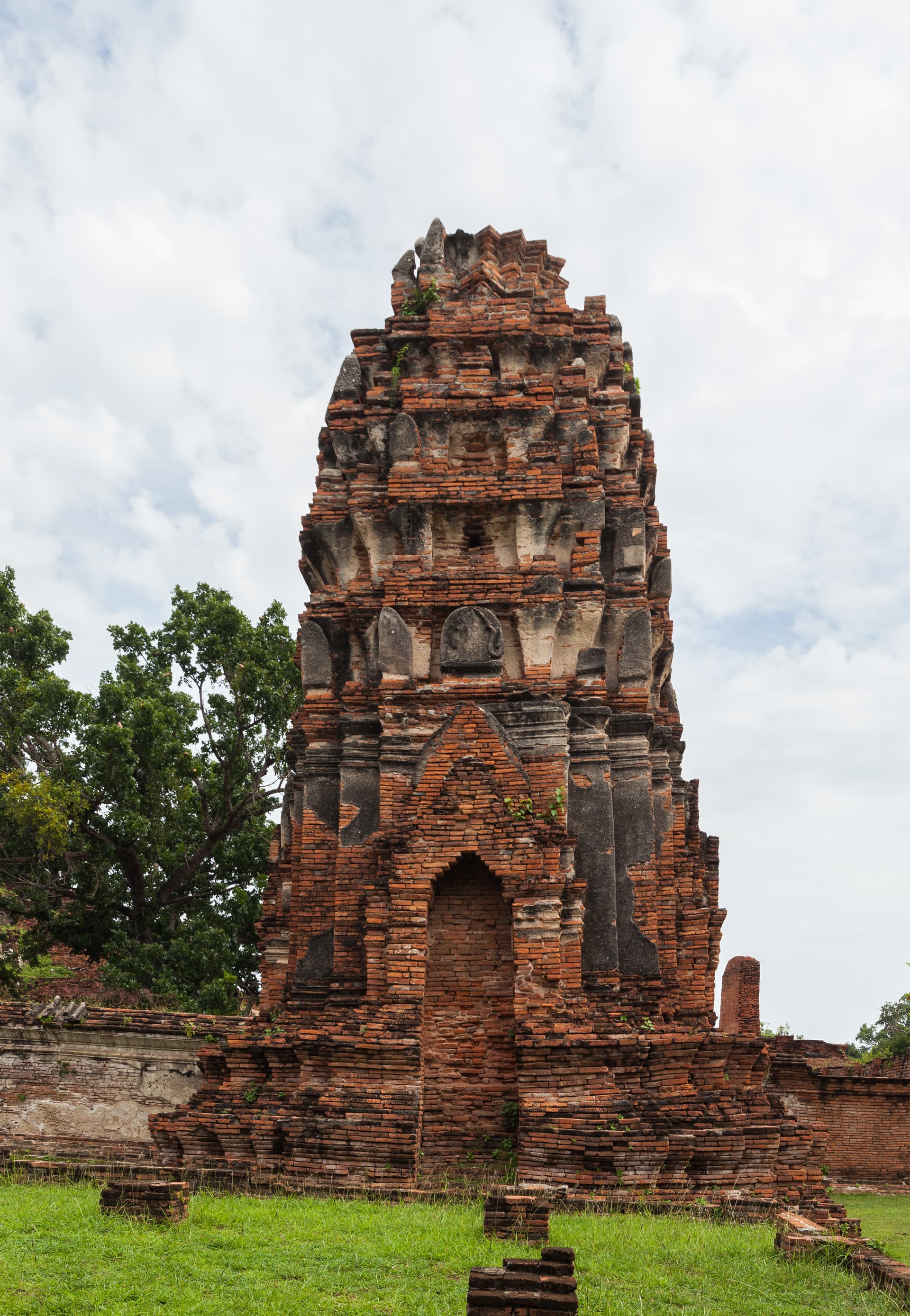
Wat Mahathat, Ayutthaya
Phra Nakhon Si Ayutthaya, Phra Nakhon Si Ayutthaya, Thailand
1.0 km away
References
Sources consulted for this page. Source categories describe the publication, not a guarantee that every claim is verified. Traditional accounts and outside interpretations may differ.
- 01Historic City of Ayutthaya — UNESCO World Heritage Centre — UNESCO World Heritage CentreofficialAuthoritative property status, scope, date, significance, and management context.
- 02Slow Lane in Ayutthaya — Tourism Authority of ThailandofficialOfficial route source confirming the exact sanctuary and heritage setting.
- 032018 State of Conservation Report — UNESCO World Heritage CentreofficialUNESCO reporting explicitly identifies the named monument among those covered by property 576.
- 04Nine Temples in Ayutthaya: Exotic Pilgrimage in the Historical City — Tourism Authority of ThailandofficialOfficial source for named temples, veneration, historical roles, and pilgrimage context.
- 05Wihan Phra Mongkhon Bophit — Wikipedia — Wikipedia contributorsacademicCorroborates identity, location, and basic historical context; key claims require higher-tier corroboration.
- 06Q13021260 — Wikidata — Wikidata contributorsacademicStructured identity and coordinate corroboration; not used alone for spiritual or historical claims.
- 07Wiharn Phra Mongkhon Bophit — Google Maps — Google PlacesSource contextStrong name, country, locality, and coordinate match; used only for practical visitor data and identity corroboration.
Share a photo
Help visitors recognize Wihan Phra Mongkhon Bophit. Every submission is reviewed before publication.