Wat Phra Si Sanphet
Three royal chedis frame a palace chapel without resident monks
Understand sacred places, explore living traditions, and learn how to engage respectfully with Pilgrim Map.
Access has not been verified. Check current local guidance before planning a visit.
Phra Nakhon Si Ayutthaya, Phra Nakhon Si Ayutthaya, Thailand
Read the sources
Wat Phra Si Sanphet in Phra Nakhon Si Ayutthaya, Phra Nakhon Si Ayutthaya, Thailand. Image source · CC BY 4.0
Visit essentials
A quick read before you go
- Duration
- Allow enough time to read the palace relationship instead of photographing only three chedis.
- Access
- The strong Places record identifies Pratu Chai within the royal precinct; use official park…
Overview
Walk the outer lines of the complex before moving between the chedis. Changes in platform height and surviving walls help reconstruct spatial relationships without inventing ceremonies. The masonry is funerary and sacred fabric, so climbing, leaning, or staging poses against it is inappropriate. Shade is limited, and a slower route makes both heat and interpretation more manageable. Wat Phra Si Sanphet places dynastic ambitions beside visible destruction: monuments built to preserve lineage now survive through conservation inside an archaeological park.
That tension is historically grounded and needs no embellished legend.
Why this place is sacred
The three chedis express more than a picturesque skyline. They joined relic-like architecture, royal ashes, merit, lineage, and the Buddhist responsibilities claimed by kingship. Because monks did not reside here in the manner of a conventional monastery, sacred life was structured by palace ritual and royal ceremony. Present visitors encounter archaeological evidence of that relationship, not a fully operating court chapel.
The chapel served Ayutthaya's kings without functioning as an ordinary resident monastery.
Dynastic construction, the lost standing Buddha, wartime destruction, and conservation define successive phases.
Experience and orientation
Read Wat Phra Si Sanphet as an interface between impermanence and authority. Monumental chedis asserted continuity for a dynasty, yet the surrounding destruction makes discontinuity visible. The site does not offer a simple moral about a fallen kingdom. It shows how Buddhist commemoration, royal power, artistic labor, war, and modern heritage stewardship accumulated in one precinct.
Begin at the palace-facing edge and read all three chedis before entering their central axis.
Context and lineage
Wat Phra Si Sanphet occupied the royal-palace precinct of Ayutthaya and functioned as a royal chapel rather than an ordinary resident monastery. Its three prominent chedis are associated with royal remains and dynastic commemoration. The complex provided a setting for court ceremonies and once held an important standing Buddha image before the destruction of Ayutthaya in 1767.
Its arrangement later informed how royal sacred space was imagined in Bangkok, but the ruin should first be read in its own Ayutthayan political and Buddhist setting.
The evidence supports historic Theravada Buddhist kingship, commemoration, and merit-making.
Traditions and practice
Walk around the chedis without climbing or touching masonry. Quiet contemplation is appropriate, but visitors should not fabricate rites around royal remains. Use official park interpretation to distinguish original fabric, restoration, and lost structures. Heat and exposed ground make slow pacing and water important.
Fine Arts Department stewardship now governs movement around formerly royal sacred fabric.
Trace one vanished hall through its foundations and compare its scale with the surviving chedis.
Theravada Buddhism
HistoricalAyutthaya kings used Buddhist architecture to connect merit, lineage, and palace responsibility.
Interpretation now emphasizes respectful commemoration rather than reenacting lost royal ceremonies.
Heritage stewardship
ActiveUNESCO and national protection preserve the royal chapel as part of Ayutthaya's urban evidence.
Staying off masonry and following mapped paths protects fragile brick and burial associations.
Perspectives and open questions
Royal ritual, Buddhist merit, funerary archaeology, war loss, and UNESCO stewardship require separate lenses.
Scholarly perspective
UNESCO identifies the monastery within property 576 while surviving foundations limit ceremonial reconstruction.
Living and traditional perspectives
Historic Theravada meaning joined kingship, ashes, merit, and a once-venerated standing Buddha.
Alternative interpretations
No authoritative source supports paranormal effects attributed to the three-chedi alignment.
Open questions
The available record cannot recover every court ceremony or the private intentions of royal patrons.
Plan your visit
Access and arrival
The strong Places record identifies Pratu Chai within the royal precinct; use official park entrances.
Respectful visit
Wear heat-appropriate modest clothing suited to a former royal Buddhist chapel.
Use ground-level angles that preserve circulation and never pose against funerary masonry.
Leave no candles, incense, coins, or flowers unless park custodians provide a designated location.
Platforms, chedi bases, and unstable walls remain closed even when footprints suggest an easy ascent.
Do not invent offerings for royal ashes or describe empty platforms as active altars.
Current practical details
Address
Pratu Chai Sub-district, Phra Nakhon Si Ayutthaya District, Phra Nakhon Si Ayutthaya 13000, Thailand
Hours
Hours, fees, and access can change — verify on the official source before you travel. Practical details last checked Jul 2026.
Location
Map loads as you approach this section.
Pilgrim reflections
A portrait of encounter, not a score
Pilgrims describe what they felt, how present they could become, and whether the place would shape a journey. There are no stars and no ranking of traditions.
No reviewed reflections yet
The first pilgrims can help describe the character of being here.
Share a reflection
Available after an account-backed “Been there.” Every reflection is reviewed before publication.
Nearby sacred places
Explore other sacred places in the region. Proximity does not establish access or travel time; check each place’s guidance.

Wihan Phra Mongkhon Bophit
Phra Nakhon Si Ayutthaya, Phra Nakhon Si Ayutthaya, Thailand
0.1 km away

Wat Lokayasutharam
Phra Nakhon Si Ayutthaya, Phra Nakhon Si Ayutthaya, Thailand
0.6 km away
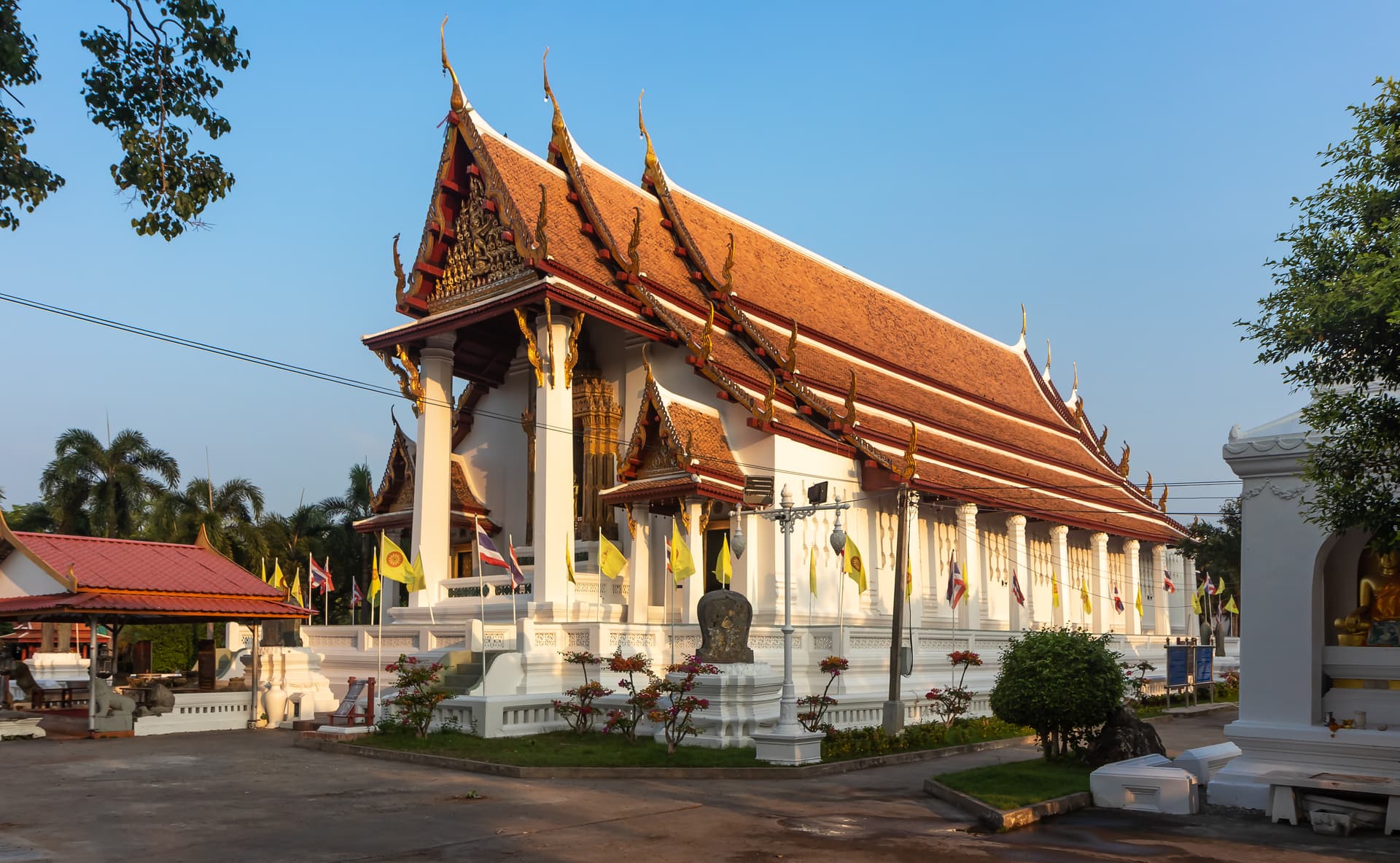
Wat Na Phra Men
Phra Nakhon Si Ayutthaya, Phra Nakhon Si Ayutthaya, Thailand
0.7 km away
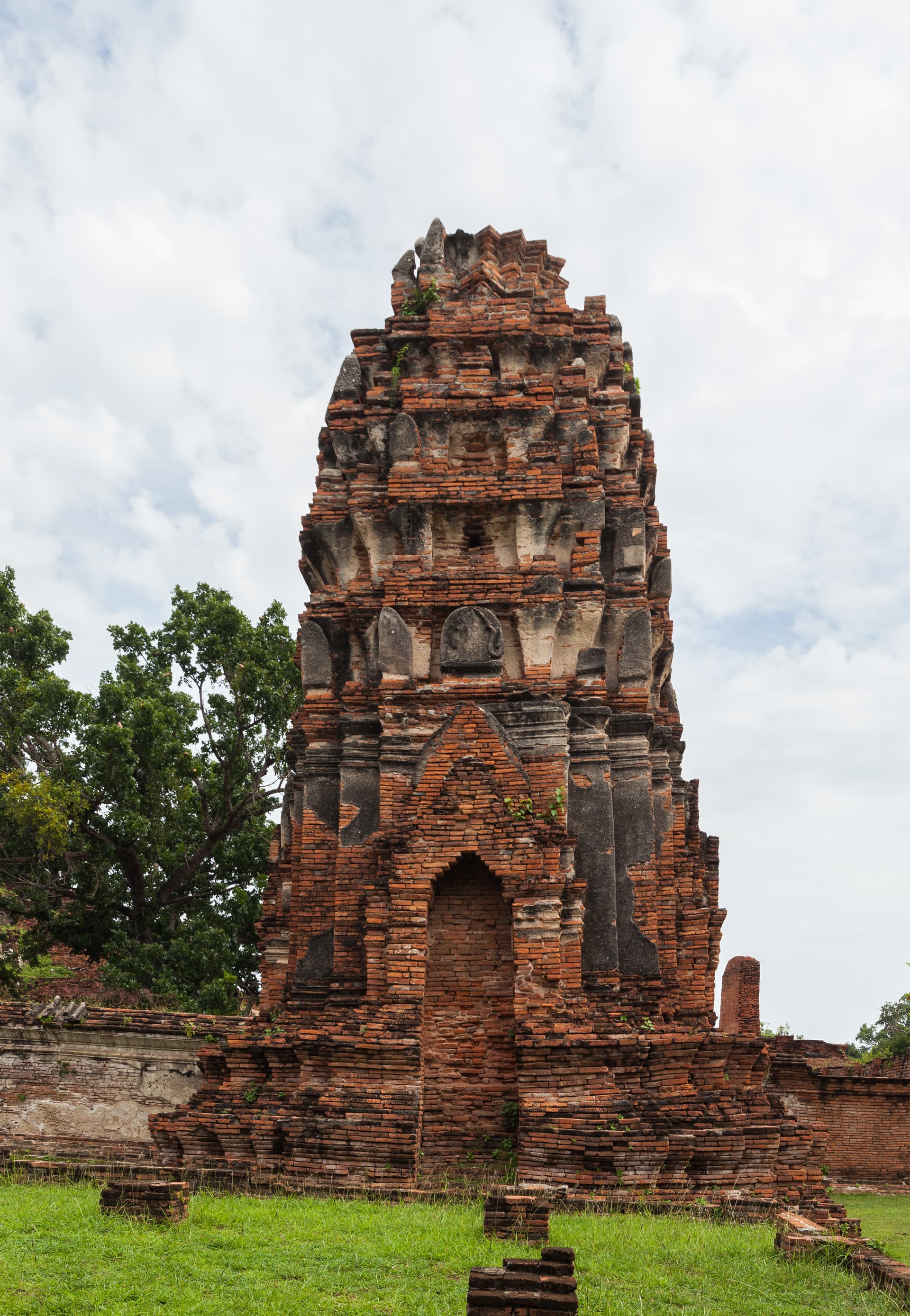
Wat Mahathat, Ayutthaya
Phra Nakhon Si Ayutthaya, Phra Nakhon Si Ayutthaya, Thailand
1.0 km away
References
Sources consulted for this page. Source categories describe the publication, not a guarantee that every claim is verified. Traditional accounts and outside interpretations may differ.
- 01Historic City of Ayutthaya — UNESCO World Heritage Centre — UNESCO World Heritage CentreofficialAuthoritative property status, scope, date, significance, and management context.
- 02Slow Lane in Ayutthaya — Tourism Authority of ThailandofficialOfficial source identifying the three chedis within the old city.
- 032018 State of Conservation Report — UNESCO World Heritage CentreofficialUNESCO reporting explicitly identifies the named monument among those covered by property 576.
- 04Nine Temples in Ayutthaya: Exotic Pilgrimage in the Historical City — Tourism Authority of ThailandofficialOfficial source for named temples, veneration, historical roles, and pilgrimage context.
- 05Wat Phra Si Sanphet — Wikipedia — Wikipedia contributorsacademicCorroborates identity, location, and basic historical context; key claims require higher-tier corroboration.
- 06Q781931 — Wikidata — Wikidata contributorsacademicStructured identity and coordinate corroboration; not used alone for spiritual or historical claims.
- 07Wat Phra Si Sanphet — Google Maps — Google PlacesSource contextStrong name, country, locality, and coordinate match; used only for practical visitor data and identity corroboration.
Share a photo
Help visitors recognize Wat Phra Si Sanphet. Every submission is reviewed before publication.