Wat Lokayasutharam
An open-air reclining Buddha holds presence amid a vanished monastery
Understand sacred places, explore living traditions, and learn how to engage respectfully with Pilgrim Map.
Access has not been verified. Check current local guidance before planning a visit.
Phra Nakhon Si Ayutthaya, Phra Nakhon Si Ayutthaya, Thailand
Read the sources
Wat Lokayasutharam in Phra Nakhon Si Ayutthaya, Phra Nakhon Si Ayutthaya, Thailand. Image source · CC BY-SA 4.0
Visit essentials
A quick read before you go
- Duration
- Reserve time to inspect surviving foundations rather than stopping only at the Buddha's face.
- Access
- The strong Places match identifies Pratu Chai; follow the authorized path across the open ruin.
Overview
View the Buddha from enough distance to understand its full posture, then examine the surviving ground lines that locate it within the lost complex. A reclining Buddha can evoke the final passing into parinirvana, making impermanence a grounded interpretive theme rather than a decorative mood. Do not imitate the posture for photographs, climb the base, rearrange offerings, or touch weathered surfaces. Wat Lokayasutharam's spiritual power is not a measurable property of the ruin.
It emerges from the documented image, the visible absence around it, renewed acts of respect, and careful conservation. Weather conditions are part of the practical encounter rather than proof of abandonment. Bright sun exposes surface wear, rain changes the surrounding ground, and both reinforce the need to view the image without contact. Archaeological care protects the Buddha's remaining material record.
Why this place is sacred
A reclining Buddha commonly evokes the Buddha's final passing into parinirvana, making the posture a focus for impermanence rather than simple repose. At Wat Lokayasutharam, weathered material and the absent hall intensify that theme without proving what every historical worshipper thought. Contemporary cloth and offerings may indicate renewed devotion around an archaeological image. Such acts should be observed respectfully and not rearranged.
The image belonged to a Theravada sacred complex whose full ritual arrangement no longer survives.
Lost enclosure, weathering, conservation, cloth, and renewed offerings shape the open-air encounter.
Experience and orientation
The site's strongest lesson comes from the relationship between presence and absence. The Buddha remains legible at monumental scale while the enclosing sacred architecture has largely disappeared. A careful visit imagines the lost complex only to the extent supported by plans and archaeology, allowing erosion itself to speak about impermanence.
Approach from the maintained path and keep enough distance to read head, body, and base together.
Context and lineage
Wat Lokayasutharam survives chiefly through foundations, fragments, and a monumental reclining Buddha exposed to the open air. The larger monastery lost most of its architectural enclosure after Ayutthaya's destruction and subsequent deterioration. The image now carries much of the site's public identity, but it once belonged to a broader ritual and monastic arrangement that archaeological evidence only partly recovers.
The reclining image and monastery remains support a historic Theravada Buddhist classification.
Traditions and practice
Remain off the image and masonry, keep offerings undisturbed, and avoid using the Buddha as a background for comic or reclining poses. The exposed setting requires sun and rain preparation. Quiet circumambulation may be appropriate where paths permit, but no site-specific rite should be invented.
Cloth and flowers sometimes renew devotional attention around a primarily archaeological monument.
Observe where the lost hall would have framed the Buddha without completing it imaginatively.
Theravada Buddhism
HistoricalThe Buddha sustains sacred recognition after most of its architectural setting disappeared.
Quiet circumambulation may follow permitted ground, but visitors must not invent offerings or rites.
Heritage stewardship
ActiveSurface care protects one monumental image and the ground plan of its missing monastery.
Distance, untouched cloth, and dry authorized paths reduce wear on exposed stucco.
Perspectives and open questions
Iconography, archaeology, contemporary offerings, exposure, and conservation each define a different layer.
Scholarly perspective
Missing enclosure limits reconstruction, while the surviving posture supports cautious parinirvana interpretation.
Living and traditional perspectives
Historic Theravada reverence remains legible through the reclining Buddha despite lost monastic fabric.
Alternative interpretations
No credible evidence describes the open-air image as emitting restorative or prophetic energy.
Open questions
The original date, complete hall form, and detailed ceremonial program remain partly unresolved.
Plan your visit
Access and arrival
The strong Places match identifies Pratu Chai; follow the authorized path across the open ruin.
Respectful visit
Use modest sun and rain protection suited to an exposed Buddhist archaeological site.
Photograph from ground level without reclining beside the Buddha or crowding its head.
Do not add incense, candles, ribbons, or coins unless the custodian provides a safe station.
Touching stucco, climbing foundations, and moving devotional cloth can damage material and meaning.
Parinirvana interpretation is appropriate iconographic context, not proof of every original intention.
Current practical details
Address
9H42+6WP, Pratu Chai Sub-district, Phra Nakhon Si Ayutthaya District, Phra Nakhon Si Ayutthaya 13000, Thailand
Hours
Hours, fees, and access can change — verify on the official source before you travel. Practical details last checked Jul 2026.
Location
Map loads as you approach this section.
Pilgrim reflections
A portrait of encounter, not a score
Pilgrims describe what they felt, how present they could become, and whether the place would shape a journey. There are no stars and no ranking of traditions.
No reviewed reflections yet
The first pilgrims can help describe the character of being here.
Share a reflection
Available after an account-backed “Been there.” Every reflection is reviewed before publication.
Nearby sacred places
Explore other sacred places in the region. Proximity does not establish access or travel time; check each place’s guidance.

Wat Phra Si Sanphet
Phra Nakhon Si Ayutthaya, Phra Nakhon Si Ayutthaya, Thailand
0.6 km away

Wihan Phra Mongkhon Bophit
Phra Nakhon Si Ayutthaya, Phra Nakhon Si Ayutthaya, Thailand
0.7 km away
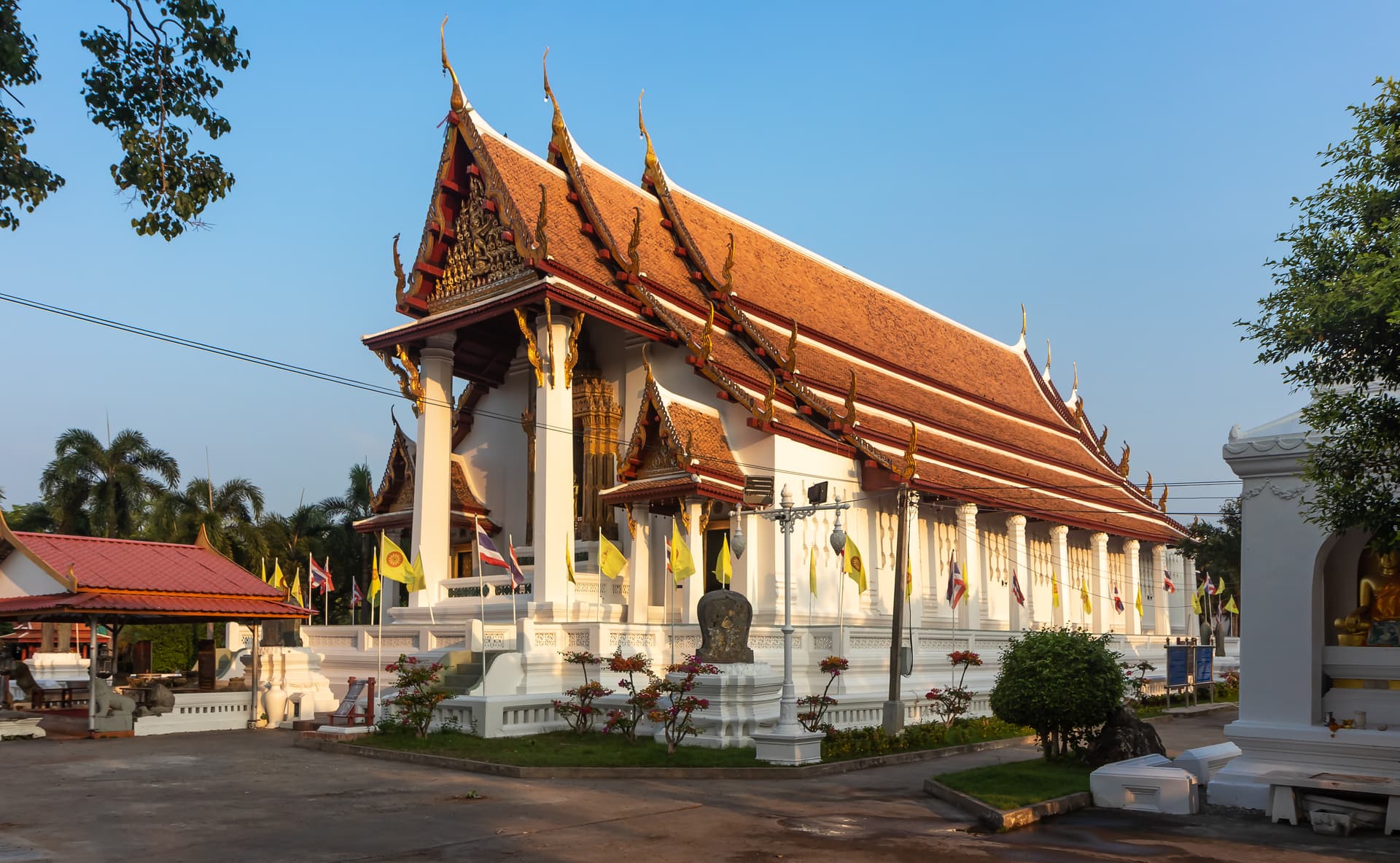
Wat Na Phra Men
Phra Nakhon Si Ayutthaya, Phra Nakhon Si Ayutthaya, Thailand
1.0 km away
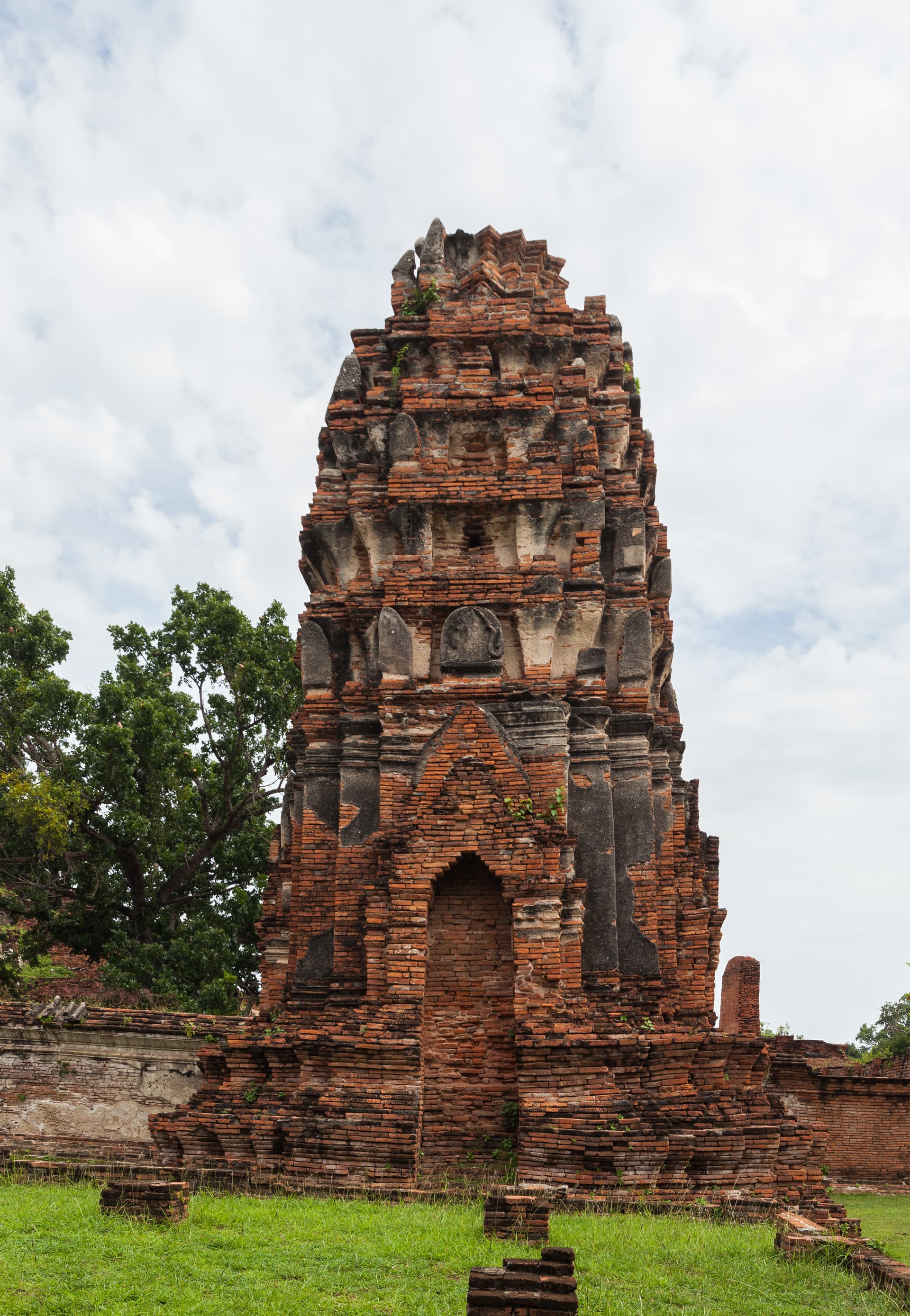
Wat Mahathat, Ayutthaya
Phra Nakhon Si Ayutthaya, Phra Nakhon Si Ayutthaya, Thailand
1.6 km away
References
Sources consulted for this page. Source categories describe the publication, not a guarantee that every claim is verified. Traditional accounts and outside interpretations may differ.
- 01Historic City of Ayutthaya — UNESCO World Heritage Centre — UNESCO World Heritage CentreofficialAuthoritative property status, scope, date, significance, and management context.
- 02Slow Lane in Ayutthaya — Tourism Authority of ThailandofficialOfficial source identifying the surviving forty-two-metre reclining Buddha.
- 032018 State of Conservation Report — UNESCO World Heritage CentreofficialUNESCO reporting explicitly identifies the named monument among those covered by property 576.
- 04Nine Temples in Ayutthaya: Exotic Pilgrimage in the Historical City — Tourism Authority of ThailandofficialOfficial source for named temples, veneration, historical roles, and pilgrimage context.
- 05Wat Lokayasutharam — Wikipedia — Wikipedia contributorsacademicCorroborates identity, location, and basic historical context; key claims require higher-tier corroboration.
- 06Q663107 — Wikidata — Wikidata contributorsacademicStructured identity and coordinate corroboration; not used alone for spiritual or historical claims.
- 07Wat Lokaya Sutha — Google Maps — Google PlacesSource contextStrong name, country, locality, and coordinate match; used only for practical visitor data and identity corroboration.
Share a photo
Help visitors recognize Wat Lokayasutharam. Every submission is reviewed before publication.