Wat Mahathat, Ayutthaya
A royal relic temple anchors Ayutthaya's ruined ceremonial centre
Understand sacred places, explore living traditions, and learn how to engage respectfully with Pilgrim Map.
Access has not been verified. Check current local guidance before planning a visit.
Phra Nakhon Si Ayutthaya, Phra Nakhon Si Ayutthaya, Thailand
Read the sources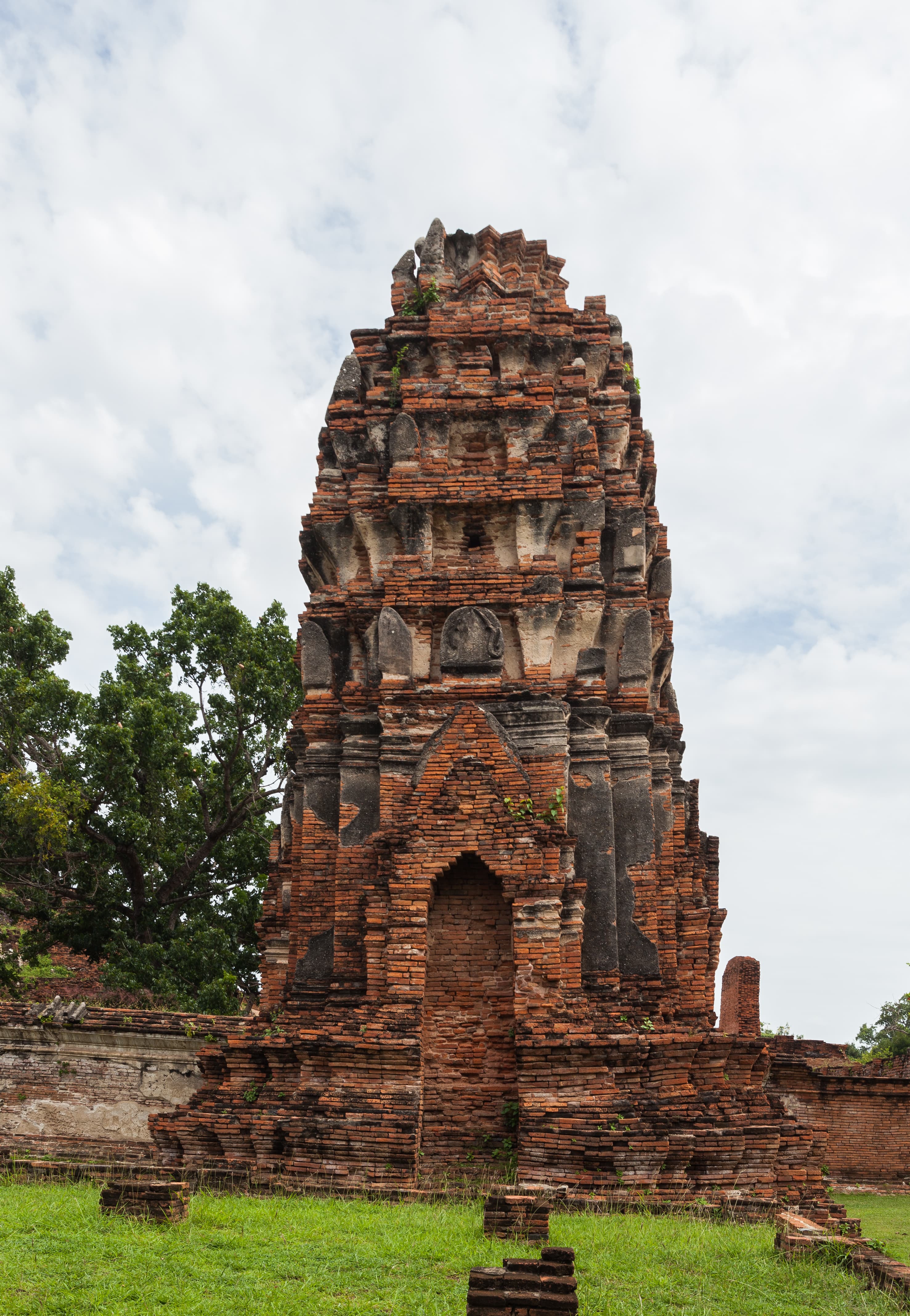
Wat Mahathat, Ayutthaya in Phra Nakhon Si Ayutthaya, Phra Nakhon Si Ayutthaya, Thailand. Image source · CC BY-SA 3.0
Visit essentials
A quick read before you go
- Etiquette
- Protect Buddha dignity, root systems, masonry, worship sight lines, and every posted barrier.
Overview
The familiar sandstone Buddha head held by tree roots is only one fragment of a much larger religious institution. Wat Mahathat's organizing centre was the relic-bearing prang, with halls, subsidiary stupas, cloisters, images, and ceremonial routes gathered around it. Fine Arts records identify the monastery as both a reliquary and the residence of the supreme patriarch of Ayutthaya's city-dwelling order. Royal rites occurred here because sacred and political geography met at the capital's centre.
The compound is now archaeological, but its broken alignments still reveal how worship once moved from city to monastery, from hall to image, and finally toward relic presence beneath the main tower.
Why this place is sacred
Relic tradition gives the ruins a focus that picturesque decay alone cannot provide. Buddhists did not build the central prang merely as a skyline marker; it guarded material traces revered as the Buddha's and supported recollection, merit, and royal legitimacy. War, collapse, excavation, and conservation changed what can be seen, so visitors should distinguish surviving fabric from reconstruction. Roots around the detached head demonstrate long environmental change, not a supernatural fusion of tree and image.
No prevalent evidence shows that touching the roots or monument transfers blessing. Sacred meaning is documented through historical use, relic belief, and continuing respectful attention.
Experience and orientation
Begin with the plan rather than the famous head. Locate the former main prang, then trace how halls and subsidiary stupas directed attention inward. At the tree-held image, stay behind barriers and avoid lowering the body into comic poses beside the Buddha. The enclosure can be hot and exposed, and loose masonry makes shortcuts unsafe. Read conservation signs before assigning names to fragments.
If Thai visitors pause in prayer, leave their sight line clear even though the monastery is no longer active. A complete visit recognizes the tree image, reliquary centre, royal ceremonial function, and the violence that reduced the capital to ruins.
Context and lineage
Fine Arts dates the foundation to 1374 under Borommarachathirat I and completion of the principal prang under Ramesuan, who installed Buddha relics beneath it. Later reigns repaired the tower after partial collapse, showing that the monument had several historical states before Ayutthaya's destruction in 1767. The temple's urban role extended beyond a single dynasty: it remained a royal ceremonial venue and important seat of the sangha. Modern excavation and stabilization made the complex publicly legible.
UNESCO inscribed the Historic City of Ayutthaya in 1991; that designation recognizes the wider urban property and does not certify religious doctrine or every later legend attached to individual fragments.
Traditions and practice
Historical practice included relic homage, monastic residence, teaching, ordination-related authority, merit-making, and royal ceremony. The site today is managed archaeological heritage, so respectful observation replaces invented reenactment. Visitors may bow quietly where permitted, but should not burn incense on ancient masonry, leave coins in cracks, apply gold leaf, or walk a reconstructed circumambulatory route without custodial guidance. Photography must not trivialize Buddha images or intrude on other people's devotion.
The Tourism Authority's nine-temple route shows continuing religiously framed visitation, but no named recurrent pilgrimage with sufficiently clear current ritual governance is asserted here.
Theravada Buddhism
HistoricalHistoric Theravada devotion centred relics, Buddha images, sangha authority, teaching, and royal merit.
Heritage stewardship
ActiveFine Arts stabilization protects the relic-temple plan while root growth and fragile sculpture receive separate care.
Perspectives and open questions
Religious, royal, archaeological, urban, and photographic histories carry different evidence.
Scholarly perspective
Buddhist history reads the principal prang as a reliquary and the monastery as a centre of sangha authority. Political history explains why royal ceremonies and succession struggles intersected with the same precinct. Archaeology separates construction phases, collapse, looting, restoration, and surviving sculpture. UNESCO interprets Wat Mahathat within Ayutthaya's larger urban testimony. Popular photography concentrates on the tree-root head, while a responsible guide restores the absent institutional scale around it. These approaches complement one another when evidence labels remain clear.
The page makes no claim that ruins, roots, or relic memory generate measurable energy or guaranteed spiritual outcomes.
Plan your visit
The fetched Places record identifies the archaeological location; verify current park hours, fees, and closures before travel.
Respectful visit
Protect Buddha dignity, root systems, masonry, worship sight lines, and every posted barrier.
Current practical details
Address
Soi Chikun, Tambon Pratuchai, Amphoe Phra Nakhon Si Ayutthaya, Chang Wat Phra Nakhon Si Ayutthaya 13000, Thailand
Phone
Hours
Hours, fees, and access can change — verify on the official source before you travel. Practical details last checked Jul 2026.
Location
Map loads as you approach this section.
Pilgrim reflections
A portrait of encounter, not a score
Pilgrims describe what they felt, how present they could become, and whether the place would shape a journey. There are no stars and no ranking of traditions.
No reviewed reflections yet
The first pilgrims can help describe the character of being here.
Share a reflection
Available after an account-backed “Been there.” Every reflection is reviewed before publication.
Nearby sacred places
Explore other sacred places in the region. Proximity does not establish access or travel time; check each place’s guidance.
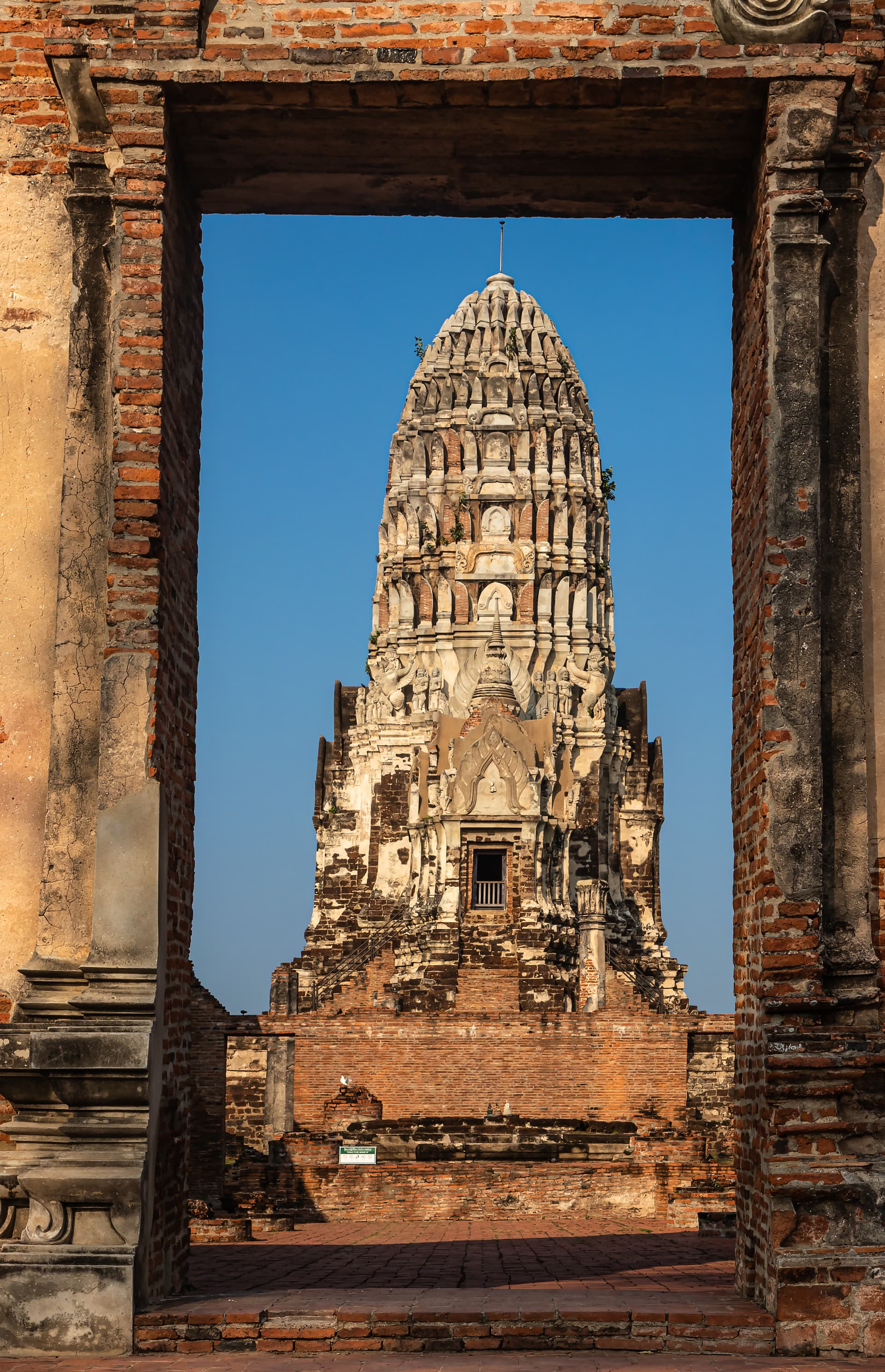
Wat Ratchaburana, Ayutthaya
Phra Nakhon Si Ayutthaya, Phra Nakhon Si Ayutthaya, Thailand
0.2 km away

Wihan Phra Mongkhon Bophit
Phra Nakhon Si Ayutthaya, Phra Nakhon Si Ayutthaya, Thailand
1.0 km away

Wat Phra Si Sanphet
Phra Nakhon Si Ayutthaya, Phra Nakhon Si Ayutthaya, Thailand
1.0 km away
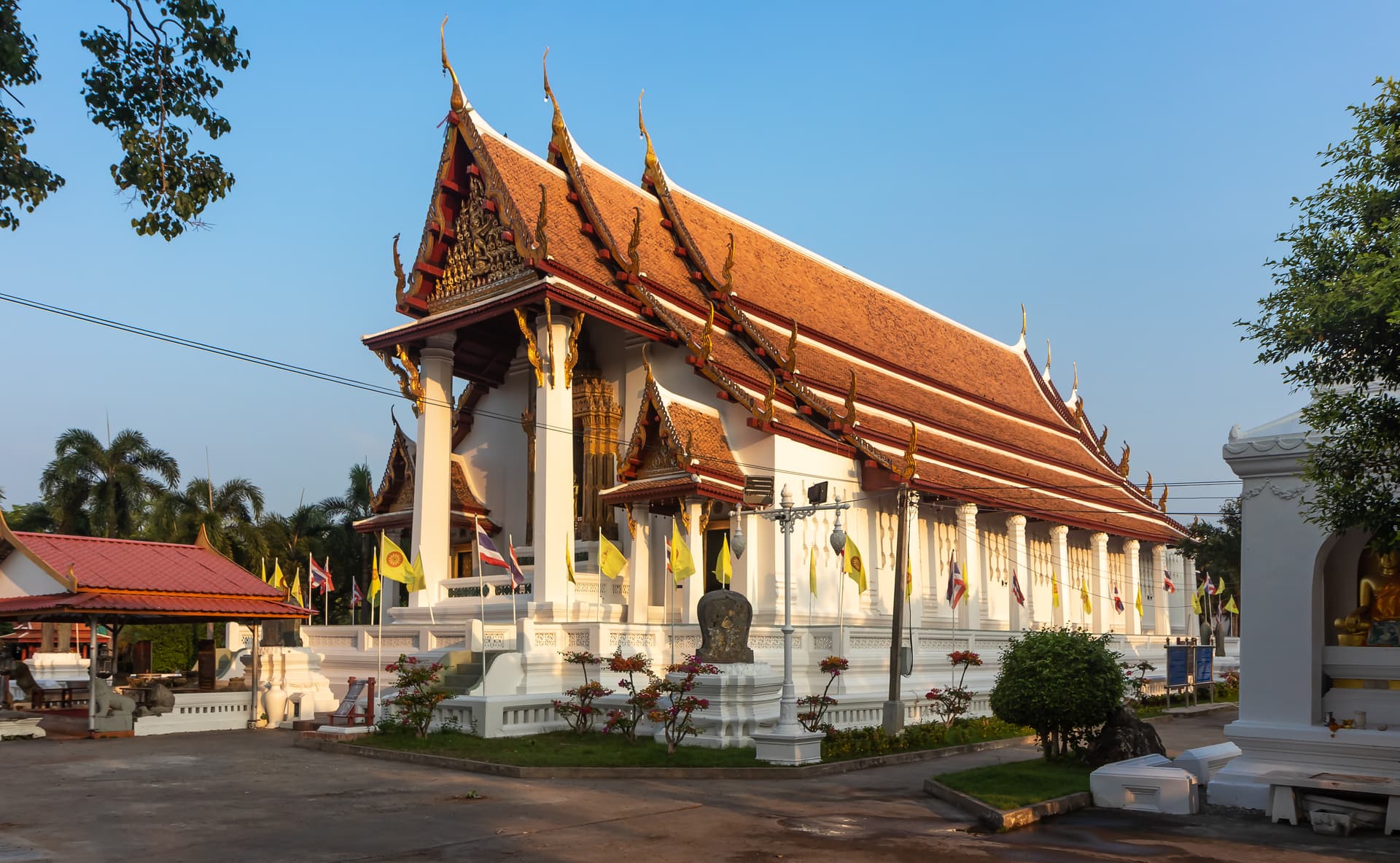
Wat Na Phra Men
Phra Nakhon Si Ayutthaya, Phra Nakhon Si Ayutthaya, Thailand
1.1 km away
References
Sources consulted for this page. Source categories describe the publication, not a guarantee that every claim is verified. Traditional accounts and outside interpretations may differ.
- 01Ayutthaya Historical Park guide: Wat Mahathat — Fine Arts Department, Ayutthaya Historical ParkofficialExact-site history, relic deposit, royal ceremonies, and sangha role.
- 02Nine Temples in Ayutthaya — Tourism Authority of ThailandofficialOfficial tourism corroboration for exact identity and continuing respectful temple-route visitation.
- 03Historic City of Ayutthaya — UNESCO World Heritage CentreofficialAuthoritative inscription, property scope, criteria, and management context.
- 04Wat Mahathat — Google Maps — Google PlacesSource contextStrong name, country, locality, and coordinate match; used only for practical visitor data and identity corroboration.
Pilgrim glossary
- Sangha
- The community of Buddhist practitioners, traditionally monks and nuns.
Share a photo
Help visitors recognize Wat Mahathat, Ayutthaya. Every submission is reviewed before publication.