Wat Ratchaburana, Ayutthaya
A royal cremation monument preserves crypt relics and former-Buddha murals
Understand sacred places, explore living traditions, and learn how to engage respectfully with Pilgrim Map.
Access has not been verified. Check current local guidance before planning a visit.
Phra Nakhon Si Ayutthaya, Phra Nakhon Si Ayutthaya, Thailand
Read the sources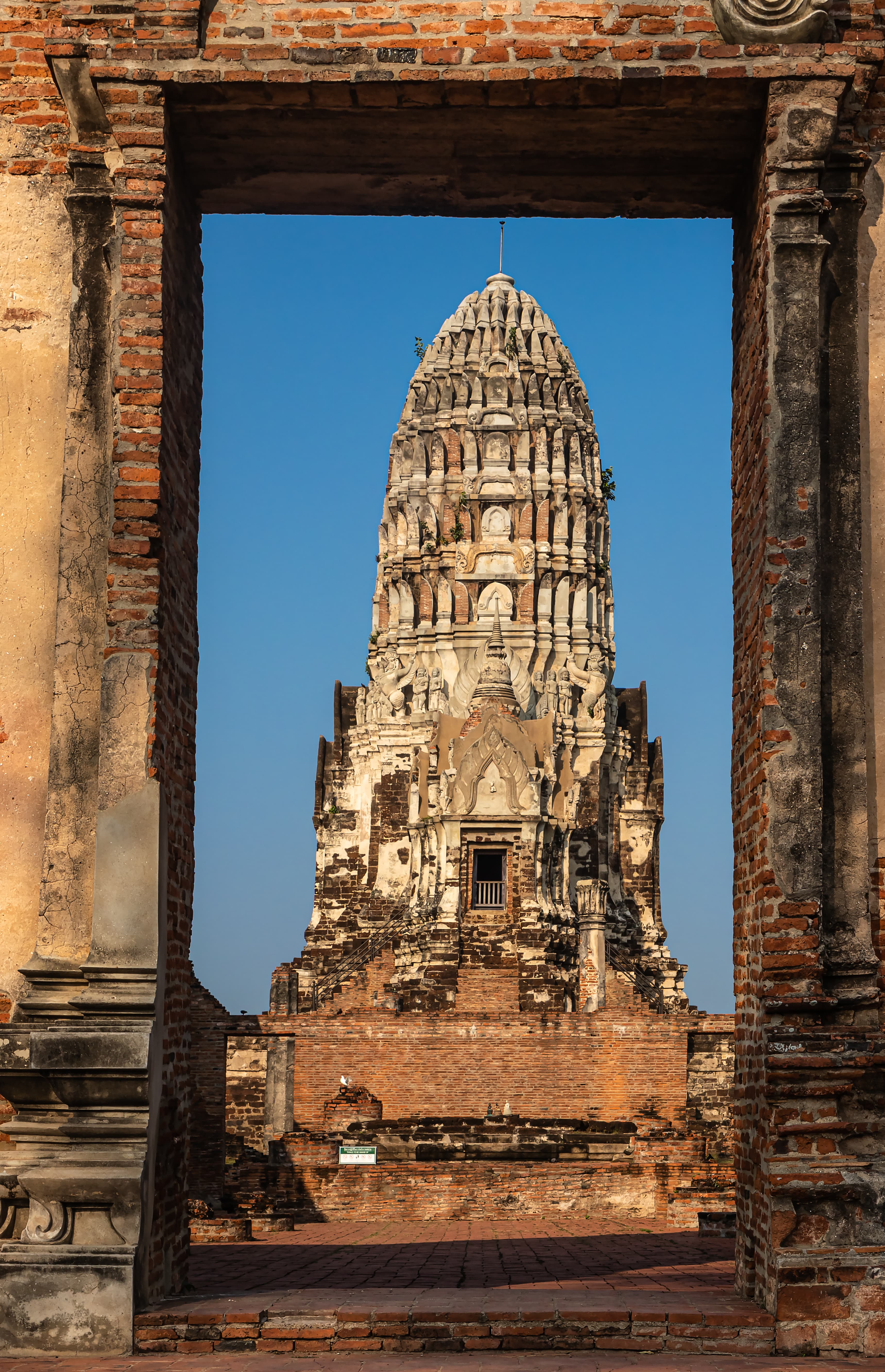
Wat Ratchaburana, Ayutthaya in Phra Nakhon Si Ayutthaya, Phra Nakhon Si Ayutthaya, Thailand. Image source · CC BY-SA 2.0
Visit essentials
A quick read before you go
- Etiquette
- Protect murals, stucco, steep stairs, closed masonry, and funerary dignity.
Overview
The central prang marks both sacred ascent and royal memory. King Borommarachathirat II established the monastery where his elder brothers died fighting for the throne and were cremated. Below the tower, chambers held reliquary and votive deposits alongside precious royal objects. Paintings of former Buddhas extended the sacred horizon beyond one historical moment, placing dynastic loss within Buddhist time.
Looting in the twentieth century broke the deposit's integrity, but recovered objects in the Chao Sam Phraya National Museum still allow temple and collection to be read together. The site asks visitors to hold devotion, burial, kingship, theft, archaeology, and conservation in one careful account.
Why this place is sacred
Descending toward a crypt can feel like entering a hidden spiritual chamber, but enclosure and darkness do not verify supernatural energy. The documented power of the space lies in deliberate deposition: Buddha images, relic-related materials, paintings, and royal wealth were placed beneath the prang in a funerary and merit-making setting. Modern stories sometimes romanticize treasure or curse looters. The reviewed sources establish looting, recovery, murals, and objects; they do not establish a curse.
Respect is better expressed by protecting context, refusing illicit antiquities, and recognizing that museum display can preserve fragments of a sacred ensemble damaged by theft.
Experience and orientation
Read the prang from the surrounding court before approaching any permitted stair or crypt access. Stone steps can be steep, enclosed spaces hot, and conservation closures immediate. Do not touch murals, lean on carved stucco, climb blocked masonry, or use Buddha fragments as portrait props. Continue the interpretation at the Chao Sam Phraya National Museum, where recovered gold and devotional material are held. Google Places supplies ordinary hours but the Fine Arts Department remains the authority for tickets and closures.
The ruin deserves the restraint of both an archaeological site and a former royal memorial.
Context and lineage
Ayutthaya chronicles connect the foundation to the deaths of princes Chao Ai Phraya and Chao Yi Phraya, who fought one another before their younger brother became King Borommarachathirat II. The new king established Wat Ratchaburana at their cremation place in 1424. Its Khmer-influenced prang and crypt expressed royal Buddhist patronage. The crypt was illegally entered and looted in 1957; authorities recovered part of the material, now central to the Chao Sam Phraya museum collection.
Wat Ratchaburana lies within the Historic City of Ayutthaya, UNESCO property 576, inscribed in 1991.
Traditions and practice
Historical practice centered Buddhist merit, memorialization, image deposition, and reverence within a royal monastery. The original sangha is no longer active at the ruin, so a visitor should not light candles on old masonry, leave offerings in the crypt, or reconstruct funerary ritual. Quiet bows from permitted ground are possible, but conservation rules take precedence.
The responsible contemporary practice is evidence-led remembrance: protect the setting, acknowledge the two princes without turning their deaths into spectacle, and understand recovered objects as parts of a disturbed sacred deposit rather than free-standing treasure.
Historic Ayutthaya Theravada Buddhism
HistoricalHistoric Ayutthaya Buddhism placed royal mortality within merit and Buddha-oriented sacred time.
Heritage stewardship
ActiveFine Arts and UNESCO stewardship protect a component of the inscribed Ayutthaya city.
Perspectives and open questions
Buddhist art, succession history, archaeology, museum provenance, and UNESCO scope meet.
Scholarly perspective
Buddhist art history interprets the former-Buddha murals, votive tablets, and reliquary context. Political history examines succession, royal cremation, and temple foundation. Archaeology reconstructs deposits altered by looting, while museum practice protects recovered materials and explains provenance. UNESCO recognizes the wider Ayutthaya urban ensemble, not a generalized mystical field.
These lenses show why the prang is spiritually significant even without current monastic worship: architecture and deposition placed royal mortality within Buddhist cosmology, and modern stewardship carries an ethical obligation to preserve what survives.
Plan your visit
Strong Places hours remain subordinate to Fine Arts closures and ticket controls.
Respectful visit
Protect murals, stucco, steep stairs, closed masonry, and funerary dignity.
Current practical details
Address
9H58+FWF, Soi Chikun, Tambon Tha Wa Su Kri, Amphoe Phra Nakhon Si Ayutthaya, Chang Wat Phra Nakhon Si Ayutthaya 13000, Thailand
Hours
Hours, fees, and access can change — verify on the official source before you travel. Practical details last checked Jul 2026.
Location
Map loads as you approach this section.
Pilgrim reflections
A portrait of encounter, not a score
Pilgrims describe what they felt, how present they could become, and whether the place would shape a journey. There are no stars and no ranking of traditions.
No reviewed reflections yet
The first pilgrims can help describe the character of being here.
Share a reflection
Available after an account-backed “Been there.” Every reflection is reviewed before publication.
Nearby sacred places
Explore other sacred places in the region. Proximity does not establish access or travel time; check each place’s guidance.
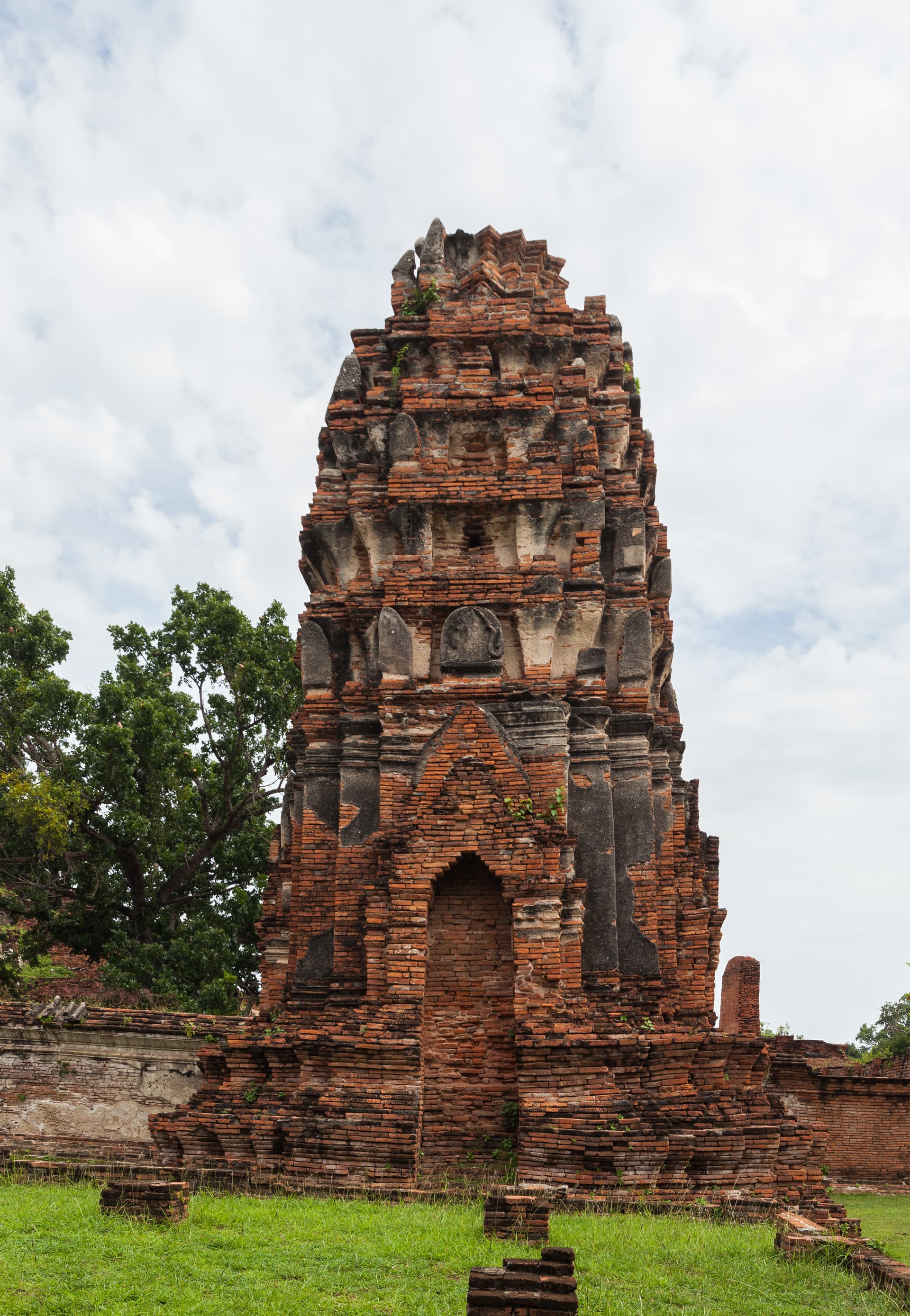
Wat Mahathat, Ayutthaya
Phra Nakhon Si Ayutthaya, Phra Nakhon Si Ayutthaya, Thailand
0.2 km away
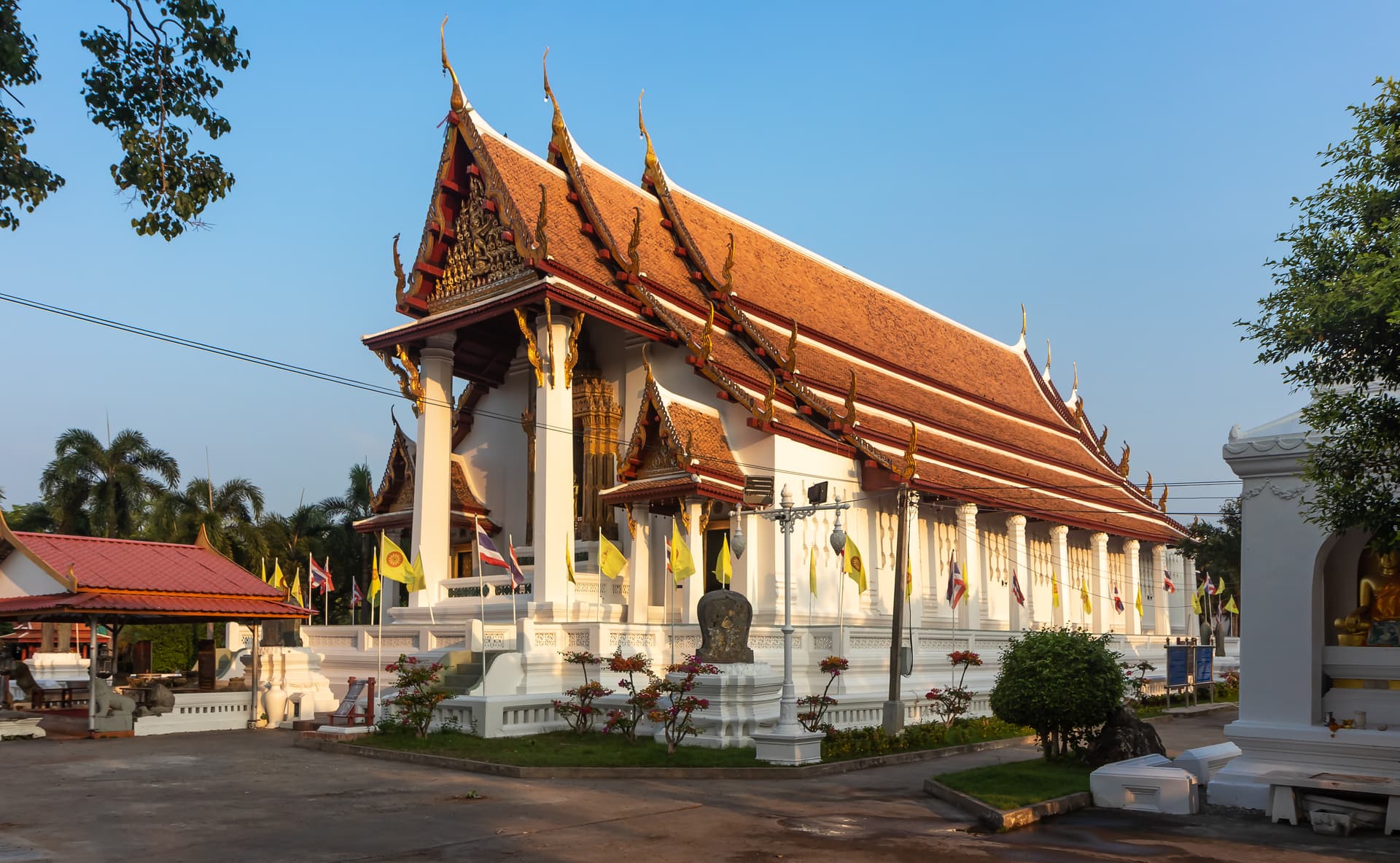
Wat Na Phra Men
Phra Nakhon Si Ayutthaya, Phra Nakhon Si Ayutthaya, Thailand
1.0 km away

Wat Phra Si Sanphet
Phra Nakhon Si Ayutthaya, Phra Nakhon Si Ayutthaya, Thailand
1.0 km away

Wihan Phra Mongkhon Bophit
Phra Nakhon Si Ayutthaya, Phra Nakhon Si Ayutthaya, Thailand
1.1 km away
References
Sources consulted for this page. Source categories describe the publication, not a guarantee that every claim is verified. Traditional accounts and outside interpretations may differ.
- 01Wat Ratchaburana — Google PlacesofficialExact-entity practical metadata accepted only after strong name, country, locality, and coordinate review.
- 02About Chao Sam Phraya National Museum — Fine Arts DepartmentofficialExact museum account of Wat Ratchaburana crypt finds, Buddha images, murals, and recovered objects.
- 03Ayutthaya Historical Park — Fine Arts DepartmentofficialOfficial custodian context and changing visitor information.
- 04Wat Ratchaburana — Phra Nakhon Si Ayutthaya ProvinceofficialExact-site foundation, royal succession, architecture, and crypt context.
- 05Historic City of Ayutthaya — UNESCO World Heritage CentreofficialAuthoritative property identity, inscription year, and component scope.
Pilgrim glossary
- Sangha
- The community of Buddhist practitioners, traditionally monks and nuns.
Share a photo
Help visitors recognize Wat Ratchaburana, Ayutthaya. Every submission is reviewed before publication.