Wat Phra Phutthabat
A Buddha footprint gathers pilgrimage, poetry, and Saraburi's living calendar
Understand sacred places, explore living traditions, and learn how to engage respectfully with Pilgrim Map.
Access has not been verified. Check current local guidance before planning a visit.
Phra Phutthabat, Saraburi, Thailand
Read the sources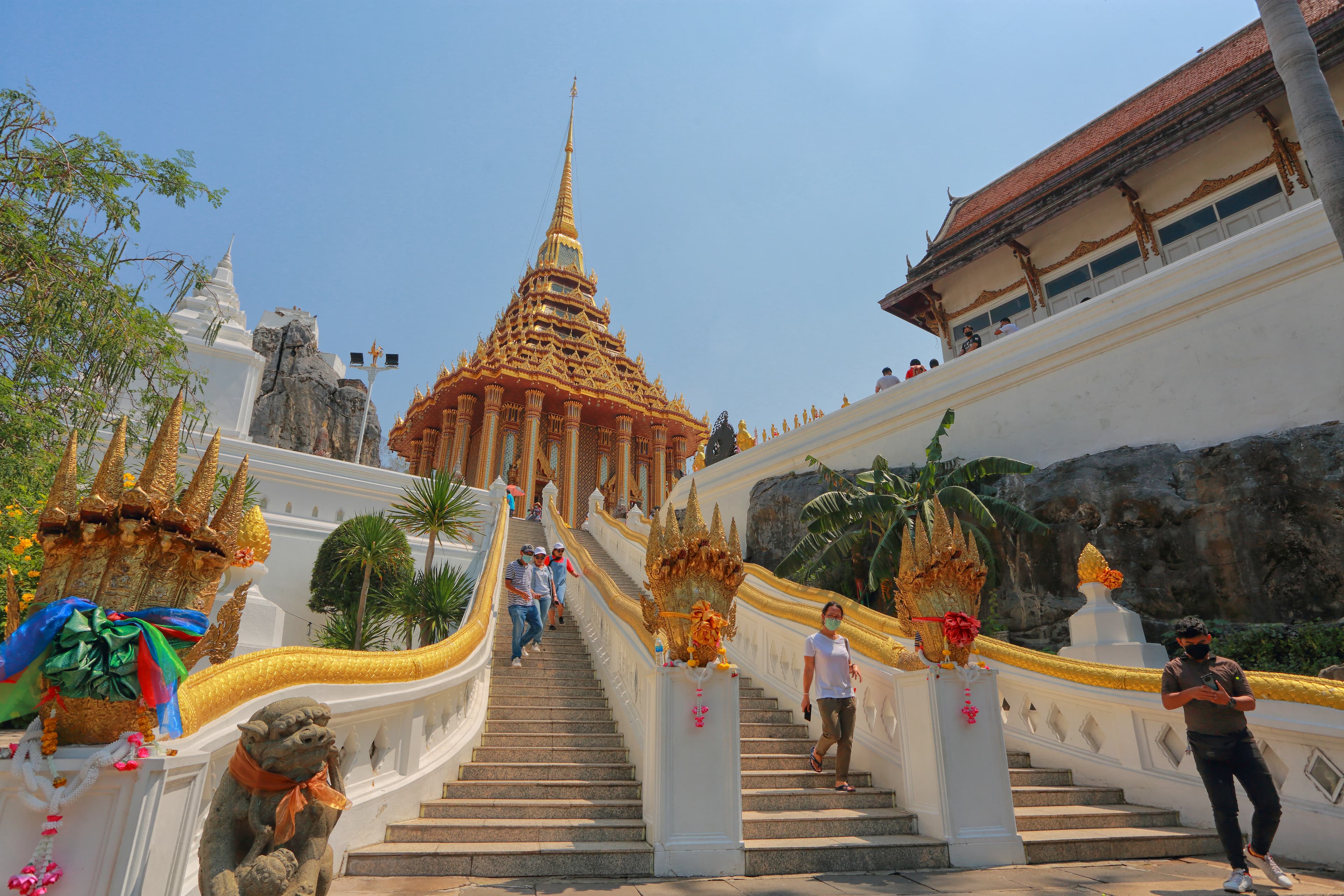
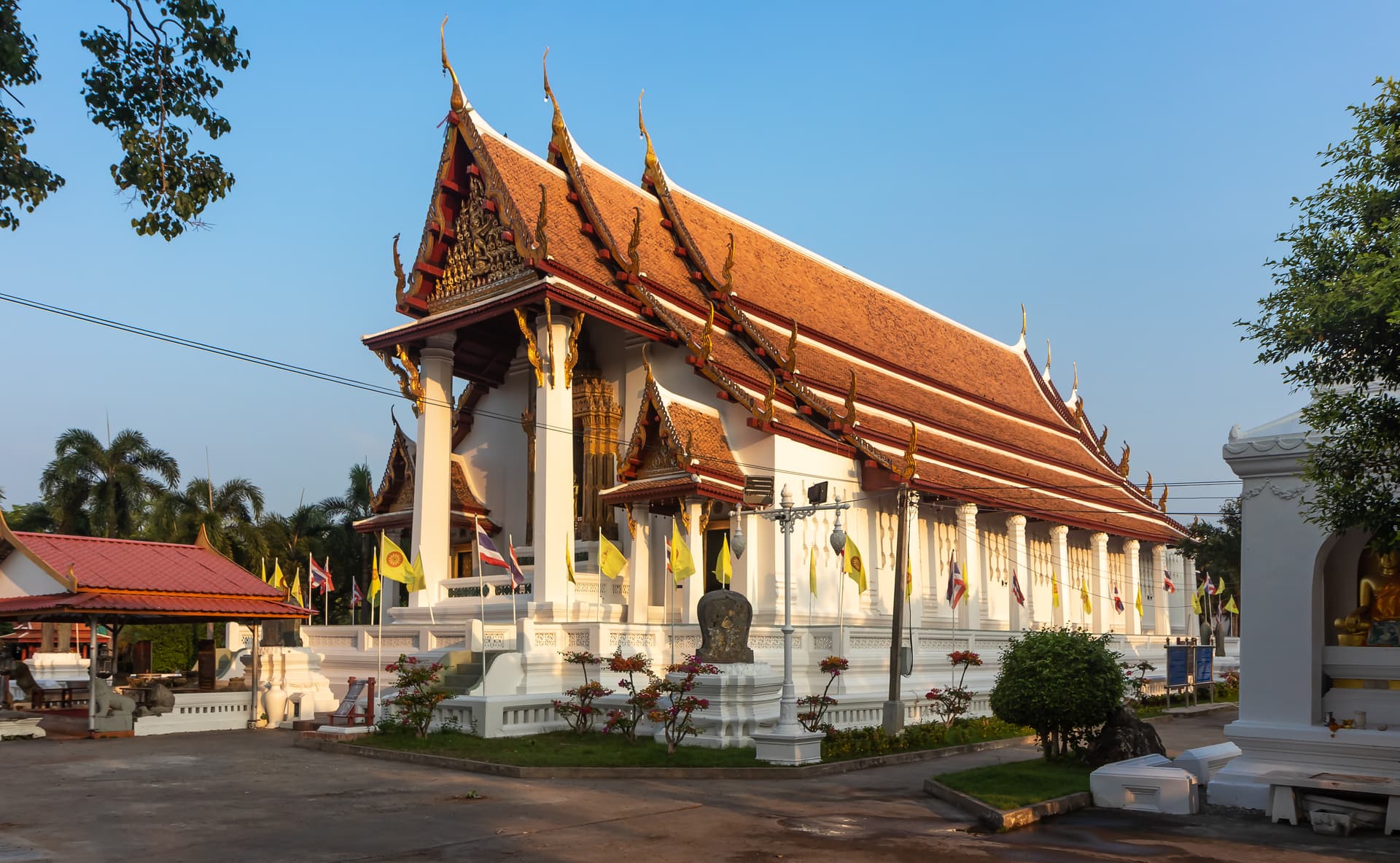
Wat Phra Phutthabat in Phra Phutthabat, Saraburi, Thailand. Image source · CC BY-SA 4.0
Visit essentials
A quick read before you go
- Etiquette
- Follow shrine attendants, never touch protected surfaces without explicit permission, and keep…
Overview
The sacred center is not a statue but a footprint sheltered within a mondop. Devotees approach an index of presence: in Buddhist tradition, the mark recalls a Buddha who is no longer physically present while making recollection and homage materially focused. Stairs, terraces, rooflines, offerings, and the movement of other worshippers prepare that encounter. Official Tourism Authority material calls the temple the most important in Saraburi and one of central Thailand's most popular pilgrimage destinations.
Fine Arts scholarship adds historical depth through Nirat Phra Bat, Sunthorn Phu's early nineteenth-century poem describing travel, festival activity, prayer, and landscape around the shrine. The temple is therefore not merely a building containing an unusual stone. It is the focus of routes, literature, royal patronage, annual observance, and repeated acts of veneration. Each layer should remain legible without claiming scientific proof for the traditional identification of the footprint.
Why this place is sacred
Footprint devotion works through a productive absence. Buddhist tradition uses the protected mark for recollection and homage. That religious logic is more precise than saying the shrine contains generic sacred energy. Historical evidence shows that people traveled here, prayed, celebrated, and described the journey in literature; present government calendars show that collective observance continues. The Khao Phansa flower-offering tradition brings seasonality into the sacred landscape as devotees offer the locally associated bloom to monks at the start of Buddhist Lent.
These practices can be documented without promising luck, healing, or an objective transformation to a visitor. Personal testimony may interpret pilgrimage more strongly, but no prevalent cross-source metaphysical claim met the inclusion threshold.
Experience and orientation
Treat the ascent and approach as part of the shrine rather than as a queue to be defeated. Keep the central route open for devotees carrying flowers or other permitted offerings. Inside the footprint mondop, follow attendants and current signs closely; crowd direction, shoe rules, photography, and proximity to the sacred surface may change during ceremonies. Do not touch or place objects unless an established practice clearly permits it.
The surrounding hill and older approach routes belong to the documented history of pilgrimage travel. Fine Arts discussion of Nirat Phra Bat records how landscape, lodging, performance, and prayer entered an earlier journey. Slow movement through town, stair, enclosure, and shrine can serve as a contemplative practice when current worshippers retain priority.
Context and lineage
The temple's seventeenth-century development belongs to the Ayutthaya period and to a tradition that identified a natural impression here as the Buddha's footprint. Royal patronage created and renewed the mondop and associated monastery, while the object of veneration continued to draw travelers. The Tourism Authority summarizes this long status by calling Wat Phra Phutthabat a major central-Thai pilgrimage site.
A Fine Arts account of Sunthorn Phu's Nirat Phra Bat documents an annual footprint celebration in 1807, including worship at the mondop and the social world around the journey. This literary evidence does not prove every foundation legend, but it does show that pilgrimage and festival were established practices by the early Bangkok period. Present repairs and event management continue a history of protecting access to the sacred focus rather than freezing the compound at one date.
Traditions and practice
The core practice is homage to the Buddha through the footprint, expressed through bowing, prayer, offerings, chanting, merit-making, and pilgrimage. Annual or seasonally scheduled events require current confirmation. A 2026 Royal Thai Government calendar records Tak Bat Dok Mai Khao Phansa at the temple from 27 to 30 July, when devotees offer the seasonal flower to monks at the beginning of Buddhist Lent; those dates establish the 2026 occurrence, not a perpetual fixed civil date.
Visitors should not gather protected flowers independently, interrupt alms routes, or stage ritual gestures. During ordinary visits, use designated offerings and remain behind people actively praying. During festivals, local participants and monastic directions take priority over sightseeing.
Theravada Buddhism
ActiveTheravada practice connects footprint veneration, recollection of the Buddha, monastic alms, pilgrimage, and merit.
Perspectives and open questions
Tradition identifies the footprint, while history documents the durable pilgrimage community formed around it.
Scholarly perspective
Buddhist tradition identifies the footprint as a focus for recollection and merit. Historians study Ayutthaya royal patronage, later renovations, pilgrimage routes, and literary witnesses such as Nirat Phra Bat. Cultural interpretation examines the Khao Phansa flower offering as a regional practice joining season, monastic alms, civic identity, and devotion. Conservation asks how a heavily visited sacred object and its architectural enclosure can remain accessible without being damaged. These are related but distinct forms of authority.
The footprint's identity is a matter of living religious tradition; historical evidence can document the tradition's age and effects without scientifically authenticating the mark. The durable fact is the community of practice around it: centuries of travel, worship, writing, repair, and recurring festival observance.
Plan your visit
Strong Places data supports navigation and listed hours; current festival dates, crowd controls, and shrine rules must be reconfirmed.
Respectful visit
Follow shrine attendants, never touch protected surfaces without explicit permission, and keep alms routes clear.
Current practical details
Address
PQ9Q+8CX, Khun Khlon, Phra Phutthabat District, Saraburi 18120, Thailand
Hours
Hours, fees, and access can change — verify on the official source before you travel. Practical details last checked Jul 2026.
Location
Map loads as you approach this section.
Pilgrim reflections
A portrait of encounter, not a score
Pilgrims describe what they felt, how present they could become, and whether the place would shape a journey. There are no stars and no ranking of traditions.
No reviewed reflections yet
The first pilgrims can help describe the character of being here.
Share a reflection
Available after an account-backed “Been there.” Every reflection is reviewed before publication.
Nearby sacred places
Explore other sacred places in the region. Proximity does not establish access or travel time; check each place’s guidance.
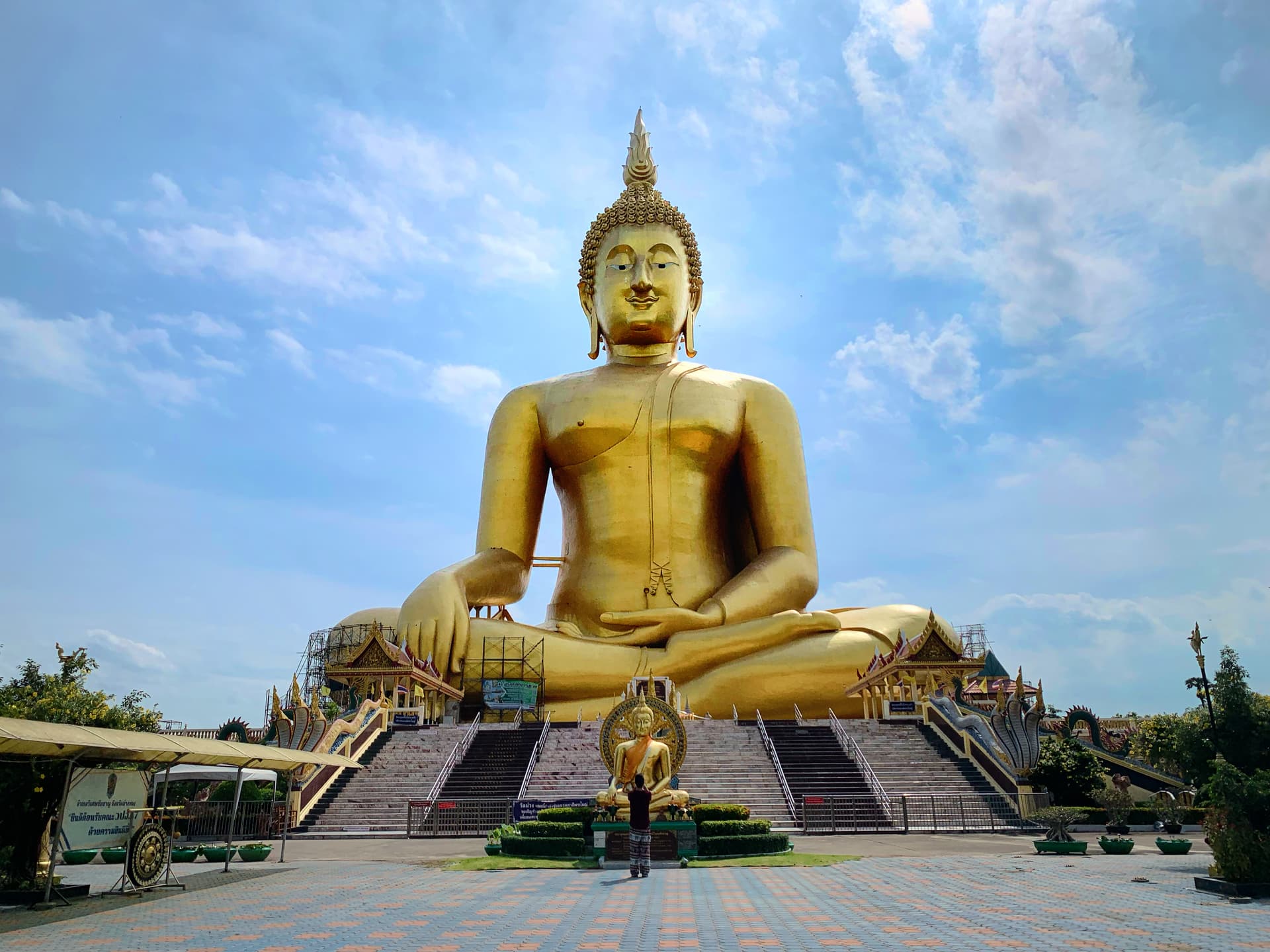
Wat Muang, Ang Thong
Wiset Chai Chan, Ang Thong, Thailand
46.3 km away
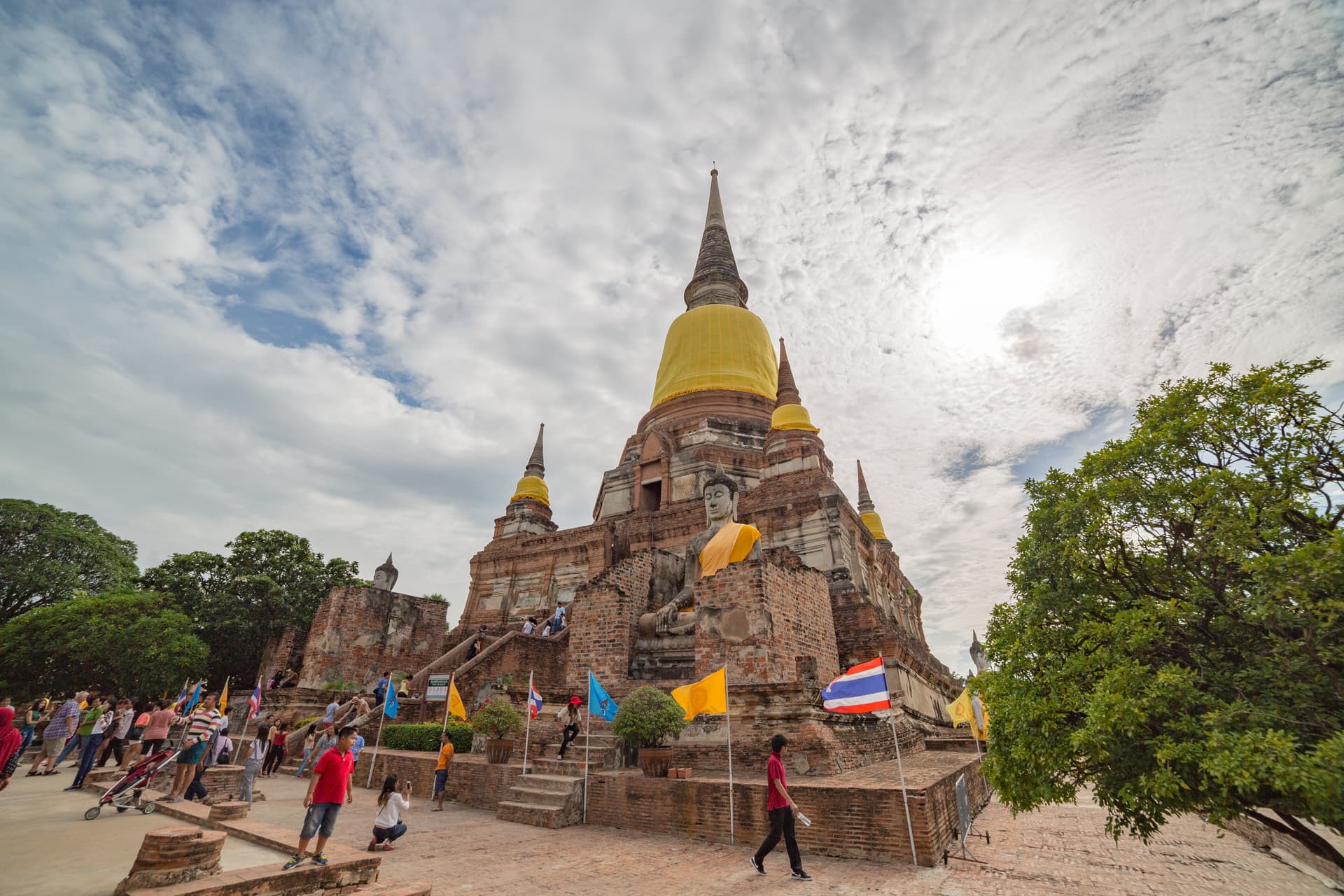
Wat Yai Chai Mongkhon
Phra Nakhon Si Ayutthaya, Phra Nakhon Si Ayutthaya, Thailand
46.4 km away
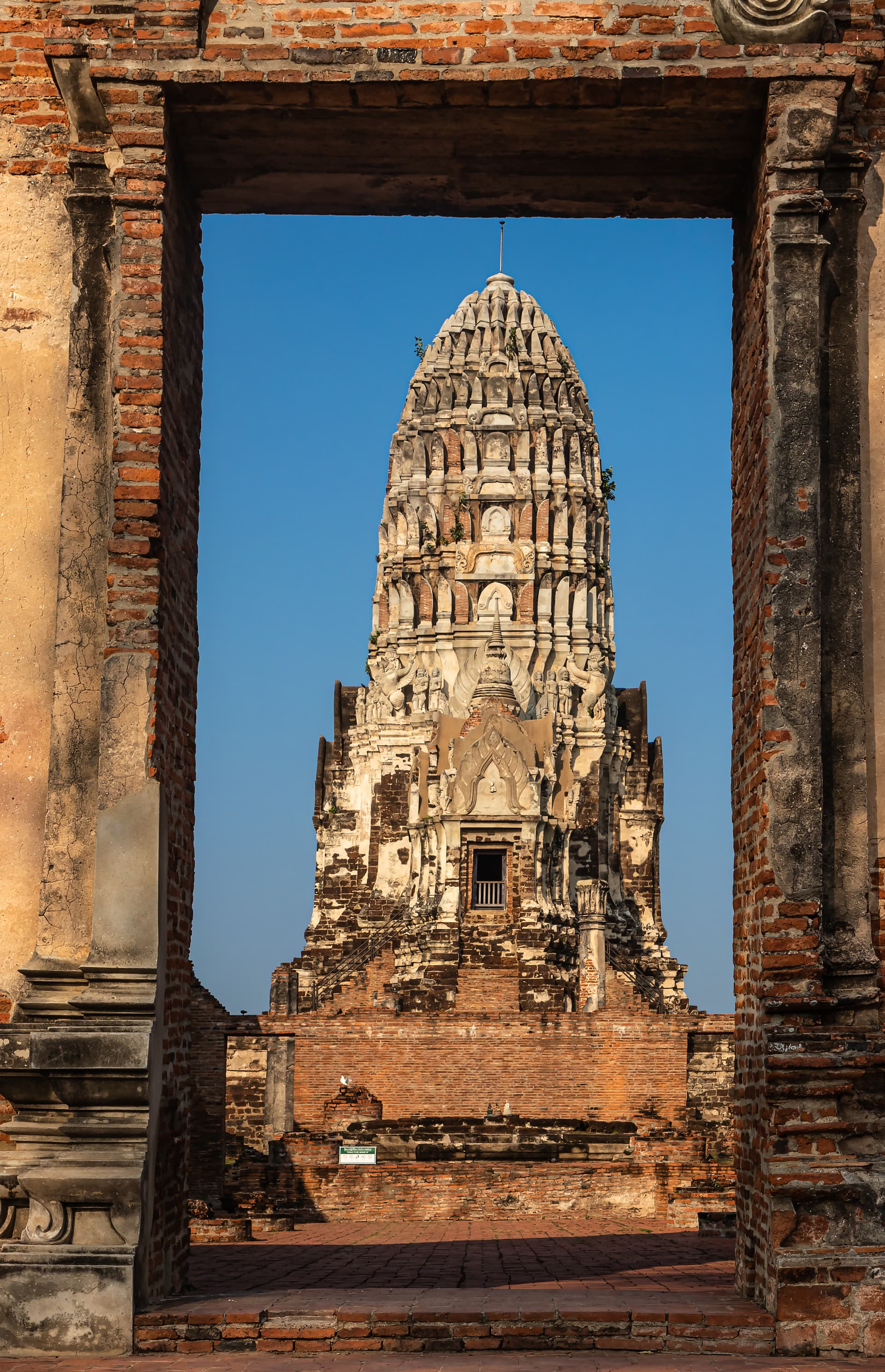
Wat Ratchaburana, Ayutthaya
Phra Nakhon Si Ayutthaya, Phra Nakhon Si Ayutthaya, Thailand
46.6 km away
Wat Na Phra Men
Phra Nakhon Si Ayutthaya, Phra Nakhon Si Ayutthaya, Thailand
46.7 km away
References
Sources consulted for this page. Source categories describe the publication, not a guarantee that every claim is verified. Traditional accounts and outside interpretations may differ.
- 01Saraburi — Tourism Authority of ThailandofficialOfficial support for the seventeenth-century temple, Buddha footprint, provincial importance, and central-Thai pilgrimage status.
- 02Thailand's July 2026 Events and Calendar — Royal Thai GovernmentofficialCurrent official evidence for the 27–30 July 2026 Khao Phansa flower offering at the exact temple.
- 03Sunthorn Phu and Nirat Phra Bat — Fine Arts Department, Chiang Mai National LibraryofficialFine Arts account of the 1807 pilgrimage poem, worship at the footprint, annual celebration, and surrounding sacred landscape.
- 04Wat Phra Phutthabat — Wikipedia — Wikipedia contributorsacademicCorroborates identity, location, and basic historical context; key claims require higher-tier corroboration.
- 05Q1703293 — Wikidata — Wikidata contributorsacademicStructured identity and coordinate corroboration; not used alone for spiritual or historical claims.
- 06Wat Phra Phutthabat Ratchaworamahawihan — Google Maps — Google PlacesSource contextStrong name, country, locality, and coordinate match; used only for practical visitor data and identity corroboration.
Share a photo
Help visitors recognize Wat Phra Phutthabat. Every submission is reviewed before publication.