Wat Chalong
Phuket devotion remembers Luang Pho Chaem through healing and courage
Understand sacred places, explore living traditions, and learn how to engage respectfully with Pilgrim Map.
Access has not been verified. Check current local guidance before planning a visit.
Chalong, Phuket, Thailand
Read the sources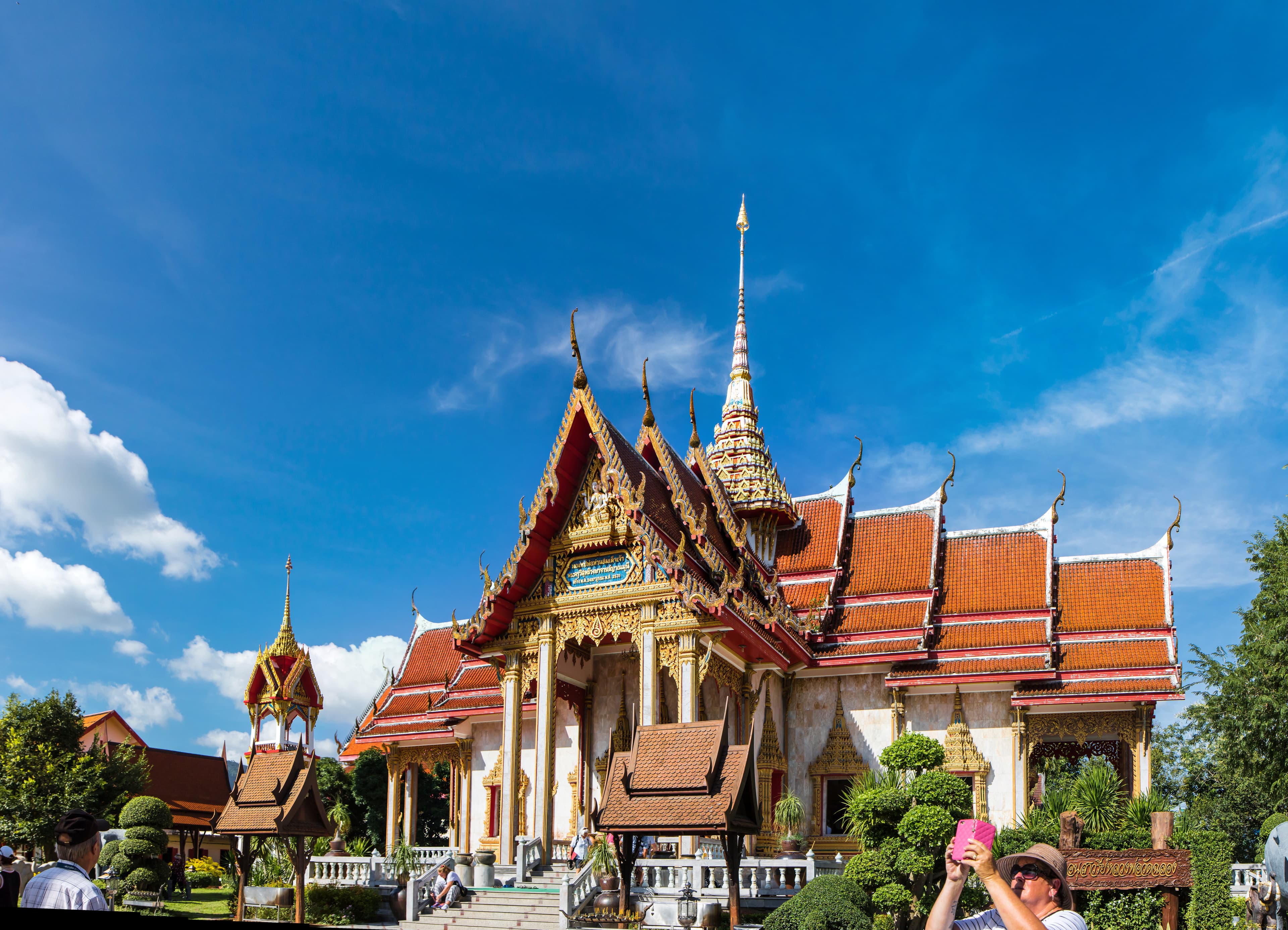
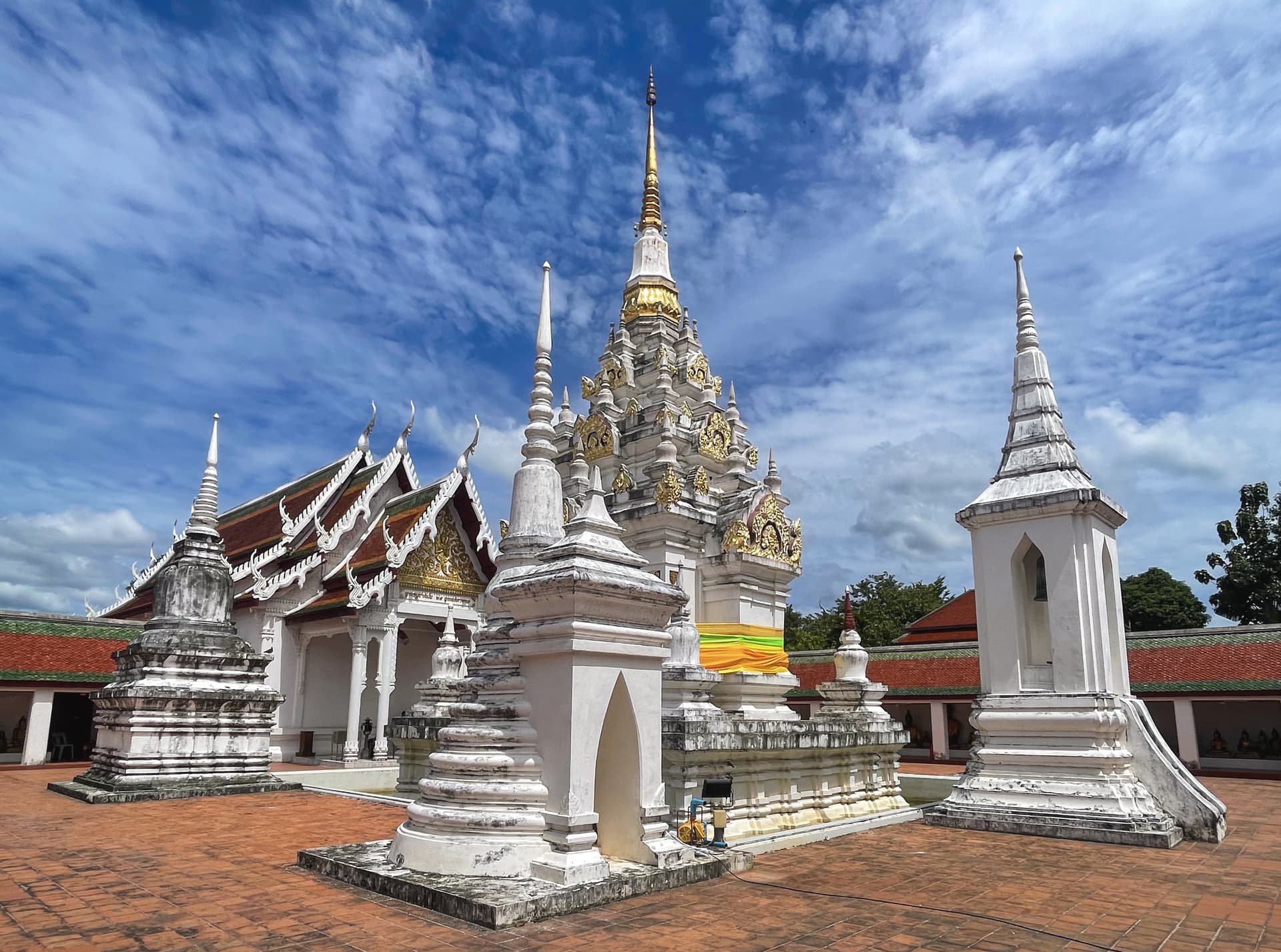
Wat Chalong in Chalong, Phuket, Thailand. Image source · CC BY 3.0
Visit essentials
A quick read before you go
- Etiquette
- Respect shoes, images, relics, prayer, firecracker controls, and personal petitions.
Overview
The temple's sacred identity is carried by more than its bright architecture. Statues and memorial spaces keep Luang Pho Chaem and Luang Pho Chuang present as teachers and exemplary monks, while Buddha images and a reliquary chedi place their memory inside Theravada refuge. Local history remembers Chaem for supporting the community during the Ang Yi rebellion and for traditional medicine.
Devotees approach his image with gratitude and petitions; visitors should recognize a relationship of lineage and moral example rather than treating the monk as a generic miracle worker.
Why this place is sacred
Official tourism writing repeats beliefs that amulets connected with Luang Pho Chaem provide protection, charm, good fortune, or safety. This claim is prevalent enough to include, especially because visitor reviews also repeat it. The page states its boundary clearly: devotees and users report such efficacy, but no independent evidence guarantees protection or healing. Meditation, medicine, courage, and community leadership are documented themes. A respectful account does not need to mock belief or sell it as fact.
Experience and orientation
Orient yourself to the main worship hall, monk memorials, and chedi rather than entering whichever building looks most photogenic. Remove shoes, dress appropriately, and keep feet away from images. Firecracker sounds may be part of offerings in designated structures; do not assume an emergency, but follow staff instructions and protect hearing if needed. Avoid photographing prayer at close range. The official temple website and strong Places record provide ordinary hours, yet festivals and ceremonies can change access.
Context and lineage
Wat Chalong's present importance grew around the nineteenth-century life of Luang Pho Chaem. Tourism Authority accounts remember his role during conflict involving Chinese mining groups and his knowledge of meditation and traditional medicine. Royal recognition gave him an ecclesiastical title. Later construction expanded the complex, including spaces dedicated to relic devotion and the memory of revered abbots. The temple is active and modernized, not an archaeological ruin or UNESCO World Heritage property.
Traditions and practice
Visitors may bow before Buddha images and monk statues, make merit, offer flowers, and observe temple customs. Use firecrackers only through the managed system and never light them elsewhere. An amulet or blessing should be described as an object of faith, not medical treatment or guaranteed protection. Ask before joining ceremonies and do not touch relic containers or statues. Quiet recollection of Chaem's service can accompany responsible action without replacing healthcare, safety planning, or consent.
Theravada Buddhism
ActiveTheravada practice centers Buddha refuge, monastic teachers, merit, and community service.
Monastic memorial devotion
ActiveLuang Pho Chaem and Luang Pho Chuang are remembered as teachers whose service still shapes local devotion.
Perspectives and open questions
Theravada lineage, local history, medicine, devotional testimony, and tourism carry different authority.
Scholarly perspective
Theravada Buddhism frames monks as teachers within a lineage rather than deities. Local history emphasizes Chaem's leadership, healing knowledge, and relation to Phuket's mining-era unrest. Devotional testimony attributes protection and luck to his memory and objects. Tourism presents the monastery as a provincial emblem. The page separates these perspectives and adds a direct disclaimer to metaphysical efficacy. No heritage status or miracle claim is inflated to make the temple seem more sacred. Monastic memory also has a civic dimension.
Stories of Chaem describe religious authority exercised through care during collective danger, not only private wish fulfillment. That distinction matters when visitors encounter amulets and petitions. An object may remind a devotee of courage or compassion without functioning as insurance. The guide therefore pairs every efficacy claim with the monk's documented service and with the practical responsibilities that remain after prayer.
Plan your visit
Strong Places and the custodian website report ordinary hours; festivals can change them.
Respectful visit
Respect shoes, images, relics, prayer, firecracker controls, and personal petitions.
Current practical details
Address
70 หมู่ที่ 6 Thanon Chao Fah Tawan Tok, Tambon Chalong, Amphoe Mueang Phuket, Chang Wat Phuket 83000, Thailand
Phone
Hours
Hours, fees, and access can change — verify on the official source before you travel. Practical details last checked Jul 2026.
Location
Map loads as you approach this section.
Pilgrim reflections
A portrait of encounter, not a score
Pilgrims describe what they felt, how present they could become, and whether the place would shape a journey. There are no stars and no ranking of traditions.
No reviewed reflections yet
The first pilgrims can help describe the character of being here.
Share a reflection
Available after an account-backed “Been there.” Every reflection is reviewed before publication.
Nearby sacred places
Explore other sacred places in the region. Proximity does not establish access or travel time; check each place’s guidance.
References
Sources consulted for this page. Source categories describe the publication, not a guarantee that every claim is verified. Traditional accounts and outside interpretations may differ.
- 01Recommended Phuket route for one day — Tourism Authority of ThailandofficialExact devotion to Luang Pho Chaem and Luang Pho Chuang and local historical memory.
- 0210 Things to Do in Phuket — Tourism Authority of ThailandofficialExact biography, meditation, medicine, rebellion, royal title, and attributed amulet beliefs.
- 03Wat Chalong official website — Wat ChalongofficialCustodian website from the strong Places record for current access.
- 04Wat Chalong — Google Maps — Google PlacesSource contextStrong name, country, locality, and coordinate match; used only for practical visitor data and identity corroboration.
Share a photo
Help visitors recognize Wat Chalong. Every submission is reviewed before publication.