Big Buddha of Phuket
Phuket's marble Buddha resumes worship under new safety stewardship
Understand sacred places, explore living traditions, and learn how to engage respectfully with Pilgrim Map.
Access has not been verified. Check current local guidance before planning a visit.
Karon, Phuket, Thailand
Read the sources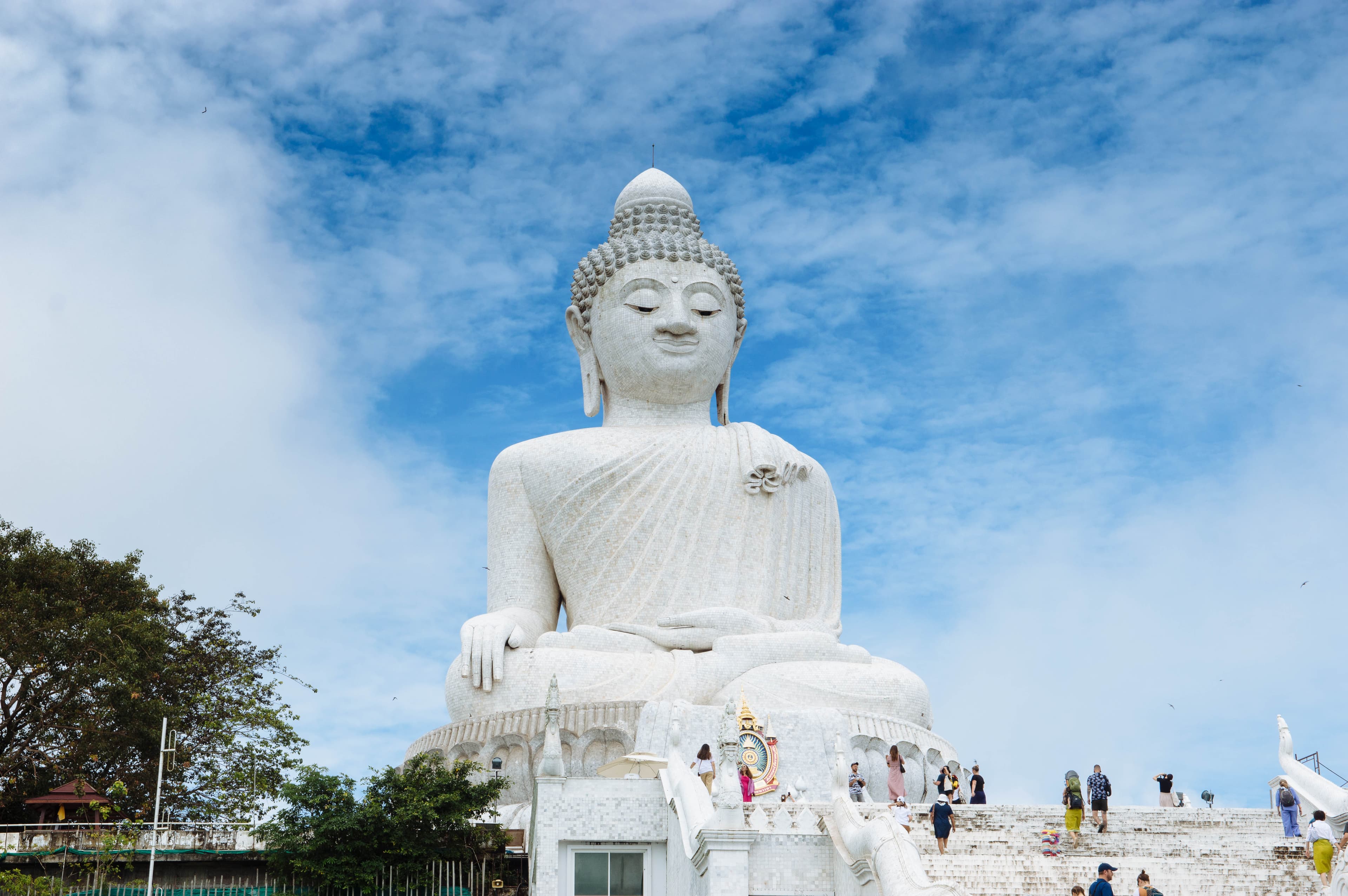
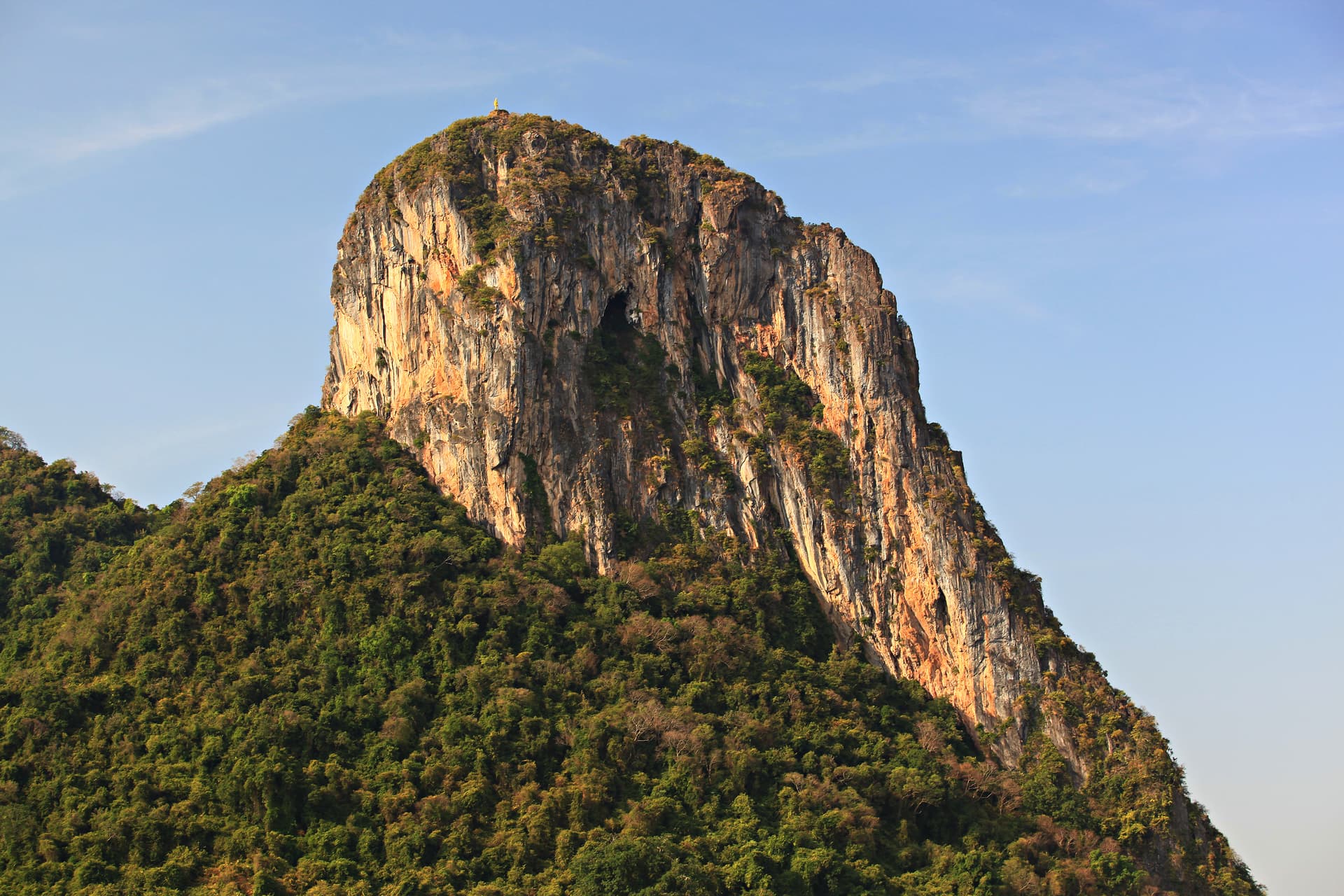
Big Buddha of Phuket in Karon, Phuket, Thailand. Image source · CC BY-SA 4.0
Visit essentials
A quick read before you go
- Etiquette
- Protect worshippers, historic fabric, and closed thresholds.
Overview
The seated Buddha faces outward from Nakkerd Hill, making refuge and composure visible across southern Phuket. Donations and long construction turned a modern project into an island-scale emblem of Buddhist faith. Its meaning changed after the landslide killed residents and workers below: the monument can no longer be interpreted responsibly without remembering loss and asking how sacred construction relates to land stewardship.
Reopening under Wat Kittisangharam restores organized worship, but it does not erase legal, ecological, or ethical questions surrounding the hill.
Why this place is sacred
Marble light, wind, altitude, and panoramic sea views can produce awe. Those sensory conditions do not prove a high-energy point, and no exact widespread supernatural outcome is asserted. The strongest non-material claim is symbolic: official tourism calls the image a marker of Phuket faith. Since 2024, grief and hazard awareness also shape the atmosphere. A contemplative visit should not aestheticize the disaster or assume that reopening means all landslide risk has disappeared.
Safety status is temporal and must be confirmed on the day.
Experience and orientation
Check current provincial or Wat Kittisangharam announcements before ascending, especially during heavy rain. March 2026 reporting gave daily 09:00–18:00 access, but weather and the Royal Forest Department's conditions can change that. Dress for a temple, yield to worshippers, and keep out of closed slopes or construction areas. Do not trespass for a better view of the statue. According to the current evidence, newer custodian or government safety notices may deserve priority when Google's status differs.
Context and lineage
Tourism Authority material identifies the forty-five-metre image and its 2008 designation as Phuket's symbolic Buddha. The modern project used white marble and public devotion rather than an ancient relic foundation. On 23 August 2024, a landslide below the hill killed thirteen people and caused extensive damage, leading to closure and scrutiny. Provincial information reported reopening on Makha Bucha Day, 3 March 2026, renamed for operations as Wat Kittisangharam (Big Buddha) and governed by twenty-five conditions.
It is not a UNESCO property.
Traditions and practice
Current practice includes bowing before the Buddha, chanting, offerings, meditation, and ceremonies conducted under Wat Kittisangharam guidance. Photography should not displace prayer or memorial sensitivity. Donations must use current authorized channels, not legacy organizations that no longer manage the site. Current sources establish no recurring pilgrimage route; landmark status therefore stays separate from pilgrimage metadata. During rain, leaving promptly or choosing distant homage is responsible religious conduct, not a failure of faith.
Thai Theravada Buddhism
ActiveDocumented tradition layer 1.
Disaster-aware environmental stewardship
ActiveDocumented tradition layer 2.
Perspectives and open questions
Religious, historical, and environmental evidence remain distinct.
Scholarly perspective
Theravada devotion reads the great image through Buddha refuge and merit. Modern architectural history follows construction, marble cladding, donations, and island symbolism. Disaster and environmental analysis centers the 2024 deaths, slope disturbance, forest regulation, and continuing risk. Institutional history records the 2026 transfer to Wat Kittisangharam. These perspectives should remain visible together. A sacred monument is not exempt from accountability; careful stewardship of people and terrain is part of its contemporary spiritual significance.
Construction began in the early twenty-first century; public worship reopened under Wat Kittisangharam on 3 March 2026. Reopening changes the practical answer without closing the historical record. The site can welcome worshippers and still require rigorous slope monitoring, lawful land use, memorial sensitivity, and transparent management. March 2026 authority moved to Wat Kittisangharam, so older foundation pages cannot automatically control donations or announcements. Reviewers should date every operational statement and resist evergreen wording.
In monsoon conditions, recent local safety direction matters more than a cached landmark listing. Future updates must preserve the 2024 victims within the site's history.
Plan your visit
Day-of authority overrides routine listing data.
Respectful visit
Protect worshippers, historic fabric, and closed thresholds.
Current practical details
Address
Karon, Mueang Phuket District, Phuket 83100, Thailand
Phone
Hours
Hours, fees, and access can change — verify on the official source before you travel. Practical details last checked Jul 2026.
Location
Map loads as you approach this section.
Pilgrim reflections
A portrait of encounter, not a score
Pilgrims describe what they felt, how present they could become, and whether the place would shape a journey. There are no stars and no ranking of traditions.
No reviewed reflections yet
The first pilgrims can help describe the character of being here.
Share a reflection
Available after an account-backed “Been there.” Every reflection is reviewed before publication.
Nearby sacred places
Explore other sacred places in the region. Proximity does not establish access or travel time; check each place’s guidance.
References
Sources consulted for this page. Source categories describe the publication, not a guarantee that every claim is verified. Traditional accounts and outside interpretations may differ.
- 01The Big Buddha, Phuket — Google PlacesofficialExact practical metadata accepted after strong name, country, locality, and coordinate review.
- 02The power of devotion: big Buddhas in Thailand — Tourism Authority of ThailandofficialExact height, symbolic status, and public-faith context.
- 03Big Buddha reopens — The Phuket News citing Phuket Provincial Public RelationsofficialCurrent 3 March 2026 reopening, Wat Kittisangharam custody, monks, and daily hours.
- 04Big Buddha ready to welcome worshippers — Phuket Provincial Office report republished by Phuket.NameofficialProvincial reopening announcement, management transfer, authorized area, and 25 safety conditions.
Share a photo
Help visitors recognize Big Buddha of Phuket. Every submission is reviewed before publication.