Từ Hiếu Pagoda
Từ Hiếu: filial memory, monastic roots, and practiced presence
Understand sacred places, explore living traditions, and learn how to engage respectfully with Pilgrim Map.
Access has not been verified. Check current local guidance before planning a visit.
Huế, Huế, Vietnam
Read the sources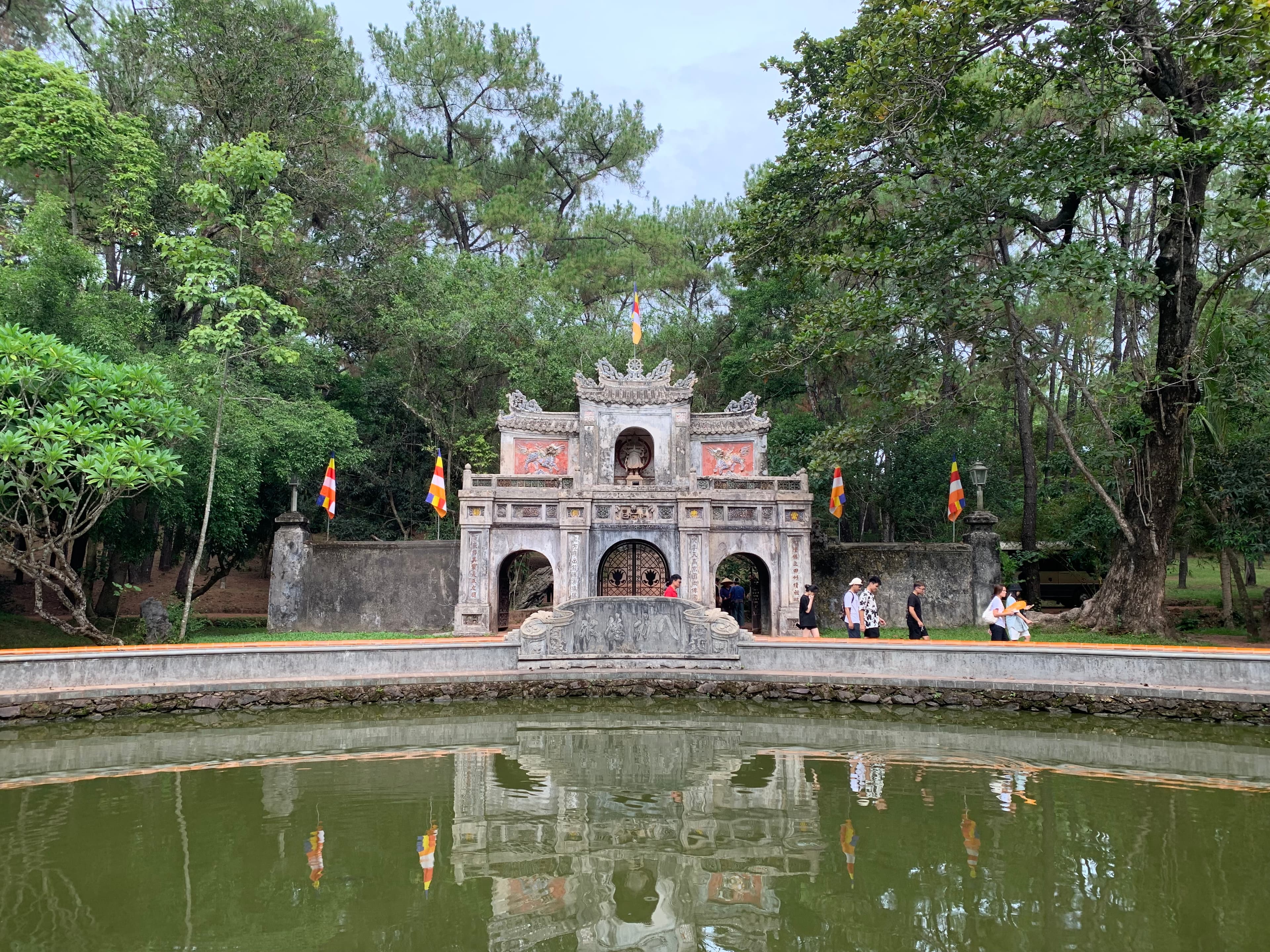
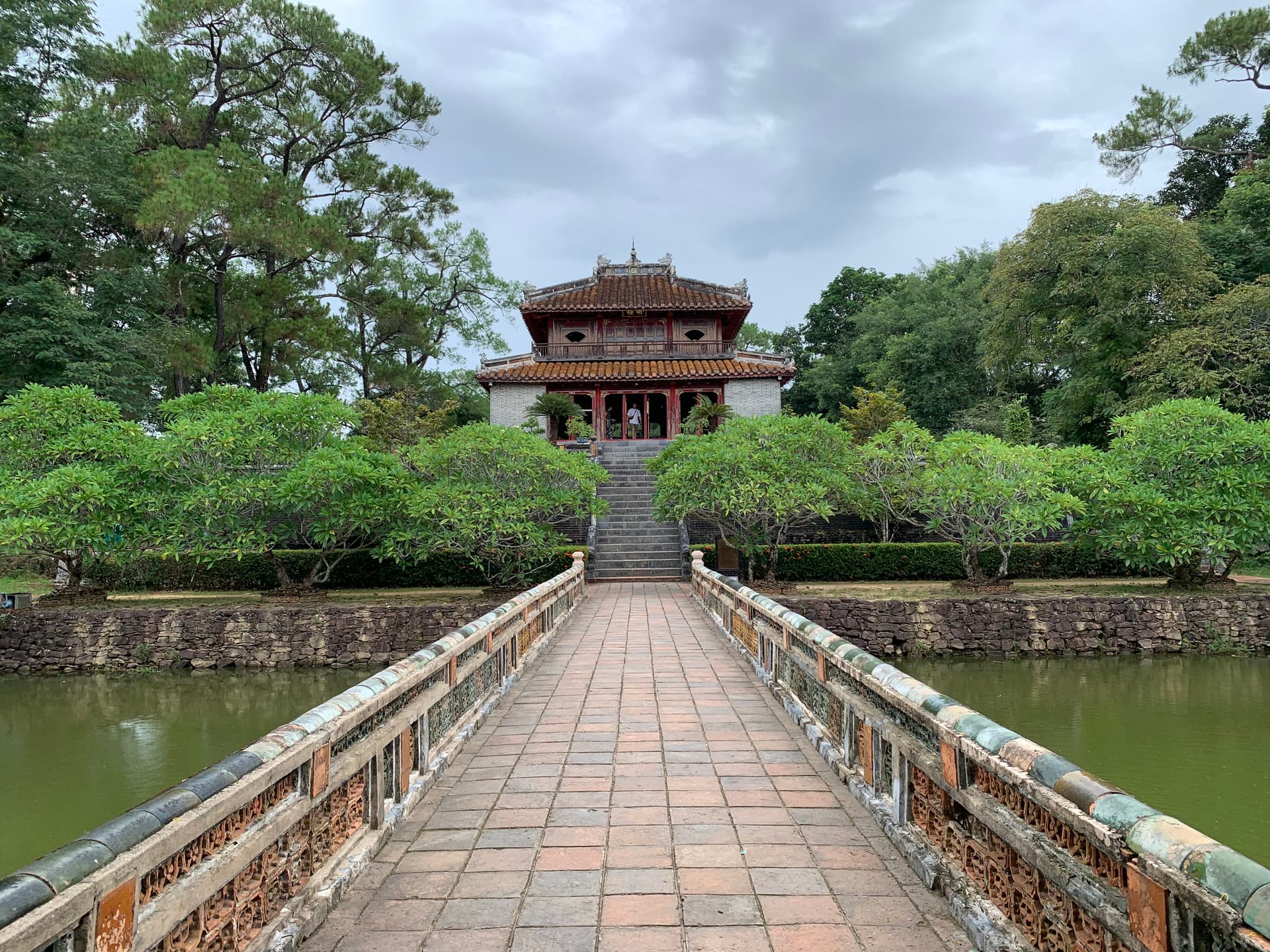
Từ Hiếu Pagoda in Huế, Huế, Vietnam. Image source · CC BY 4.0
Visit essentials
A quick read before you go
- Duration
- Stay long enough to settle after arrival, while keeping the visit proportionate to the…
- Access
- The strong Places record identifies the monastery, but present hours and ceremony access remain…
Overview
A pine-lined approach and half-moon pond prepare a quieter threshold before the Buddha hall and monastic paths. Within the precinct, Buddhist worship meets two forms of memory: the transmission carried by teachers and students, and the filial obligations recalled by the temple's history and graves. Plum Village's account of returning to the mother pagoda shows why Từ Hiếu remains a living source of lineage for Thích Nhất Hạnh's community.
Visitors should not mistake that connection for ownership of the monastery by an international movement. Resident practice, local devotees, ancestors, and the Śākyamuni altar all retain their own places. The appropriate tone is attentive and unhurried, especially when a service or memorial gathering is underway.
Why this place is sacred
Từ Hiếu often attracts people familiar with mindfulness teachings. The site itself asks for a wider view. Bells, walking paths, the Buddha hall, graves, and ordinary monastic work locate mindful presence inside Vietnamese Buddhist relationships of refuge, gratitude, and lineage. A visitor may feel calm beneath the pines, but calm is neither guaranteed nor proof of an invisible force. The documented significance lies in sustained practice and the responsibilities that accompany remembrance.
The monastery developed as a place of Buddhist practice strongly associated with filial care and monastic ancestry.
It remains active while also receiving visitors drawn by Huế Buddhism and Thích Nhất Hạnh's life.
Experience and orientation
Listen before moving into the main worship area. A bell, chanting, a closed door, or a line of practitioners can indicate that the monastery is using its own space. Outside services, the pond and wooded paths offer room to notice how the compound separates arrival from practice. If visiting because of Thích Nhất Hạnh, hold his memory alongside the teachers, monks, ancestors, and lay community who also belong here.
Presence is shown through conduct: speaking softly, standing aside, and leaving no trace.
Identify the public path, Buddha hall, monastic areas, and graves without entering residential space.
Context and lineage
The sources used here securely connect the monastery with filial devotion and with Thích Nhất Hạnh's novice formation and later return. They do not provide a complete, conflict-free chronology for every structure. The page therefore centers the established religious relationships rather than repeating all popular founding anecdotes. Từ Hiếu is not a stand-alone UNESCO World Heritage property.
Vietnamese Mahayana Buddhism, transmitted through the Từ Hiếu monastic line, provides the governing context.
Śākyamuni Buddha and monastic ancestors
devotional and lineage focus
Traditions and practice
Bowing, chanting, sitting meditation, offerings, teaching, and ancestor observance may all occur, but participation depends on invitation and timing. The popular language of mindfulness should not be used to bypass temple forms or the authority of residents.
Monastic routine, lay devotion, teaching, and memorial gatherings continue in the active precinct.
Walk one public path in silence, then pause without photographing anyone at prayer.
Vietnamese Mahayana Buddhism
ActiveTừ Hiếu sustains Buddhist refuge and a monastic lineage marked by filial memory and the teachings associated with Thích Nhất Hạnh.
Meditation, chanting, bowing, teaching, offerings, and memorial observance proceed under resident guidance.
Perspectives and open questions
Filial piety, Mahayana refuge, monastic lineage, engaged Buddhism, and modern memory meet at Từ Hiếu.
Scholarly perspective
Biography can clarify why the monastery has international visibility, but an institution cannot be reduced to its most famous member. A careful account also asks how ancestor graves, ritual spaces, residents, and lay relationships shape the place across generations.
Living and traditional perspectives
In Vietnamese Buddhist terms, mindful presence is inseparable from refuge, ethical conduct, gratitude, and respect for teachers.
Open questions
No independently verified healing, energy, or guaranteed contemplative result is asserted.
Plan your visit
Access and arrival
The strong Places record identifies the monastery, but present hours and ceremony access remain unverified.
No visitor lodging at the monastery is claimed; use licensed Huế accommodation.
Respectful visit
Wear modest clothing and follow footwear instructions at each doorway.
People in practice and funerary spaces require permission, even when no prohibition sign is visible.
Use only the temple's accepted forms of incense, food, flowers, or donation.
Residential buildings, closed halls, and marked monastic routes remain private.
Do not enter private quarters or turn a memorial visit into a search for proximity to a famous teacher.
Current practical details
Address
CHP9+HVR Duong Xuan Thuong III village, Thủy Xuân, Huế, Vietnam
Hours
Hours, fees, and access can change — verify on the official source before you travel. Practical details last checked Jul 2026.
Location
Map loads as you approach this section.
Pilgrim reflections
A portrait of encounter, not a score
Pilgrims describe what they felt, how present they could become, and whether the place would shape a journey. There are no stars and no ranking of traditions.
No reviewed reflections yet
The first pilgrims can help describe the character of being here.
Share a reflection
Available after an account-backed “Been there.” Every reflection is reviewed before publication.
Nearby sacred places
Explore other sacred places in the region. Proximity does not establish access or travel time; check each place’s guidance.
References
Sources consulted for this page. Source categories describe the publication, not a guarantee that every claim is verified. Traditional accounts and outside interpretations may differ.
- 01Official heritage or tourism context for Từ Hiếu Pagoda — Vietnam National Authority of Tourism or responsible heritage authorityofficialSupports the site's physical, cultural, religious, or visitor context.
- 02Hue — explore the city's Buddhist roots — Vietnam TourismofficialNational tourism authority identifies Từ Hiếu as the monastery where Thích Nhất Hạnh lived as a novice.
- 03Coming home to the mother pagoda — Plum VillageSource contextCommunity source identifies Từ Hiếu as Thích Nhất Hạnh's root temple and documents contemporary remembrance practice.
- 04Vietnamese-language reference search for Chùa Từ Hiếu — Vietnamese Wikipedia contributorsacademicDiscovery reference only; unsupported details were not promoted into factual prose.
- 05Google Maps listing for Từ Hiếu Pagoda — Google MapsSource contextUsed only for strong-match coordinates and practical fields.
Share a photo
Help visitors recognize Từ Hiếu Pagoda. Every submission is reviewed before publication.