Temple of Literature, Huế
Văn Miếu Huế: scholarship remembered as a moral and ritual duty
Understand sacred places, explore living traditions, and learn how to engage respectfully with Pilgrim Map.
Access has not been verified. Check current local guidance before planning a visit.
Huế, Huế, Vietnam
Read the sources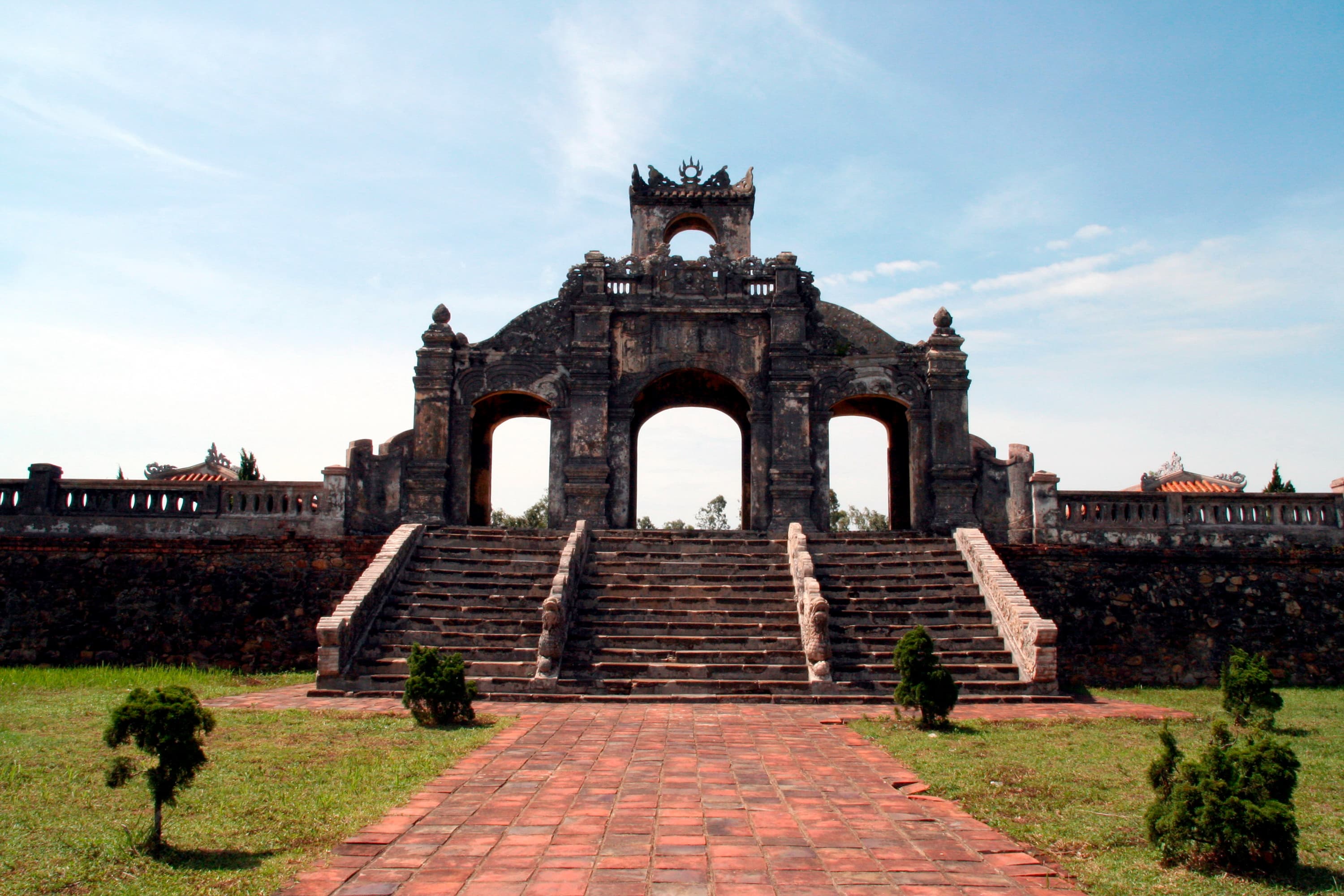
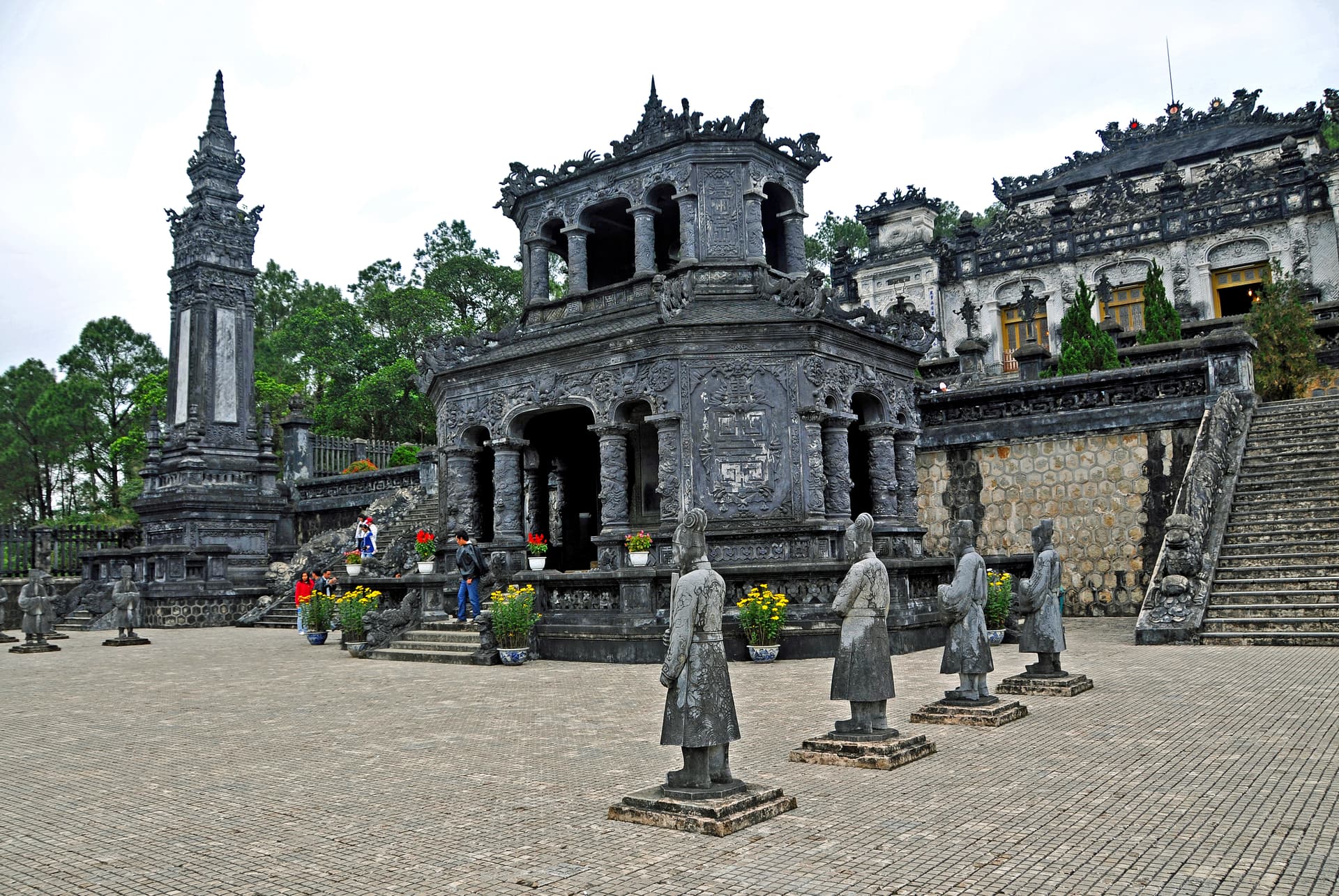
Temple of Literature, Huế in Huế, Huế, Vietnam. Image source · CC BY-SA 3.0
Visit essentials
A quick read before you go
- Duration
- An unhurried visit can focus on the courts and inscriptions without treating the monument as a…
- Access
- A strong Google Places match supplies the listed location, but current entry conditions require…
Overview
The quiet riverside precinct is best understood as an institution of learning and commemoration, not as a Buddhist pagoda. An axial approach leads through formal courts toward stone records and spaces once associated with state ritual. Those elements recall a political culture in which study, examinations, and moral conduct were connected. Confucius is the principal figure named in the research, while honored scholars extend the memorial field beyond a single teacher.
Much of the complex is encountered today as protected heritage. That status does not empty it of religious meaning: respect for teachers, texts, and exemplary service formed its reason for being. A visitor can attend to that history without inventing present ceremonies or treating every old altar as an active place for personal petitions.
Why this place is sacred
The site's spiritual weight comes from a Confucian understanding of cultivation. Learning was not only the accumulation of knowledge; it carried duties toward family, government, and social order. The precinct gives those duties a physical sequence through gates, stelae, and controlled axes. Silence here may feel contemplative, but the sources support a more precise interpretation than a generalized energy claim: generations used formal commemoration to connect scholarship with character.
The Nguyễn court maintained the monument for Confucian ritual, scholarly memory, and the values attached to official learning.
It now functions chiefly as a conserved historical component of Huế while retaining the meaning of its original dedication.
Experience and orientation
Move slowly enough to see how each court prepares for the next. The important features are not dramatic devotional objects but relationships: inscriptions to architecture, open space to enclosure, and named scholarship to public memory. Where translations or labels are available, use them before drawing conclusions from ornament alone. The relative lack of active ritual can be part of the encounter rather than a deficiency. It allows close attention to how a court once represented intellectual and ethical authority.
The official component record and on-site route should guide identification of the literary and military temple areas.
Context and lineage
UNESCO identifies the Temple of Letters and Temple of Military as component 678-003. The wider property preserves the capital, royal tombs, and ritual sites that expressed the Nguyễn state's organization. Within that system, Văn Miếu represented the learned ideals expected of officials. The present research does not establish a complete building chronology or a current ceremony calendar, so the page does not supply either from analogy with other Vietnamese temples of literature.
Vietnamese Confucian state ritual and the commemoration of learned service provide the relevant lineage.
Confucius and honored scholars
objects of scholarly and moral commemoration
Traditions and practice
Historically, honoring Confucius and exemplary scholars affirmed education as a moral discipline. The surviving evidence does not authorize visitors to reconstruct those rites. Reading inscriptions, considering the examination tradition, and standing quietly in the formal courts are more responsible ways to engage.
Heritage visitation and conservation now predominate; any announced observance should take precedence over touring.
Choose one stela or architectural axis and ask what kind of conduct it was designed to honor.
Vietnamese Confucianism
HistoricalThe monument materializes the bond between Confucius, scholarship, moral self-cultivation, and responsible public service.
Historical commemoration is approached today through respectful study and any custodian-led observance.
Perspectives and open questions
Confucian ethics, Nguyễn state ceremony, epigraphy, and heritage conservation illuminate different parts of the precinct.
Scholarly perspective
The clearest historical reading situates the monument within a capital that joined civil administration to ritual order. Its stones can document names and institutions, but they do not demonstrate a supernatural property. UNESCO status concerns the cultural ensemble and its planning; it should not be presented as certification of a spiritual claim.
Living and traditional perspectives
Within Confucian practice, honoring teachers and learned predecessors reinforces obligations carried into ordinary conduct.
Open questions
The present research does not establish a regular public rite or any independently verified metaphysical effect.
Plan your visit
Access and arrival
A strong Google Places match supplies the listed location, but current entry conditions require a fresh official check.
Use current Huế lodging information; no accommodation is associated with this monument.
Respectful visit
Ordinary modest clothing is suitable; follow any stricter notice posted for a ceremony.
Use available viewpoints and never move objects or cross a barrier for a clearer frame.
Only use a designated offering or donation point if the custodian clearly provides one.
Conservation barriers and temporary closure signs are firm limits.
Do not rub inscriptions, climb bases, or leave improvised offerings at historical features.
Current practical details
Address
FG3Q+3H9, Đường Văn Thánh, Kim Long, Huế, Vietnam
Hours, fees, and access can change — verify on the official source before you travel. Practical details last checked Jul 2026.
Location
Map loads as you approach this section.
Pilgrim reflections
A portrait of encounter, not a score
Pilgrims describe what they felt, how present they could become, and whether the place would shape a journey. There are no stars and no ranking of traditions.
No reviewed reflections yet
The first pilgrims can help describe the character of being here.
Share a reflection
Available after an account-backed “Been there.” Every reflection is reviewed before publication.
Nearby sacred places
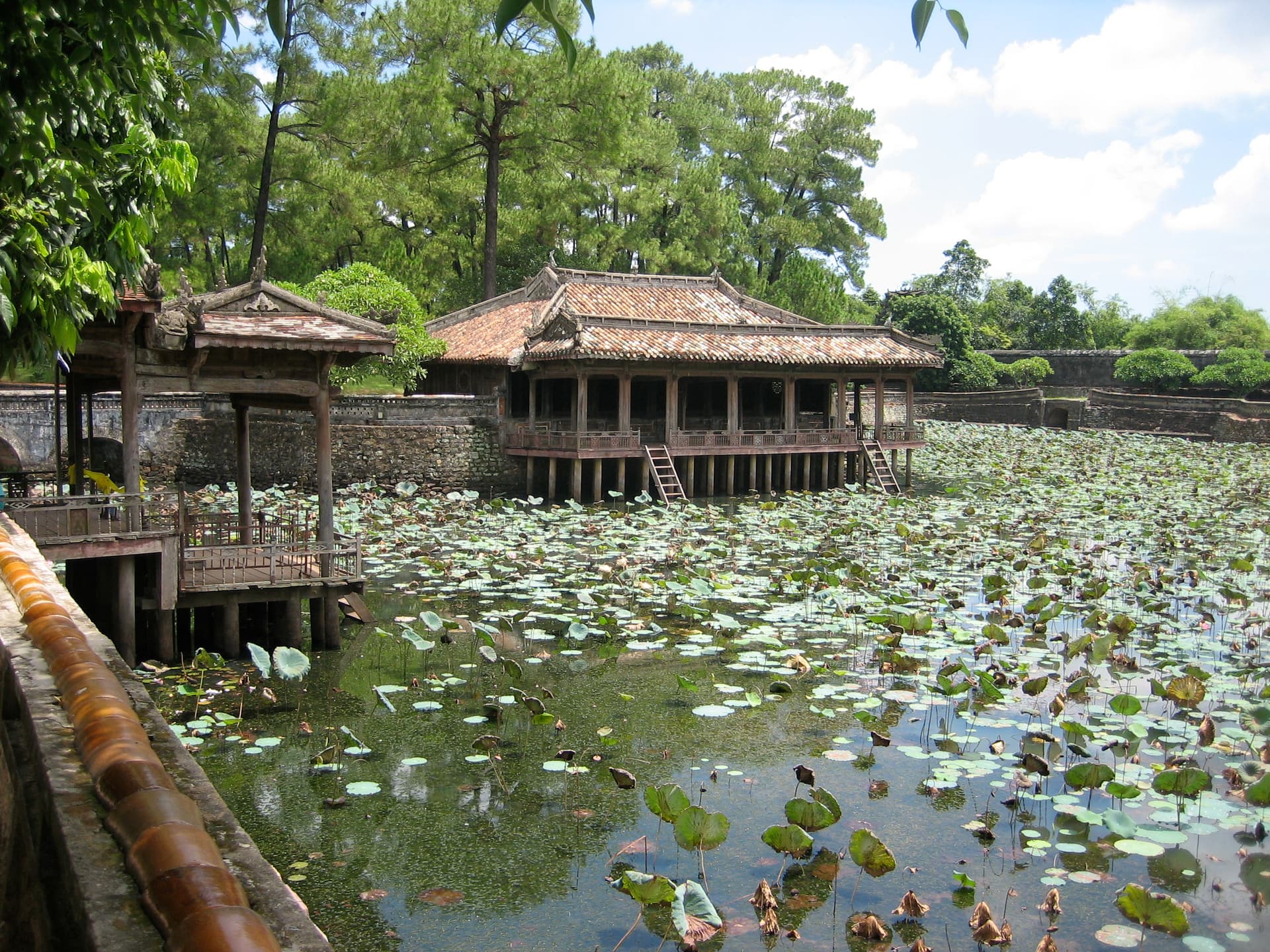
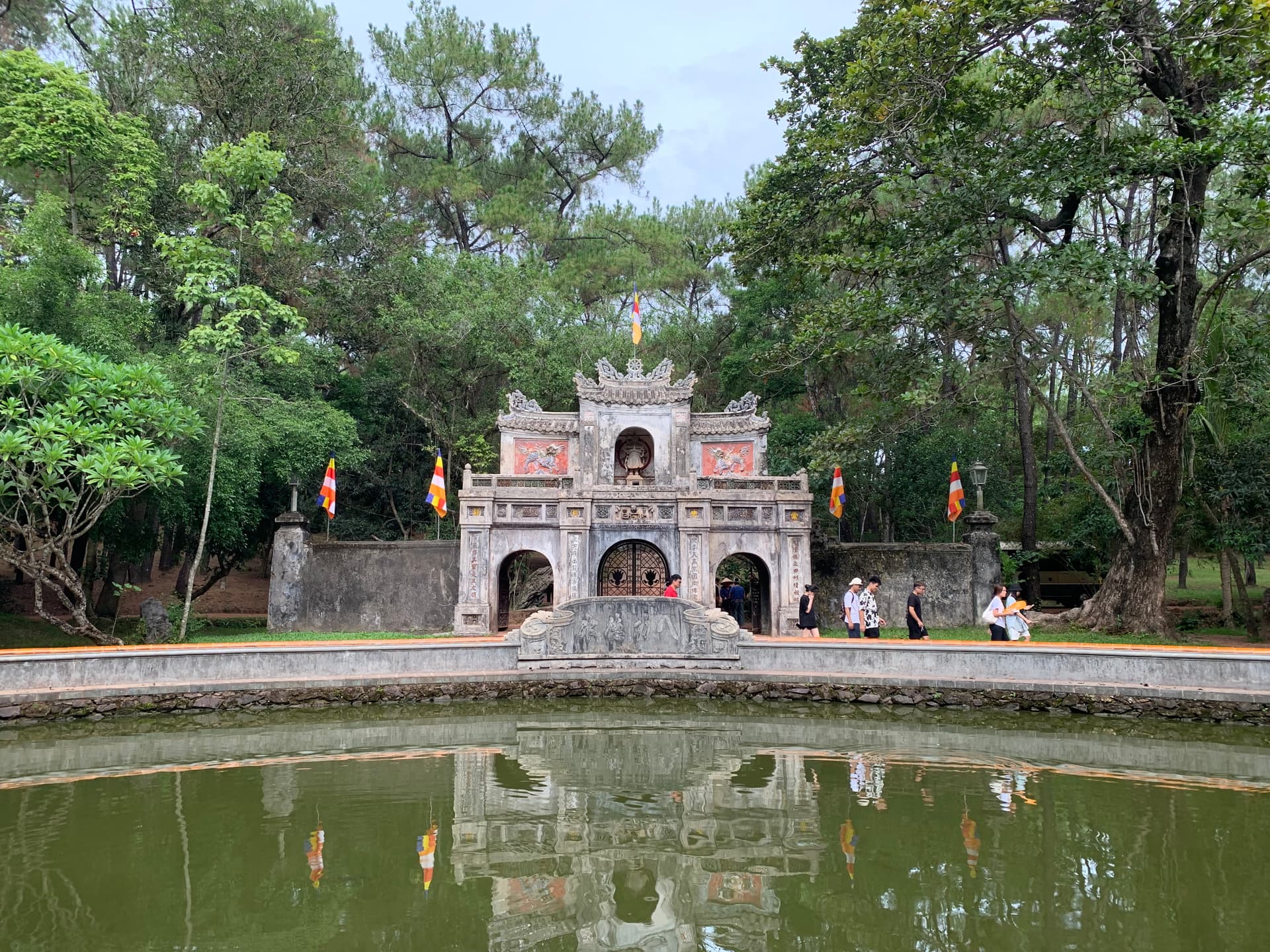
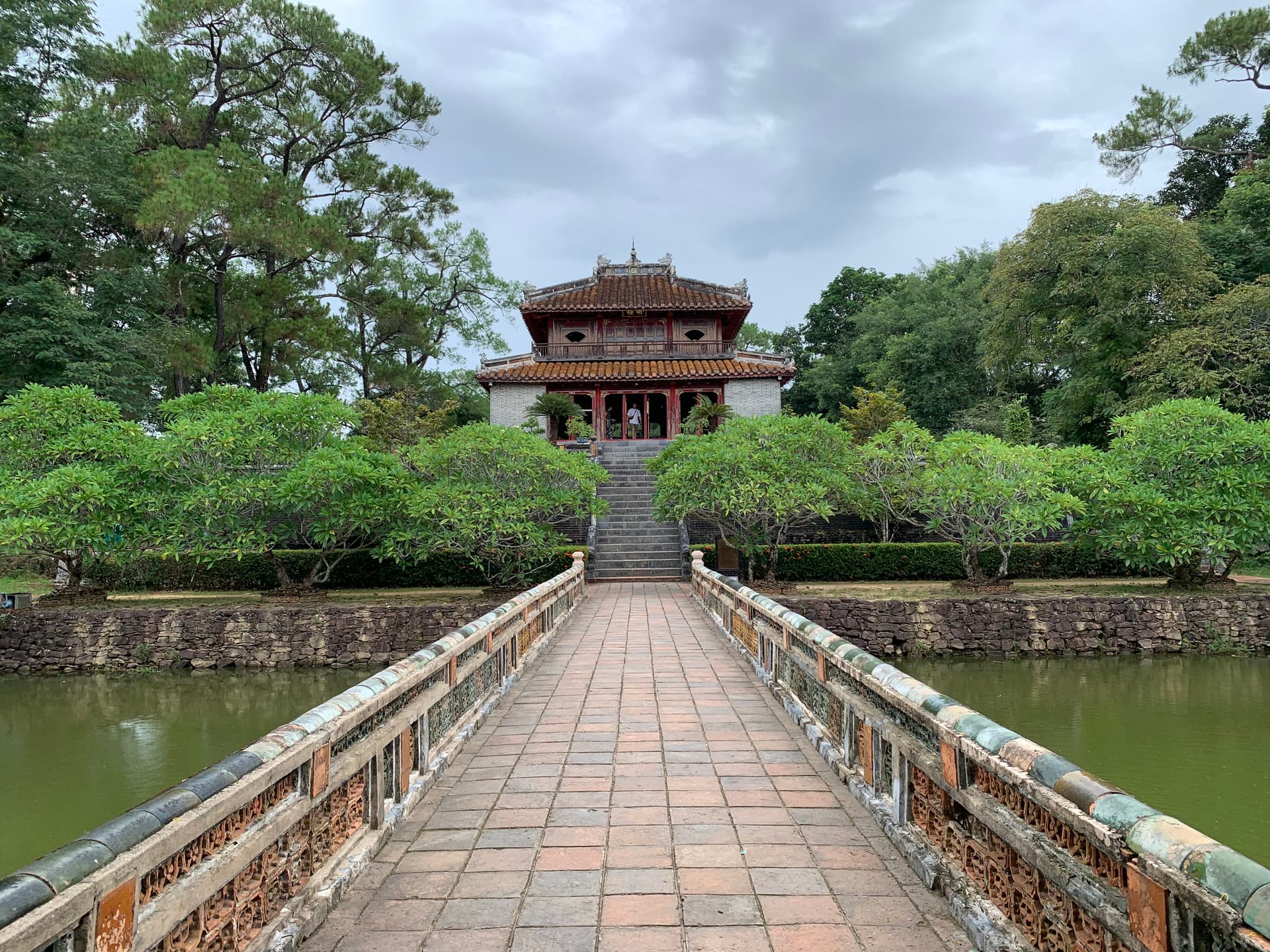
Explore other sacred places in the region. Proximity does not establish access or travel time; check each place’s guidance.
References
Sources consulted for this page. Source categories describe the publication, not a guarantee that every claim is verified. Traditional accounts and outside interpretations may differ.
- 01Official heritage or tourism context for Temple of Literature, Huế — Vietnam National Authority of Tourism or responsible heritage authorityofficialSupports the site's physical, cultural, religious, or visitor context.
- 02Complex of Hué Monuments — component maps — UNESCO World Heritage CentreofficialIdentifies component 678-003 as the Temple of Letters and Temple of Military and gives its official coordinates.
- 03Vietnamese-language reference search for Văn Miếu Huế — Vietnamese Wikipedia contributorsacademicDiscovery reference only; unsupported details were not promoted into factual prose.
- 04Google Maps listing for Temple of Literature, Huế — Google MapsSource contextUsed only for strong-match coordinates and practical fields.
Share a photo
Help visitors recognize Temple of Literature, Huế. Every submission is reviewed before publication.