Tomb of Emperor Tự Đức
Lăng Tự Đức: a retreat landscape turned toward poetry, rule, and death
Understand sacred places, explore living traditions, and learn how to engage respectfully with Pilgrim Map.
Access has not been verified. Check current local guidance before planning a visit.
Huế, Huế, Vietnam
Read the sources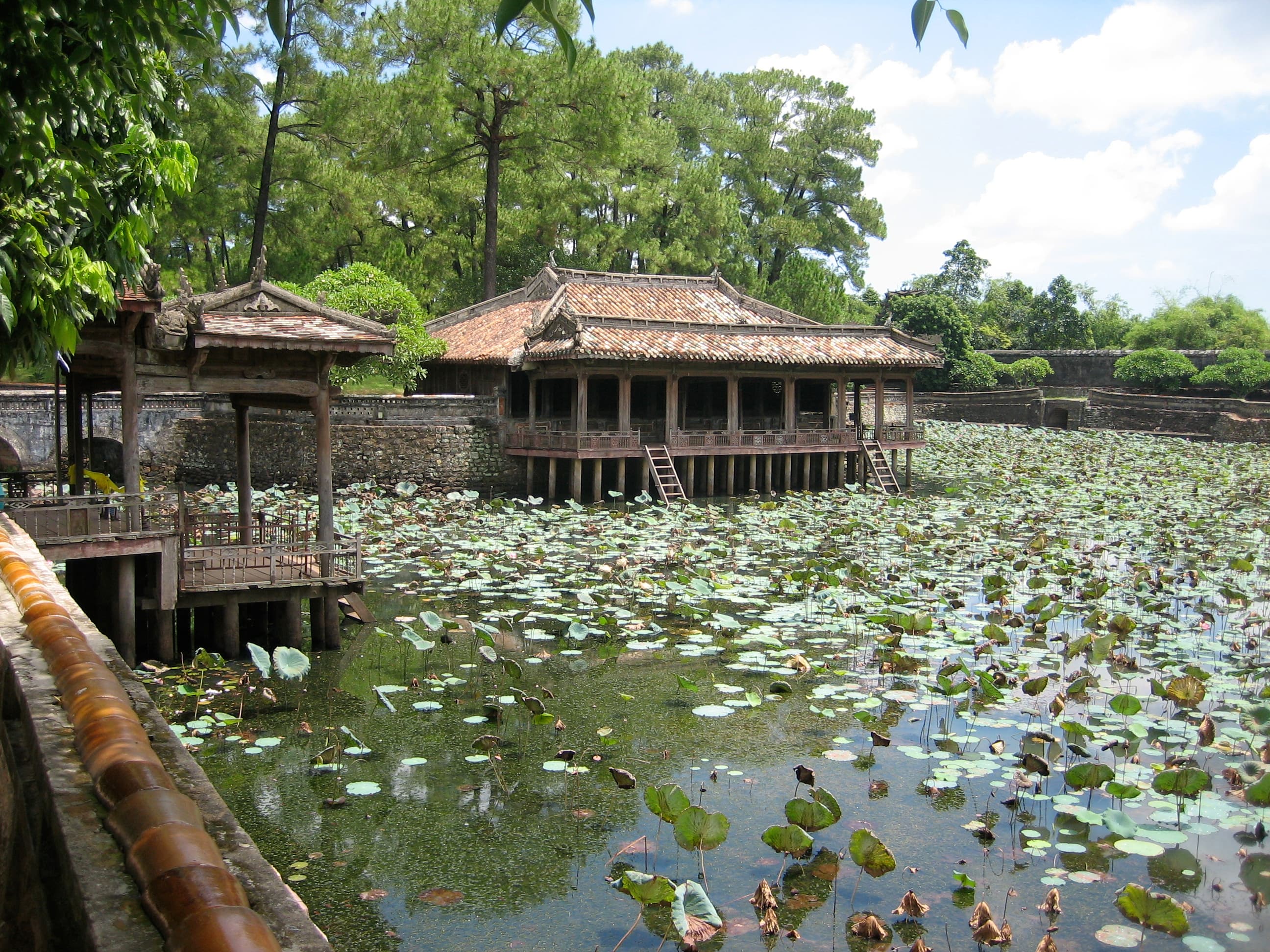
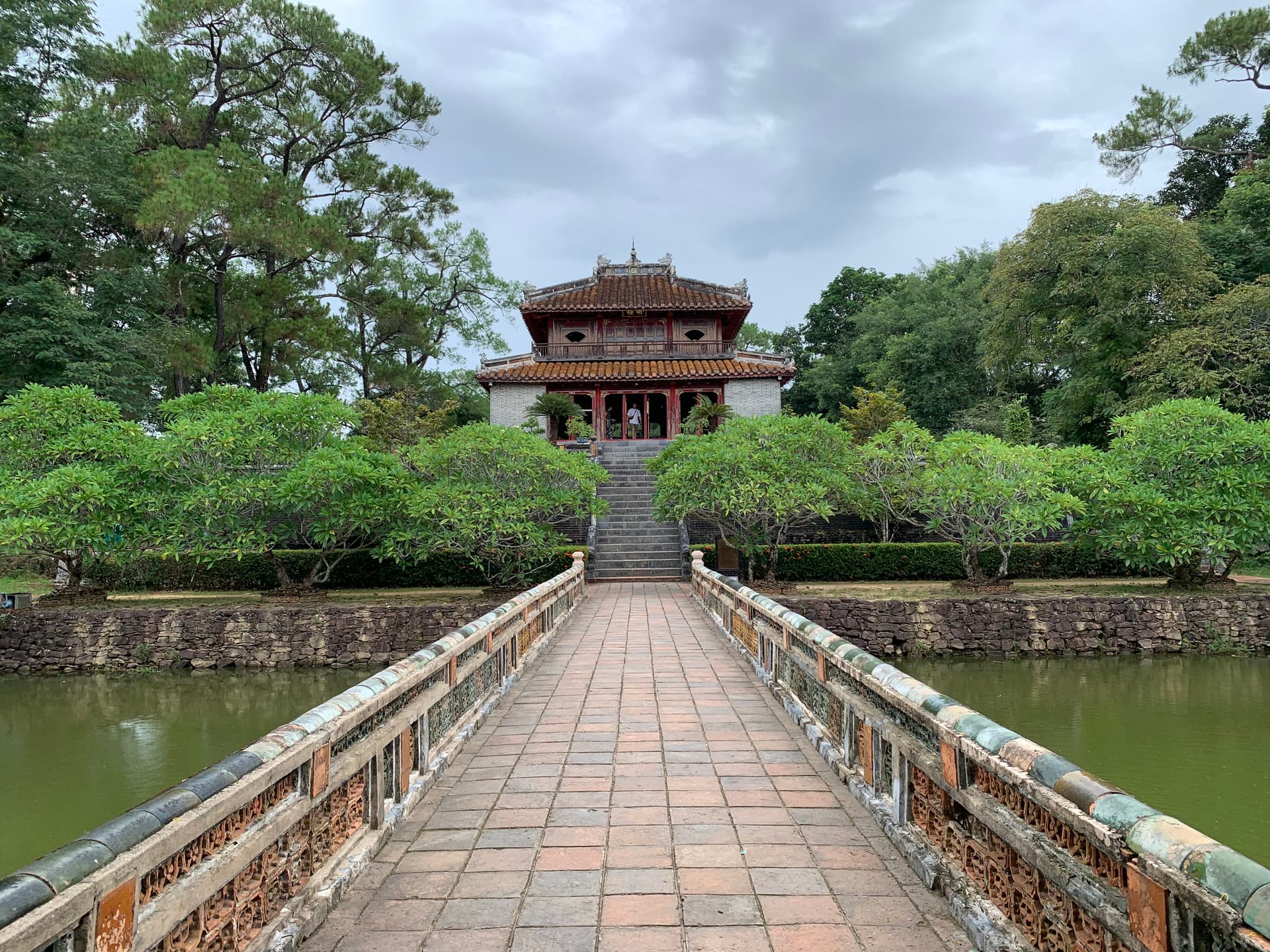
Tomb of Emperor Tự Đức in Huế, Huế, Vietnam. Image source · CC BY 2.0
Visit essentials
A quick read before you go
- Duration
- Allow enough time to see both the retreat landscape and the permitted funerary area.
- Access
- Google Places data was not retained because no independent strong match was established; verify…
Overview
This is not a tomb organized around a single moment of arrival. The palace-like landscape allows reflection beside water and through built spaces before the visitor reaches the more explicitly funerary area. That distinction matters. It shows how an emperor's life, literary identity, courtly withdrawal, and posthumous memory could occupy one estate without becoming the same thing. The central commemorated figure is Emperor Tự Đức.
Contemporary access is primarily historical and protective, so guests should resist turning melancholy surroundings into claims about the ruler's private feelings. The buildings and route support a careful account; unsupported psychological stories do not.
Why this place is sacred
A pavilion by water can seem more intimate than a monumental tomb facade. At Tự Đức, that intimacy belongs to the complex's palace-mausoleum character. It encourages attention to how royal memory was composed through leisure, writing, governance, and anticipated death. The resulting atmosphere may be moving, yet a visitor's sadness is not historical evidence and does not prove a metaphysical presence.
The estate joined imperial retreat and representation with the long-term work of royal commemoration.
Spaces made for courtly use and funerary memory are now interpreted together under World Heritage protection.
Experience and orientation
Use changes in enclosure to understand the site. Open water and pavilions can suggest a lived landscape; walls, courts, inscriptions, and tomb architecture shift the emphasis toward commemoration. Do not hurry past the first area or assume it is decorative prelude. Its relation to the funerary zone is one of the complex's defining features. Read any available translation before assigning a personal story to an inscription.
Follow the authorized visitor route while keeping the retreat structures and burial precinct conceptually distinct.
Context and lineage
The component map establishes identity, coordinates, and World Heritage scope. The broader Huế record places the imperial tombs upstream within a landscape connected to the former capital. Research supports the complex's retreat, palace, and mausoleum functions but does not resolve every biographical anecdote or ritual detail. Those gaps remain visible rather than being filled with stories from travel literature.
Nguyễn imperial commemoration provides the lineage; the site's retreat spaces add an unusually personal courtly dimension.
Emperor Tự Đức
royal patron and commemorated emperor
Traditions and practice
Imperial ancestor veneration gave a royal tomb continuing significance after death. At Tự Đức, the surrounding estate also represented the emperor during life. A respectful visitor can consider both roles while avoiding incense or gestures not invited by the custodian.
Interpretation, remembrance, landscape maintenance, and conservation shape the public encounter.
Compare one waterside view with one enclosed memorial court and note how your pace changes.
Vietnamese imperial ancestor veneration
HistoricalTự Đức's estate joins royal self-representation to the enduring duties of dynastic remembrance.
Visitors now engage through commemoration, study, and protection of the palace-mausoleum landscape.
Perspectives and open questions
Royal biography, literary self-fashioning, ancestor veneration, landscape design, and tourism overlap without becoming interchangeable.
Scholarly perspective
The palace-mausoleum form invites questions about how rulers prepared their public memory before death. Material evidence can show planned relationships among water, pavilions, courts, and funerary structures. It cannot independently verify every emotional or biographical interpretation attached to them.
Living and traditional perspectives
Imperial remembrance treats the deceased ruler within dynastic continuity rather than as an isolated historical personality.
Open questions
The reviewed evidence does not establish supernatural effects, a current public rite, or every story associated with the emperor.
Plan your visit
Access and arrival
Google Places data was not retained because no independent strong match was established; verify the official approach and hours.
Use current Huế listings; no stay is associated with the protected complex.
Respectful visit
Wear practical, modest clothing suited to a protected funerary landscape.
Use public positions and avoid theatrical scenes that trivialize royal remembrance.
Do not leave objects unless a marked location and current custodian guidance permit it.
Closed interiors and restoration zones are not alternate routes.
Avoid presenting mood, poetry, or popular biography as proof of the emperor's intentions.
Location
Map loads as you approach this section.
Pilgrim reflections
A portrait of encounter, not a score
Pilgrims describe what they felt, how present they could become, and whether the place would shape a journey. There are no stars and no ranking of traditions.
No reviewed reflections yet
The first pilgrims can help describe the character of being here.
Share a reflection
Available after an account-backed “Been there.” Every reflection is reviewed before publication.
Nearby sacred places
Explore other sacred places in the region. Proximity does not establish access or travel time; check each place’s guidance.
References
Sources consulted for this page. Source categories describe the publication, not a guarantee that every claim is verified. Traditional accounts and outside interpretations may differ.
- 01Official heritage or tourism context for Tomb of Emperor Tự Đức — Vietnam National Authority of Tourism or responsible heritage authorityofficialSupports the site's physical, cultural, religious, or visitor context.
- 02Vietnam National Authority of Tourism — Vietnam National Authority of TourismofficialNational tourism authority context; no weak Google Places fields were persisted.
- 03Complex of Hué Monuments — component maps — UNESCO World Heritage CentreofficialIdentifies component 678-007 as Tu Duc Tomb and gives its official coordinates.
- 04Tomb of Tự Đức — Wikipedia — Wikipedia contributorsacademicCorroborates identity, location, and basic historical context; key claims are framed conservatively.
Share a photo
Help visitors recognize Tomb of Emperor Tự Đức. Every submission is reviewed before publication.