Trúc Lâm Đà Lạt Zen Monastery
Trúc Lâm Đà Lạt: Vietnamese Zen ordered around silence and discipline
Understand sacred places, explore living traditions, and learn how to engage respectfully with Pilgrim Map.
Access has not been verified. Check current local guidance before planning a visit.
Đà Lạt, Lâm Đồng, Vietnam
Read the sources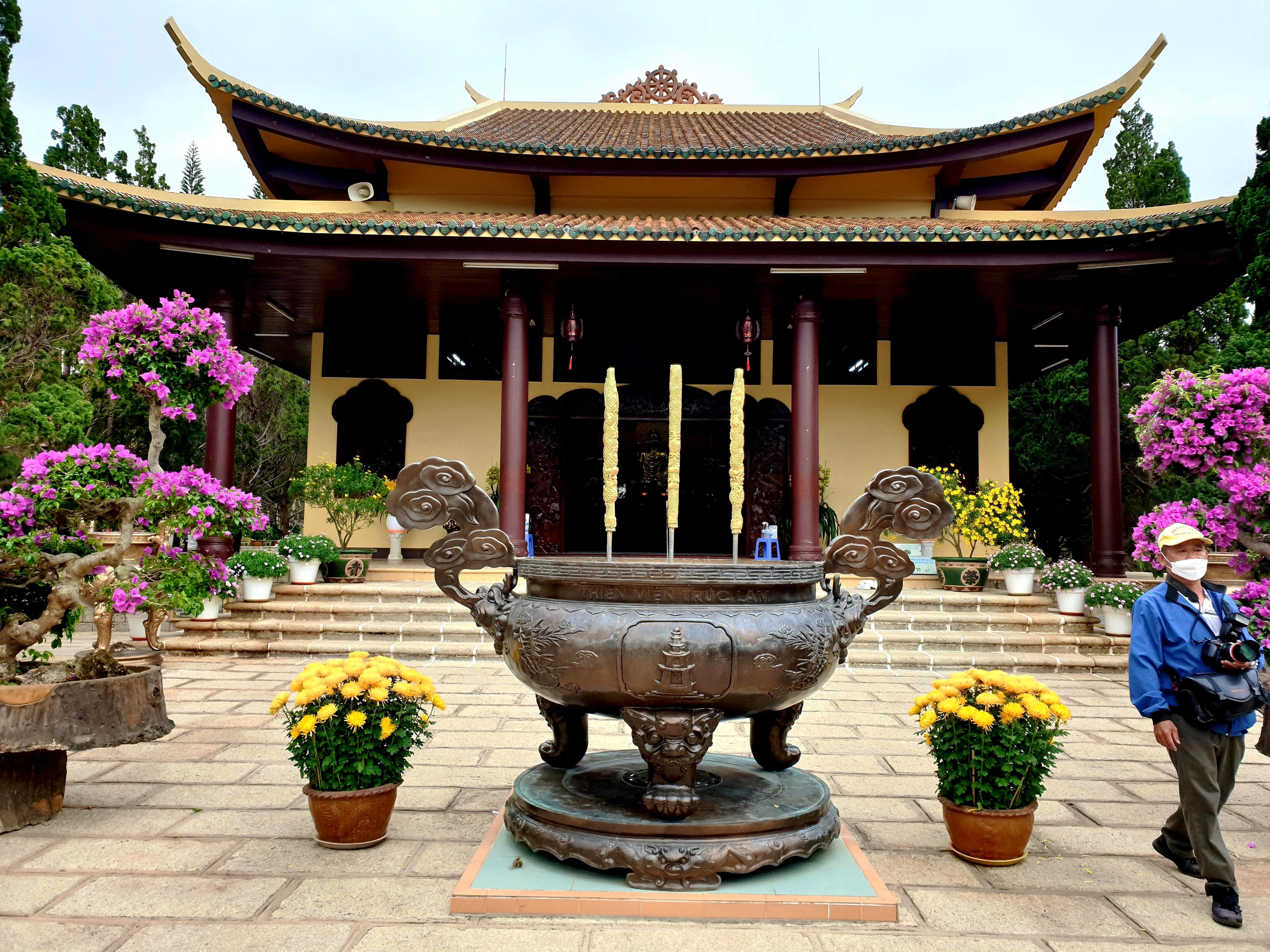
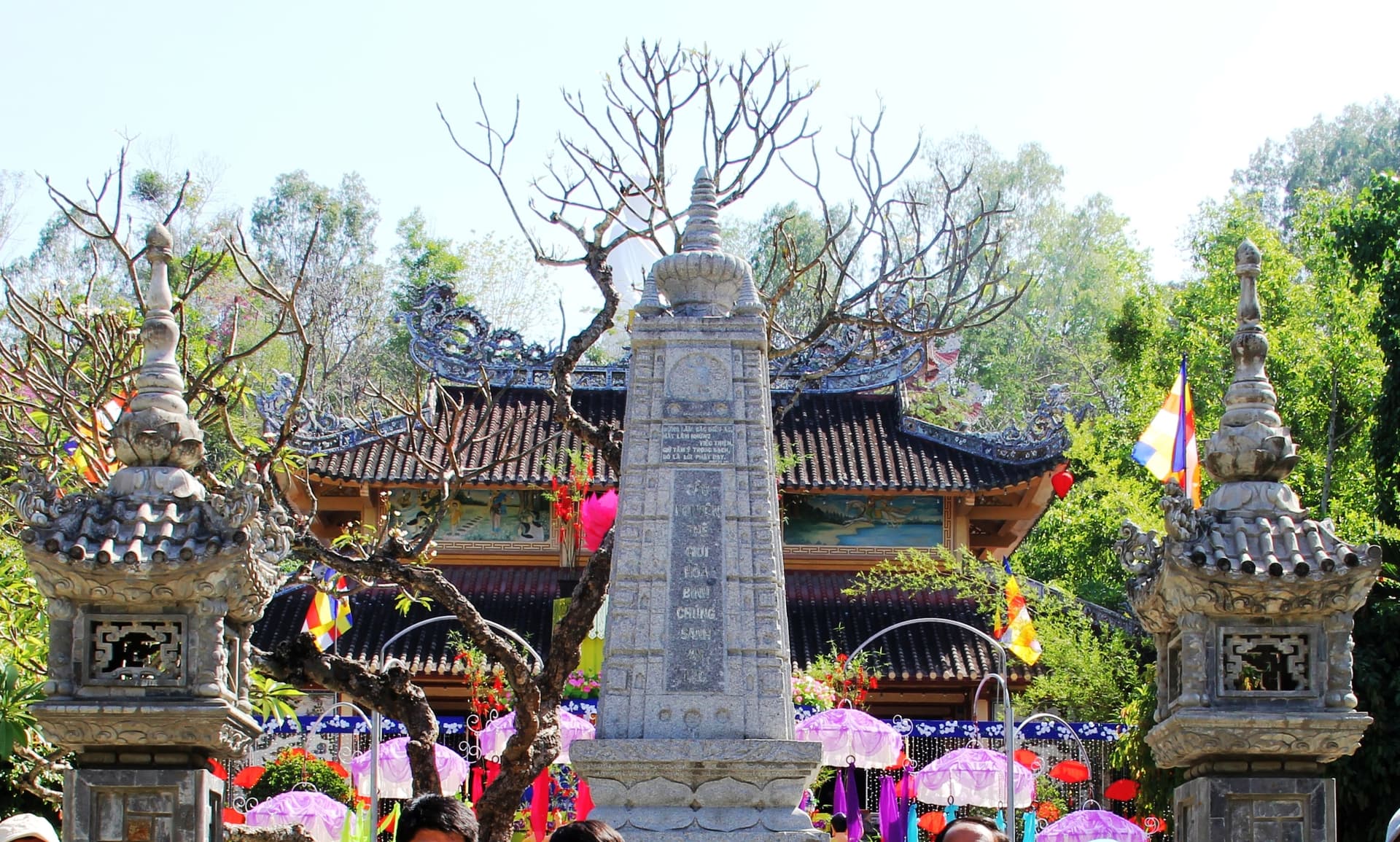
Trúc Lâm Đà Lạt Zen Monastery in Đà Lạt, Lâm Đồng, Vietnam. Image source · CC BY-SA 4.0
Visit essentials
A quick read before you go
- Duration
- Allow time to slow down, but do not linger where your presence burdens meditation or resident…
- Access
- The strong Google Places record lists the monastery in Đà Lạt and previously showed daytime…
Overview
The monastery offers clarity through restraint. Paths, halls, gardens, and the image of Śākyamuni support a life organized around meditation and discipline. Scenic calm can be immediately attractive, yet it is an effect of both setting and sustained human work. Monastics keep schedules, maintain boundaries, and practice within spaces that may appear open to casual visitors. Respect therefore begins with not confusing beauty with unrestricted access.
Move quietly, notice where public circulation ends, and let the absence of spectacle remain meaningful. The Trúc Lâm identity also matters: this is not generic imported Zen but a distinctly Vietnamese lineage renewed in a contemporary institution. No source establishes that silence here automatically produces awakening. It provides conditions in which attention can be practiced, under a tradition that asks more than a fleeting feeling of peace.
Why this place is sacred
Visitors often notice a shift toward slower, quieter attention, but Trúc Lâm's deeper threshold is behavioral. Voices lower, movement becomes orderly, and spaces are maintained for meditation. That pattern is created by practice rather than by an invisible property of the land. A guest may receive the quiet as an invitation to simplify attention while recognizing that monastic discipline, not scenery, sustains it.
The monastery was established for Trúc Lâm Zen practice, training, and reverence for Śākyamuni Buddha.
A contemporary center of lineage renewal now also receives large numbers of visitors seeking quiet and views.
Experience and orientation
Pause at the entrance and identify signs that separate worship halls, public gardens, and residential areas. Walk at a pace that does not overtake monastics or interrupt anyone sitting quietly. A bell, swept path, or carefully kept planting can reveal discipline without becoming an object to collect. If crowds are present, contemplative conduct is still possible through a lower voice and smaller physical footprint.
Map the public route, meditation and worship halls, gardens, and residential boundaries before choosing where to stop.
Context and lineage
The research supports the institution's identity as a contemporary Trúc Lâm monastery centered on meditation, monastic discipline, and lineage renewal. It does not resolve every foundation narrative or authorize claims borrowed from other Trúc Lâm centers. The monastery is not presented as a UNESCO World Heritage property. Its importance rests in living practice rather than archaeological age.
Trúc Lâm Vietnamese Zen Buddhism supplies the monastery's meditative discipline and institutional identity.
Śākyamuni Buddha
principal source-attested focus of reverence and teaching
Traditions and practice
Sitting meditation, bows, recitation, and teaching may occur according to the monastery's schedule. Visitors should not enter a session late, assume a cushion is available, or imitate monastic forms without invitation. Quiet standing in an approved area can be a complete respectful practice.
Training, communal discipline, worship, teaching, garden care, and public visitation continue together.
Follow one public path without rushing and use the transition between spaces to observe changes in your own attention.
Trúc Lâm Vietnamese Zen Buddhism
ActiveThe monastery renews a Vietnamese Zen lineage through meditation, training, and disciplined communal life.
Meditation, bows, recitation, teaching, work, and monastic routine follow the resident community's schedule.
Perspectives and open questions
Lineage renewal, meditation discipline, contemporary architecture, landscape design, and visitor desire for calm require separate attention.
Scholarly perspective
A contemporary monastery can be historically significant through institutional renewal rather than age. Its designed landscape helps organize conduct, while daily monastic labor maintains the conditions outsiders often call peaceful. Study should make that labor visible instead of presenting tranquility as a natural commodity.
Living and traditional perspectives
Trúc Lâm practice directs quiet toward awakening, ethical discipline, and sustained attention rather than temporary escape.
Open questions
No visitor is promised a vision, energetic shift, or lasting mental-health outcome from a short stay.
Plan your visit
Access and arrival
The strong Google Places record lists the monastery in Đà Lạt and previously showed daytime hours and a phone number. Reconfirm those details before setting out.
No retreat stay is promised by this guide; use licensed Đà Lạt lodging unless the monastery itself confirms a program.
Respectful visit
Wear modest, subdued clothing and remove shoes wherever the monastery indicates.
Keep cameras away from meditation, private routines, and interiors marked against photography.
Use official donation or offering points; do not leave notes, objects, or food around the gardens.
Residential quarters, working areas, reserved cushions, and closed halls are not public contemplative space.
Do not treat the monastery as a free wellness facility or claim that its atmosphere produces enlightenment.
Current practical details
Address
WC3M+7MG, Trúc Lâm Yên Tử, Xuân Hương - Đà Lạt, Lâm Đồng, Vietnam
Phone
Hours
Hours, fees, and access can change — verify on the official source before you travel. Practical details last checked Jul 2026.
Location
Map loads as you approach this section.
Pilgrim reflections
A portrait of encounter, not a score
Pilgrims describe what they felt, how present they could become, and whether the place would shape a journey. There are no stars and no ranking of traditions.
No reviewed reflections yet
The first pilgrims can help describe the character of being here.
Share a reflection
Available after an account-backed “Been there.” Every reflection is reviewed before publication.
Nearby sacred places
Explore other sacred places in the region. Proximity does not establish access or travel time; check each place’s guidance.
References
Sources consulted for this page. Source categories describe the publication, not a guarantee that every claim is verified. Traditional accounts and outside interpretations may differ.
- 01Official heritage or tourism context for Trúc Lâm Đà Lạt Zen Monastery — Vietnam National Authority of Tourism or responsible heritage authorityofficialSupports the site's physical, cultural, religious, or visitor context.
- 02Thiền Viện Trúc Lâm — Lâm Đồng provincial tourism portalofficialExact foundation, Śākyamuni focus, resident sangha, daily discipline, and visitor context.
- 03Trúc Lâm Yên Tử — Lâm Đồng provincial governmentofficialExact monastery history and Trúc Lâm lineage context.
- 04Thiền viện Trúc Lâm — Đà Lạt official tourism portalofficialExact municipal tourism source for identity, location, and monastic visitor context.
- 05Trúc Lâm Monastery of Da Lat — Wikipedia — Wikipedia contributorsacademicCorroborates identity, location, and basic historical context; key claims are framed conservatively.
- 06Google Maps listing for Trúc Lâm Đà Lạt Zen Monastery — Google MapsSource contextUsed only for strong-match coordinates and practical fields.
Pilgrim glossary
- Zen
- A Japanese Buddhist school emphasizing seated meditation and direct insight.
Share a photo
Help visitors recognize Trúc Lâm Đà Lạt Zen Monastery. Every submission is reviewed before publication.