Linh Phước Pagoda
Linh Phước: broken ceramics assembled into a field of compassion
Understand sacred places, explore living traditions, and learn how to engage respectfully with Pilgrim Map.
Access has not been verified. Check current local guidance before planning a visit.
Đà Lạt, Lâm Đồng, Vietnam
Read the sources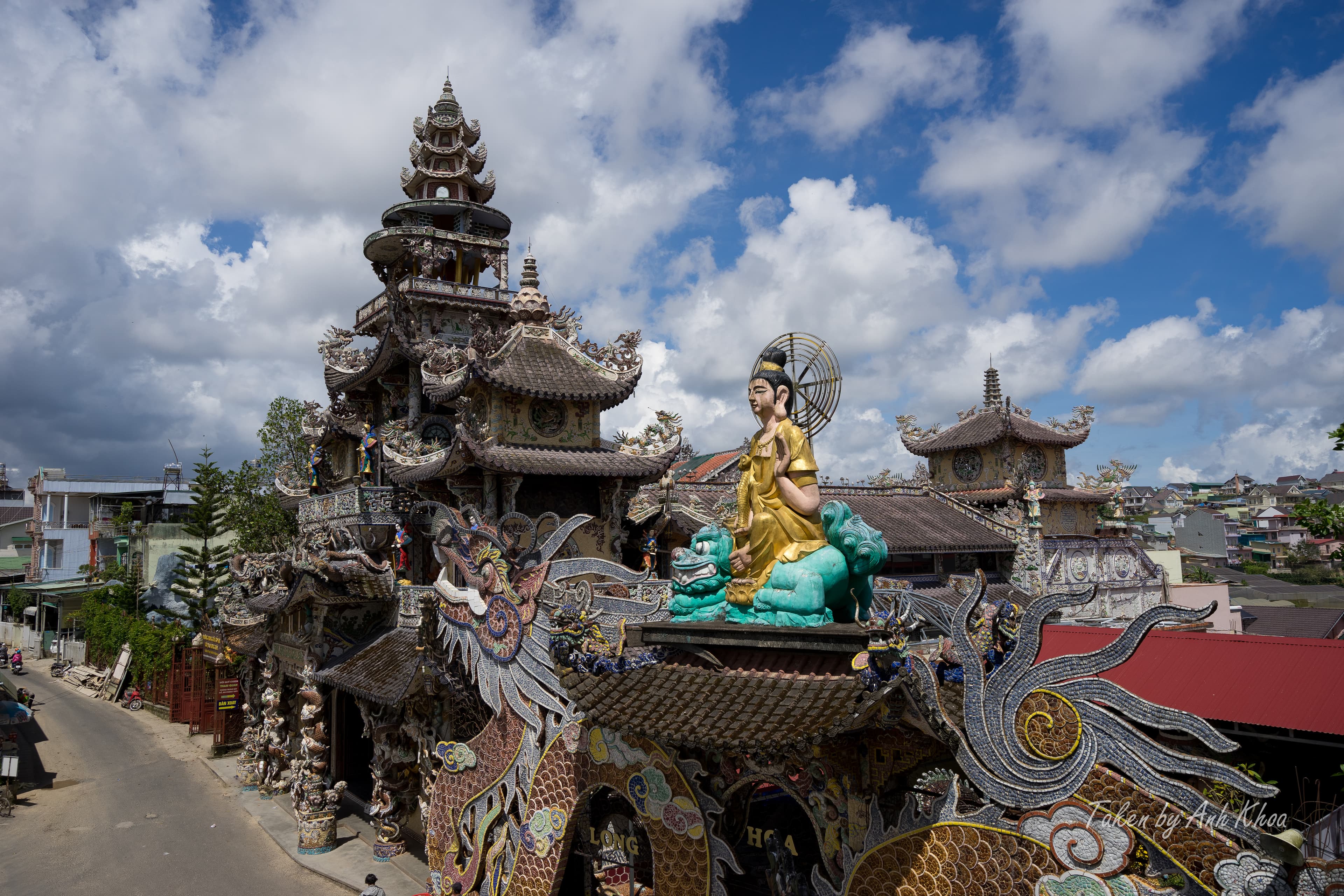
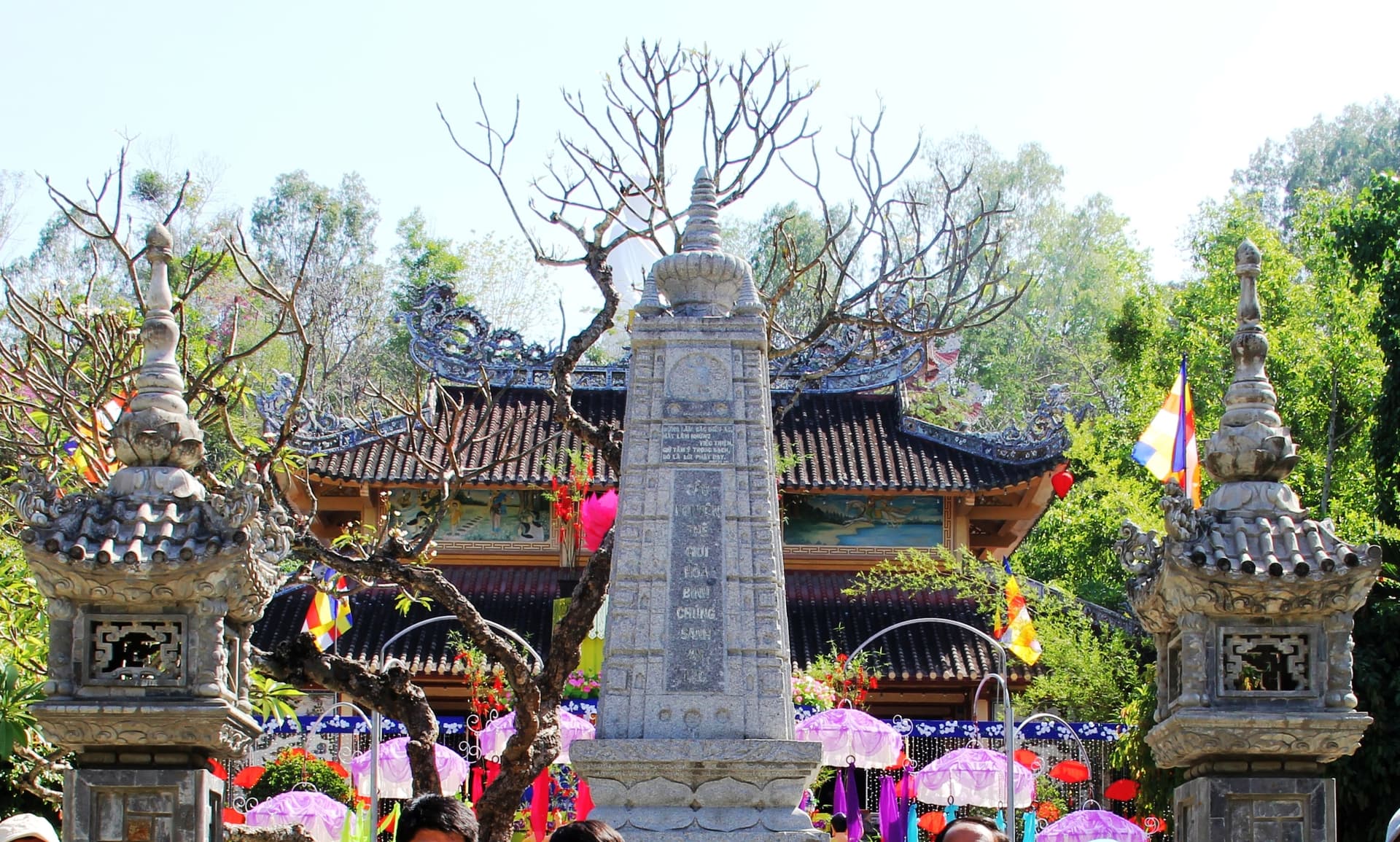
Linh Phước Pagoda in Đà Lạt, Lâm Đồng, Vietnam. Image source · CC BY-SA 2.0
Visit essentials
A quick read before you go
- Duration
- Plan enough time to see the worship core without rushing from one mosaic feature to another.
- Access
- The strong Places match lists Linh Phước at 120 Tự Phước in the Trại Mát area of Đà Lạt.
Overview
Arranged ceramic fragments cover architecture and sculpture with color and intricate labor, but this visual abundance serves a working pagoda. Śākyamuni anchors its teaching tradition, while Avalokiteśvara gives compassion a prominent devotional presence.
Visitors drawn by distinctive craft and worshippers enter with different attention; photography must not displace prayer. Move slowly from overall form to detail, then return to the altar relationship giving those details purpose. Reused fragments may suggest repair or transformation to observers, but sources authorize no mystical material claim. Collective craft has made Buddhist images and teachings unusually tangible.
Why this place is sacred
The shift from broken piece to patterned whole can invite reflection on interdependence and patient work. That is an interpretation of visible craft, not proof that the mosaics possess healing energy. Sacred weight comes from the way this labor frames Buddha and bodhisattva devotion within an active community. Sound, bright color, incense, and crowded movement may compete for attention; returning to one image can restore a more disciplined gaze.
The pagoda supports Vietnamese Mahayana worship through a richly crafted devotional environment.
Active prayer and monastic care now share the celebrated ceramic complex with heavy cultural visitation.
Experience and orientation
At first the quantity of ornament can make the eye restless. Choose a single wall, dragon form, or image and observe how fragments create line and scale. Then identify whether that feature directs attention toward Śākyamuni, Avalokiteśvara, or another altar relationship. Give worshippers clear space and avoid stepping backward into them while composing photographs. The most useful visit alternates close looking with quiet orientation.
Locate the main halls, central devotional images, public mosaic areas, and monastic boundaries before following details.
Context and lineage
The sources verify the site, its Ve Chai name, its elaborate ceramic art, and devotion to the Buddha and compassionate bodhisattva. They do not provide support for every record claim or popular story repeated in travel marketing. The page therefore avoids unverified measurements and superlatives. No UNESCO World Heritage inscription is claimed for the pagoda.
Vietnamese Mahayana Buddhism gives the ceramic images their religious vocabulary and living use.
Śākyamuni Buddha
teacher and central Buddhist devotional focus
Avalokiteśvara
bodhisattva of compassion honored in the complex
Traditions and practice
Devotees may bow, light incense, offer flowers, or recite before Buddhist images. Visitors should learn the local altar sequence by observation. The crafted surfaces do not invite touching, and their beauty does not create permission to reproduce a rite for a photograph.
Monastic life and lay devotion continue while the pagoda receives visitors interested in its mosaic art.
Choose one compassionate image and notice how craft directs attention toward the quality it represents.
Vietnamese Mahayana Buddhism
ActiveLinh Phước joins devotion to Śākyamuni and Avalokiteśvara with an unusually elaborate ceramic sacred environment.
Prayer, bows, incense, offerings, recitation, and monastic care follow the pagoda's guidance.
Perspectives and open questions
Craft history, material reuse, Buddhist iconography, living devotion, and mass tourism all shape how the pagoda is seen.
Scholarly perspective
The mosaic program can be studied as material culture and collective labor, but formal analysis should not erase its altar context. Likewise, a devotional reading need not make unsupported claims about the physical properties of ceramic. The strongest interpretation connects making, image, and repeated religious use.
Living and traditional perspectives
Śākyamuni and Avalokiteśvara orient the environment toward awakening and compassion rather than visual novelty.
Open questions
No energy, luck, or healing result is guaranteed by touching or circling any feature.
Plan your visit
Access and arrival
The strong Places match lists Linh Phước at 120 Tự Phước in the Trại Mát area of Đà Lạt. Opening hours were unavailable in the research, so check current access directly.
Stay in a currently licensed Đà Lạt property; this active worship complex does not advertise guest rooms in the reviewed evidence.
Respectful visit
Wear modest clothing suitable for an active pagoda and prepare for Đà Lạt's variable weather.
Avoid flash near worship, do not stage poses at occupied altars, and keep tripods out of circulation.
Use only marked incense, flower, or donation locations; leave no object in a mosaic niche.
Monastic rooms, altar platforms, closed towers, and conserved surfaces remain outside public access.
Do not turn reuse of ceramic fragments into an unsupported promise of personal healing or transformation.
Current practical details
Address
WFR5+57X, 120 Tự Phước, Trại Mát, Xuân Trường - Đà Lạt, Lâm Đồng 550000, Vietnam
Hours, fees, and access can change — verify on the official source before you travel. Practical details last checked Jul 2026.
Location
Map loads as you approach this section.
Pilgrim reflections
A portrait of encounter, not a score
Pilgrims describe what they felt, how present they could become, and whether the place would shape a journey. There are no stars and no ranking of traditions.
No reviewed reflections yet
The first pilgrims can help describe the character of being here.
Share a reflection
Available after an account-backed “Been there.” Every reflection is reviewed before publication.
Nearby sacred places
Explore other sacred places in the region. Proximity does not establish access or travel time; check each place’s guidance.
References
Sources consulted for this page. Source categories describe the publication, not a guarantee that every claim is verified. Traditional accounts and outside interpretations may differ.
- 01Official heritage or tourism context for Linh Phước Pagoda — Vietnam National Authority of Tourism or responsible heritage authorityofficialSupports the site's physical, cultural, religious, or visitor context.
- 02Chùa Linh Phước — Lâm Đồng provincial tourism portalofficialExact pagoda identity and visitor context.
- 03Địa chí Đà Lạt: Buddhist institutions — Lâm Đồng provincial governmentofficialExact founding, mosaic architecture, principal Śākyamuni image, and active Buddhist context.
- 04Linh Phước Pagoda — Vietnam National Authority of TourismofficialExact national-tourism source for the pagoda and devotional art.
- 05Linh Phước Temple — Wikipedia — Wikipedia contributorsacademicCorroborates identity, location, and basic historical context; key claims are framed conservatively.
- 06Google Maps listing for Linh Phước Pagoda — Google MapsSource contextUsed only for strong-match coordinates and practical fields.
Pilgrim glossary
- Kannon
- The bodhisattva of compassion, central to many East Asian pilgrimage routes.
- Bodhisattva
- An enlightened being who postpones full nirvana to help others toward awakening.
Share a photo
Help visitors recognize Linh Phước Pagoda. Every submission is reviewed before publication.