Quan Thế Âm Pagoda
Quán Thế Âm Pagoda: compassion practiced at the foot of Kim Sơn
Understand sacred places, explore living traditions, and learn how to engage respectfully with Pilgrim Map.
Access has not been verified. Check current local guidance before planning a visit.
Ngũ Hành Sơn, Da Nang, Vietnam
Read the sources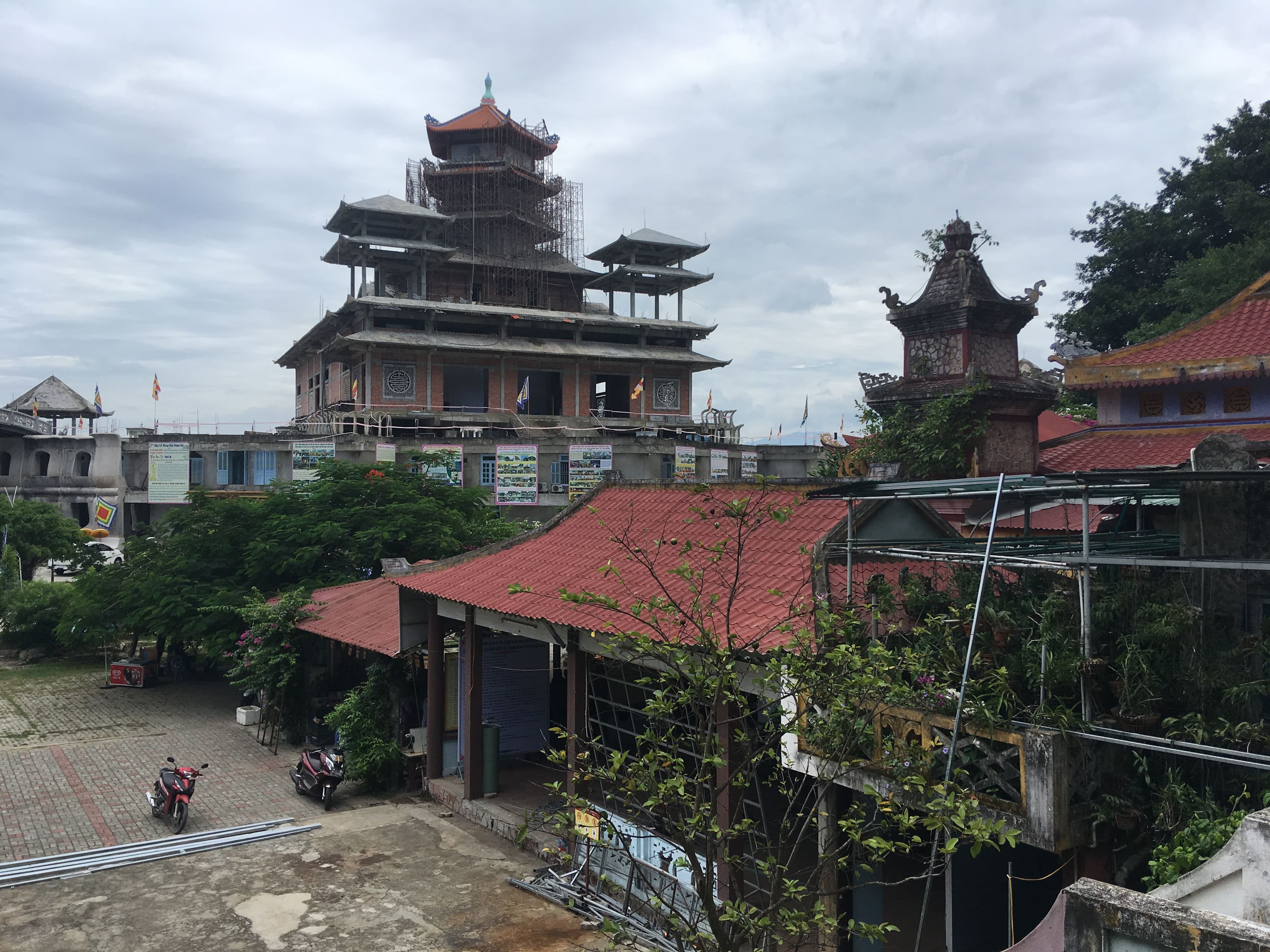
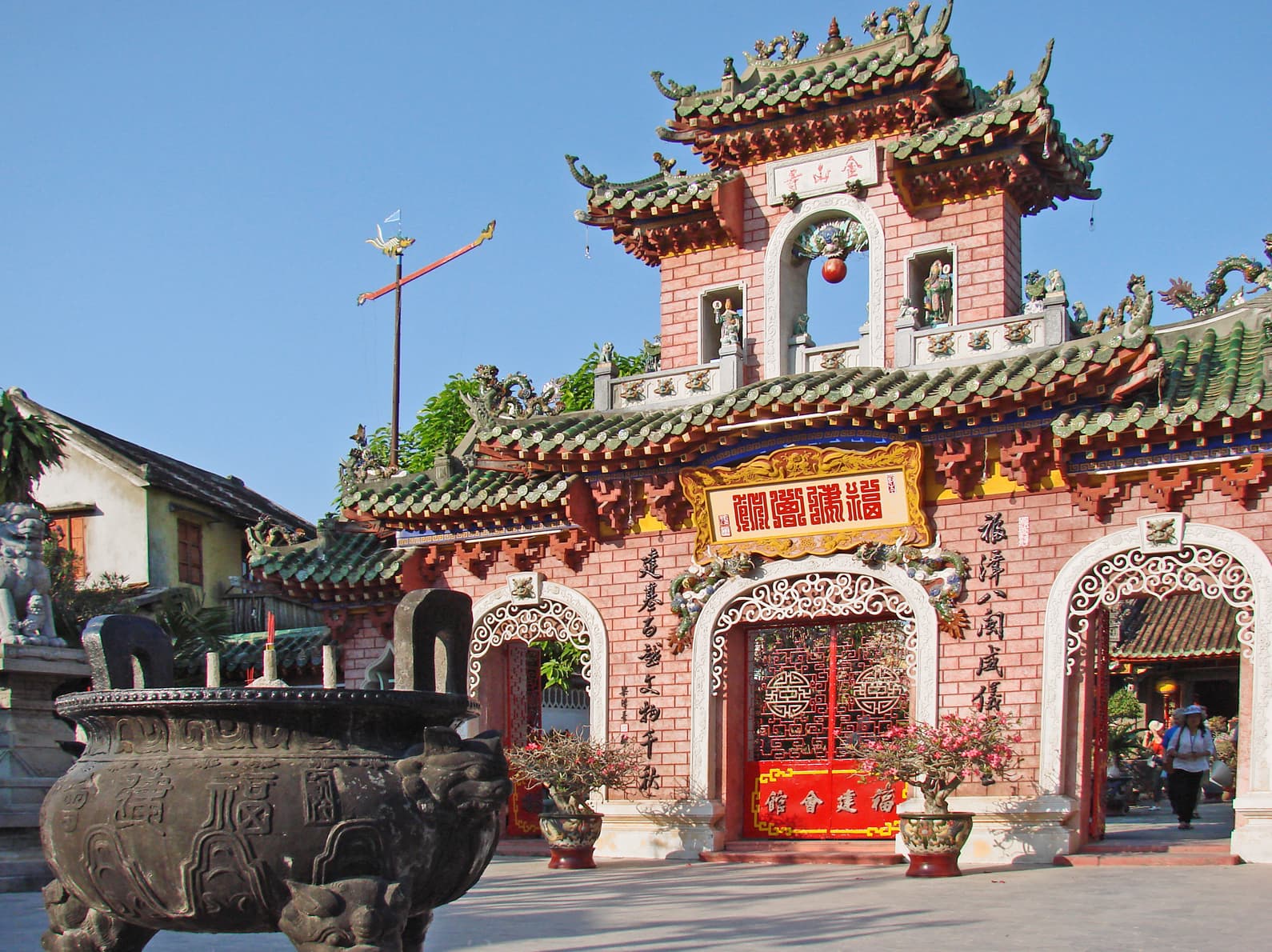
Quan Thế Âm Pagoda in Ngũ Hành Sơn, Đà Nẵng, Vietnam. Image source · CC BY-SA 4.0
Visit essentials
A quick read before you go
- Duration
- Allow more time during festivals and keep plans flexible around services.
- Access
- The strong Places match supports the pagoda identity; verify hours and festival entry through…
Overview
The pagoda's identity is inseparable from Quan Thế Âm, the bodhisattva understood to hear the cries of beings. Worship may be intimate on an ordinary day and publicly collective during the festival. That change of scale is important: a courtyard that normally supports local prayer can become a route for processions, teaching, and large gatherings. Visitors should not treat festival color as entertainment detached from vows and offerings.
The Marble Mountains setting adds caves and dramatic rock nearby, but the pagoda has its own altar order and institution. It must not borrow stories from another Linh Ứng or Quan Âm site simply because the same bodhisattva is honored there.
Why this place is sacred
Quan Thế Âm devotion begins with responsiveness to suffering. The festival enlarges that relationship through shared prayer, ritual, and cultural transmission. Crowds can intensify emotion, but the sacred meaning is not crowd energy. It lies in vows, acts of care, and the repeated gathering of a community around the bodhisattva. On quieter days, the same meaning persists through ordinary worship.
The pagoda serves Buddhist practice focused on Avalokiteśvara within the Marble Mountains community.
Daily temple life and a major annual observance now coexist with regional tourism.
Experience and orientation
On a normal day, altar activity and monastic routine should set the rhythm. During a festival, follow the marked flow and expect temporary boundaries. In either case, identify the Quan Thế Âm focus before exploring related art or nearby landscape. Do not stop inside a procession route, and never use a praying group as a visual prop. When conditions allow, a quiet period near the edge of the worship area can show how compassion is represented in gesture and image.
Locate the main Avalokiteśvara altar, public courtyard, festival circulation, and monastic boundaries.
Context and lineage
The reviewed sources establish the pagoda, its Quan Thế Âm dedication, and the annual festival association. They do not settle every foundation story or current event schedule. Because several regional temples share names and bodhisattva dedications, entity scope is crucial. No stand-alone UNESCO World Heritage status is claimed.
Vietnamese Mahayana Buddhism frames both ordinary altar practice and the festival.
Avalokiteśvara (Quan Thế Âm)
bodhisattva of compassion and festival focus
Traditions and practice
Devotees may bow, light incense, chant, or recite the bodhisattva's name. Festival practice can add processions, teaching, and collective observance. Visitors should join only when an open public form is clearly indicated and should not imitate clergy or ritual leaders.
Monastic worship, lay devotion, cultural transmission, and pilgrimage remain active.
Listen to one recitation or teaching from outside the main flow and reflect on compassionate response.
Vietnamese Mahayana Buddhism
ActiveThe pagoda centers Avalokiteśvara's compassion in daily worship and a recurring public festival.
Prayer, name-recitation, bows, offerings, teaching, processions, and community service follow temple direction.
Perspectives and open questions
Festival study matters here because compassion moves from a bodhisattva image into public gathering and service.
Scholarly perspective
Festivals are not additions to an otherwise static monument. They are moments when religious identity is reproduced through movement, sound, teaching, and shared labor. Analysis should therefore include organizers and devotees, not only architecture or attendance.
Living and traditional perspectives
Quan Thế Âm is honored through the vow to hear suffering; compassion is an ethical demand as well as a petition for help.
Open questions
No healing, protection, or visionary experience is guaranteed by attendance.
Plan your visit
Access and arrival
The strong Places match supports the pagoda identity; verify hours and festival entry through current temple or city information.
Use licensed Đà Nẵng lodging; the pagoda is not presented as visitor accommodation.
Respectful visit
Cover shoulders and knees and prepare for heat or rain in outdoor gatherings.
Observe temporary festival rules and never interrupt recitation for an image.
Use only accepted incense, flowers, donations, or food at marked points.
Ceremonial platforms, monastic rooms, and crowd-control barriers remain closed.
Do not confuse participation in a public festival with unrestricted access to every rite.
Current practical details
Address
48 Sư Vạn Hạnh, Ngũ Hành Sơn, Đà Nẵng 550000, Vietnam
Phone
Hours
Hours, fees, and access can change — verify on the official source before you travel. Practical details last checked Jul 2026.
Location
Map loads as you approach this section.
Pilgrim reflections
A portrait of encounter, not a score
Pilgrims describe what they felt, how present they could become, and whether the place would shape a journey. There are no stars and no ranking of traditions.
No reviewed reflections yet
The first pilgrims can help describe the character of being here.
Share a reflection
Available after an account-backed “Been there.” Every reflection is reviewed before publication.
Nearby sacred places
Explore other sacred places in the region. Proximity does not establish access or travel time; check each place’s guidance.
References
Sources consulted for this page. Source categories describe the publication, not a guarantee that every claim is verified. Traditional accounts and outside interpretations may differ.
- 01Official heritage or tourism context for Quan Thế Âm Pagoda — Vietnam National Authority of Tourism or responsible heritage authorityofficialSupports the site's physical, cultural, religious, or visitor context.
- 02Quan Thế Âm Ngũ Hành Sơn Festival — Da Nang City portalofficialOfficial evidence for the named annual Quan Thế Âm festival.
- 03Vietnamese-language reference search for Chùa Quán Thế Âm — Vietnamese Wikipedia contributorsacademicDiscovery reference only; unsupported details were not promoted into factual prose.
- 04Google Maps listing for Quan Thế Âm Pagoda — Google MapsSource contextUsed only for strong-match coordinates and practical fields.
Pilgrim glossary
- Kannon
- The bodhisattva of compassion, central to many East Asian pilgrimage routes.
- Bodhisattva
- An enlightened being who postpones full nirvana to help others toward awakening.
Share a photo
Help visitors recognize Quan Thế Âm Pagoda. Every submission is reviewed before publication.