Quan Âm Phật Đài
Nam Hải Quan Âm: compassion turned toward the uncertainty of the sea
Understand sacred places, explore living traditions, and learn how to engage respectfully with Pilgrim Map.
Access has not been verified. Check current local guidance before planning a visit.
Bạc Liêu, Cà Mau, Vietnam
Read the sources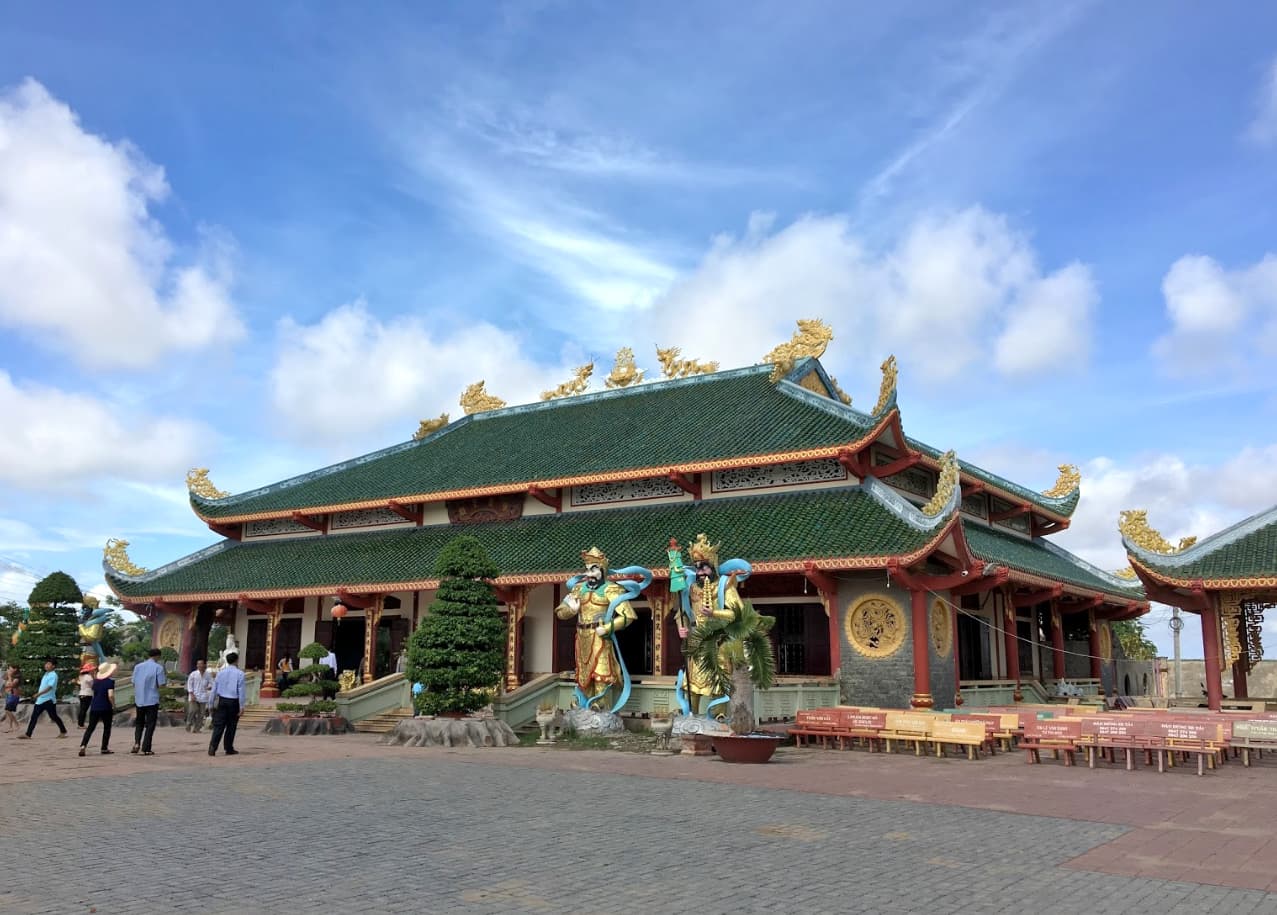
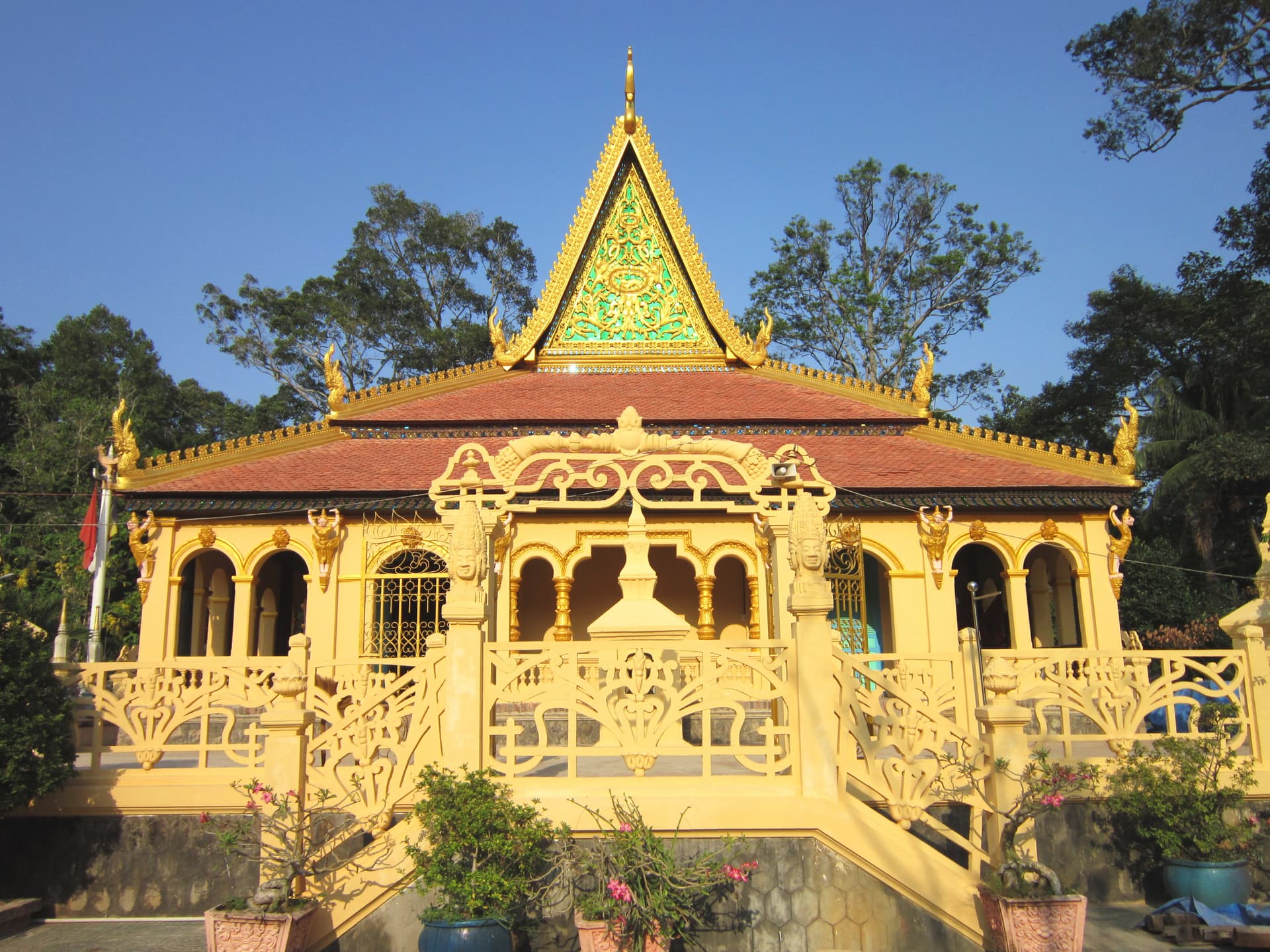
Quan Âm Phật Đài in Bạc Liêu, Bạc Liêu, Vietnam. Image source · CC0
Visit essentials
A quick read before you go
- Duration
- Leave enough time for worship and shoreline orientation without staying through unsafe weather.
- Access
- The strong Places record lists Quan Âm Phật Đài on Đường Trường Sa in Bạc Liêu, with a phone and…
Overview
Facing the sea gives the compassionate bodhisattva a particular devotional context. Water can sustain life and passage while remaining unpredictable; Nam Hải Quan Âm is approached within that tension. The sanctuary allows petitions for protection to be expressed through prayer, incense, bows, and gathering, but it should never be described as making travel physically risk-free. Avalokiteśvara's meaning begins with hearing suffering and responding compassionately.
Visitors who arrive for the coastal image should therefore look beyond scale and direction toward the human concerns carried into worship. Wind, salt air, weather, and open horizon may intensify emotion, yet those conditions do not prove a metaphysical force. The research supports active coastal devotion and pilgrimage-like gathering, but no named pilgrimage route is documented. The page consequently uses “sanctuary” and “worship” without manufacturing route membership.
Why this place is sacred
The coast resists control. That physical truth gives prayers for safe passage a grounded urgency while the image of Quan Âm directs attention toward compassionate response. Wind and distance can make the setting feel expansive, but sacredness is sustained by repeated petitions, offerings, and community care. Neither the statue nor a visit removes ordinary maritime danger.
The sanctuary centers Vietnamese Mahayana devotion to Avalokiteśvara in the sea-facing form known as Nam Hải Quan Âm.
Local worship and larger devotional gathering now coexist with public coastal visitation and the practical demands of an exposed site.
Experience and orientation
The horizon may claim attention first. Turn back toward the devotional route and see how the image mediates between shore, altar, and arriving people. On crowded days, petitions can be private even when the space is public; avoid stopping directly in front of someone who is praying. Weather can change quickly, so reverence includes following safety or closure instructions without insisting on a planned view.
Identify the main Quan Âm image, offering and prayer areas, congregation routes, exposed edges, and any operational boundary.
Context and lineage
The reviewed sources establish the exact institution, its sea-facing compassionate focus, and living prayers for protection and safe passage. Details of the foundation and the present ceremonial calendar remain incomplete in those sources. No UNESCO World Heritage status is claimed, and the page does not borrow miracles from other Nam Hải Quan Âm shrines.
Vietnamese Mahayana Buddhism frames protection through compassion, prayer, ethical response, and bodhisattva devotion.
Avalokiteśvara as Nam Hải Quan Âm
compassionate bodhisattva and central focus of coastal devotion
Traditions and practice
Worshippers may bow, light incense, present offerings, or recite Quan Âm's name. Requests for safe passage are devotional petitions, not guarantees. Visitors should watch the local altar sequence and join only where custodians clearly welcome it.
Coastal worship, group devotion, community care, and public visitation remain active.
Hold the sea and the bodhisattva in the same field of view while reflecting on protection as responsibility rather than control.
Vietnamese Mahayana Buddhism
ActiveThe coastal sanctuary gives sea-facing form to Avalokiteśvara's compassion and prayers for safe passage.
Name-recitation, bows, incense, offerings, petitions, and communal worship follow sanctuary guidance.
Perspectives and open questions
Compassion theology, maritime vulnerability, embodied prayer, public symbolism, and coastal management intersect here.
Scholarly perspective
Sea-facing Avalokiteśvara devotion can be understood as a religious response to uncertainty and mobility. Geography helps explain the emphasis on protection without proving supernatural intervention. Institutional and visitor practices show how a large image becomes part of a living regional sacred landscape.
Living and traditional perspectives
Nam Hải Quan Âm hears suffering and embodies compassionate aid; devotees approach her with trust while remaining responsible for conduct and safety.
Open questions
Stories of miraculous rescue are not included because prevalence and independent support were not established in the research.
Plan your visit
Access and arrival
The strong Places record lists Quan Âm Phật Đài on Đường Trường Sa in Bạc Liêu, with a phone and official website. Reconfirm hours and closures through those channels.
Use licensed Bạc Liêu lodging; no accommodation within the sanctuary is represented.
Respectful visit
Choose respectful temple dress that also works in Bạc Liêu's exposed coastal weather.
Do not use worshippers as foreground scenery or fly equipment where it disrupts prayer and safety.
Use marked incense, flower, or donation points and leave nothing on the shore.
Respect altar platforms, crowd barriers, weather closures, and any area reserved for ceremony or maintenance.
Never substitute prayer for weather, transport, or maritime safety advice, and do not amplify miracle claims absent from the research.
Current practical details
Address
Đường Trường Sa, Nhà Mát, Bạc Liêu, Vietnam
Phone
Hours
Hours, fees, and access can change — verify on the official source before you travel. Practical details last checked Jul 2026.
Location
Map loads as you approach this section.
Pilgrim reflections
A portrait of encounter, not a score
Pilgrims describe what they felt, how present they could become, and whether the place would shape a journey. There are no stars and no ranking of traditions.
No reviewed reflections yet
The first pilgrims can help describe the character of being here.
Share a reflection
Available after an account-backed “Been there.” Every reflection is reviewed before publication.
Nearby sacred places
Explore other sacred places in the region. Proximity does not establish access or travel time; check each place’s guidance.
References
Sources consulted for this page. Source categories describe the publication, not a guarantee that every claim is verified. Traditional accounts and outside interpretations may differ.
- 01Bạc Liêu: Lễ vía Bồ-tát Quán Thế Âm tại Quan Âm Phật Đài — Giáo hội Phật giáo Việt NamofficialExact Buddhist-authority report for Quan Âm Phật Đài, the Quán Thế Âm focus, worship, pilgrimage, and annual observances.
- 02Trang nghiêm lễ kỳ an tại Quán Âm Phật Đài — Giáo hội Phật giáo Việt NamofficialExact Buddhist-authority report corroborating the institution, its management, the Quán Âm image, prayer, chanting, and active pilgrimage.
- 03National Assembly approves provincial-level administrative reorganization — Government of Viet NamofficialAuthoritative 2025 successor-province and municipality boundaries.
- 04Quan Âm Phật Đài — Google PlacesofficialStrong exact-entity practical metadata from the authoritative current preflight.
- 05Vietnamese-language reference search for Nam Hải Quan Âm — Vietnamese Wikipedia contributorsacademicDiscovery reference only; unsupported details were not promoted into factual prose.
Pilgrim glossary
- Kannon
- The bodhisattva of compassion, central to many East Asian pilgrimage routes.
- Bodhisattva
- An enlightened being who postpones full nirvana to help others toward awakening.
Share a photo
Help visitors recognize Quan Âm Phật Đài. Every submission is reviewed before publication.