Dơi Pagoda
Dơi Pagoda: Buddha practice beneath a living canopy of fruit bats
Understand sacred places, explore living traditions, and learn how to engage respectfully with Pilgrim Map.
Access has not been verified. Check current local guidance before planning a visit.
Phú Lợi, Cần Thơ, Vietnam
Read the sources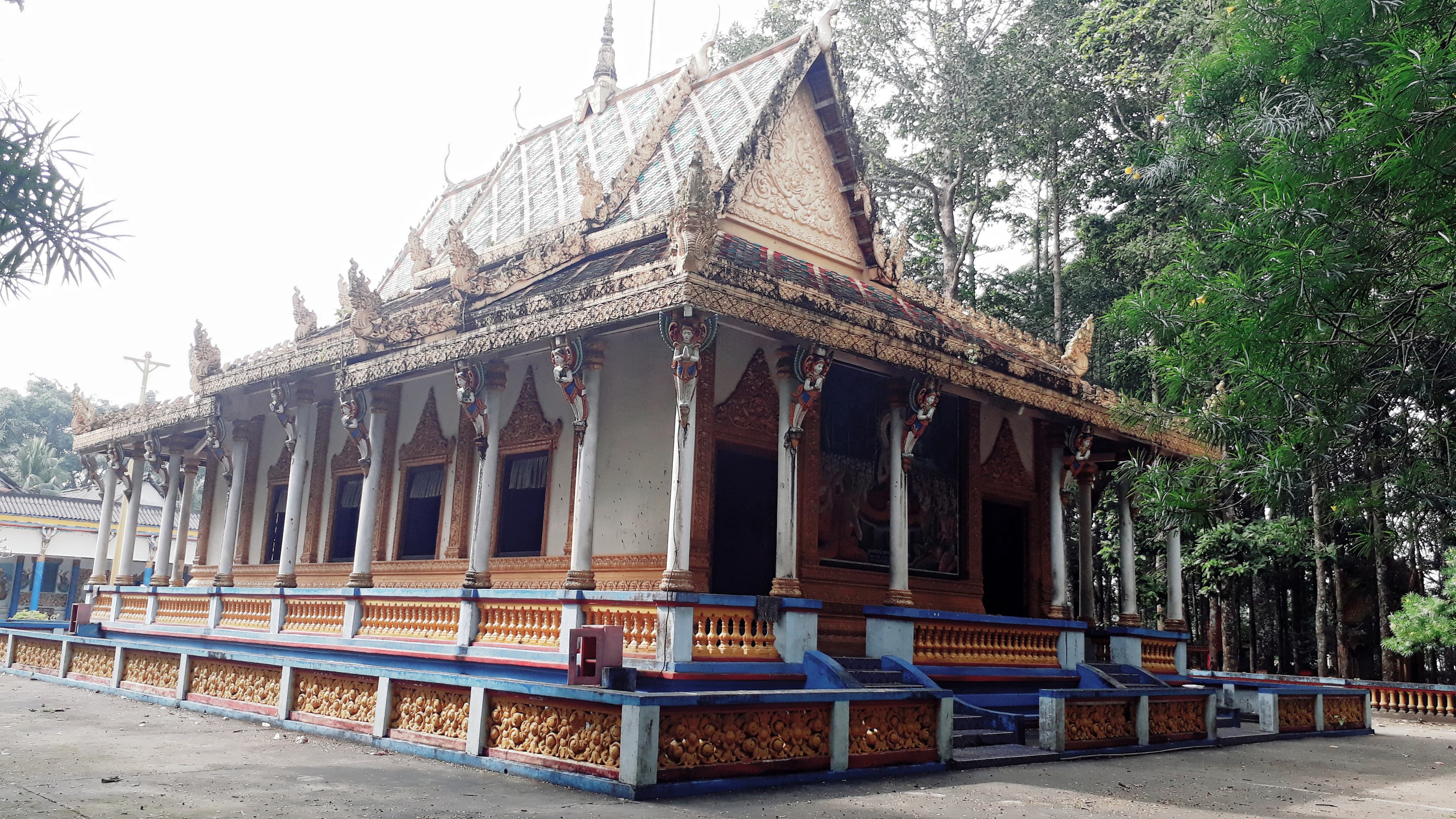
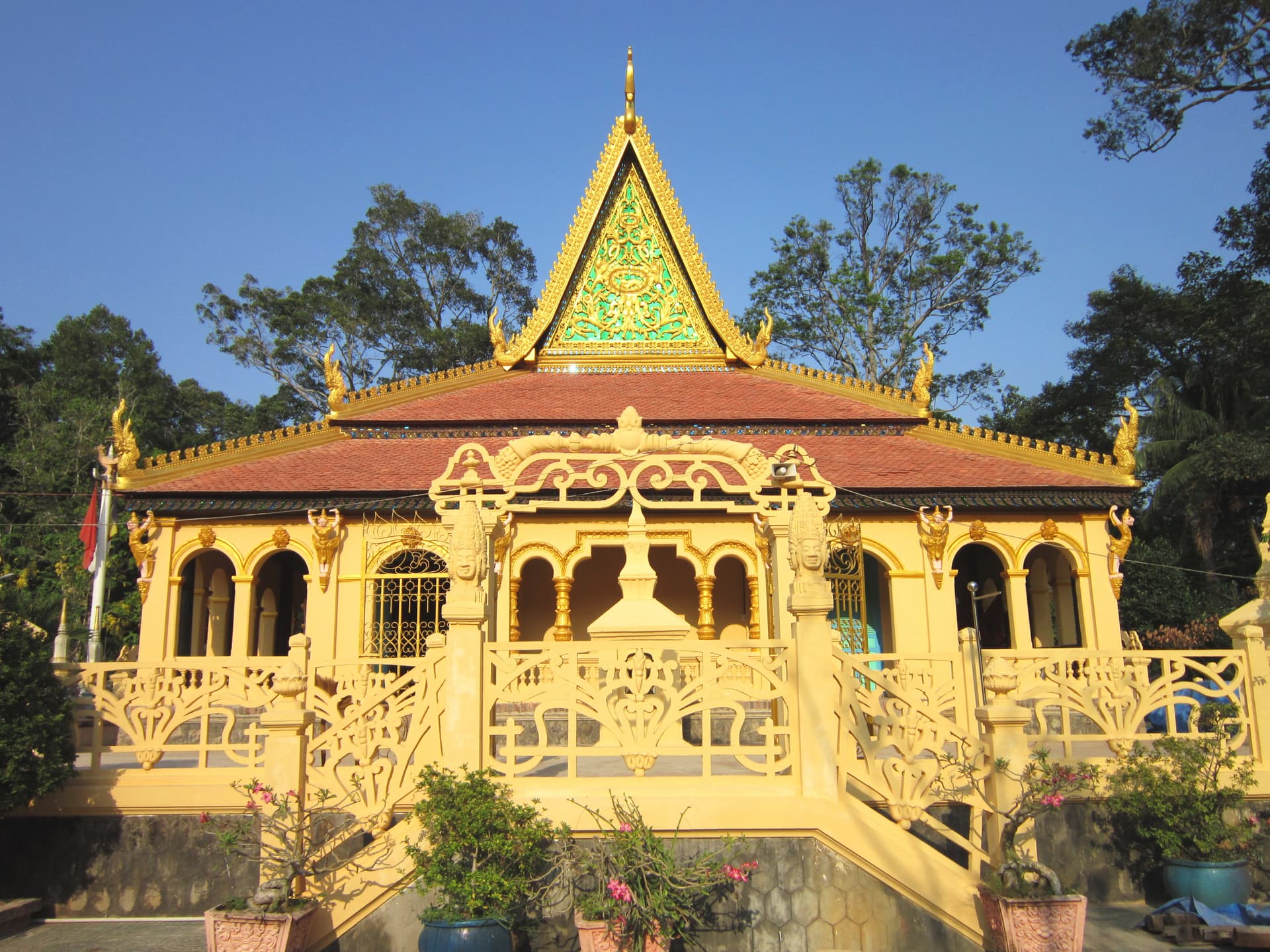
Dơi Pagoda in Sóc Trăng, Sóc Trăng, Vietnam. Image source · CC BY-SA 2.0
Visit essentials
A quick read before you go
- Duration
- Leave time for both the worship hall and quiet observation from authorized paths.
- Access
- A strong Places match identifies Dơi Pagoda in the Sóc Trăng area.
Overview
Fruit bats change how the grounds are heard and seen, with bodies hanging above paths and movement gathering in the canopy. This coexistence shapes the pagoda's public identity without displacing Khmer Buddhist life. Monks, worshippers, and community members maintain a monastery oriented toward Śākyamuni, while the protected animals depend on human restraint.
Visitors should neither interrupt worship nor disturb wildlife for a clearer photograph. Research describes a protected colony and shared precinct, not bats that confer luck, recognize spiritual purity, or act as supernatural guardians. Their presence can deepen reflection on coexistence without becoming a metaphysical claim.
Why this place is sacred
Dơi Pagoda's threshold includes awareness above the usual eye line. The canopy is inhabited, and human behavior affects creatures that have become part of the place's continuity. Buddhist attention to conduct can therefore be understood through very practical care: lowering noise, leaving roosts undisturbed, and accepting that the best view may be the one not pursued. Sacredness lies in the maintained relationship, not in an alleged power of the animals.
The pagoda serves Khmer Theravada worship and monastic community centered on Śākyamuni Buddha.
Religious life now coexists with public interest in the bat colony and the need for ongoing ecological protection.
Experience and orientation
Begin with the worship core so that the bats are encountered within the pagoda's actual purpose. Outside, use existing paths and keep a respectful distance from roosting trees. Sudden noise, thrown objects, flash, or attempts to provoke flight are incompatible with the shared precinct. Smell, sound, and activity may vary with weather and time; receive those conditions without demanding a dramatic encounter.
Locate the vihara, monastic spaces, visitor paths, roosting canopy, and any protected area before choosing where to pause.
Context and lineage
The sources establish Chùa Dơi, its Khmer Theravada identity, and the coexistence of worship with protected fruit bats. They do not resolve every story told about why the colony remains. Such accounts should not be promoted as biological or spiritual fact. The pagoda is not independently inscribed as UNESCO World Heritage.
Khmer Theravada Buddhism organizes the monastic and devotional life within which ecological stewardship occurs.
Śākyamuni Buddha
principal object of Theravada reverence
Traditions and practice
Prayer may include bows, chanting, offerings, and listening to monks according to local custom. Wildlife observation is not itself a temple rite. A guest can connect the two through restraint—remaining quiet, avoiding waste, and leaving all beings and religious objects undisturbed.
Monastic routine, Khmer community worship, visitor education, and bat protection operate in the same compound.
Alternate attention between one Buddha image and the canopy, considering how care changes across sacred and ecological relationships.
Khmer Theravada Buddhism
ActiveDơi Pagoda sustains Buddha worship and Khmer monastic life within a precinct shared with protected fruit bats.
Bows, chanting, offerings, teaching, meditation, and community observance continue alongside wildlife care.
Perspectives and open questions
Khmer Buddhist devotion and wildlife stewardship are parallel responsibilities, not competing attractions.
Scholarly perspective
The bat colony makes the site relevant to cultural and ecological study, but interpretation should avoid inventing causation. Religious protection may shape human behavior around the animals, while biological factors also matter. The available research supports coexistence and stewardship rather than a miraculous explanation.
Living and traditional perspectives
Within Theravada practice, reverence for the Buddha and disciplined conduct provide the religious center of the compound.
Open questions
Claims that the bats choose the site through supernatural knowledge or confer blessings are not established. Detailed spiritual interpretation is anchored chiefly in the national tourism authority's Dơi Pagoda article; visitors should verify current rites with the resident community.
Plan your visit
Access and arrival
A strong Places match identifies Dơi Pagoda in the Sóc Trăng area. Previously fetched map details should be reconfirmed because hours and access can change.
Use licensed accommodation in Sóc Trăng; no visitor lodging is represented within the monastery.
Respectful visit
Wear modest clothing for the monastery and practical footwear for outdoor grounds.
Avoid flash, drones, or any action intended to make bats fly; ask before photographing monks or prayer.
Use approved altar or donation places and never leave food for wildlife.
Roosting trees, monastic quarters, altar platforms, and marked conservation zones must not be entered or touched.
Never feed, touch, chase, illuminate, or throw anything toward the bats, and do not assign them prophetic meaning.
Current practical details
Address
Văn Ngọc Chính, khu vực 23, Phú Lợi, Cần Thơ, Vietnam
Hours, fees, and access can change — verify on the official source before you travel. Practical details last checked Jul 2026.
Location
Map loads as you approach this section.
Pilgrim reflections
A portrait of encounter, not a score
Pilgrims describe what they felt, how present they could become, and whether the place would shape a journey. There are no stars and no ranking of traditions.
No reviewed reflections yet
The first pilgrims can help describe the character of being here.
Share a reflection
Available after an account-backed “Been there.” Every reflection is reviewed before publication.
Watch deeper
Films, episodes, and recorded talks for visitors who want more context before or after a visit. Speculative and alternative-history entries are labelled as perspectives, not as sources for established claims.
Nearby sacred places
Explore other sacred places in the region. Proximity does not establish access or travel time; check each place’s guidance.
References
Sources consulted for this page. Source categories describe the publication, not a guarantee that every claim is verified. Traditional accounts and outside interpretations may differ.
- 01Doi Pagoda of the Khmer — Viet Nam National Authority of TourismofficialExact national-tourism record for the Khmer Theravada temple, seated Buddha in the main hall, Buddha-life murals, resident worship, and festival practice.
- 02National Assembly approves provincial-level administrative reorganization — Government of Viet NamofficialAuthoritative 2025 successor-province and municipality boundaries.
- 03Chùa Dơi — Google PlacesofficialStrong exact-entity practical metadata from the authoritative current preflight.
- 04Chùa Dơi — Viet Nam tourism industry databaseofficialLive exact-site record for Mã Tộc/Dơi identity, Śākyamuni and Mucalinda images, Buddha-life murals, sangha space, and national monument status.
- 05Vietnamese-language reference search for Chùa Dơi — Vietnamese Wikipedia contributorsacademicDiscovery reference only; unsupported details were not promoted into factual prose.
Share a photo
Help visitors recognize Dơi Pagoda. Every submission is reviewed before publication.