Prasat Sa Kamphaeng Yai
Khmer Hindu stone, later Buddhism, and present stewardship share one enclosure
Understand sacred places, explore living traditions, and learn how to engage respectfully with Pilgrim Map.
Access has not been verified. Check current local guidance before planning a visit.
Uthumphon Phisai, Si Sa Ket, Thailand
Read the sources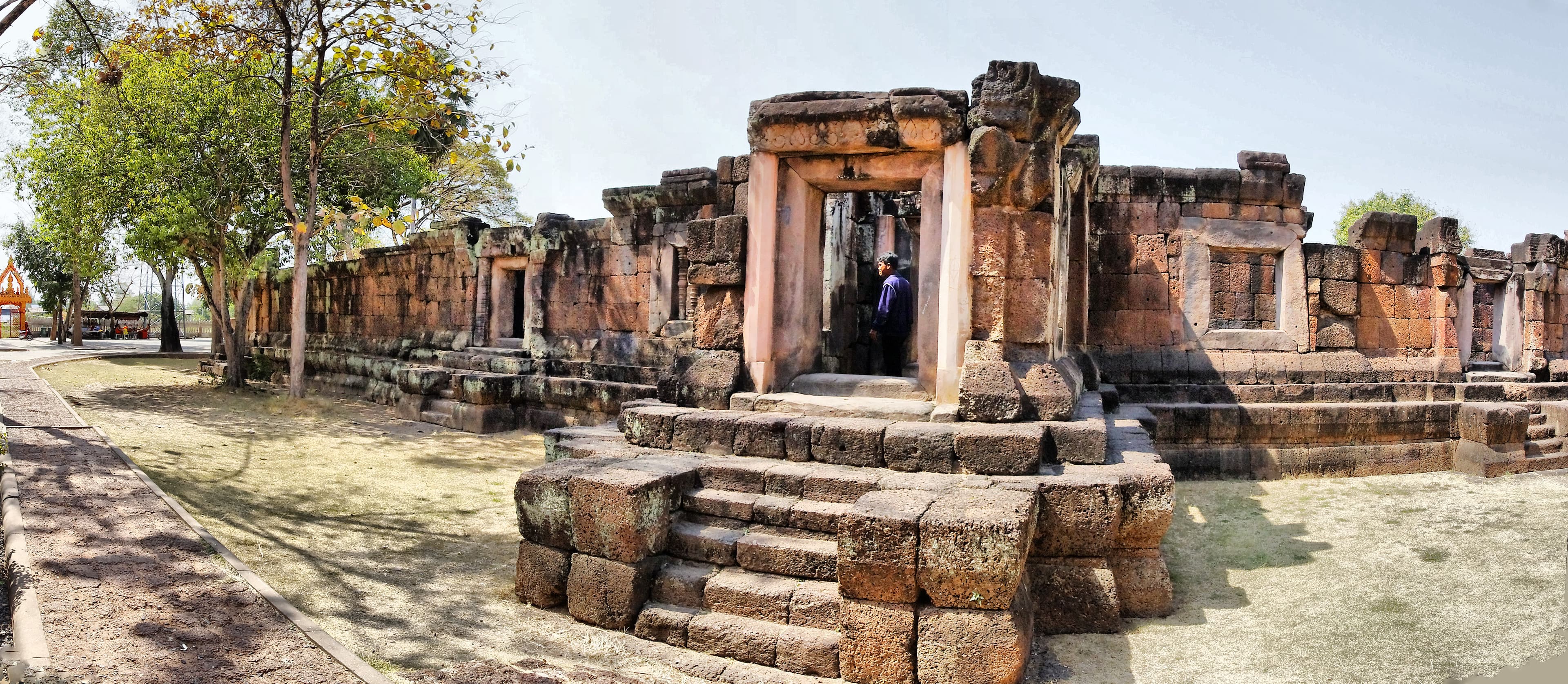
Prasat Sa Kamphaeng Yai in Uthumphon Phisai, Si Sa Ket, Thailand. Image source · CC BY-SA 3.0
Visit essentials
A quick read before you go
- Etiquette
- Protect worshippers, historic fabric, and closed thresholds.
Overview
Stone towers, lintels, enclosure, and sacred orientation originally belonged to a Khmer Hindu religious system. A large gilt bronze figure found at the site has been interpreted as Shiva, though the Fine Arts Department now preserves the question mark because its gesture complicates identification. That uncertainty matters. Shiva is a defensible central historical target, but not every carving or later Buddha image should be folded into one timeless cult.
Present Buddhist custody continues sacred use around an archaeological core whose original ritual sequence is no longer fully recoverable.
Why this place is sacred
Ancient towers beside a functioning wat can make centuries appear continuous, yet institutional and theological transitions occurred. The site does not provide evidence that Hindu and Buddhist practices remained unchanged or that a current rite reproduces Angkor-period worship. Equinox language appears in the name of a modern commemorative festival, but the reviewed sources do not establish a designed solar alignment; the astronomy flag therefore stays false. No miracle or energy claim is introduced.
Ambiguity around the bronze deity is explicitly preserved.
Experience and orientation
Read the registered monument and the adjacent active temple as related but separately governed spaces. Do not climb masonry, place incense on ancient stone, trace carvings with fingers, or stand on thresholds. Fine Arts staff oversee use during the annual retrospective event to prevent damage, demonstrating that public ceremony does not suspend conservation. Strong Places data supplies ordinary access information, but Fine Arts controls and temple activity may change it.
An exact official website for the monument itself was not independently confirmed.
Context and lineage
Fine Arts publications associate Sa Kamphaeng Yai with Khmer art of the Baphuon period and document a large bronze figure excavated there. The complex later entered a Buddhist landscape and now sits within Wat Sa Kamphaeng Yai. A modern annual retrospective event commemorates local history and the sanctuary's builders, but it is not presented as an unbroken ancient rite. The site is nationally protected archaeology, not a UNESCO World Heritage property.
Proposed construction near the monument has required Fine Arts review, underscoring the sensitivity of its boundaries.
Traditions and practice
Historical Hindu rites are interpreted through architecture, inscriptions, and objects rather than reenacted by visitors. Contemporary Buddhist worship belongs at authorized areas of the living temple. During the annual retrospective event, follow marked circulation and staff instructions; costumes or performances do not license touching the monument. No named religious pilgrimage is established by the sources, so the festival creates calendar significance without pilgrimage metadata. Appropriate participation means protecting the enclosure while acknowledging both Hindu origins and Buddhist present use.
Historic Khmer Hinduism
ActiveDocumented tradition layer 1.
Thai Theravada Buddhism
ActiveDocumented tradition layer 2.
Archaeological stewardship
ActiveDocumented tradition layer 3.
Perspectives and open questions
Religious, historical, and environmental evidence remain distinct.
Scholarly perspective
Khmer art history examines tower planning, sculpture, and the possible Shiva image. Archaeology considers deposition, chronology, and changes of use. Buddhist community history explains current custody, while conservation law governs additions within and around the registered boundary. Local commemoration gives the monument public life but cannot by itself prove ancient ritual continuity. These distinct perspectives prevent a vague Hindu-Buddhist blend and make the site's sacred transformations more, rather than less, intelligible.
Fine Arts material places the principal Khmer sanctuary around the Baphuon period, roughly the eleventh century. The question mark attached to the bronze Shiva identification is editorially productive. It reminds readers that scholarly names can remain provisional even when an object is monumental and famous. Hand position, royal imagery, and Khmer court tradition permit more than one interpretation. The page therefore names Shiva as a strong historical focus without treating one sculpture as a settled portrait.
Fresh review should preserve that calibrated uncertainty rather than simplifying it for search snippets.
Plan your visit
Day-of authority overrides routine listing data.
Respectful visit
Protect worshippers, historic fabric, and closed thresholds.
Current practical details
Address
บ้านสระกำแพงใหญ่, Tambon Sa Kamphaeng Yai, Amphoe Uthumphon Phisai, Chang Wat Si Sa Ket 33120, Thailand
Hours
Hours, fees, and access can change — verify on the official source before you travel. Practical details last checked Jul 2026.
Location
Map loads as you approach this section.
Pilgrim reflections
A portrait of encounter, not a score
Pilgrims describe what they felt, how present they could become, and whether the place would shape a journey. There are no stars and no ranking of traditions.
No reviewed reflections yet
The first pilgrims can help describe the character of being here.
Share a reflection
Available after an account-backed “Been there.” Every reflection is reviewed before publication.
Watch deeper
Films, episodes, and recorded talks for visitors who want more context before or after a visit. Speculative and alternative-history entries are labelled as perspectives, not as sources for established claims.
Nearby sacred places
Explore other sacred places in the region. Proximity does not establish access or travel time; check each place’s guidance.
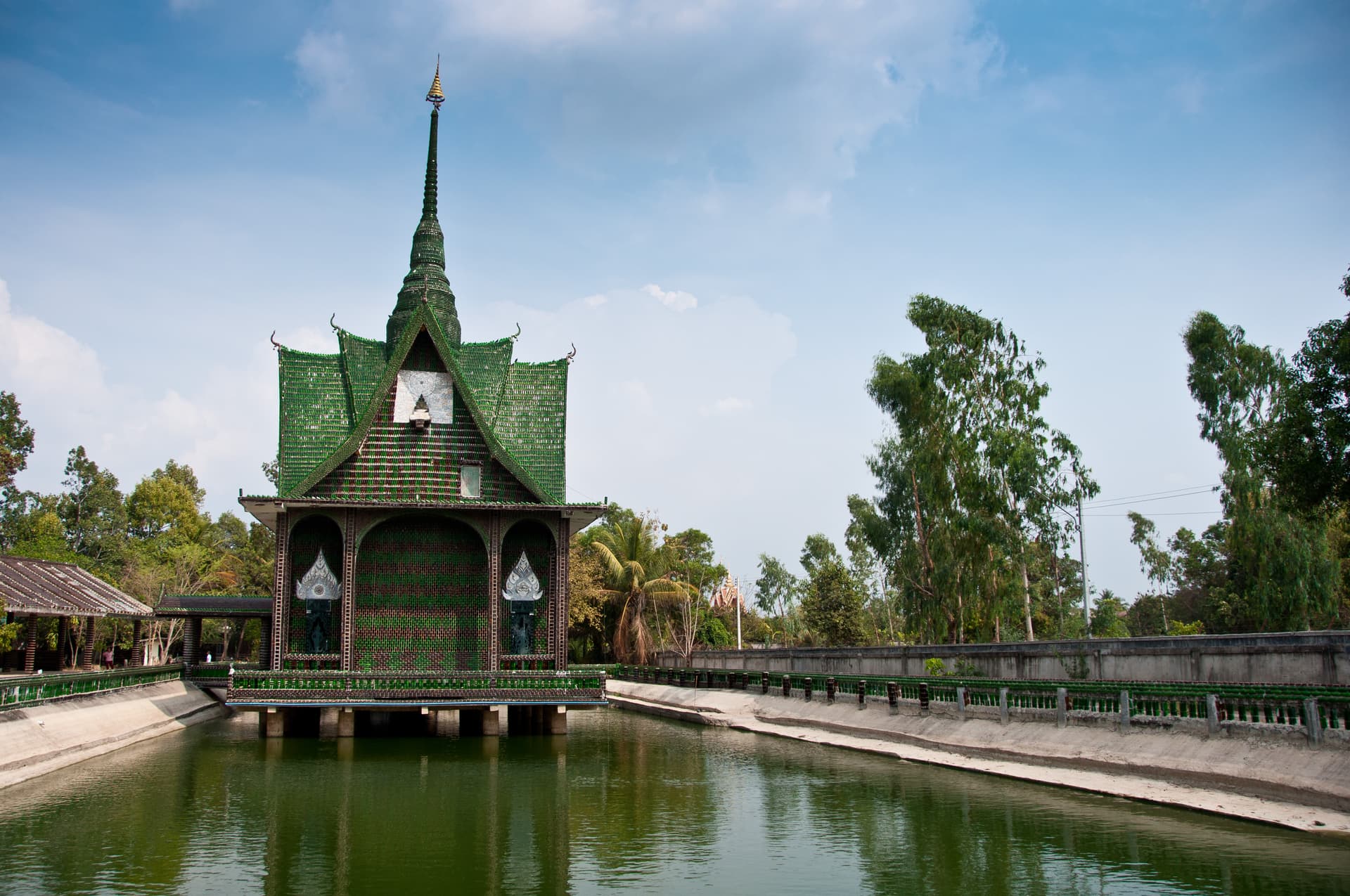
Wat Pa Maha Chedi Kaeo
Khun Han, Si Sa Ket, Thailand
62.2 km away
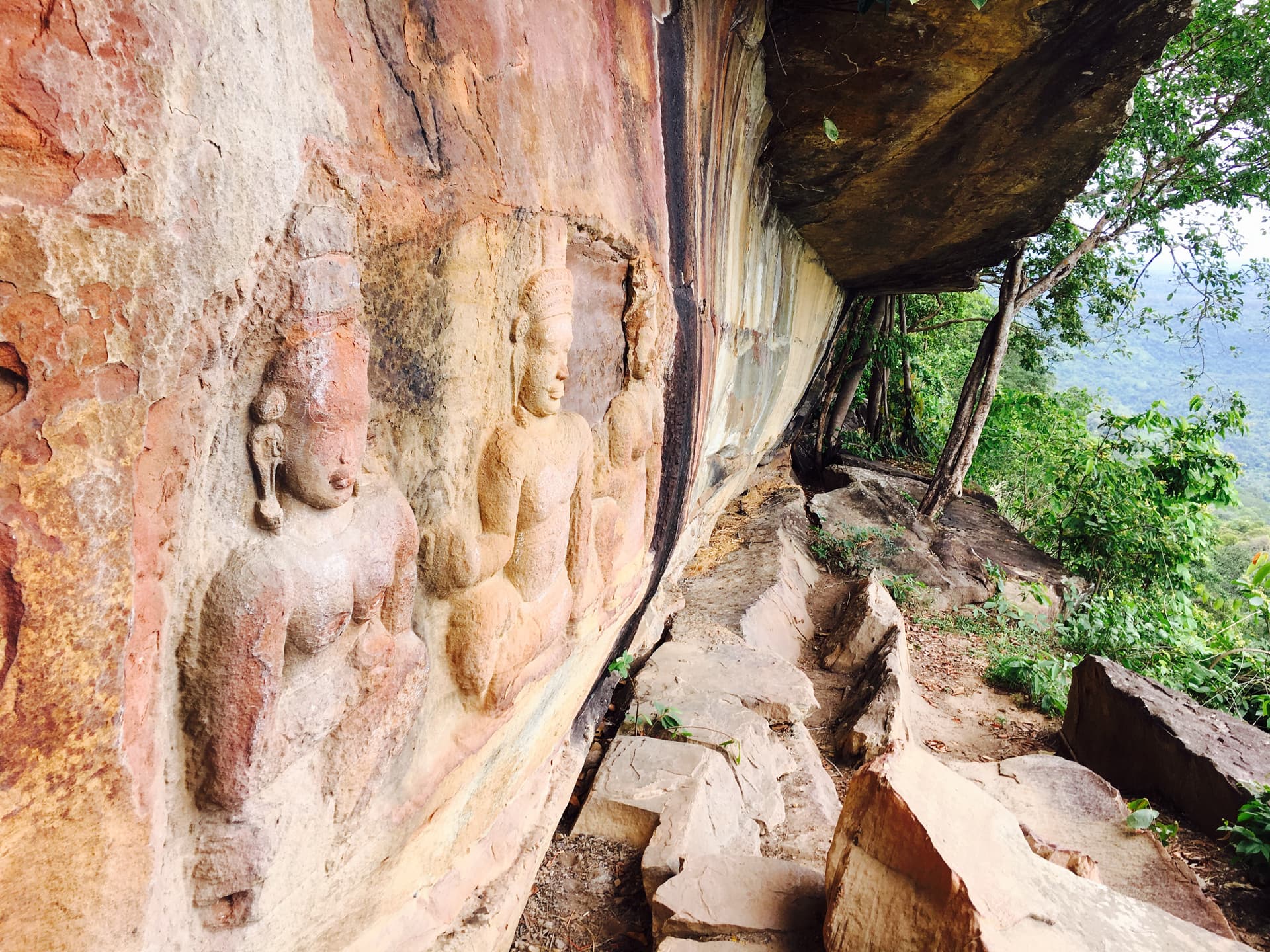
Prasat Khao Phra Wihan Viewpoint and Thai Sacred Approach
Kantharalak, Si Sa Ket, Thailand
97.3 km away
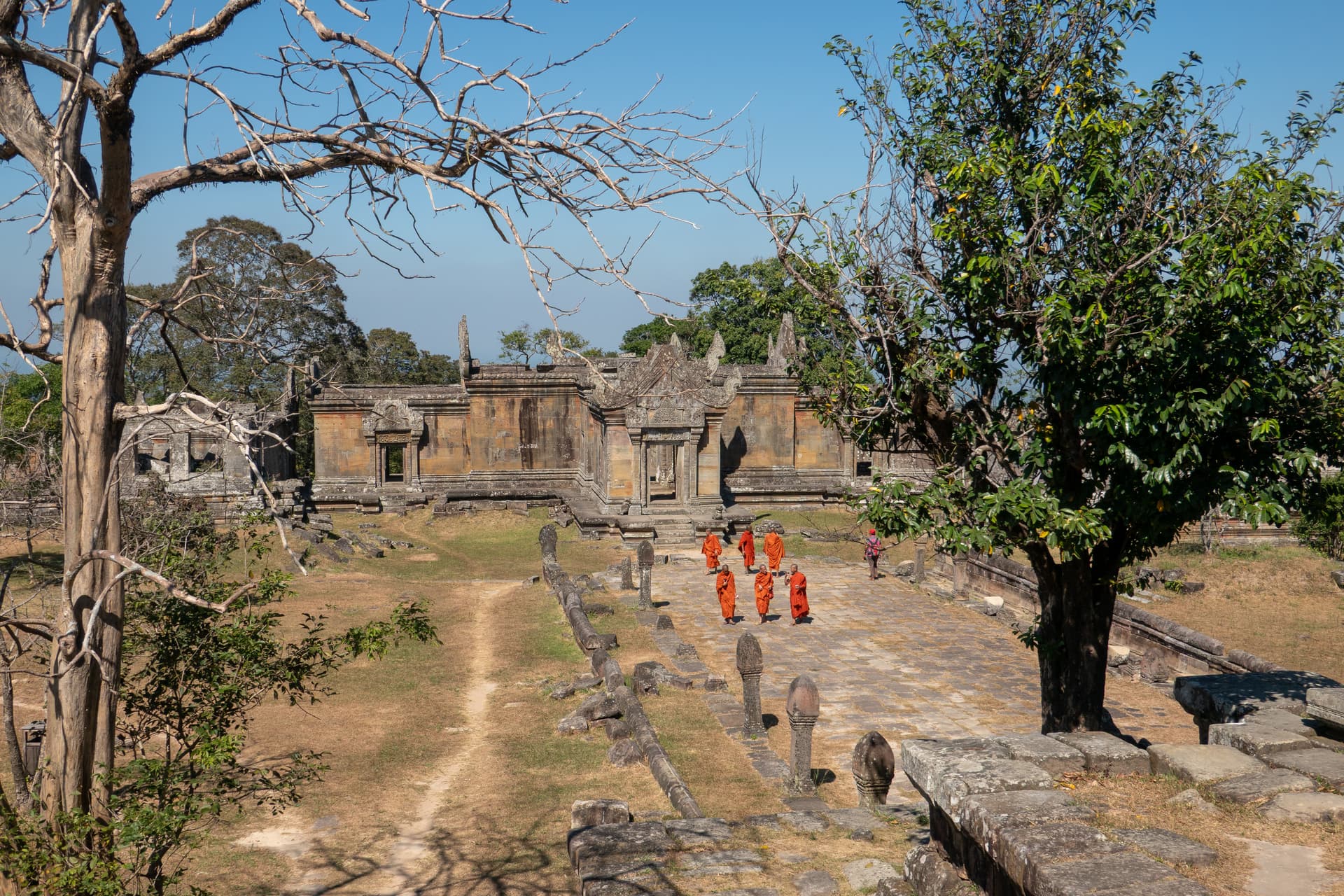
Prasat Preah Vihear
Choam Ksant, Preah Vihear, Cambodia
98.8 km away
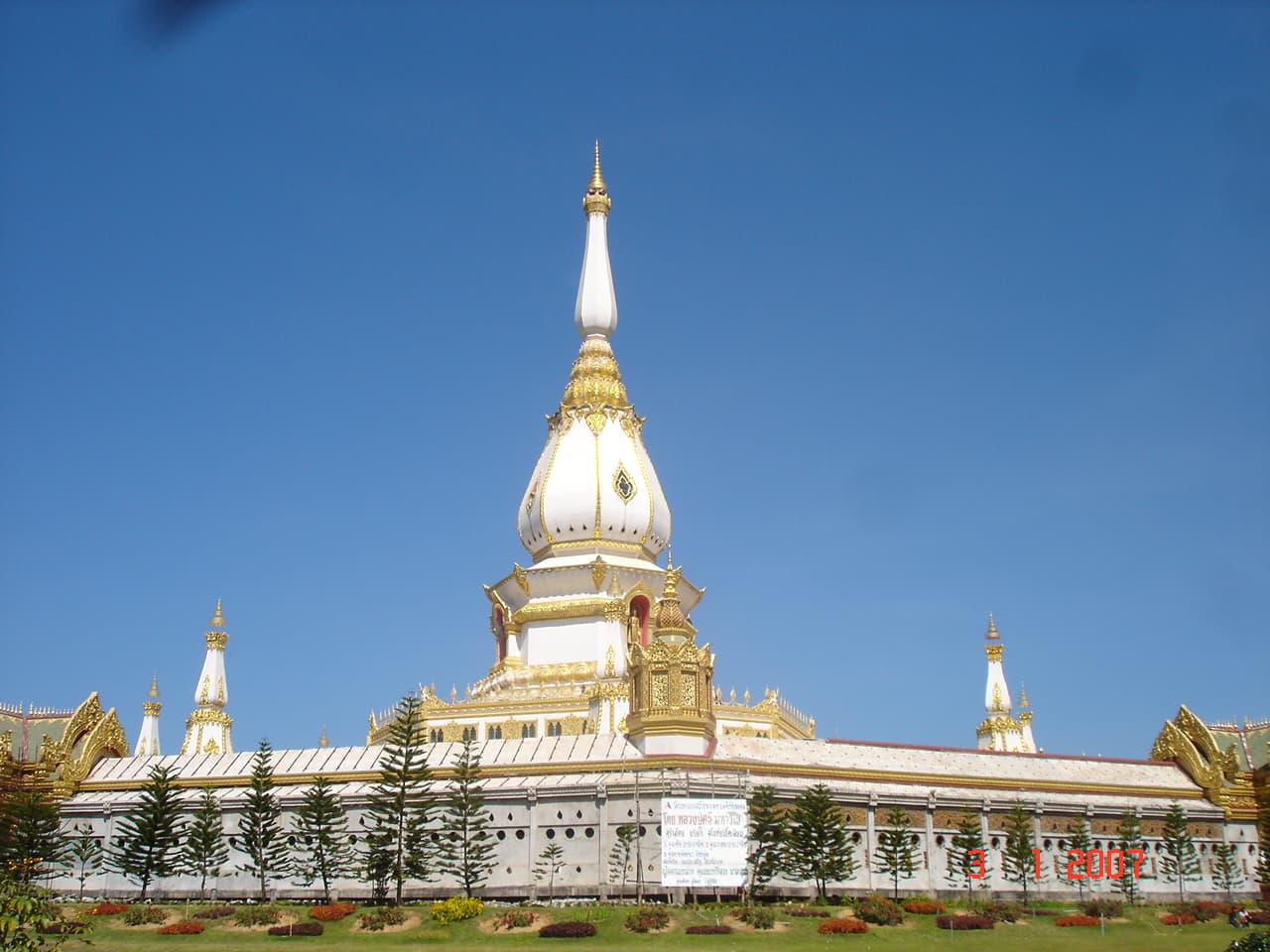
Wat Pha Nam Thip Thep Prasit Wanaram
Nong Phok, Roi Et, Thailand
137.5 km away
References
Sources consulted for this page. Source categories describe the publication, not a guarantee that every claim is verified. Traditional accounts and outside interpretations may differ.
- 01Prasat Sa Kamphaeng Yai — Google PlacesofficialExact practical metadata accepted after strong name, country, locality, and coordinate review.
- 02Returned Khmer bronzes and Sa Kamphaeng Yai sculpture — Fine Arts Department, ThailandofficialExact provenance, Baphuon-period style, and cautious Shiva identification.
- 03Sa Kamphaeng Yai retrospective event 2026 — Fine Arts Department, Surin National MuseumofficialExact current commemorative event and conservation supervision.
- 04Sa Kamphaeng Yai archaeological landscape clarification — Fine Arts Department Region 10officialRegistered boundary and current temple/monument stewardship conflict.
Share a photo
Help visitors recognize Prasat Sa Kamphaeng Yai. Every submission is reviewed before publication.