Hwasun Dolmen Site
A quarry-linked UNESCO dolmen landscape in Hwasun
Understand sacred places, explore living traditions, and learn how to engage respectfully with Pilgrim Map.
Access has not been verified. Check current local guidance before planning a visit.
Hwasun, Jeollanam-do, South Korea
Read the sources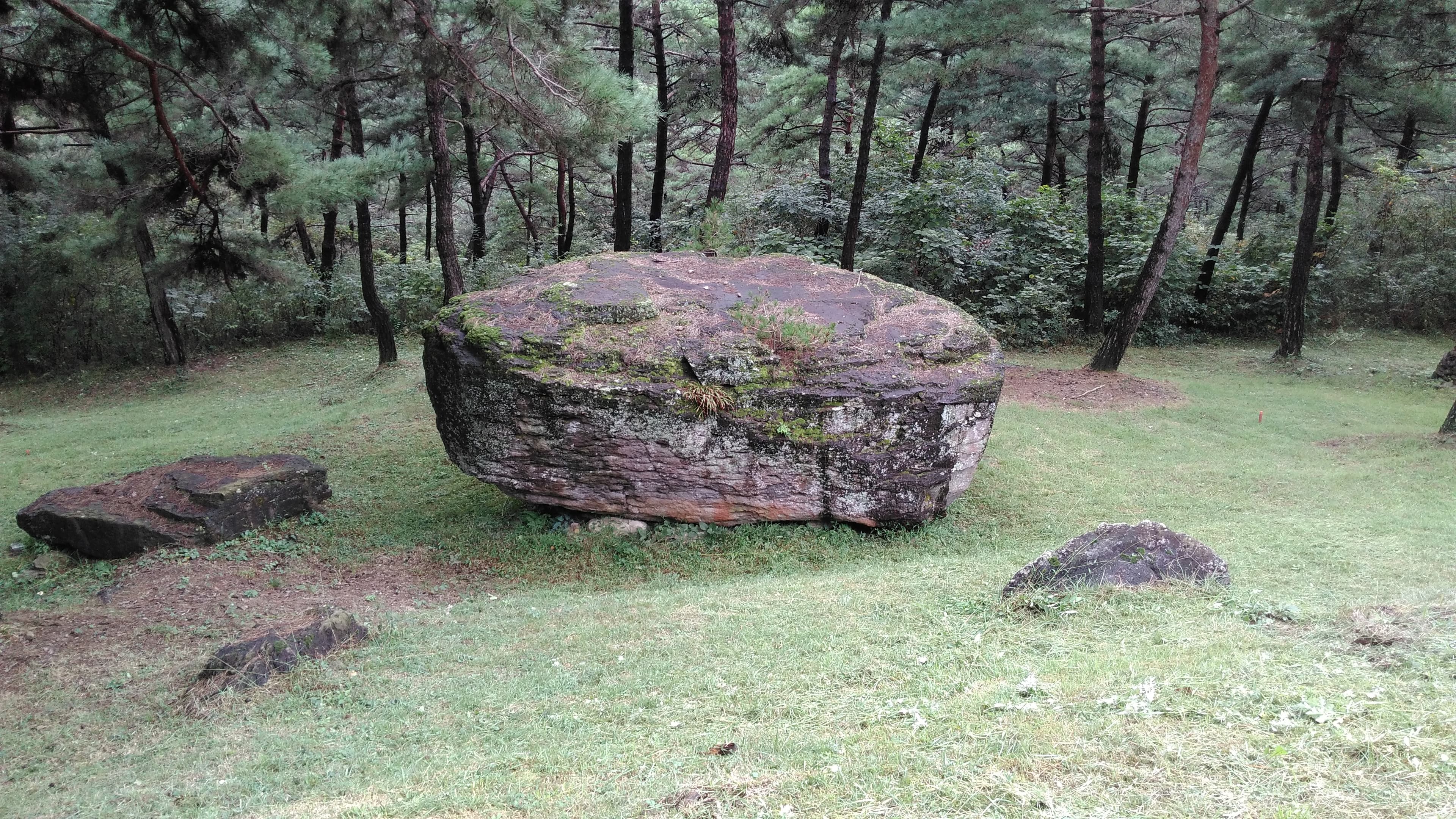
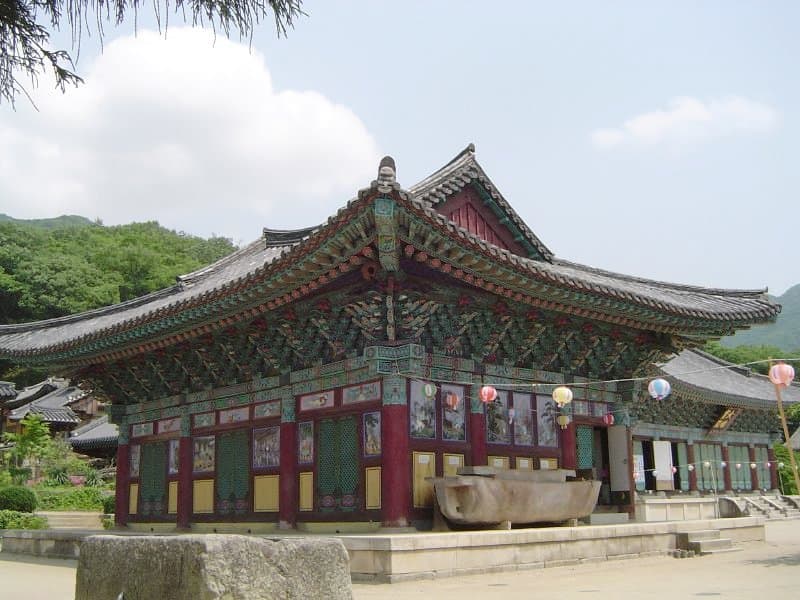
Hwasun Dolmen Site in Hwasun, South Jeolla, South Korea. Image source · CC BY-SA 4.0
Visit essentials
A quick read before you go
- Duration
- Allow a calm, condition-aware visit.
- Access
- Prepare for the exact route described above.
Overview
Hwasun's dolmens are built monuments in a natural topographic setting: people arranged their capstones and supports, while hills, river, geology, and quarry faces conditioned the work. Recognizing both contexts does not make Hwasun a natural World Heritage property; UNESCO's value is cultural. Calling the group a cemetery recognizes funerary purpose without claiming that human remains survive beneath every visible arrangement.
Why this place is sacred
The concentration makes engineering legible at landscape scale. Visitors can compare monument types, capstone sizes, routes from exposed stone, and differences in elevation. These observations support careful questions about labor and social coordination. They do not prove a single priesthood, deity, astronomical code, or political hierarchy. UNESCO discusses beliefs and rituals as dimensions recoverable through archaeology, while leaving specific supernatural narratives unasserted.
Original function follows the cited authorities.
Material continuity is not presumed.
Experience and orientation
Treat the entire corridor as protected funerary archaeology. Stay on marked paths, do not climb or sit on capstones, avoid rubbing surfaces, and never move small stones. Subsurface deposits and quarry traces may extend beyond the most dramatic structures. Picnicking, drone use, group activities, or reconstructed craft programs must follow county rules. Report apparent damage to staff instead of attempting a repair.
Use the verified public approach.
Context and lineage
A reflective route can follow material transformation: identify an outcrop, consider extraction and transport, then encounter a completed tomb. That sequence brings ancient labor and mourning into view without inventing a ritual reenactment. Pause at a respectful distance and consider how a community’s treatment of its dead can organize land for millennia. No offering, stone stacking, chanting, or ancestral claim should be improvised by visitors.
Prehistoric Korean funerary and ritual tradition
Traditions and practice
Korea Tourism Organization describes walking trails and a prehistory experience hall, but program dates and fees are dynamic. Google’s exact result centers a visitor location at Hyosan-ri and supplies no dependable phone, hours, or official web field. KTO independently confirms the Hwasun dolmen domain and county contacts. Check the custodian before departure, especially for seasonal programs, heat, rain, fire controls, or conservation closures.
Current use remains custodian-led.
Attend quietly before drawing conclusions.
Prehistoric Korean funerary and ritual tradition
HistoricalSacred meaning follows the documented local tradition.
Practice remains governed by present custodians.
Perspectives and open questions
Several disciplines illuminate this sacred place.
Scholarly perspective
Archaeology, funerary ethics, engineering history, and landscape conservation provide the strongest interpretive frames. The monuments may inspire modern feelings of ancestral presence or energy, but no prevalent, authoritative source set established a specific current metaphysical claim. Hwasun’s spiritual significance is responsibly described through the prehistoric practices its tombs materially attest, with uncertainty preserved around individual identities and exact ceremonies. Serial-property precision is especially important for search and mapping.
A visitor pin near Hyosan-ri represents an entry point within Hwasun’s component, whereas UNESCO dossier 977 encompasses three geographically separate Korean areas. Future updates should retain dossier-level status and component-level location together. They should also reject the erroneous number 997 sometimes repeated in tourism copy; the authoritative World Heritage identifier is 977.
Living and traditional perspectives
Community meanings retain their own authority.
Open questions
Unsupported effects remain explicitly unverified.
Plan your visit
Access and arrival
Prepare for the exact route described above.
No lodging claim was researched.
Respectful visit
Dress for dignity and terrain.
Ask before recording people or ritual.
Use authorized channels only.
Obey every closure and barrier.
Do not invent or imitate rites.
Current practical details
Address
1335-3 Hyosan-ri, Dogok-myeon, Hwasun, Jeollanam-do, South Korea
Hours, fees, and access can change — verify on the official source before you travel. Practical details last checked Jul 2026.
Location
Map loads as you approach this section.
Pilgrim reflections
A portrait of encounter, not a score
Pilgrims describe what they felt, how present they could become, and whether the place would shape a journey. There are no stars and no ranking of traditions.
No reviewed reflections yet
The first pilgrims can help describe the character of being here.
Share a reflection
Available after an account-backed “Been there.” Every reflection is reviewed before publication.
Nearby sacred places
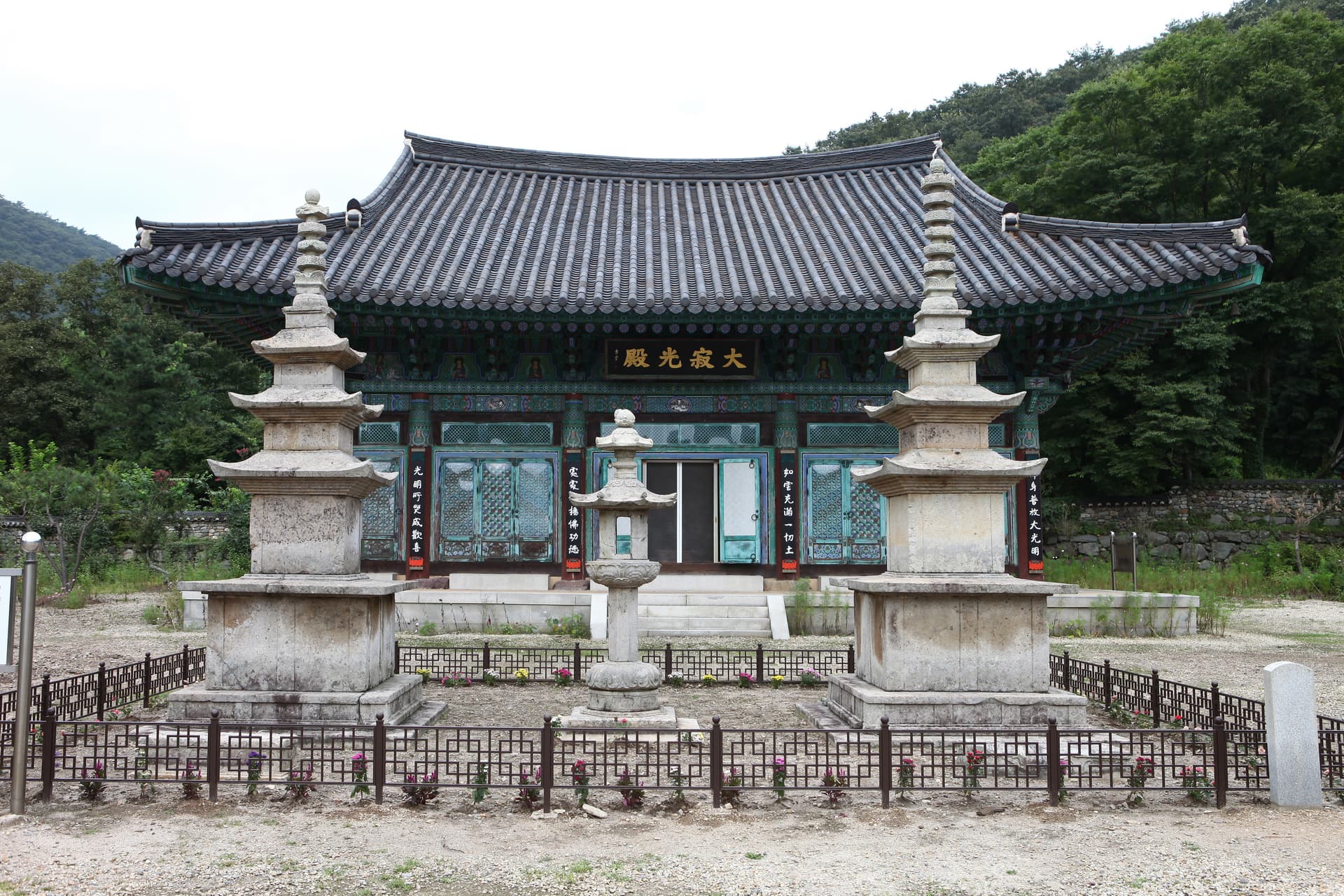
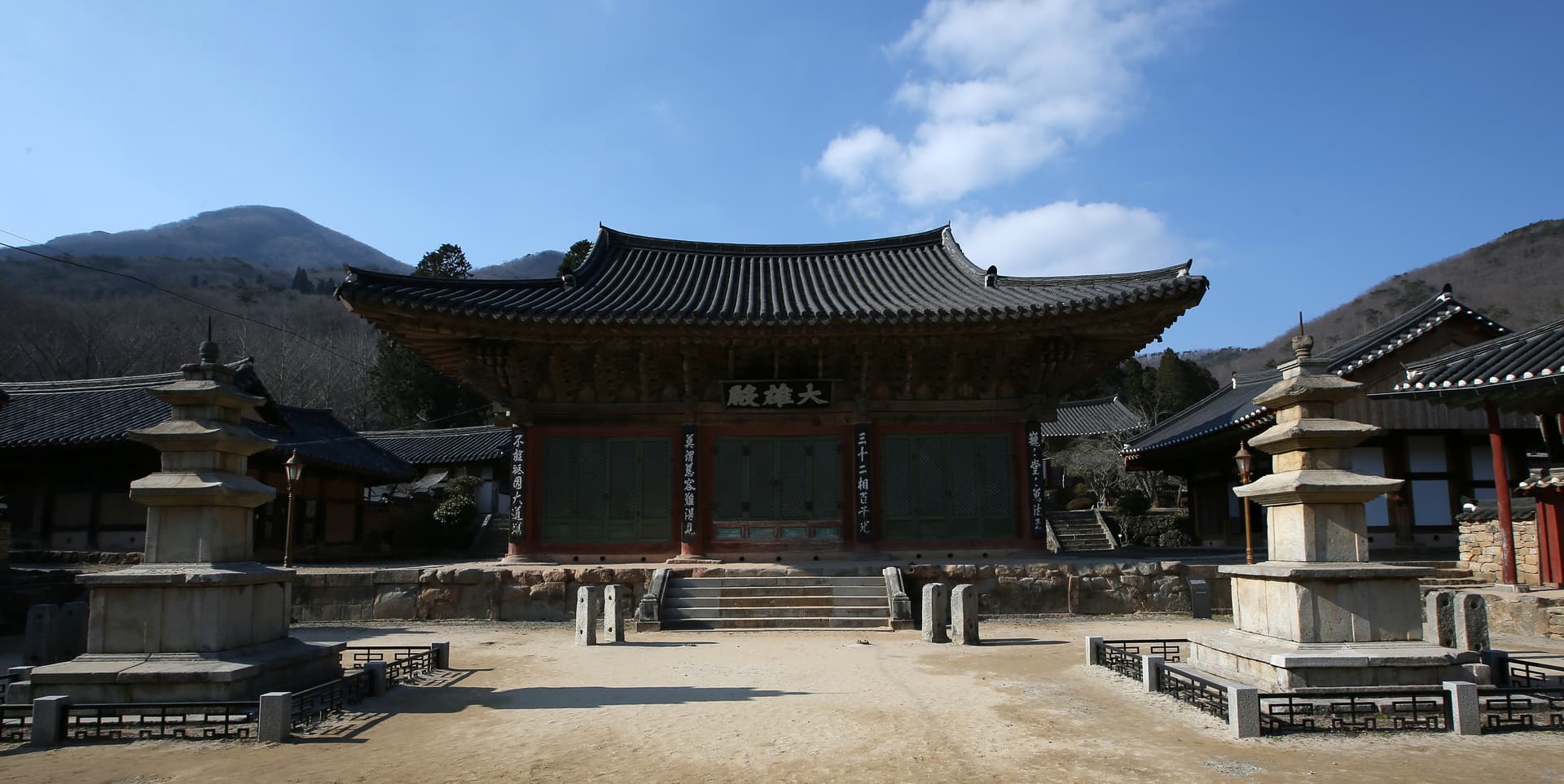
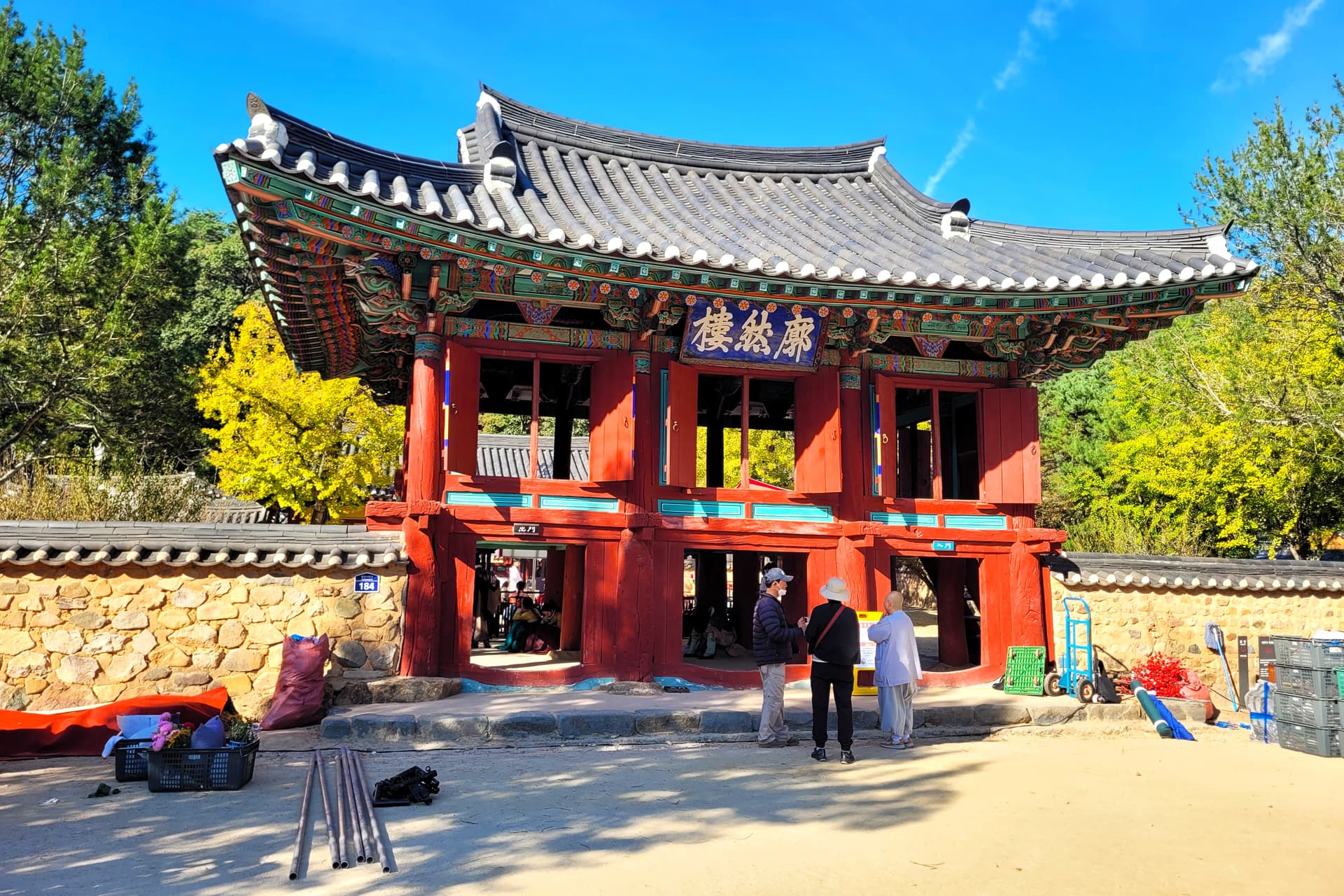
Explore other sacred places in the region. Proximity does not establish access or travel time; check each place’s guidance.
References
Sources consulted for this page. Source categories describe the publication, not a guarantee that every claim is verified. Traditional accounts and outside interpretations may differ.
- 01Gochang, Hwasun and Ganghwa Dolmen Sites — UNESCO World Heritage CentreofficialAuthoritative serial-property scope, inscription year, criterion, component descriptions, integrity, and management.
- 02Nomination 977 — Republic of Korea via UNESCOofficialPrimary nomination dossier and maps for component boundaries, archaeology, quarrying, and comparative significance.
- 03Hwasun Dolmen Site — Korea Tourism OrganizationofficialExact visitor information, landscape distribution, facilities, contacts, and independently confirmed Hwasun website.
- 04Gochang, Hwasun and Ganghwa Dolmen Sites — Korea Tourism OrganizationofficialNational heritage overview, counts, Bronze Age context, quarry evidence, and serial relationship.
- 05Hwasun Dolmen Site — Google Maps place record — GoogleSource contextStrong exact visitor-site match consistent with UNESCO component coordinates.
Share a photo
Help visitors recognize Hwasun Dolmen Site. Every submission is reviewed before publication.