Khao Ok Thalu
Phatthalung's pierced mountain joins geology, civic identity, and a holy cave
Understand sacred places, explore living traditions, and learn how to engage respectfully with Pilgrim Map.
Access has not been verified. Check current local guidance before planning a visit.
Phatthalung, Phatthalung, Thailand
Read the sources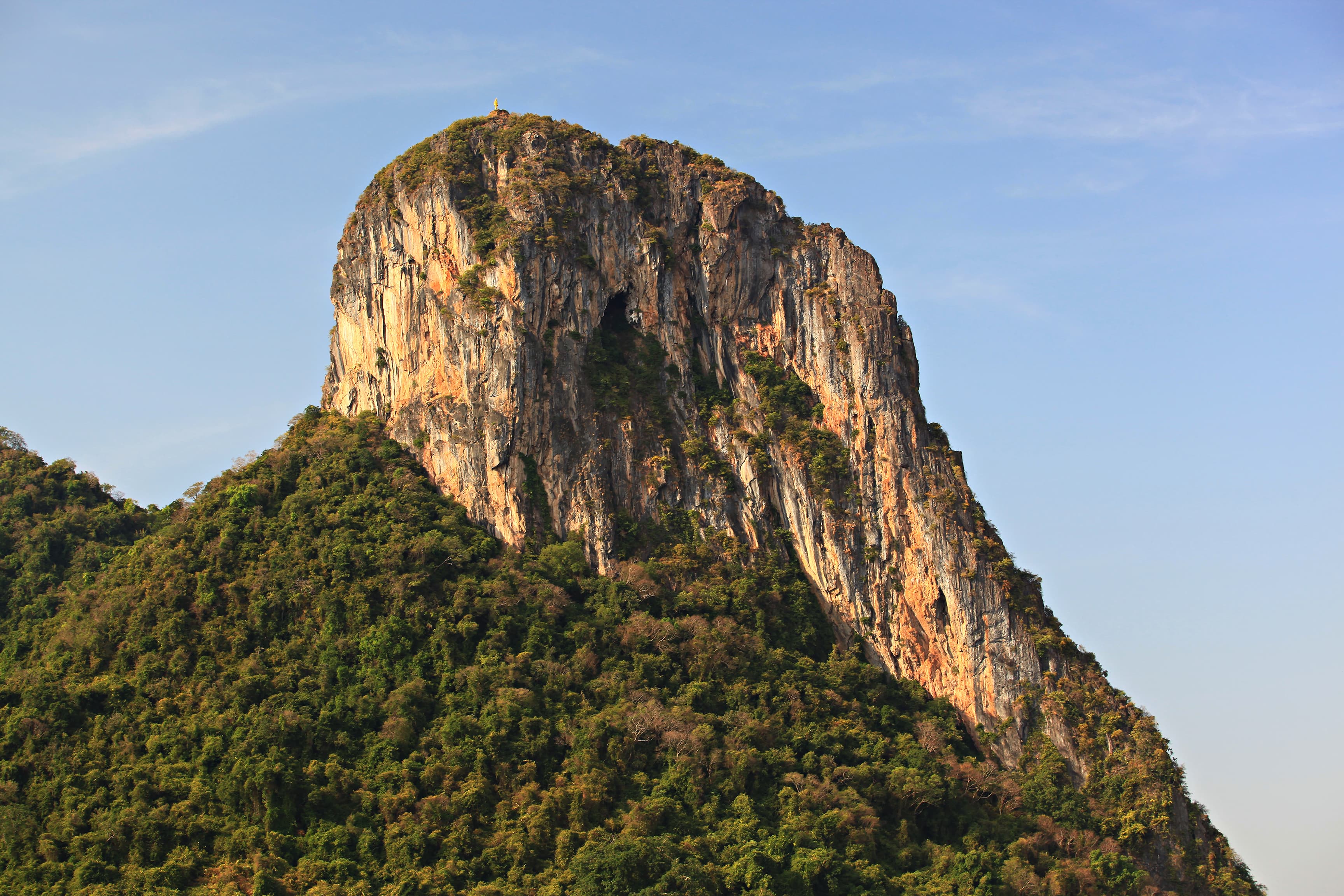
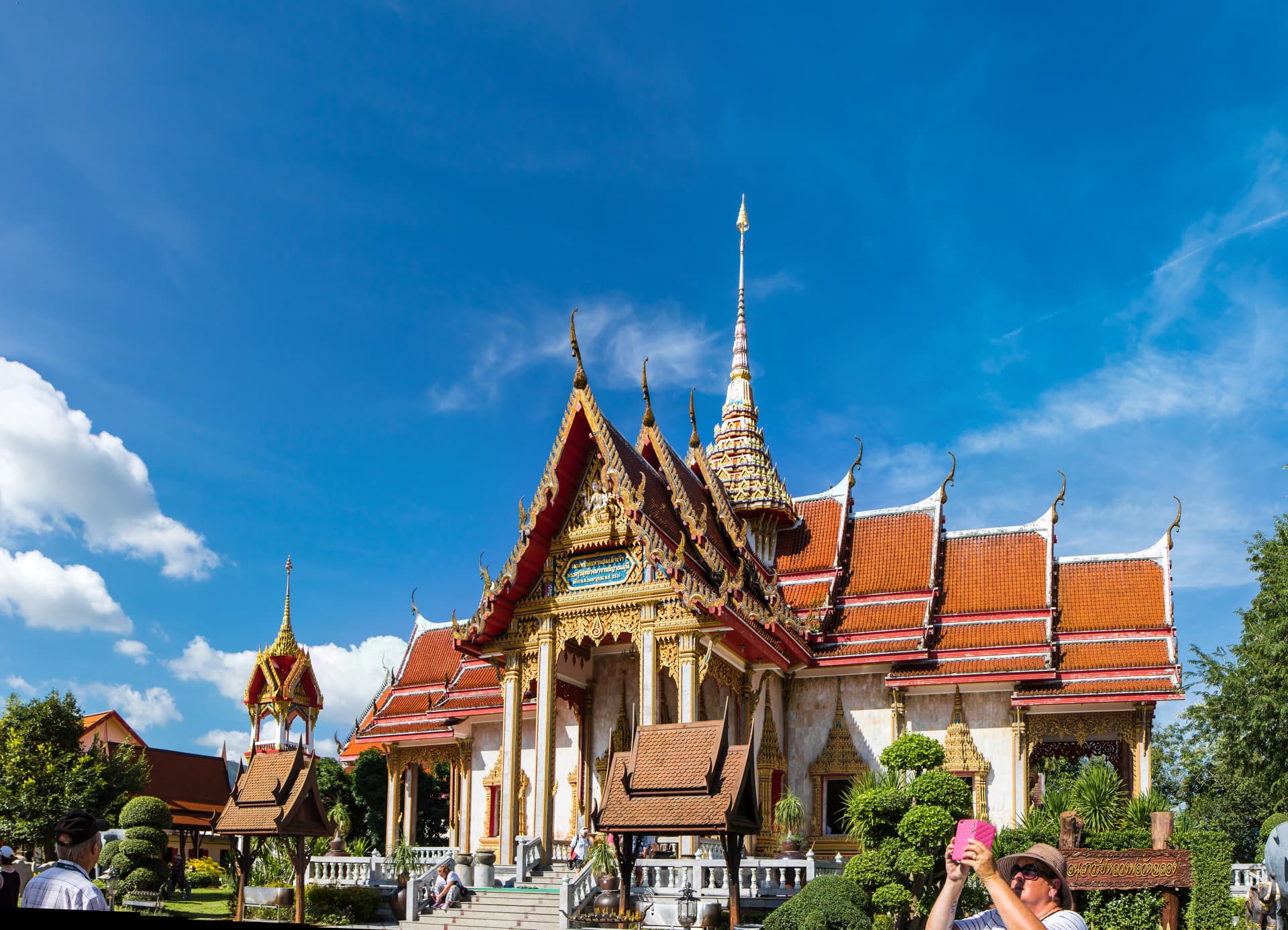
Khao Ok Thalu in Phatthalung, Phatthalung, Thailand. Image source · CC BY-SA 4.0
Visit essentials
A quick read before you go
- Etiquette
- Protect worshippers, historic fabric, and closed thresholds.
Overview
The rock opening gives Khao Ok Thalu its identity, making a geological void part of the city skyline. Fine Arts evidence records another layer: a cave used as a Buddhist holy place, with votive tablets linking devotion to material deposition. This supports a sacred-landscape account without turning the entire mountain into a temple. Civic emblem, climb, rock window, and Buddhist archaeology all contribute; their coexistence is more precise than claiming one unchanging history of mountain worship.
Why this place is sacred
A mountain with a visible aperture easily attracts portal and energy language. No authoritative exact-site evidence reviewed here verifies a portal, vortex, or supernatural opening. The unusual form is geological, while the holy cave and votive tablets document historical Buddhist practice. Visitors may feel the rock window frames sky or city in a charged way; that is subjective experience, not proof of metaphysical causation. No prevalent claim survived the source threshold, so the metaphysical array remains empty.
Experience and orientation
Treat ascent as an outdoor undertaking: assess heat, rain, slippery steps, daylight, and personal fitness. The exact Places listing supplies routine access information, but local closures and weather take precedence. Stay on marked routes, avoid cliff edges, carry out waste, and do not remove stone or archaeological material. If devotional images or cave spaces are open, shift from hiking behavior to religious etiquette. The mountain is within a living city; noise and parking should not burden nearby residents.
Context and lineage
Tourism-directory material records the mountain's height and distinctive hole. Geological research places Khao Ok Thalu in Triassic limestone strata, while Fine Arts evidence records votive tablets from a historic Buddhist cave within southern maritime networks. These time scales should not be collapsed. Rock formation predates human use; devotional activity left later archaeological evidence; modern Phatthalung adopted the silhouette as civic identity. No World Heritage designation applies to the mountain.
Traditions and practice
There is no sourced living ritual sequence that visitors should reconstruct from the votive finds. Contemporary respectful conduct includes a quiet bow at maintained Buddha images, protection of cave surfaces, and refusal to leave unofficial tablets, coins, incense, or graffiti. Hiking to the opening is not automatically pilgrimage, and no named recurrent religious route was confirmed. Conservation of the rock, vegetation, and archaeological context is the most defensible practice for a place whose sacred evidence survives materially.
Historic southern Thai Buddhism
HistoricalDocumented tradition layer 1.
Natural and archaeological stewardship
ActiveDocumented tradition layer 2.
Perspectives and open questions
Religious, historical, and environmental evidence remain distinct.
Scholarly perspective
Geology explains the limestone mountain and aperture. Archaeology and Buddhist art history interpret the holy cave and votive tablets; civic history reads the silhouette as Phatthalung's emblem. Outdoor recreation adds a modern ascent culture with real safety demands. These perspectives show why Khao Ok Thalu is both natural and cultural without making every climber a pilgrim or every unusual landform supernatural. The spiritual account remains anchored in documented Buddhist cave use and responsible attention to what survives.
The mountain is geological; Fine Arts evidence records historic Buddhist cave use without asserting a single foundation date. The page's target field deliberately avoids naming a mountain deity. Fine Arts evidence supports Buddhist use of a cave and deposited votive tablets, while tourism material supports the pierced landform and civic identity. Neither establishes worship of the mountain as a personified god.
This distinction lets Buddhist sacred history remain present without converting a geological emblem into an invented animist cult or overlooking the possibility that practices changed across long periods.
Plan your visit
Day-of authority overrides routine listing data.
Respectful visit
Protect worshippers, historic fabric, and closed thresholds.
Current practical details
Address
Khao Ok Talu, Khuha Sawan, Mueang Phatthalung District, Phatthalung 93000, Thailand
Hours, fees, and access can change — verify on the official source before you travel. Practical details last checked Jul 2026.
Location
Map loads as you approach this section.
Pilgrim reflections
A portrait of encounter, not a score
Pilgrims describe what they felt, how present they could become, and whether the place would shape a journey. There are no stars and no ranking of traditions.
No reviewed reflections yet
The first pilgrims can help describe the character of being here.
Share a reflection
Available after an account-backed “Been there.” Every reflection is reviewed before publication.
Nearby sacred places
Explore other sacred places in the region. Proximity does not establish access or travel time; check each place’s guidance.
References
Sources consulted for this page. Source categories describe the publication, not a guarantee that every claim is verified. Traditional accounts and outside interpretations may differ.
- 01Khao Ok Talu — Google PlacesofficialExact practical metadata accepted after strong name, country, locality, and coordinate review.
- 02Ancient Maritime cultural evidence in southern Thailand — Fine Arts Department, ThailandofficialExact identification of Khao Ok Thalu Buddhist holy cave and clay votive tablets.
- 03Khao Ok Thalu — Thailand Tourism Directory, Ministry of Tourism and SportsofficialExact location, approximate height, and pierced-mountain form.
- 04Triassic ammonoids from Khao Ok Thalu — Phuket Marine Biological CenterofficialExact geological formation and Triassic strata context.
Share a photo
Help visitors recognize Khao Ok Thalu. Every submission is reviewed before publication.