Wat Chang Hai
Luang Pu Thuat devotion centers a southern monastery and annual ashes rite
Understand sacred places, explore living traditions, and learn how to engage respectfully with Pilgrim Map.
Access has not been verified. Check current local guidance before planning a visit.
Khok Pho, Pattani, Thailand
Read the sources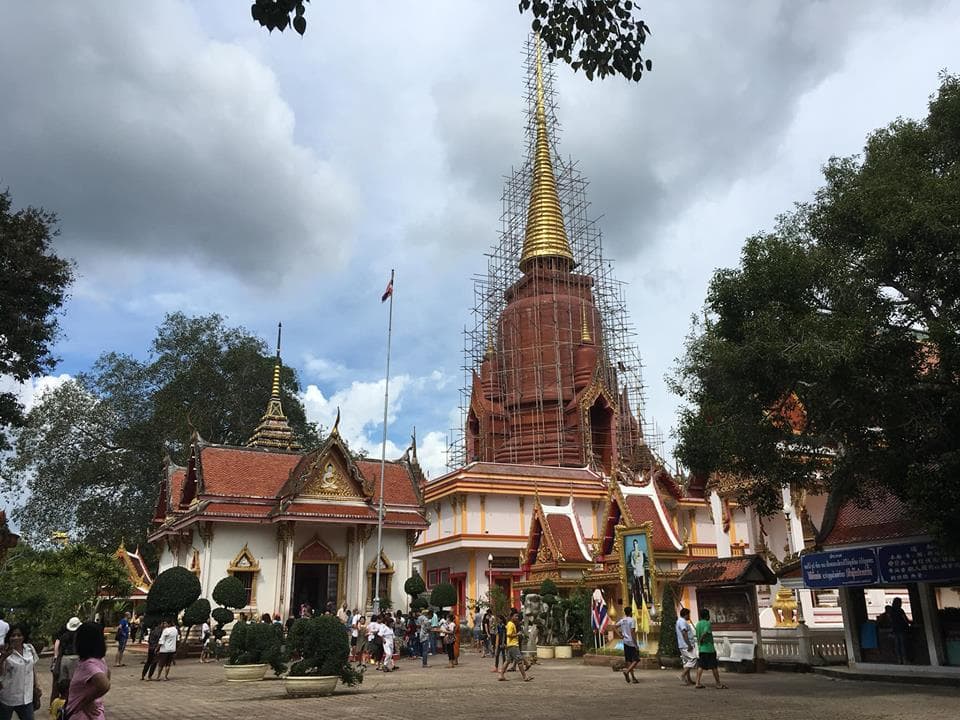
Wat Chang Hai in Khok Pho, Pattani, Thailand. Image source · CC BY-SA 4.0
Visit essentials
A quick read before you go
- Etiquette
- Protect worshippers, historic fabric, and closed thresholds.
Overview
Luang Pu Thuat's remembered presence organizes the compound through image, ashes, ceremony, and widely circulated amulets. His reputation crosses southern Thailand and Malaysia, making Wat Chang Hai more than a biographical memorial. Yet Buddhist hierarchy remains clear: reverence for an exemplary monk operates within Buddha, Dhamma, and sangha refuge. The annual bathing of his ashes renews community memory through material remains.
Architecture supports that devotion, while elephant figures and a popular under-belly custom show how local petition practices gather around the monastic centre.
Why this place is sacred
Official sources repeat the famous story that Luang Pu Thuat made seawater drinkable and report beliefs that homage or walking beneath an elephant figure removes bad luck, brings fortune, protection, or success. These claims are prevalent enough to include, but their supernatural outcomes are not independently verified. The miracle belongs to hagiographic tradition, and the elephant practice to lived religion. Neither should be mocked, sold as certainty, or substituted for water safety, medical care, financial decisions, or ordinary risk management.
Experience and orientation
Begin at the monk's image and read posted instructions before approaching ashes, amulets, or elephant figures. During the annual ceremony, protect the processional route and do not reach across devotees for photographs. Strong Google Places data supplies exact routine hours and contact, but security conditions, ceremonies, and local announcements may alter travel in Pattani. Confirm transport on the day and follow public-authority guidance without sensationalizing the region. Research found no verified temple-controlled web address.
Context and lineage
Pattani City describes Wat Chang Hai as more than three hundred years old and connects Luang Pu Thuat with study, reputed powers, death in Malaysia, and the return of his remains. A Ministry of Tourism publication similarly records the temple's buildings, image, legend, and annual ashes-bathing observance. Exact dates within the monk's life vary across hagiography, so the guide preserves broad tradition rather than false precision. Wat Chang Hai is not a UNESCO World Heritage property.
Traditions and practice
Current practice includes Buddha worship, homage to Luang Pu Thuat, offerings, amulet devotion, and the annual watering of his ashes on the waning first night of the fifth lunar month. That named recurrent ceremony supports active-pilgrimage status. Some visitors walk under an elephant figure as a good-fortune rite; join only where the temple permits and do not imply guaranteed protection. Amulets should be obtained through authorized channels, and their spiritual meaning should not excuse counterfeiting or reckless behavior.
Southern Thai Theravada Buddhism
ActiveDocumented tradition layer 1.
Luang Pu Thuat devotional tradition
ActiveDocumented tradition layer 2.
Perspectives and open questions
Religious, historical, and environmental evidence remain distinct.
Scholarly perspective
Theravada Buddhism interprets Luang Pu Thuat through exemplary monkhood, lineage memory, and merit. Hagiography transmits the seawater miracle; lived religion includes protective amulets and elephant rites. Social history follows a devotion shared across the Thai-Malay south, while contemporary monastic custody sustains the ashes ceremony. Evidence review separates the documented prevalence of these beliefs from proof of efficacy. That distinction allows the page to respect the tradition fully without turning reverence into a factual guarantee.
Official local sources describe a temple more than three centuries old; precise early chronology remains traditional. Protective reputation is widespread enough to be part of an honest guide, especially because Luang Pu Thuat amulets circulate far beyond Pattani. The same reach increases the need for boundaries. Hagiography can orient devotion without licensing counterfeit sales, dangerous travel, or claims that an amulet replaces judgment.
The annual ashes rite anchors the tradition in a named place and calendar, while the Buddha remains the monastery's ultimate refuge rather than the revered monk becoming a creator deity.
Plan your visit
Day-of authority overrides routine listing data.
Respectful visit
Protect worshippers, historic fabric, and closed thresholds.
Current practical details
Address
3032 Rural Rd, Tambon Khuan Nori, Amphoe Khok Pho, Chang Wat Pattani 94180, Thailand
Hours
Hours, fees, and access can change — verify on the official source before you travel. Practical details last checked Jul 2026.
Location
Map loads as you approach this section.
Pilgrim reflections
A portrait of encounter, not a score
Pilgrims describe what they felt, how present they could become, and whether the place would shape a journey. There are no stars and no ranking of traditions.
No reviewed reflections yet
The first pilgrims can help describe the character of being here.
Share a reflection
Available after an account-backed “Been there.” Every reflection is reviewed before publication.
Nearby sacred places
Explore other sacred places in the region. Proximity does not establish access or travel time; check each place’s guidance.
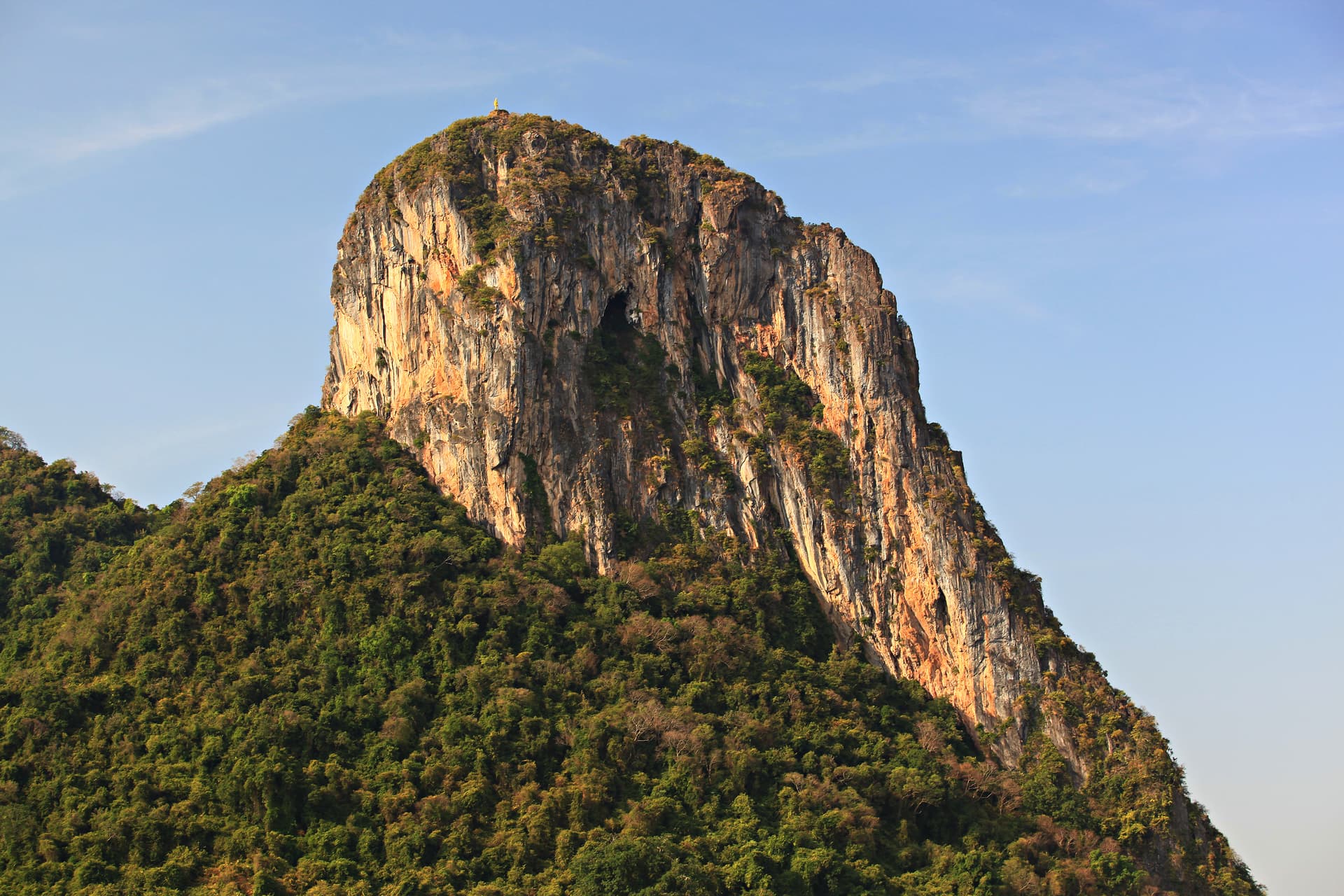
Khao Ok Thalu
Phatthalung, Phatthalung, Thailand
159.5 km away

St. Anne's Church, Bukit Mertajam, Penang, Malaysia
Bukit Mertajam, Penang, Malaysia
165.1 km away
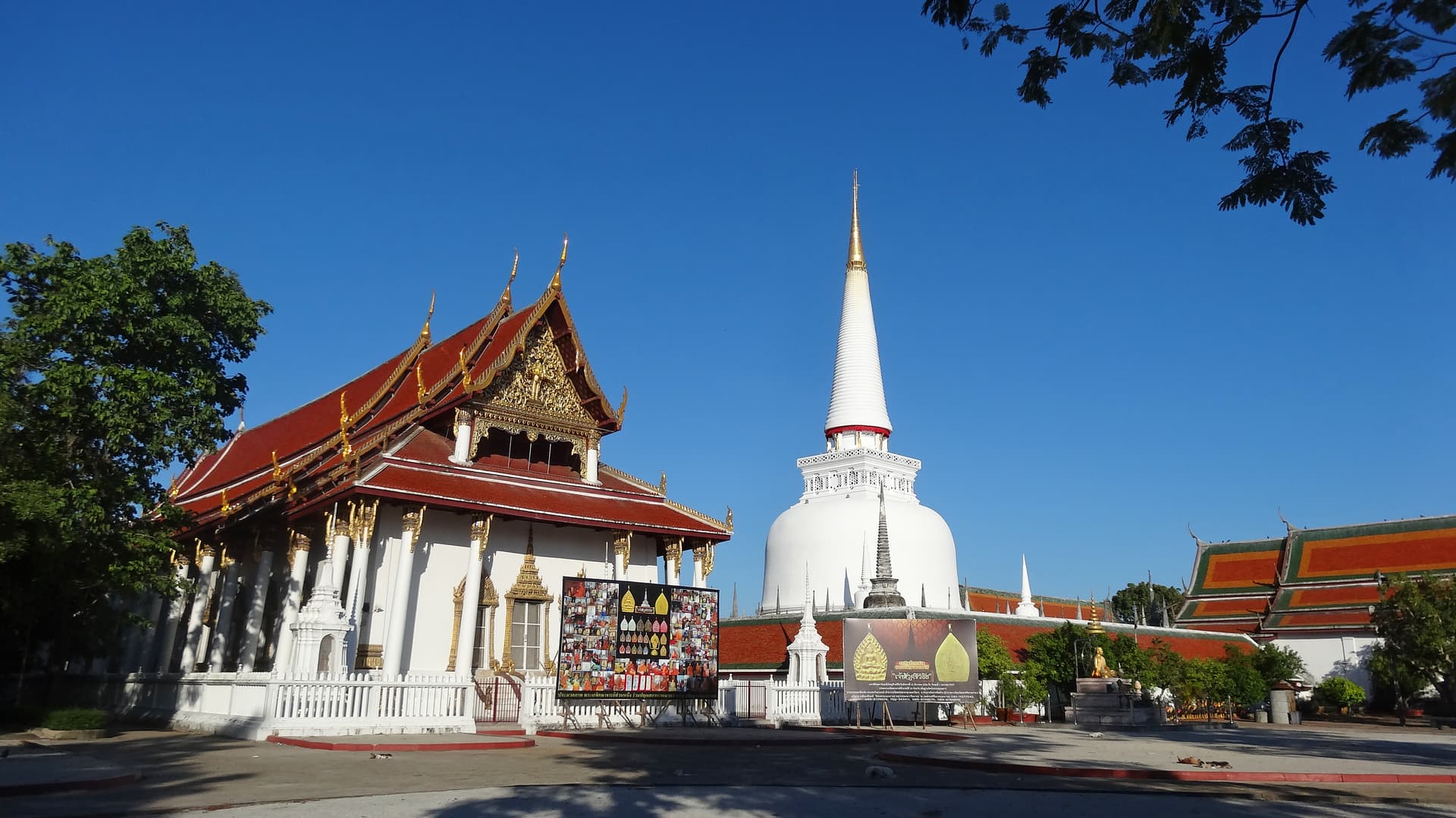
Wat Phra Mahathat Woramahawihan
Nakhon Si Thammarat, Nakhon Si Thammarat, Thailand
234.8 km away
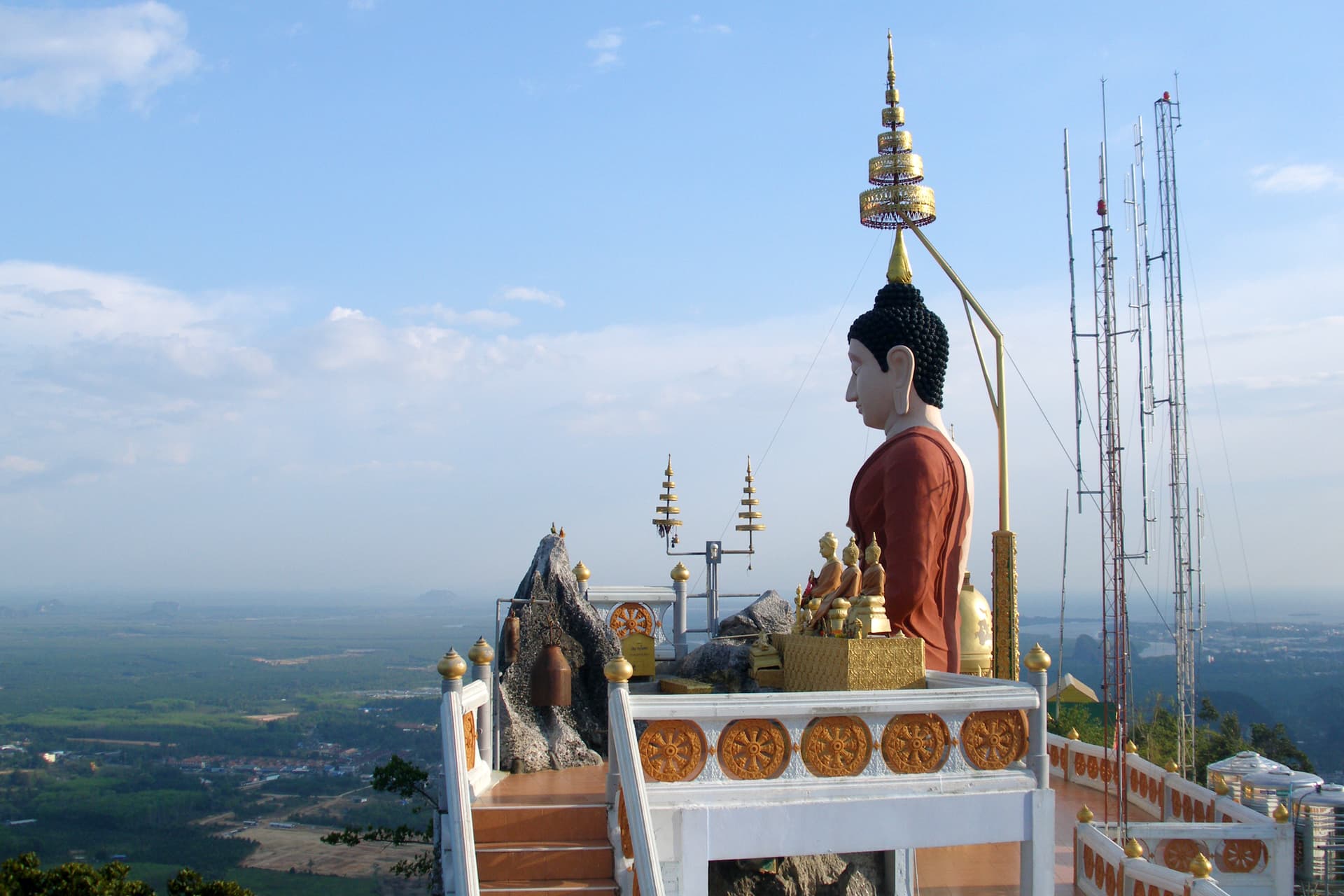
Wat Tham Suea, Krabi
Mueang Krabi, Krabi, Thailand
295.6 km away
References
Sources consulted for this page. Source categories describe the publication, not a guarantee that every claim is verified. Traditional accounts and outside interpretations may differ.
- 01Wat Chang Hai Rat Buranaram — Google PlacesofficialExact practical metadata accepted after strong name, country, locality, and coordinate review.
- 02Wat Chang Hai Rat Buranaram — Pattani City MunicipalityofficialExact age tradition, Luang Pu Thuat image, miracle story, returned remains, annual ashes rite, and hours.
- 03Wat Chang Hai Rat Buranaram — Ministry of Tourism and Sports, Yala OfficeofficialExact structures, hagiography, elephant custom, good-fortune belief, annual rite, and practical details.
- 04Wat Rat Burana or Wat Chang Hai — Thailand Tourism DirectoryofficialExact official identity and three-century temple tradition.
Pilgrim glossary
- Stupa
- A dome-shaped Buddhist monument that holds relics or marks a sacred place.
- Sangha
- The community of Buddhist practitioners, traditionally monks and nuns.
Share a photo
Help visitors recognize Wat Chang Hai. Every submission is reviewed before publication.