Jeoldusan Martyrs’ Shrine
A river bluff where martyr memory refuses abstraction
Understand sacred places, explore living traditions, and learn how to engage respectfully with Pilgrim Map.
Access has not been verified. Check current local guidance before planning a visit.
Seoul, Seoul, South Korea
Read the sources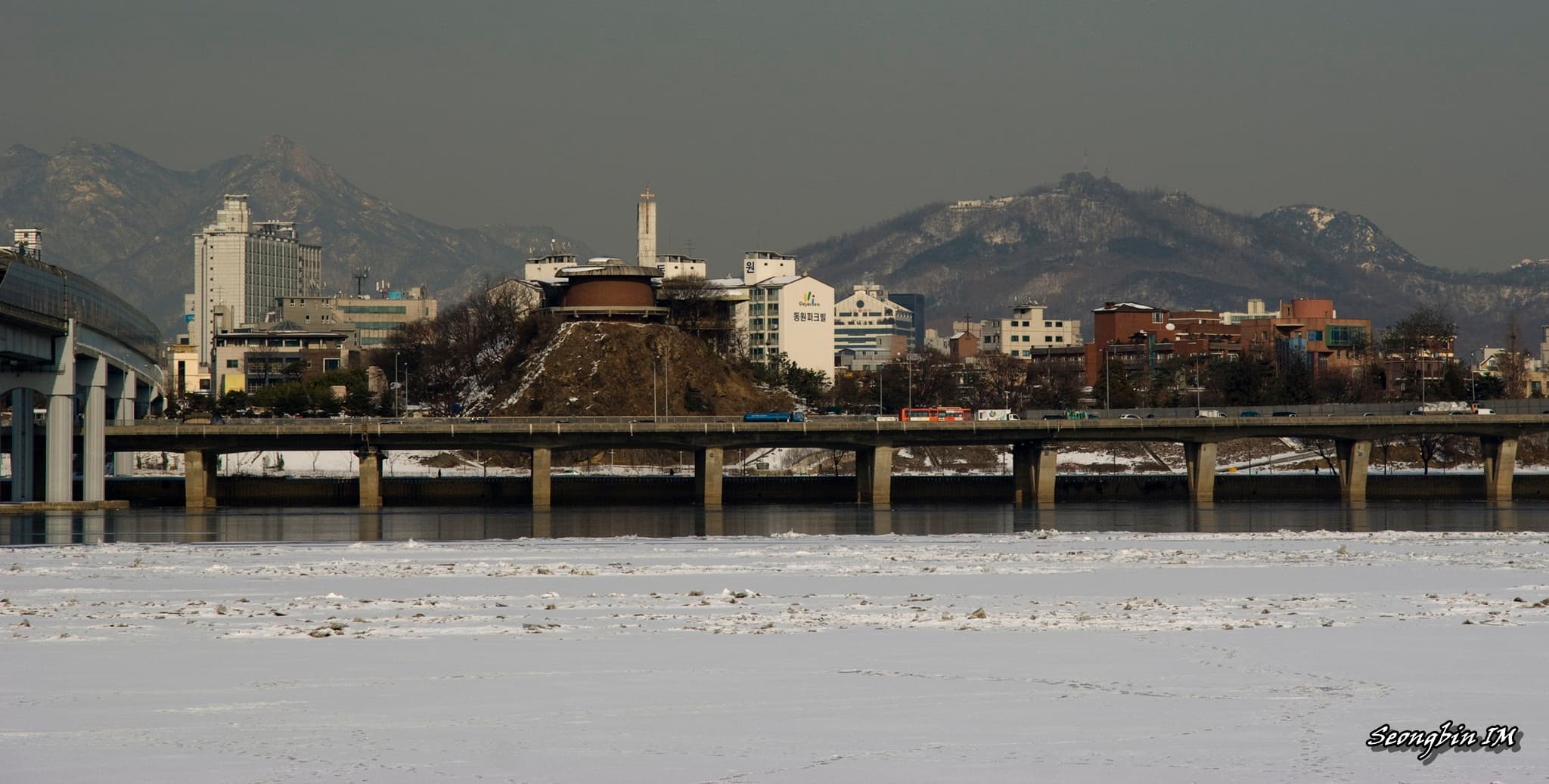
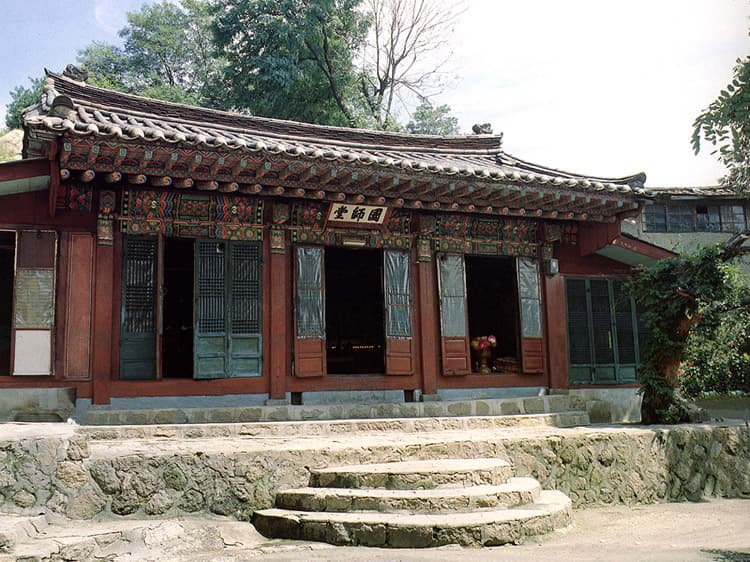
Jeoldusan Martyrs’ Shrine in Seoul, Mapo District, South Korea. Image source · CC BY-SA 3.0
Visit essentials
A quick read before you go
- Duration
- Allow ninety minutes for museum interpretation, memorial grounds, and quiet reflection, longer…
- Access
- KTO lists 09:30–17:00, Monday closure, voluntary donation, parking, jeoldusan.or.kr, and the…
Overview
In October 1967, one hundred years after the persecution period commemorated, the Korean Catholic Church opened the memorial hall. Its later construction does not lessen the site's sanctity; it shows how communities build vessels for memory after surviving evidence has been scattered or suppressed. Pope John Paul II visited in 1984 and Mother Teresa in 1985, adding globally recognized Catholic visits while primary moral authority remains with local martyr memory.
Relics and devotional objects should be approached through documented custodial status, with no claim that proximity guarantees miracles, answers petitions, or transfers spiritual power.
Why this place is sacred
Martyr shrines can be misread as celebrations of suffering. Catholic tradition instead honors fidelity under coercion and the hope that death does not have the final word. At Jeoldusan, the physical edge above the river intensifies the history, but landscape does not sanctify violence by itself. Names, liturgy, research, preserved objects, burial, and communal prayer resist erasure. A responsible contemplative encounter therefore asks who was killed, what structures enabled persecution, and how remembrance can oppose present dehumanization.
Silence is valuable only if it helps attention; it should not hide historical conflict or turn victims into anonymous symbols.
The ground became sacred through the memory of Catholics executed there in the 1866 persecution.
A 1967 memorial hall, museum stewardship, papal recognition, worship, and the recurrent official Hangang Pilgrimage Route created the present commemorative complex.
Experience and orientation
Begin with the historical interpretation available in the museum. Read names and dates before looking for dramatic views. Objects may be relics, archival evidence, devotional works, or later memorial pieces; labels establish which. In the church or chapel, allow scheduled worship to govern movement. If walking the official Hangang Pilgrimage Route, let its passage from busy Mapo streets to the quieter river path prepare attention before entering the shrine.
Do not reenact deaths for photographs or use headless imagery as a visual joke. If grief becomes intense, step aside quietly rather than making other pilgrims responsible for your response.
Identify museum hours, liturgical spaces, graves or memorial markers, the Hangang Pilgrimage Route approach, river-edge paths, and any areas reserved for worshippers.
Context and lineage
KTO states that many Catholic believers were executed here in 1866. The Church opened the Memorial Hall in October 1967 and operates a museum with materials and relics related to Korean Catholic history. Pope John Paul II’s 1984 visit and Mother Teresa’s 1985 visit are documented milestones, not the origin of sanctity. The page does not invent a complete victim list from the summary source; visitors should use the shrine’s own records for individual biographies.
The shrine belongs to Roman Catholic Christianity in Korea and functions as memorial, museum, pilgrimage place, and site of worship. Official Seoul sources name it as a stop on the Hangang Pilgrimage Route.
Traditions and practice
Catholics may pray with the martyrs’ witness, participate in Mass, and venerate relics according to Church instruction.
Museum interpretation and educational visits connect persecution history to religious freedom and human dignity. The recurrent official Hangang Pilgrimage Route links Jeoldusan with a reflective riverside walk and Yanghwajin Foreign Missionary Cemetery.
Learn one martyr’s name and biography, then consider one present situation where conscience is punished.
Roman Catholic Christianity
ActiveKorean Catholicism remembers persecuted believers here through worship, education, burial, and moral witness.
Mass, prayer, veneration, pilgrimage, mourning, historical study, and works for human dignity.
Perspectives and open questions
Jeoldusan requires Catholic theology, persecution history, museum ethics, and human-rights memory to remain in dialogue.
Scholarly perspective
Executed people, dates, relic provenance, later construction, and commemorative visits require source-specific documentation.
Living and traditional perspectives
Martyr witness expresses fidelity to Christ and communion that death cannot erase.
Open questions
Private reports of favors received through prayer are devotional testimony, not independently verified causal evidence.
Plan your visit
Access and arrival
KTO lists 09:30–17:00, Monday closure, voluntary donation, parking, jeoldusan.or.kr, and the shrine telephone. Google supplied no hours. Visit Seoul describes a 2.5-hour Hangang Pilgrimage Route from Mapo Station through Jeoldusan to Yanghwajin; confirm both shrine hours and current route reservation availability before travel.
No lodging is associated with this visit; pilgrimage groups should coordinate directly with the shrine.
Respectful visit
Wear subdued, modest clothing appropriate to worship and memorial space.
Follow museum restrictions and obtain consent around Mass, graves, relics, mourners, and pilgrims.
Use authorized candles, Mass intentions, flowers, and donations; leave nothing on cases or graves without guidance.
Relics, cases, burial markers, altars, clergy areas, and river-edge closures must not be touched or crossed.
Do not glorify torture, equate ordinary inconvenience with martyrdom, or claim relics guarantee supernatural outcomes.
Current practical details
Address
6 Tojeong-ro, Mapo-gu, Seoul, South Korea
Phone
Hours, fees, and access can change — verify on the official source before you travel. Practical details last checked Jul 2026.
Location
Map loads as you approach this section.
Pilgrim reflections
A portrait of encounter, not a score
Pilgrims describe what they felt, how present they could become, and whether the place would shape a journey. There are no stars and no ranking of traditions.
No reviewed reflections yet
The first pilgrims can help describe the character of being here.
Share a reflection
Available after an account-backed “Been there.” Every reflection is reviewed before publication.
Nearby sacred places
Explore other sacred places in the region. Proximity does not establish access or travel time; check each place’s guidance.
References
Sources consulted for this page. Source categories describe the publication, not a guarantee that every claim is verified. Traditional accounts and outside interpretations may differ.
- 01Korea Heritage Service public heritage search — Korea Heritage ServiceofficialAuthoritative national search portal retained as a verification route; not used alone for site-specific claims.
- 02Jeoldusan Martyrs' Shrine — Korea Tourism OrganizationofficialOfficial tourism record for the 1866 executions, 1967 memorial hall, papal and Mother Teresa visits, museum, website, hours, address, and Monday closure.
- 03[Seoul Pilgrimage Routes] Hangang Pilgrimage Route — Seoul Tourism OrganizationofficialOfficial Seoul walking-tour page naming the recurrent Hangang Pilgrimage Route and listing Mapo Food Street, the specialized Hangang pilgrimage section, Jeoldusan Martyrs’ Shrine, and Yanghwajin Foreign Missionary Cemetery on its 2.5-hour course; page edited March 23, 2026.
- 04Asia’s First ‘Seoul’s Catholic Pilgrimage Route’ For Global Walking Tour — Seoul Metropolitan GovernmentofficialOfficial city account of Seoul’s Catholic Pilgrimage Route and its 4 km, 2.5-hour Hangang course from Mapo Station to Jeoldusan Martyrs’ Shrine and Yanghwajin Foreign Missionary Cemetery.
- 05Jeoldusan Martyrs’ Shrine — Google Maps place record — GoogleSource contextStrong identity match used only for current practical fields and coordinates.
Share a photo
Help visitors recognize Jeoldusan Martyrs’ Shrine. Every submission is reviewed before publication.