Hang Pagoda, Trà Vinh
Chùa Hang Trà Vinh: Khmer Buddhist life within a bird-filled monastery landscape
Understand sacred places, explore living traditions, and learn how to engage respectfully with Pilgrim Map.
Access has not been verified. Check current local guidance before planning a visit.
Châu Thành, Vĩnh Long, Vietnam
Read the sources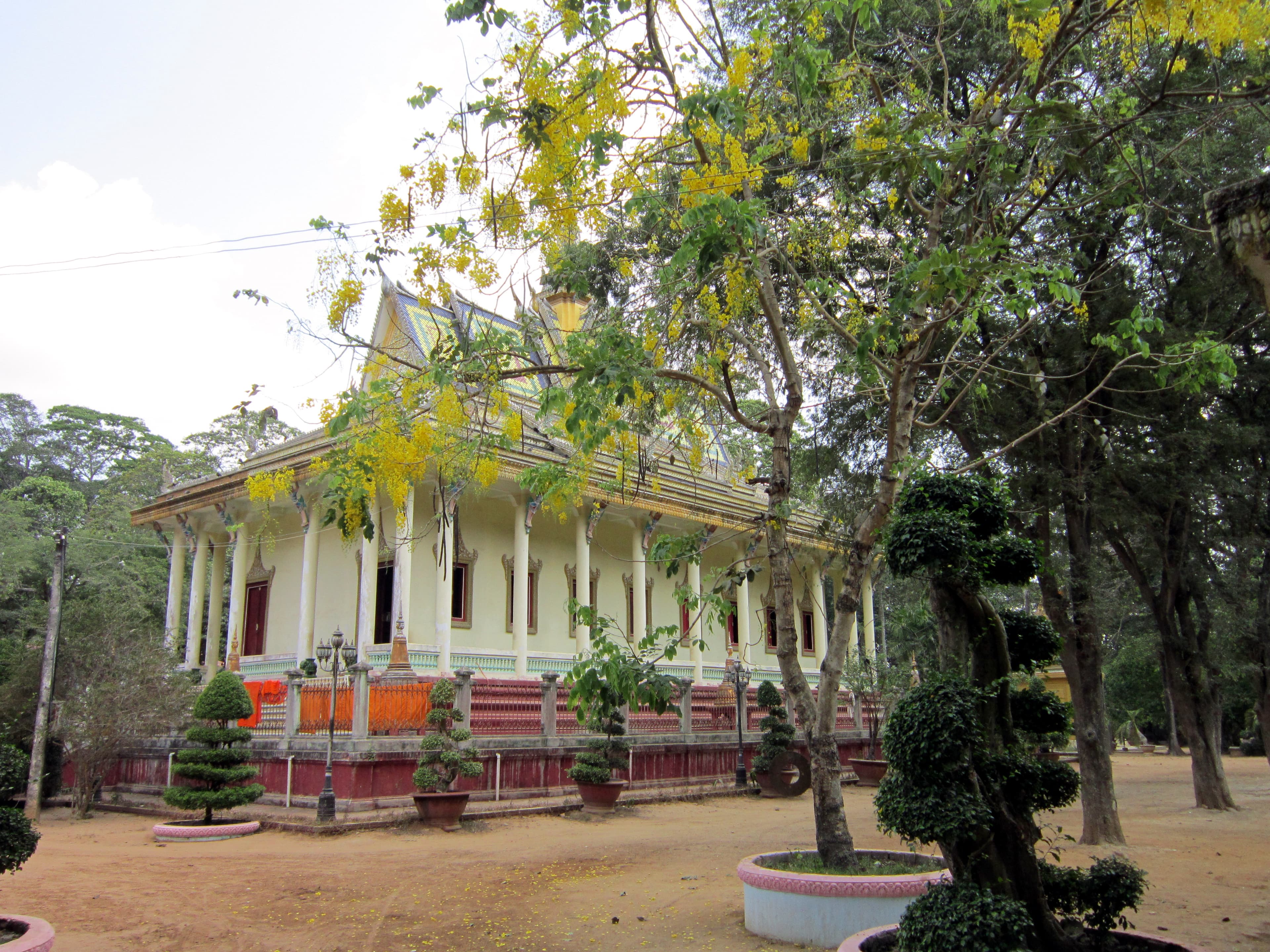
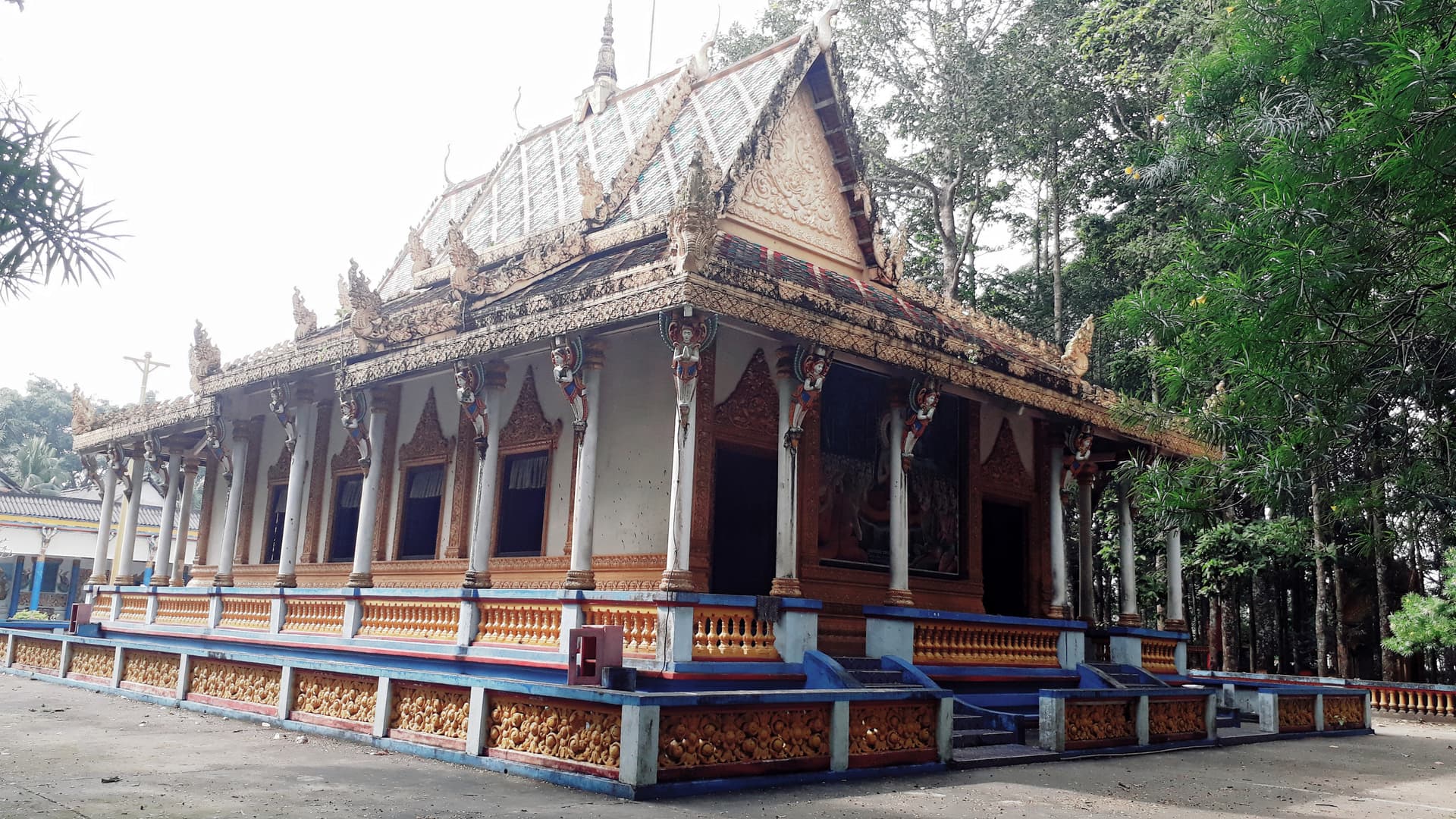
Hang Pagoda, Trà Vinh in Châu Thành, Trà Vinh, Vietnam. Image source · CC BY-SA 3.0
Visit essentials
A quick read before you go
- Duration
- Allow time for the religious core without extending a wildlife visit into private monastic…
- Access
- Google Places details were skipped without a strong match; verify the exact Trà Vinh pagoda and…
Overview
The popular name can mislead visitors in two ways. It may suggest a cave sanctuary, and it may cause confusion with other Hang Pagodas. This institution belongs to Trà Vinh's Khmer Theravada community. Monks, lay supporters, Buddha images, teaching spaces, trees, and bird colonies share the compound, but they do not have equal religious roles. The animals contribute sound and ecological character; the monastery gives the place its sacred order.
Ceremonies and education connect the pagoda to a regional calendar larger than the visitor route. A respectful guest watches for monastic movement and avoids treating wildlife observation as permission to roam. The coexistence of religious and ecological life is meaningful precisely because both require care.
Why this place is sacred
Bird calls can dominate a first impression, yet the deeper continuity lies in Theravada refuge, teaching, and the relationship between monks and lay community. Trees provide habitat and shape the sensory field; they are also part of maintained monastery grounds. Visitors may describe the combination as peaceful, but no claim that birds transmit sacred energy is supported. The ethical response is to reduce disturbance to both worship and habitat.
The pagoda serves Khmer Theravada worship, monastic residence, education, and communal observance.
Religious continuity now includes public interest in the monastery's trees, craft, and bird life.
Experience and orientation
Pause at the entrance to locate active religious spaces. Bird noise may change through the day, and droppings or roots can make surfaces uneven. Keep distance from nests and do not follow an animal into a restricted area. In the worship hall, shift attention from canopy to altar and follow local Theravada etiquette. The contrast between sound outside and composure inside is more instructive than trying to make the whole precinct silent.
Separate public grounds, Buddha hall, monastic residence, education areas, and protected nesting trees.
Context and lineage
The sources securely identify the monastery and its Khmer Buddhist and ecological character. The research does not resolve every foundation date or animal-related story, so none is supplied from tourism retellings. It is not a UNESCO World Heritage property. Accurate naming and location are essential because 'Hang Pagoda' is not unique.
Khmer Theravada Buddhism governs the monastery's teaching, ordination, ritual, and community relationships.
Śākyamuni Buddha
principal object of Theravada refuge and worship
Traditions and practice
Lay visitors may offer food or necessities, bow before the Buddha, listen to teaching, or join an open observance according to local custom. Monks' time and routes should not be interrupted. Wildlife feeding is not a substitute for an accepted religious offering and may be prohibited.
Monastic education, worship, community festivals, heritage visitation, and habitat care remain active.
Listen at the edge of the grounds, then enter the Buddha hall with a deliberately quieter posture.
Khmer Theravada Buddhism
ActiveThe monastery sustains Khmer Buddhist worship and education within a distinctive wooded habitat.
Bowing, almsgiving, offerings, teaching, festival observance, and monastic discipline follow community guidance.
Perspectives and open questions
Khmer religion, monastic education, community festivals, urban ecology, and animal ethics all contribute evidence.
Scholarly perspective
The compound illustrates how a monastery can sustain cultural and ecological continuity at once. Treating birds as the sole attraction hides the institution that protects much of their habitat. Treating them only as symbols ignores their material needs. A balanced account keeps religious authority and ecological observation distinct.
Living and traditional perspectives
Theravada refuge, merit, discipline, and teaching provide the sacred framework; wildlife remains part of the cared-for environment.
Open questions
Animal behavior is not interpreted as prophecy, blessing, or a verified spiritual sign.
Plan your visit
Access and arrival
Google Places details were skipped without a strong match; verify the exact Trà Vinh pagoda and current hours before departure.
Use current licensed lodging in Trà Vinh.
Respectful visit
Cover shoulders and knees; use washable footwear appropriate to wooded grounds.
Use distance for wildlife and obtain consent for people or ceremonies.
Follow the monastery's accepted alms and donation practices; do not improvise wildlife feeding.
Residential quarters, classrooms in use, nesting buffers, and closed halls remain private.
Do not feed, chase, touch, or photograph wildlife so closely that nesting is disturbed.
Location
Map loads as you approach this section.
Pilgrim reflections
A portrait of encounter, not a score
Pilgrims describe what they felt, how present they could become, and whether the place would shape a journey. There are no stars and no ranking of traditions.
No reviewed reflections yet
The first pilgrims can help describe the character of being here.
Share a reflection
Available after an account-backed “Been there.” Every reflection is reviewed before publication.
Watch deeper
Films, episodes, and recorded talks for visitors who want more context before or after a visit. Speculative and alternative-history entries are labelled as perspectives, not as sources for established claims.
Nearby sacred places
Explore other sacred places in the region. Proximity does not establish access or travel time; check each place’s guidance.
References
Sources consulted for this page. Source categories describe the publication, not a guarantee that every claim is verified. Traditional accounts and outside interpretations may differ.
- 01Official heritage or tourism context for Hang Pagoda, Trà Vinh — Vietnam National Authority of Tourism or responsible heritage authorityofficialSupports the site's physical, cultural, religious, or visitor context.
- 02Vietnam National Authority of Tourism — Vietnam National Authority of TourismofficialNational tourism authority context; no weak Google Places fields were persisted.
- 03Trà Vinh urban planning explanatory report — Trà Vinh provincial authorityofficialOfficial document identifying Chùa Hang/Kompong Chrây in Trà Vinh.
- 04Vietnamese-language reference search for Chùa Hang — Vietnamese Wikipedia contributorsacademicDiscovery reference only; unsupported details were not promoted into factual prose.
Share a photo
Help visitors recognize Hang Pagoda, Trà Vinh. Every submission is reviewed before publication.