Giác Lâm Pagoda
Chùa Giác Lâm: an old southern monastery with relic stupa and ancestor towers
Understand sacred places, explore living traditions, and learn how to engage respectfully with Pilgrim Map.
Access has not been verified. Check current local guidance before planning a visit.
Tân Bình, Ho Chi Minh City, Vietnam
Read the sources
Giác Lâm Pagoda in Tân Bình, Ho Chi Minh City, Vietnam. Image source · CC0
Visit essentials
A quick read before you go
- Duration
- Plan a measured circuit that includes active halls, shaded grounds, funerary towers, and the…
- Access
- Google Places supplies the Lạc Long Quân address and current morning-and-evening periods.
Overview
Giác Lâm rewards attention to the whole precinct rather than only its largest image. The old worship halls, monastic circulation, ancestor towers, trees, funerary spaces, and later relic stupa hold several forms of Buddhist care together. Śākyamuni and Amitābha devotion belongs beside lineage remembrance and respect for the dead. This combination gives the pagoda unusual depth within Ho Chi Minh City: it remains active while also preserving evidence of southern Buddhist history.
Enter slowly enough to distinguish a prayer hall from a memorial zone and a public path from monastic space.
Why this place is sacred
The pagoda is sacred through continuity. Generations of Lâm Tế teaching, Buddha remembrance, merit-making, relic devotion, and ancestor care have left different marks on the grounds. A funerary tower is not simply a picturesque miniature; it belongs to the memory of a named monastic life. The relic stupa creates another devotional focus, while the principal halls serve living Buddhist worship. No single feature exhausts Giác Lâm's meaning, and none supports a claim of measurable spiritual energy.
The eighteenth-century pagoda developed as a Buddhist institution serving worship, teaching, merit, and monastic lineage.
Successive abbots, repairs, funerary towers, and a relic stupa extended the precinct without ending its religious use.
Experience and orientation
Listen for the difference between a public courtyard and a hall where chanting is underway. Incense, wooden architecture, old statuary, shade, and the vertical rise of the stupa create changing scales across the grounds. Walk around ceremonies instead of cutting through them. At the ancestor towers, lower your voice and avoid using memorials as portrait props. A measured circuit makes the connections among lineage, relic, monastery, and city easier to recognize.
Listen for chanting before crossing a hall and identify memorial ground before choosing a route.
Context and lineage
Official and scholarly sources date Giác Lâm's foundation to the eighteenth century and identify it as an important ancestor pagoda of southern Vietnamese Buddhism. Successive abbots, repairs, new structures, and the relic stupa extended the complex rather than freezing it in one period. Heritage research documents both the value of the art and the difficulty of conserving an active religious place.
Lâm Tế continuity is carried by teachers and community practice rather than by the age of timber alone.
Śākyamuni Buddha, Amitābha Buddha, and Buddhist relics
documented devotional focus
Traditions and practice
Chanting, Buddha-name recitation, incense, offerings, donations, and merit-making continue alongside remembrance of teachers and the dead. Relic and funerary areas require the same restraint as the main altar. Visitors should not pass in front of a chanting group, touch statuary, or enter monastic rooms simply because a door is open. Follow the temple's current photography guidance.
Monastic and lay worship continues beside protected art, funerary towers, and the modern relic stupa.
Trace the relationship among main altar, monastic memory, funerary landscape, and relic devotion without interrupting ceremonies.
Vietnamese Mahayana Buddhism in the Lâm Tế lineage
ActiveVietnamese Mahayana practice in the Lâm Tế lineage unites living halls with relic and teacher memory.
Chanting, Buddha-name recitation, incense, merit-making, and respectful remembrance continue under monastic direction.
Perspectives and open questions
Lineage history, heritage conservation, devotional practice, and funerary memory meet without becoming the same subject.
Scholarly perspective
Buddhist lineage history explains institutional continuity; art and heritage studies record architecture and sculpture; active worship gives those materials present purpose. Giác Lâm is best understood where these three readings meet, without turning ancestor care into tourism scenery.
Living and traditional perspectives
The monastic community determines the meaning of Buddha worship, relics, teachers, and ancestor commemoration.
Open questions
Age, relic presence, and personal stillness do not establish a measurable energy emanating from the precinct.
Plan your visit
Access and arrival
Google Places supplies the Lạc Long Quân address and current morning-and-evening periods.
Select Ho Chi Minh City lodging independently based on transport to the Bảy Hiền area.
Respectful visit
Wear modest temple clothing and follow footwear instructions at each active hall.
Confirm permission for monks, lay worship, relic displays, interiors, and ancestor towers separately.
Use only Buddhist offerings accepted at the relevant altar; relic and memorial areas are not interchangeable.
Move around ceremonies rather than through them, keep memorial towers quiet, and confirm interior photography rules.
Do not use ancestor towers as portrait backdrops or enter monastic rooms through an unattended doorway.
Current practical details
Address
565 Lạc Long Quân, Bảy Hiền, Hồ Chí Minh 70000, Vietnam
Hours
Hours, fees, and access can change — verify on the official source before you travel. Practical details last checked Jul 2026.
Location
Map loads as you approach this section.
Pilgrim reflections
A portrait of encounter, not a score
Pilgrims describe what they felt, how present they could become, and whether the place would shape a journey. There are no stars and no ranking of traditions.
No reviewed reflections yet
The first pilgrims can help describe the character of being here.
Share a reflection
Available after an account-backed “Been there.” Every reflection is reviewed before publication.
Nearby sacred places
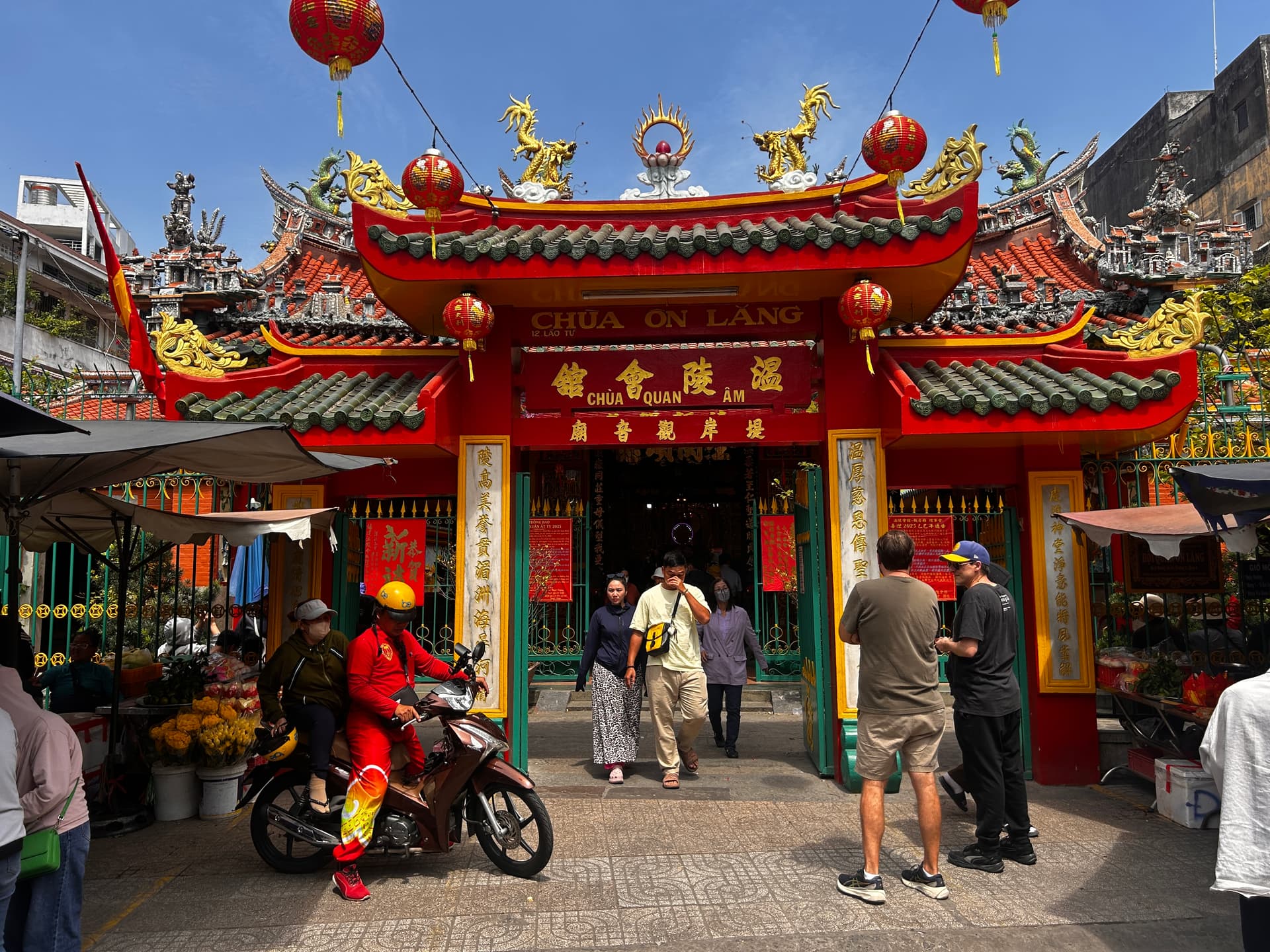
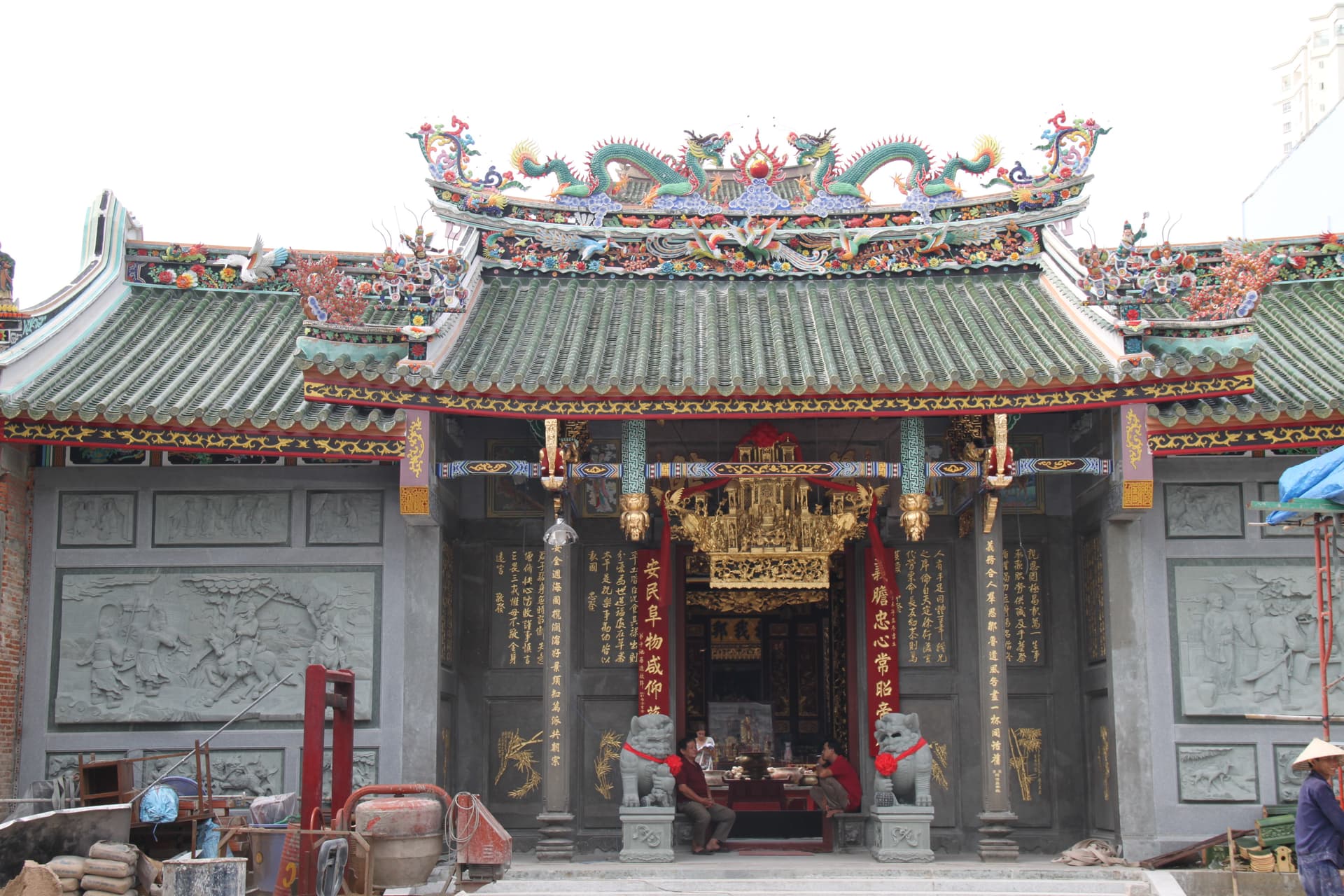
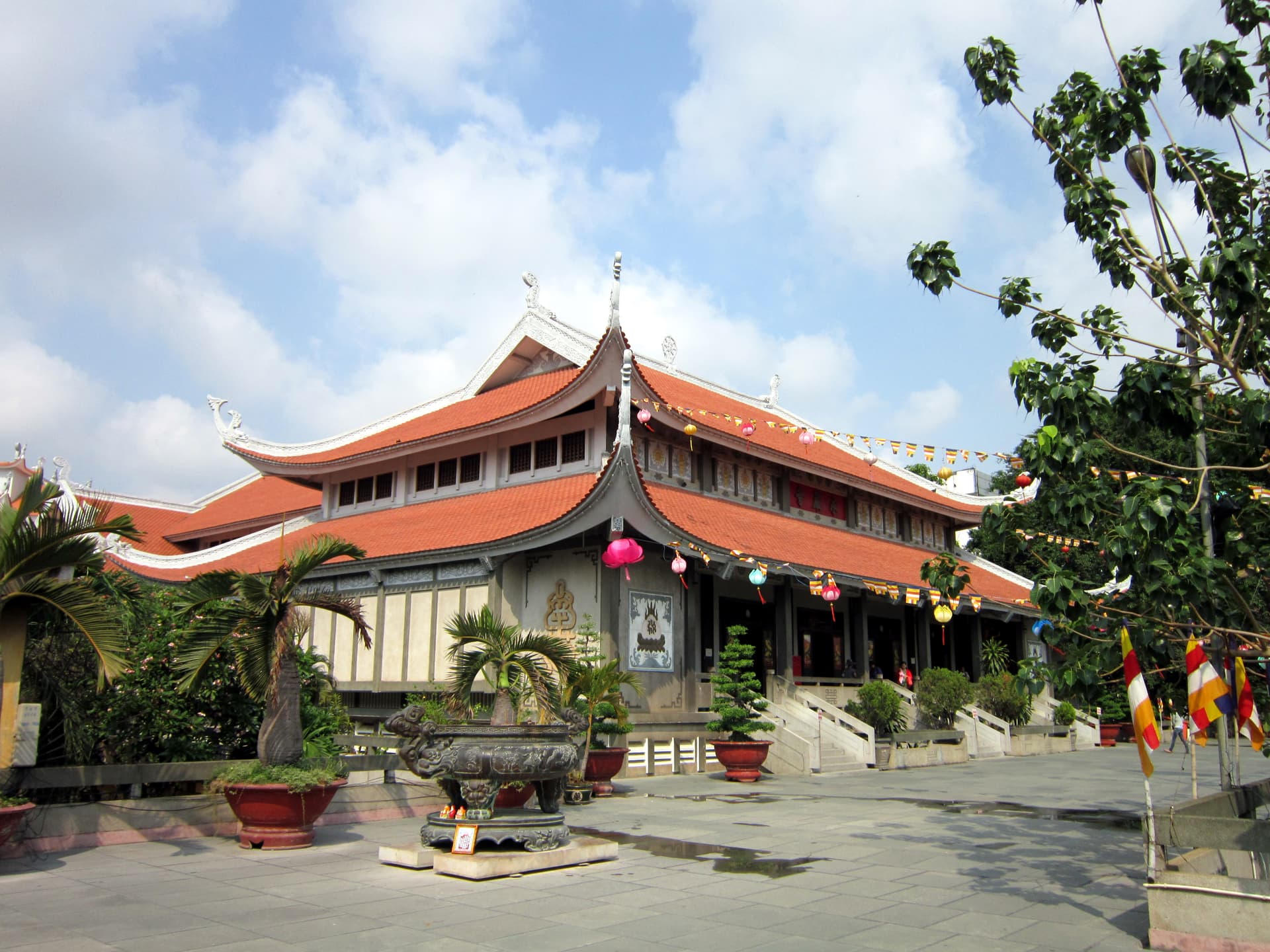
Explore other sacred places in the region. Proximity does not establish access or travel time; check each place’s guidance.

References
Sources consulted for this page. Source categories describe the publication, not a guarantee that every claim is verified. Traditional accounts and outside interpretations may differ.
- 01Ten compelling visitor places in Ho Chi Minh City — Ho Chi Minh City TourismofficialCurrent city tourism source identifying Giác Lâm among the city's historic religious places.
- 02Protection and promotion of Giác Lâm Pagoda — Vietnam Cultural HeritageacademicScholarly heritage study of the Linji lineage, architecture, art, and conservation.
- 03Historic religious facilities of Saigon — University of Tokyo LibraryacademicUniversity context identifies Giác Lâm among the city's surviving historic temples.
- 04Giác Lâm Temple — Wikipedia — Wikipedia contributorsacademicCorroborates identity, chronology, and the Bodhi tree tradition.
- 05Google Maps listing for Giác Lâm Pagoda — Google MapsSource contextUsed only for strong-match coordinates and practical fields.
Pilgrim glossary
- Stupa
- A dome-shaped Buddhist monument that holds relics or marks a sacred place.
Share a photo
Help visitors recognize Giác Lâm Pagoda. Every submission is reviewed before publication.