Vĩnh Nghiêm Pagoda, Ho Chi Minh City
Vĩnh Nghiêm Sài Gòn: northern Mahayana practice rooted in the south
Understand sacred places, explore living traditions, and learn how to engage respectfully with Pilgrim Map.
Access has not been verified. Check current local guidance before planning a visit.
Xuân Hòa, Ho Chi Minh City, Vietnam
Read the sources
Vĩnh Nghiêm Pagoda, Ho Chi Minh City in District 3, Ho Chi Minh City, Vietnam. Image source · CC BY-SA 3.0
Visit essentials
A quick read before you go
- Duration
- Allow time to recognize multiple religious functions without interrupting any of them.
- Access
- Places lookup was attempted but produced no strong match, so this guide supplies no map hours,…
Overview
The pagoda carries a northern Vietnamese Buddhist inheritance into the religious life of the south. That movement is not merely architectural. Monks teach, laypeople worship, families remember the dead, and the public approaches Buddha and bodhisattva images within one active institution. Śākyamuni provides the central orientation of teaching and awakening; Avalokiteśvara gives compassion a distinct devotional expression. Memorial rites add another register, asking visitors to recognize that some quiet acts concern particular families rather than a general audience.
The modern urban setting can make the compound feel readily accessible, yet working religious spaces still require boundaries. This research pass does not establish a strong Google Places match for practical details, so the page does not borrow hours or a website from another Vĩnh Nghiêm institution.
Why this place is sacred
Urban sacredness here is sustained by continuity across distance. A regional lineage has been made present through monastic discipline, images, teaching, and rites for the dead. Bells and incense may mark a sensory threshold from the city, but they do not prove an invisible force. The stronger claim is social and devotional: people maintain a coherent field of learning, compassion, remembrance, and worship.
The pagoda serves Mahayana monastic practice, lay teaching, public devotion, and memorial rites.
A twentieth-century southern center of northern practice now ministers within a dense metropolitan setting.
Experience and orientation
The compound may hold several rhythms at once. A class or talk asks for listening, an altar invites devotion, and a memorial act requires privacy. Pause at each threshold and notice which use governs the room. Śākyamuni and Avalokiteśvara should be approached through their different religious meanings rather than collected as visual highlights. If a hall is occupied, accept a partial visit without searching for another entrance.
Identify public worship halls, teaching space, memorial areas, monastic quarters, and the principal Buddha and bodhisattva images.
Context and lineage
The sources establish this exact Ho Chi Minh City pagoda and its modern role in northern-derived Mahayana worship, lay teaching, memorial practice, and public devotion. They do not support every foundation detail circulated online. No reviewed source places this pagoda on the UNESCO World Heritage List.
Vietnamese Mahayana Buddhism, expressed through a northern institutional inheritance in the south, frames the site.
Śākyamuni Buddha
central teacher and focus of awakening
Avalokiteśvara
bodhisattva of compassion honored in the pagoda
Traditions and practice
Practice may move between scripture, quiet bows, incense, Dharma teaching, and rites for the deceased. A visitor should not reproduce a memorial gesture without understanding whom it concerns. Join only those public forms that the community clearly opens.
Monastic life, lay education, Buddha and bodhisattva devotion, and family remembrance continue together.
Spend a minute at the edge of a class, then leave family remembrance entirely to those conducting it.
Vietnamese Mahayana Buddhism
ActiveVĩnh Nghiêm sustains northern-derived monastic, teaching, devotional, and memorial practice in Ho Chi Minh City.
Prayer, chanting, offerings, teaching, remembrance, and monastic discipline follow pagoda guidance.
Perspectives and open questions
Regional transmission, modern institution-building, devotional plurality, memorial care, and urban ministry all matter.
Scholarly perspective
The pagoda shows how Buddhist lineages travel within a country and become established through institutions rather than simple stylistic copying. Teaching and memorial functions reveal forms of continuity that a façade alone cannot convey.
Living and traditional perspectives
Śākyamuni's teaching and Avalokiteśvara's compassion belong to a living Mahayana path supported by monastic discipline.
Open questions
No blessing, healing, or transformation is guaranteed by attending a rite or approaching an image. The altar-level description is based chiefly on the exact entry preserved by Thư Viện Hoa Sen; current temple arrangements should be checked in person.
Plan your visit
Access and arrival
Places lookup was attempted but produced no strong match, so this guide supplies no map hours, address, phone, or official website. Verify access locally.
Plan an ordinary city stay nearby; the reviewed evidence does not establish visitor lodging inside Vĩnh Nghiêm Pagoda.
Respectful visit
Wear modest clothing and remove shoes where the pagoda indicates.
Ask before photographing teaching, memorial rites, monastics, or worshippers; avoid flash at altars.
Use designated incense, flower, and donation points under local guidance.
Memorial ceremonies, classrooms in use, monastic quarters, and altar platforms remain protected.
Do not treat an occupied rite as public interpretation or transfer customs from another Vĩnh Nghiêm pagoda.
Current practical details
Address
339 Nam Kỳ Khởi Nghĩa, Xuân Hòa, Hồ Chí Minh 70000, Vietnam
Phone
Hours
Hours, fees, and access can change — verify on the official source before you travel. Practical details last checked Jul 2026.
Location
Map loads as you approach this section.
Pilgrim reflections
A portrait of encounter, not a score
Pilgrims describe what they felt, how present they could become, and whether the place would shape a journey. There are no stars and no ranking of traditions.
No reviewed reflections yet
The first pilgrims can help describe the character of being here.
Share a reflection
Available after an account-backed “Been there.” Every reflection is reviewed before publication.
Nearby sacred places
Explore other sacred places in the region. Proximity does not establish access or travel time; check each place’s guidance.
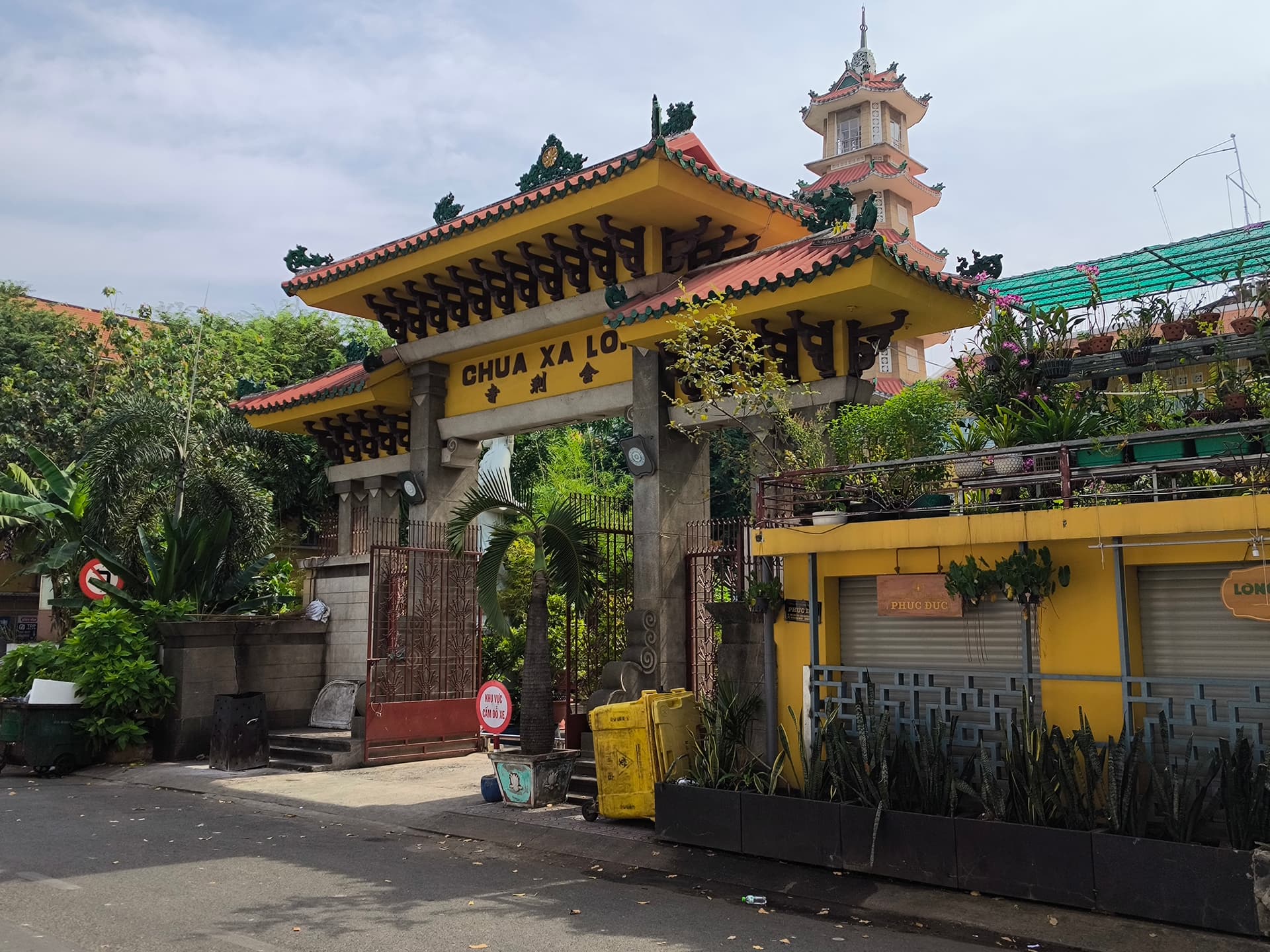
Xá Lợi Pagoda
Xuân Hòa, Ho Chi Minh City, Vietnam
1.4 km away

Jade Emperor Pagoda
Ho Chi Minh City, Ho Chi Minh City, Vietnam
1.7 km away
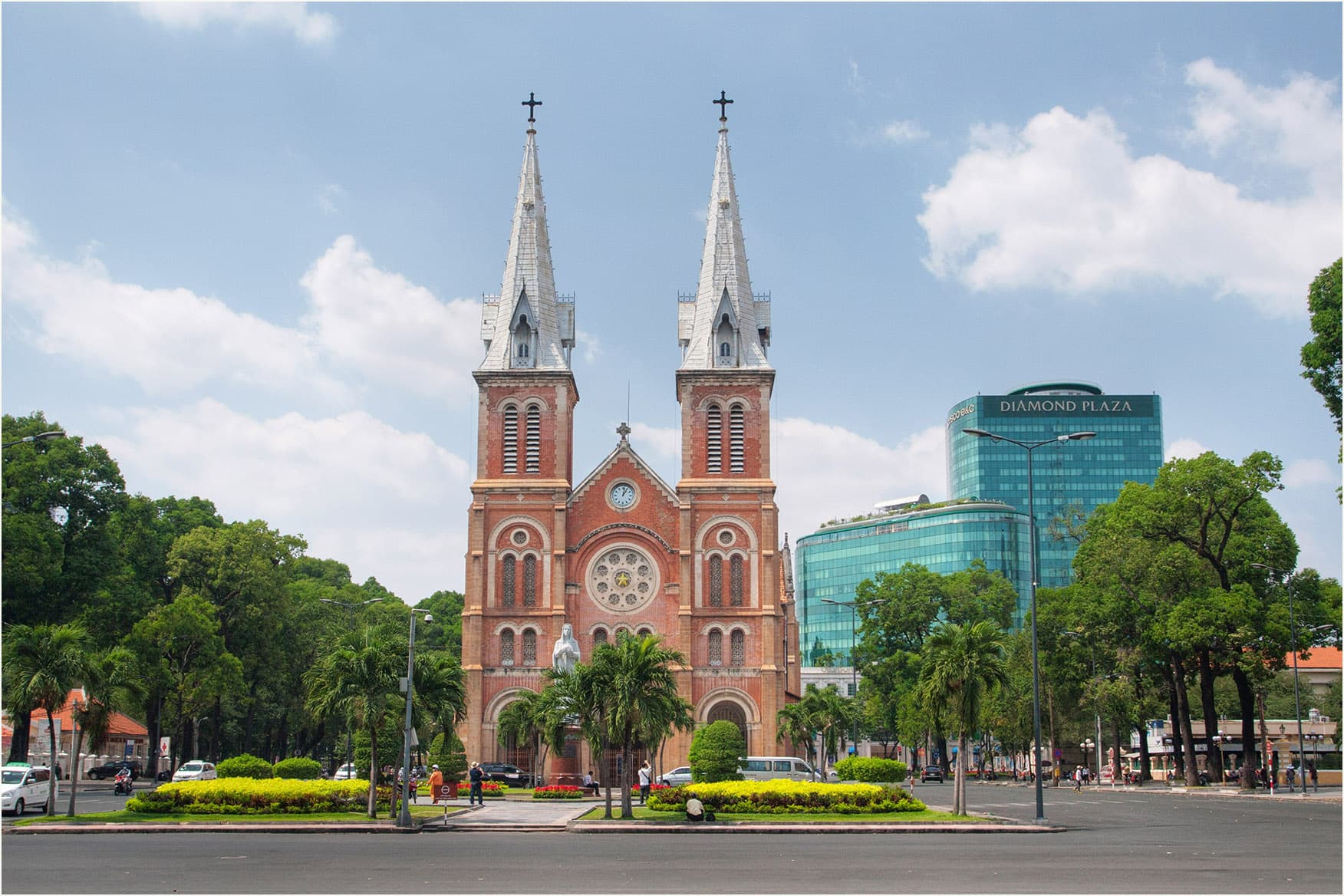
Notre-Dame Cathedral Basilica of Saigon
Sài Gòn, Ho Chi Minh City, Vietnam
2.2 km away

Mariamman Hindu Temple, Ho Chi Minh City
District 1, Ho Chi Minh City, Vietnam
2.5 km away
References
Sources consulted for this page. Source categories describe the publication, not a guarantee that every claim is verified. Traditional accounts and outside interpretations may differ.
- 01Vĩnh Nghiêm Pagoda, Saigon — Thư Viện Hoa Sen Buddhist libraryspiritualExact Buddhist reference for the Ho Chi Minh City pagoda, main Śākyamuni altar with Mañjuśrī and Samantabhadra, and dedicated Avalokiteśvara stupa.
- 02Vietnam National Authority of Tourism — Vietnam National Authority of TourismofficialNational tourism authority context; no weak Google Places fields were persisted.
- 03National Assembly approves provincial-level administrative reorganization — Government of Viet NamofficialAuthoritative 2025 successor-province and municipality boundaries.
- 04Vinh Nghiem Buddhist Temple — Google PlacesofficialStrong exact-entity practical metadata from the authoritative current preflight.
- 05Vĩnh Nghiêm Pagoda, Ho Chi Minh City — Wikipedia — Wikipedia contributorsacademicCorroborates identity, location, and basic historical context; key claims are framed conservatively.
Pilgrim glossary
- Kannon
- The bodhisattva of compassion, central to many East Asian pilgrimage routes.
- Bodhisattva
- An enlightened being who postpones full nirvana to help others toward awakening.
- Dharma
- The teachings of the Buddha; also the universal law underlying them.
Share a photo
Help visitors recognize Vĩnh Nghiêm Pagoda, Ho Chi Minh City. Every submission is reviewed before publication.