Cheonjedan Altars
Three stone altars carrying a living rite to Heaven
Understand sacred places, explore living traditions, and learn how to engage respectfully with Pilgrim Map.
Access has not been verified. Check current local guidance before planning a visit.
Taebaek-si, Gangwon-do, South Korea
Read the sources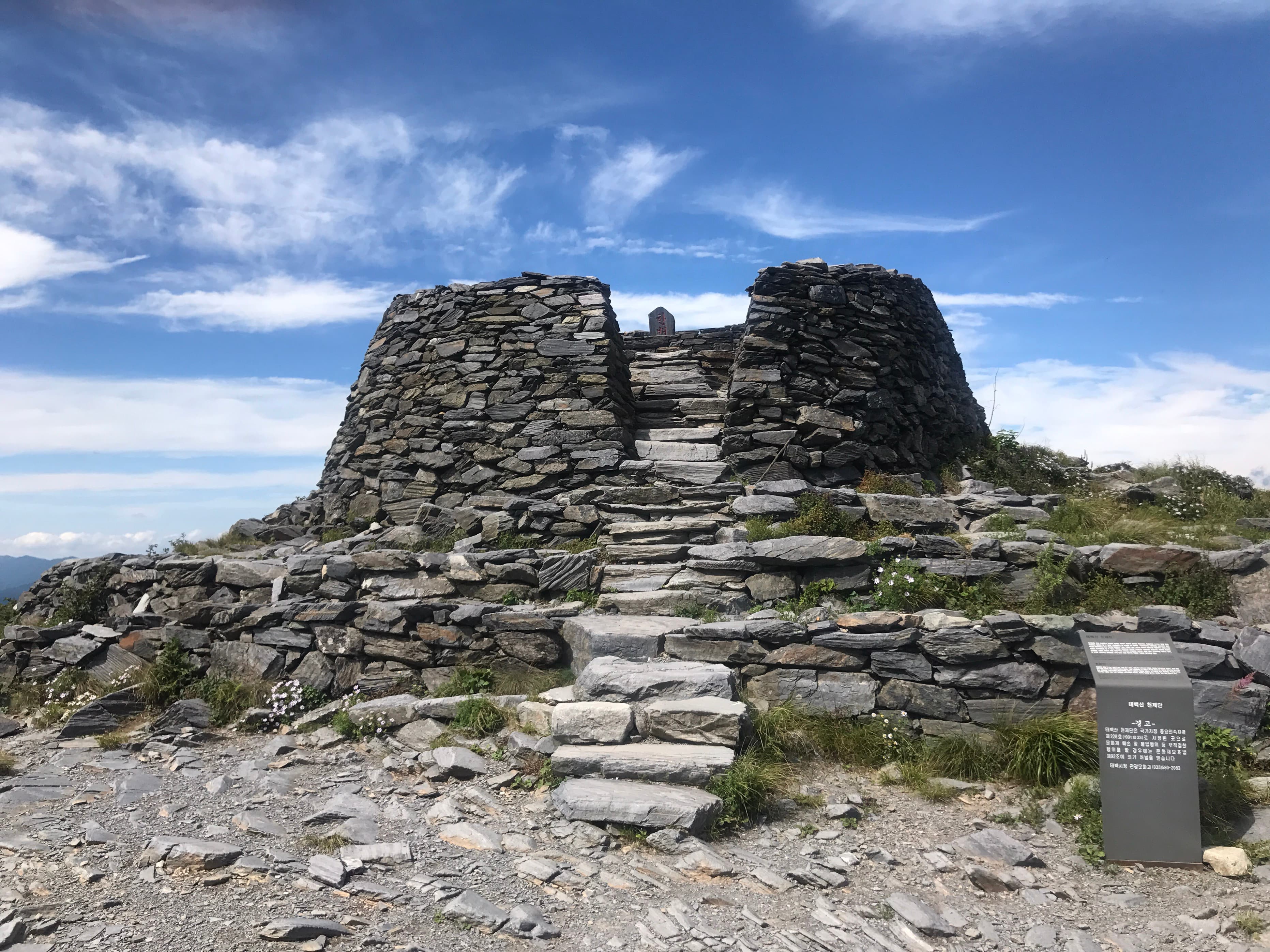
Cheonjedan Altars in Taebaek, Gangwon State, South Korea. Image source · CC BY-SA 3.0
Visit essentials
A quick read before you go
- Duration
- Allow for the summit hike, weather changes, and three distinct altars.
- Access
- Review current Taebaeksan trail closures before committing to the ascent.
Overview
On Taebaeksan's exposed summit, stacked-stone altars resembling small sacred fortresses frame a highly ordered ceremony; KTO identifies Cheonwangdan as the principal oval platform. The Academy of Korean Studies records Silla state attention to the mountain and participation by female ritual specialists in Goryeo sources, but the surviving structures are not securely dated to those references: longstanding mountain worship is not a complete construction chronology.
Each October 3, selected officiants perform an ordered sequence of opening, greeting the spirit, presenting cloth and food, stating the purpose, music, prayer, farewell, and closure. Offerings and flags turn the summit into a temporary ceremonial field. Unlike Chamseongdan, Cheonjedan metadata should not automatically center Dangun: its supported target is Heaven, and its documented national prayer is tied to Taebaeksan's sacred status.
Why this place is sacred
The relation among Cheonwangdan, Janggundan, and Hadan is part of the meaning. A visitor who photographs only the central wall misses a larger ritual topography. Height and weather expose human vulnerability, while stacked stone creates an ordered place from which Heaven can be addressed. Annual ceremony then converts landscape into calendar: the same mountain becomes a national ritual site at a specified time. Practitioners may understand the rite as efficacious prayer for peace and prosperity.
Those outcomes are religious intentions, not independently verified causal effects.
The three-altars account preserves ritual function without assigning an unsupported construction date.
Later change is identified without inventing continuity.
Experience and orientation
Plan from a National Park route rather than from the Google pin alone. The place record confirms the exact site and operational status but supplies no opening hours or telephone. Trail closures, snow, wind, fire risk, and ceremony management determine real access. At the summit, identify Cheonwangdan, then orient north toward Janggundan and south toward Hadan without crossing barriers or walking on altar walls.
During the October rite, remain outside the prepared field, avoid blocking flags or offering routes, and follow stewards. On an ordinary day, the absence of officiants does not make the stonework a picnic bench.
Follow Taebaeksan trails and keep outside protected altar stonework.
Context and lineage
Samguksagi identifies Taebaeksan among Silla’s sacred mountains where state rites occurred, while Goryeo records preserve other ceremonial participation. The Academy of Korean Studies notes that the exact origin and building date of the present stone altar remain unknown. What survives is a three-part complex with Cheonwangdan central, Janggundan north, and Hadan south. Modern Cheonje on National Foundation Day has a documented officiating body and ordered liturgy.
Responsible history distinguishes longstanding mountain worship from unsupported claims that every visible stone is ancient.
Korean heavenly ritual
Traditions and practice
The rite is neither an open altar-making exercise nor a theatrical reenactment for visitors. Sources describe prepared water, foods, cloth, grain, flags, music, invocations, and farewell stages under appointed ritual leadership. Visitors can attend where allowed, keep still during transitions, and avoid touching anything on the platform. Outside the public ceremony, a restrained practice is to consider the difference between asking Heaven for collective welfare and seeking a private scenic reward. Never light flames or leave offerings on your own.
Current observance remains under custodian authority.
Pause once and attend before interpreting.
Korean heavenly ritual
ActiveSummit offerings to heaven connect Taebaeksan with enduring national ritual memory.
Festival organizers and park managers govern ceremony, access, and conservation.
Perspectives and open questions
Sacred-mountain history, heavenly liturgy, archaeology, national commemoration, and alpine risk meet at Cheonjedan.
Scholarly perspective
Historical texts establish long reverence for Taebaeksan, while they do not date the surviving masonry. Ritual sources explain the current Cheonje from within its own tradition. Park management treats the summit as a protected and hazardous environment. Holding these perspectives together avoids two errors: dismissing living heavenly worship as folklore, or claiming unbroken material survival and guaranteed ritual outcomes beyond the evidence.
Living and traditional perspectives
Heaven-directed rites define the altars more securely than modern speculation.
Open questions
No spiritual or physical effect is inferred from altitude or alignment.
Plan your visit
Access and arrival
Review current Taebaeksan trail closures before committing to the ascent.
No summit lodging is documented in the cited park material.
Respectful visit
Carry mountain layers and wear unobtrusive clothing during summit ceremonies.
Give ritual participants space and follow national-park photography notices.
Use only forms explicitly authorized by custodians.
Barriers and ceremony instructions always take priority.
Avoid imitation, intrusion, and unsupported promises.
Current practical details
Address
Hyeol-dong, Taebaek-si, Gangwon-do, South Korea
Hours, fees, and access can change — verify on the official source before you travel. Practical details last checked Jul 2026.
Location
Map loads as you approach this section.
Pilgrim reflections
A portrait of encounter, not a score
Pilgrims describe what they felt, how present they could become, and whether the place would shape a journey. There are no stars and no ranking of traditions.
No reviewed reflections yet
The first pilgrims can help describe the character of being here.
Share a reflection
Available after an account-backed “Been there.” Every reflection is reviewed before publication.
Nearby sacred places
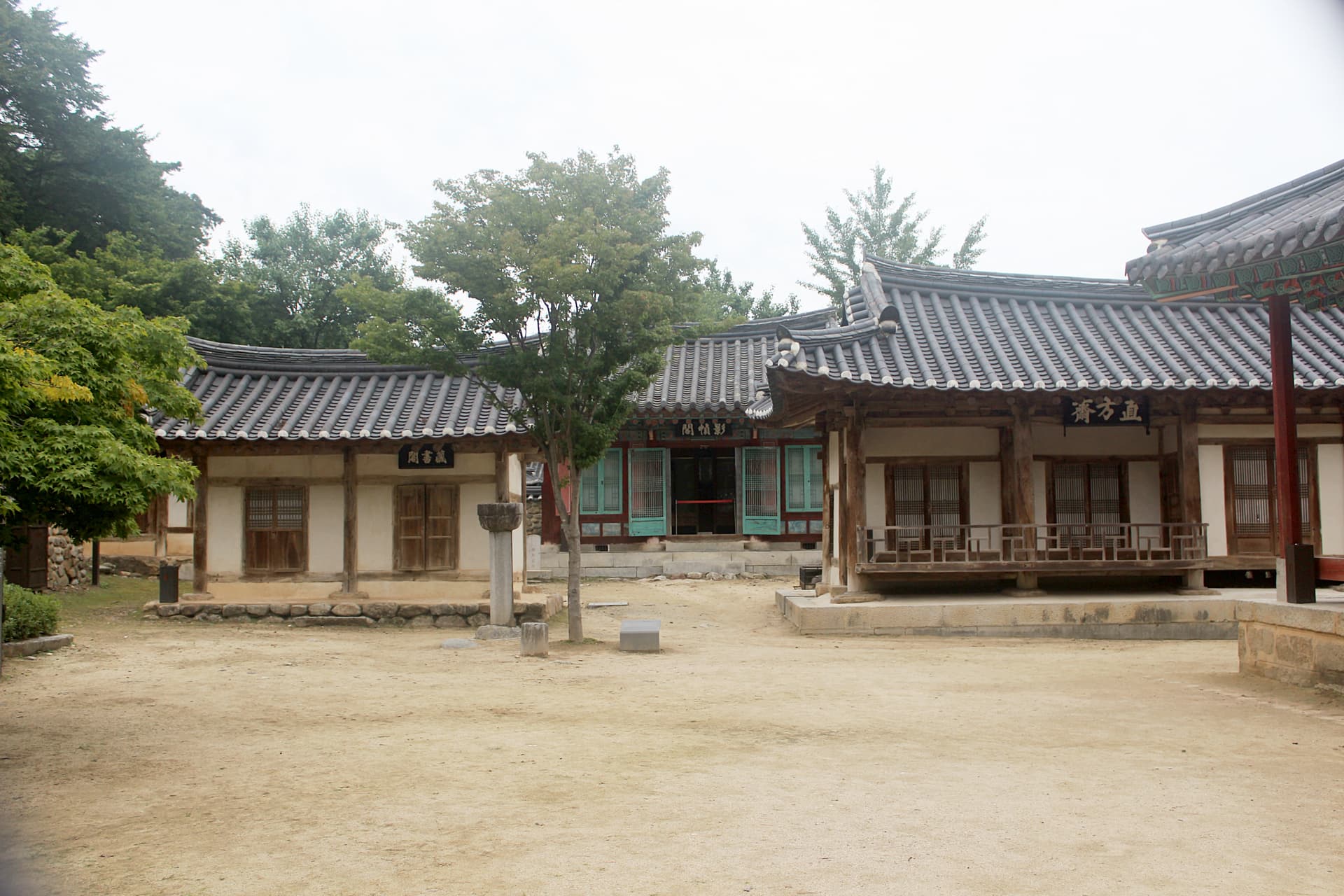
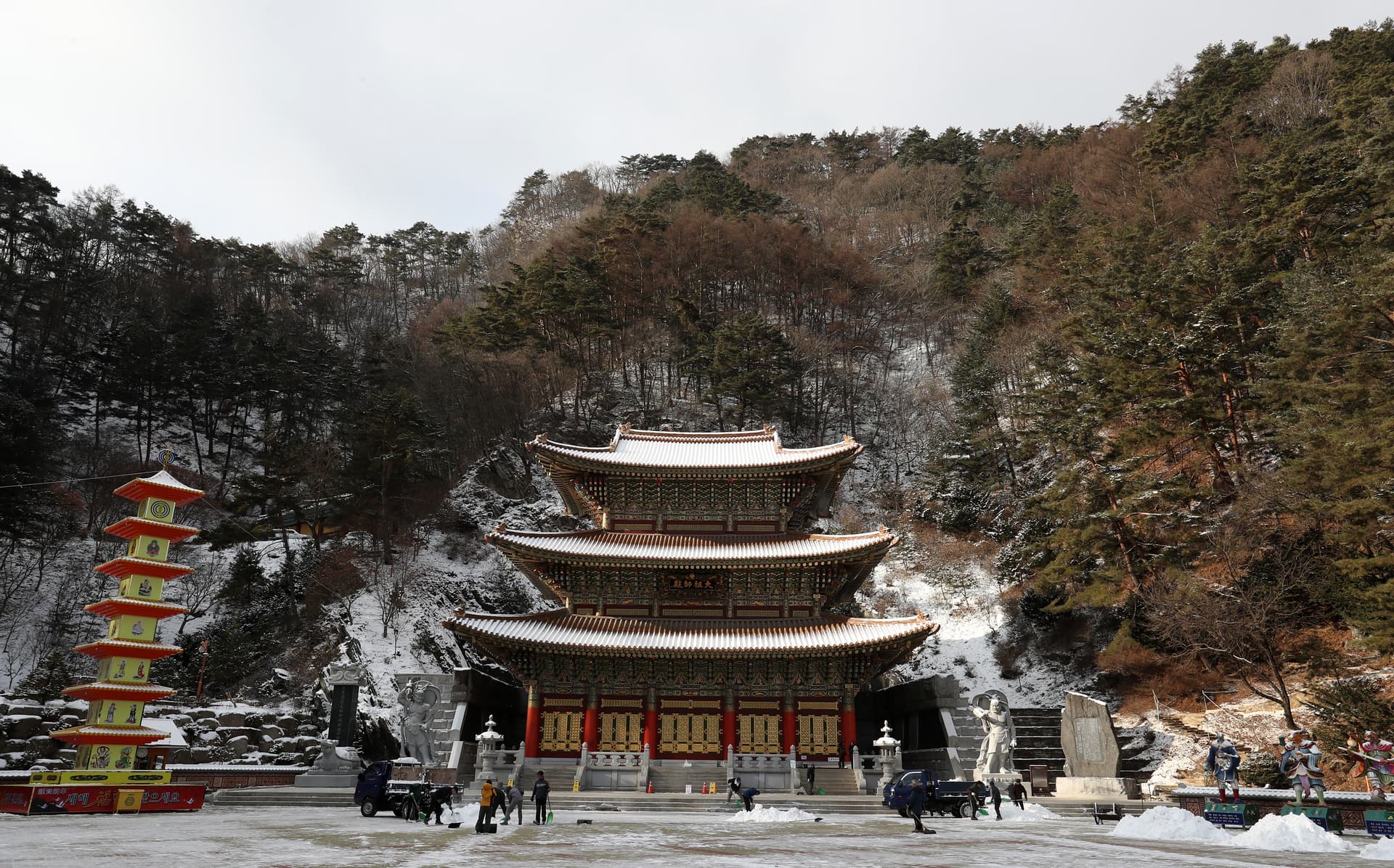
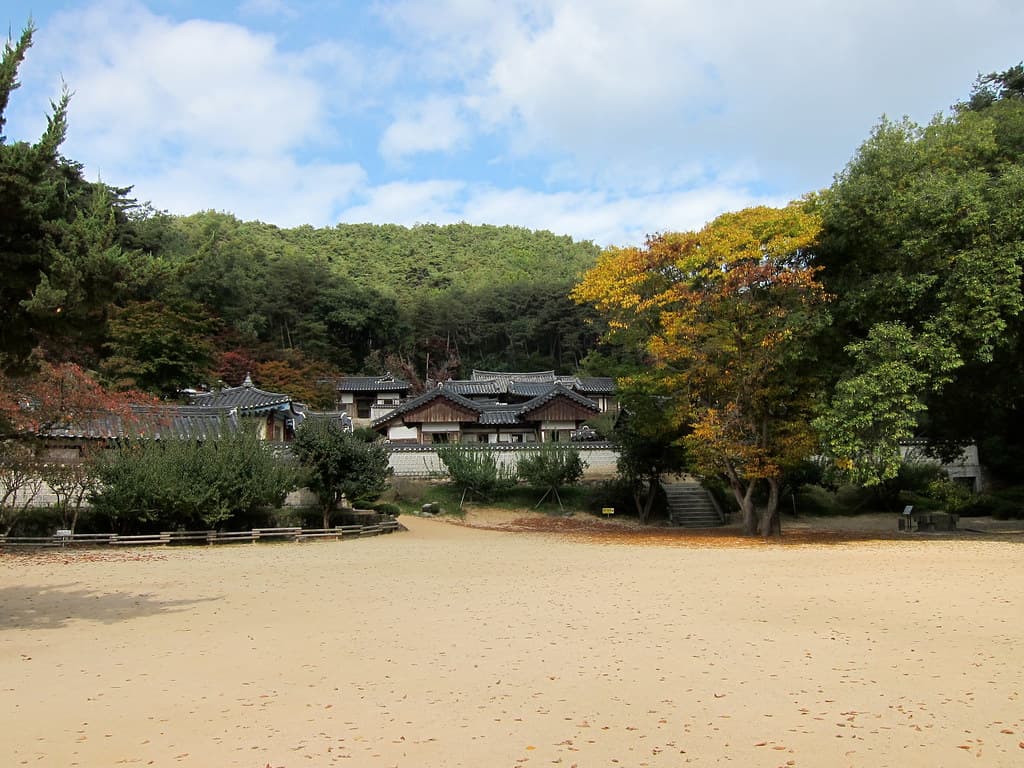
Explore other sacred places in the region. Proximity does not establish access or travel time; check each place’s guidance.

References
Sources consulted for this page. Source categories describe the publication, not a guarantee that every claim is verified. Traditional accounts and outside interpretations may differ.
- 01Cheonjedan Altar on Taebaeksan Mountain — Korea Tourism OrganizationofficialExact visitor record for the three altars, heavenly offerings, Silla sacred-mountain record, measurements, address, and park contact.
- 02Designed Cultural Assets — Taebaek CityofficialMunicipal heritage page confirming sacred-mountain status and the annual October 3 rite.
- 03Cheonjedan Altar on Taebaeksan Mountain — Academy of Korean StudiesacademicExpert account of the altar group, historical records, ritual sequence, dimensions, National Foundation Day continuity, and heritage status.
- 04Cheonjedan Altars — Google Maps place record — GoogleSource contextStrong exact identity used only for coordinates, address, operating status, and official-page candidate.
Share a photo
Help visitors recognize Cheonjedan Altars. Every submission is reviewed before publication.