Bà Đen Mountain
Núi Bà Đen: ascent, goddess devotion, and Buddhist pilgrimage above Tây Ninh
Understand sacred places, explore living traditions, and learn how to engage respectfully with Pilgrim Map.
Access has not been verified. Check current local guidance before planning a visit.
Tây Ninh, Tây Ninh, Vietnam
Read the sources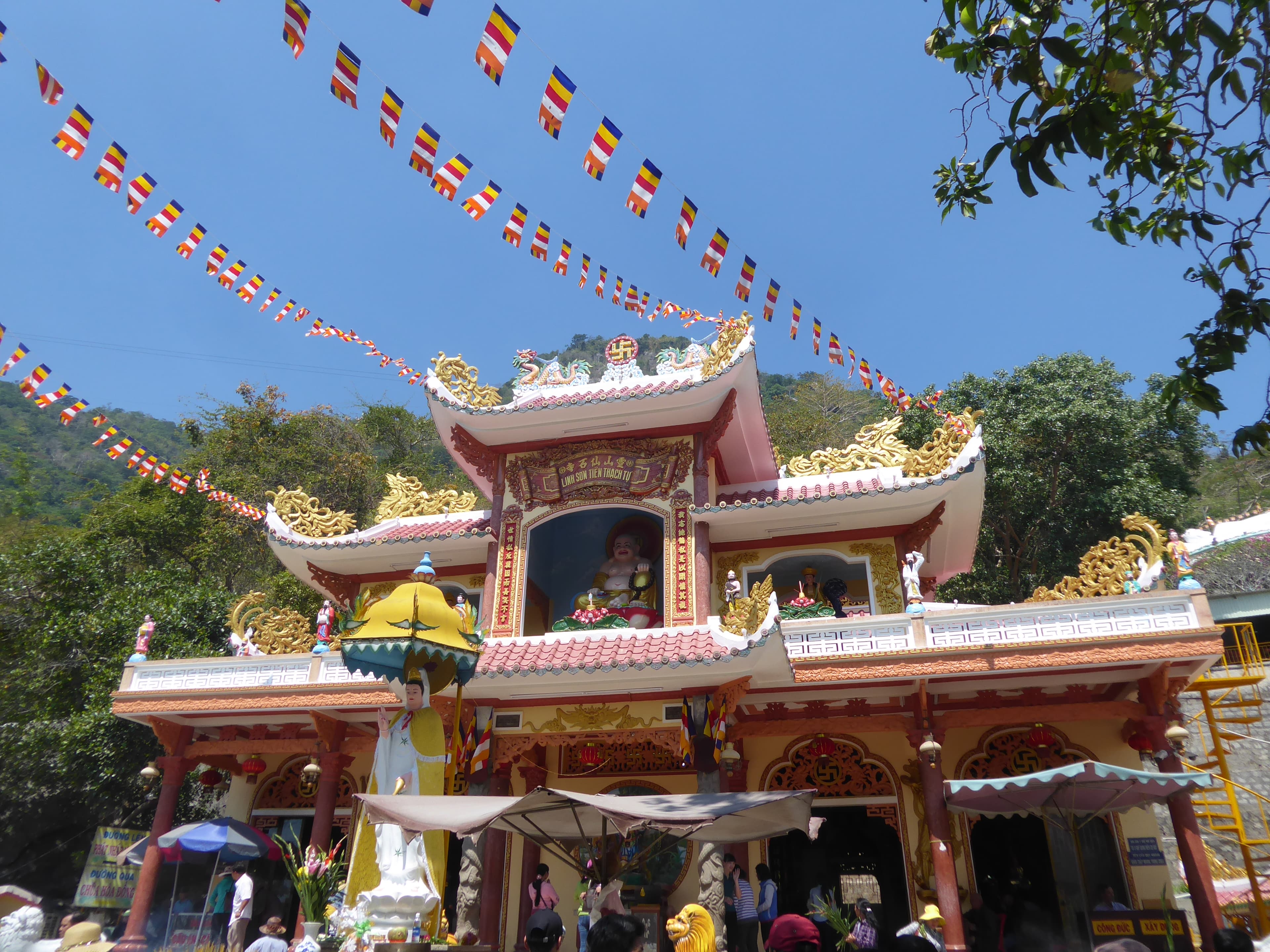
Bà Đen Mountain in Tây Ninh, Tây Ninh, Vietnam. Image source · CC BY-SA 4.0
Visit essentials
A quick read before you go
- Duration
- Allow substantial time for transport, worship stops, and a safe return from the mountain.
- Access
- No Places candidate met the identity threshold.
Overview
Bà Đen cannot be reduced to a summit view or single temple. Pilgrims enter a vertical landscape where shrines, paths, weather, and bodily effort shape devotion. Linh Sơn Thánh Mẫu is its principal folk-religious focus, while Buddhist institutions maintain distinct altars and disciplines; the traditions overlap geographically without becoming one cult. Some pilgrims climb in fulfillment of vows, while others arrive by modern transport and pray. Both navigate crowded thresholds and mountain exposure.
Neither a cable car diminishes sacred meaning nor a strenuous ascent guarantees spiritual achievement: intention, conduct, and shrine-specific community practices shape the pilgrimage.
Why this place is sacred
Distance, weather, and changing scale materially define the ascent. At Bà Đen, those physical conditions are joined to a specific tradition of seeking Linh Sơn Thánh Mẫu's care. Buddhist halls add refuge, merit, and teaching to the larger pilgrimage field. The resulting power is cultural and devotional, not proof that altitude produces measurable energy. Vows may incorporate the labor of climbing, but easier access does not make a prayer less authentic.
The natural mountain became a regional pilgrimage landscape through Black Lady devotion and Buddhist institutions on its slopes.
Walking routes, temples, major visitor infrastructure, and mass pilgrimage now coexist.
Experience and orientation
Conditions can change between the base and upper slopes. Heat, rain, cloud, crowds, and steep surfaces affect both walking and transport. On arrival at a temple, stop outside the worship flow and determine which figure is honored there. Do not treat every altar as the Black Lady's shrine or every Buddhist image as part of the same devotion. Keep overlooks clear for pilgrims who have climbed to fulfill a vow. Descent deserves the same planning as ascent.
Separate transport areas, walking paths, the Linh Sơn Thánh Mẫu focus, Buddhist temples, and restricted mountain terrain.
Context and lineage
The reviewed sources establish the named mountain, the Black Lady tradition, and the presence of Buddhist temples. Stories about the goddess circulate in multiple forms; this research pass does not resolve them into one historical biography. The page therefore attributes inherited devotion without presenting every narrative as fact. Bà Đen is a natural and cultural sacred landscape, not a UNESCO World Heritage property.
Vietnamese folk-religious goddess devotion and Vietnamese Buddhism maintain distinct but neighboring practices.
Linh Sơn Thánh Mẫu (Black Lady)
principal goddess and regional pilgrimage focus
Traditions and practice
Pilgrims may pray, offer incense, present approved gifts, or climb in fulfillment of a vow. Buddhist worship follows temple forms, while petitions to Linh Sơn Thánh Mẫu belong to her own shrine relationship. Observe local sequences and never assume that physical hardship purchases a result.
Large-scale transport, tourism, festival crowds, temple worship, and personal vows all shape current use.
Pause at one change of elevation and consider how effort affects attention without treating fatigue as revelation.
Vietnamese folk religion and Buddhism
ActiveBlack Lady petition and Buddhist refuge occupy different stations along one mountain ascent.
Prayer, vows, incense, offerings, temple devotion, and ascent proceed under shrine and safety guidance.
Perspectives and open questions
Goddess studies, Buddhist pilgrimage, mountain geography, transport infrastructure, and visitor safety offer different evidence.
Scholarly perspective
A pilgrimage-landscape reading avoids choosing between 'ancient nature' and 'modern development.' Sacred use changes as access changes, while named shrines, vows, and festival relationships provide continuity. The mountain's physical prominence helps explain regional importance without proving supernatural force.
Living and traditional perspectives
Linh Sơn Thánh Mẫu is approached through inherited trust and petition; Buddhist temples maintain refuge and merit within their own lineages.
Open questions
Miracle reports and energy claims remain unverified unless clearly attributed to the people who report them.
Plan your visit
Access and arrival
No Places candidate met the identity threshold. Obtain current cable-car, trail, and shrine-entry details from the mountain operator before setting out.
Use licensed lodging in Tây Ninh; no shrine accommodation is claimed.
Respectful visit
Use modest layers, sun or rain protection, and secure walking shoes.
Never block an altar, procession, or narrow overlook for a photograph.
Use designated points and materials accepted by the relevant shrine or temple.
Closed trails, service areas, cliff edges, and monastic rooms remain off limits.
Do not leave offerings on open rock, enter unsafe slopes, or claim guaranteed protection from the goddess.
Location
Map loads as you approach this section.
Pilgrim reflections
A portrait of encounter, not a score
Pilgrims describe what they felt, how present they could become, and whether the place would shape a journey. There are no stars and no ranking of traditions.
No reviewed reflections yet
The first pilgrims can help describe the character of being here.
Share a reflection
Available after an account-backed “Been there.” Every reflection is reviewed before publication.
Nearby sacred places
Explore other sacred places in the region. Proximity does not establish access or travel time; check each place’s guidance.



References
Sources consulted for this page. Source categories describe the publication, not a guarantee that every claim is verified. Traditional accounts and outside interpretations may differ.
- 01Official heritage or tourism context for Bà Đen Mountain — Vietnam National Authority of Tourism or responsible heritage authorityofficialSupports the site's physical, cultural, religious, or visitor context.
- 02Vietnam National Authority of Tourism — Vietnam National Authority of TourismofficialNational tourism authority context; no weak Google Places fields were persisted.
- 03Lễ Vía Bà at Núi Bà Đen — Núi Bà Đen tourism authorityofficialCurrent official evidence for Lễ Vía Bà and pilgrimage activity.
- 04Vietnamese-language reference search for Núi Bà Đen — Vietnamese Wikipedia contributorsacademicDiscovery reference only; unsupported details were not promoted into factual prose.
Share a photo
Help visitors recognize Bà Đen Mountain. Every submission is reviewed before publication.