Jade Emperor Pagoda
Chùa Ngọc Hoàng: incense-darkened chambers ordered around celestial courts
Understand sacred places, explore living traditions, and learn how to engage respectfully with Pilgrim Map.
Access has not been verified. Check current local guidance before planning a visit.
Ho Chi Minh City, Ho Chi Minh City, Vietnam
Read the sources
Jade Emperor Pagoda in Ho Chi Minh City, Ho Chi Minh City, Vietnam. Image source · CC0
Visit essentials
A quick read before you go
- Duration
- A useful visit follows several altar chambers slowly enough to preserve worshippers' paths.
- Access
- The strong Places listing supports the Mai Thị Lựu address and current daily schedule.
Overview
The temple is best understood as an ordered religious world compressed into a series of rooms. Carved figures, plaques, roof ornament, smoke, and crowded altars surround the main court honoring the Jade Emperor, while adjacent chambers give other divine officials and protective figures their own responsibilities. Devotees know which altar answers a particular concern and how to move between them.
Newcomers should pause at each threshold, identify the altar before interpreting it, and keep the route clear for people carrying incense rather than treating the dim interior as an exotic maze.
Why this place is sacred
The sacred meaning of Ngọc Hoàng Temple lies in differentiated divine authority. The Jade Emperor presides over a celestial administration; other figures are approached for particular forms of judgment, protection, family hope, or compassion. This order reflects Chinese Vietnamese popular religion with Taoist and Buddhist elements, but those labels should not make every image interchangeable.
Spiritual significance is expressed in the devotee's correctly directed petition and obligation to return thanks, not in a generalized promise that incense smoke itself produces results.
Chinese migrants established an urban religious institution where divine administration, community life, Taoism, and Buddhism met.
The colonial-era temple became a durable Chinese Vietnamese sanctuary rather than a static collection of carvings.
Experience and orientation
Let your eyes adjust before raising a phone. The shift from courtyard daylight to dark carved chambers is part of the encounter, as are the density of figures and the movement of smoke toward roof openings. Watch where worshippers pause, bow, and continue; their route reveals the relationships among altars better than a rapid list of deities. Because interiors are narrow, step aside before reading labels or composing a photograph.
Pause inside the entrance until altar traffic and the order of petitions become legible.
Context and lineage
Chinese migrants established the temple in colonial Saigon, creating a durable place for worship and association life. Its carved pantheon and ritual layout preserve the social memory of an urban immigrant community while continuing to receive a wider Vietnamese public. University research and city sources document that history without reducing the building to the later fame of a distinguished visitor.
Popular religion, Taoist cosmology, and Buddhist presence overlap here without forming one simplified doctrinal system.
The Jade Emperor
documented devotional focus
Traditions and practice
People light incense, bow, state petitions, and address different altars according to their purpose. Some come with family concerns; others pray for health, fertility, protection, or mercy. Observe the local sequence before offering anything. Never relocate fruit, candles, divination objects, or paper goods to improve a picture, and avoid crowding a person whose prayer has only just begun.
Active worship continues in chambers whose smoke, statuary, and circulation reflect an established ritual order.
Observe which altar a devotee approaches and resist assigning the same purpose to adjacent figures.
Chinese Vietnamese popular religion, Taoism, and Buddhism
ActiveChinese Vietnamese popular religion orders the sanctuary around celestial authority while accommodating Taoist and Buddhist figures.
Incense, bows, and altar-specific petitions follow a devotional geography that guests should not flatten.
Perspectives and open questions
Migration history, divine iconography, living petition, and architectural study clarify different aspects of the precinct.
Scholarly perspective
A material-culture reading shows immigrant patronage, carving, and urban history. A traditional reading shows a morally ordered cosmos inhabited by named powers. Both are needed; architecture alone cannot explain why specific petitions continue to be made at specific altars.
Living and traditional perspectives
Chinese Vietnamese worshippers retain authority over the Jade Emperor's court and the purposes of neighboring altars.
Open questions
No source verifies that smoke, darkness, or carved imagery produces a measurable supernatural effect for visitors.
Plan your visit
Access and arrival
The strong Places listing supports the Mai Thị Lựu address and current daily schedule.
Select independent Ho Chi Minh City lodging according to transport rather than any temple endorsement.
Respectful visit
Wear subdued, modest clothing appropriate to incense-filled interiors and active urban worship.
Ask before recording devotees or close altars; low light never justifies intrusive flash.
Purchase or place nothing by assumption because individual courts receive different forms of address.
Keep altar approaches open, ask before photography, and never imitate petitions or offerings without local invitation.
Do not imitate a petition, touch divine images, or interrupt the narrow route between altar courts.
Current practical details
Address
73 Mai Thị Lựu, Tân Định, Hồ Chí Minh 700000, Vietnam
Hours
Hours, fees, and access can change — verify on the official source before you travel. Practical details last checked Jul 2026.
Location
Map loads as you approach this section.
Pilgrim reflections
A portrait of encounter, not a score
Pilgrims describe what they felt, how present they could become, and whether the place would shape a journey. There are no stars and no ranking of traditions.
No reviewed reflections yet
The first pilgrims can help describe the character of being here.
Share a reflection
Available after an account-backed “Been there.” Every reflection is reviewed before publication.
Nearby sacred places
Explore other sacred places in the region. Proximity does not establish access or travel time; check each place’s guidance.
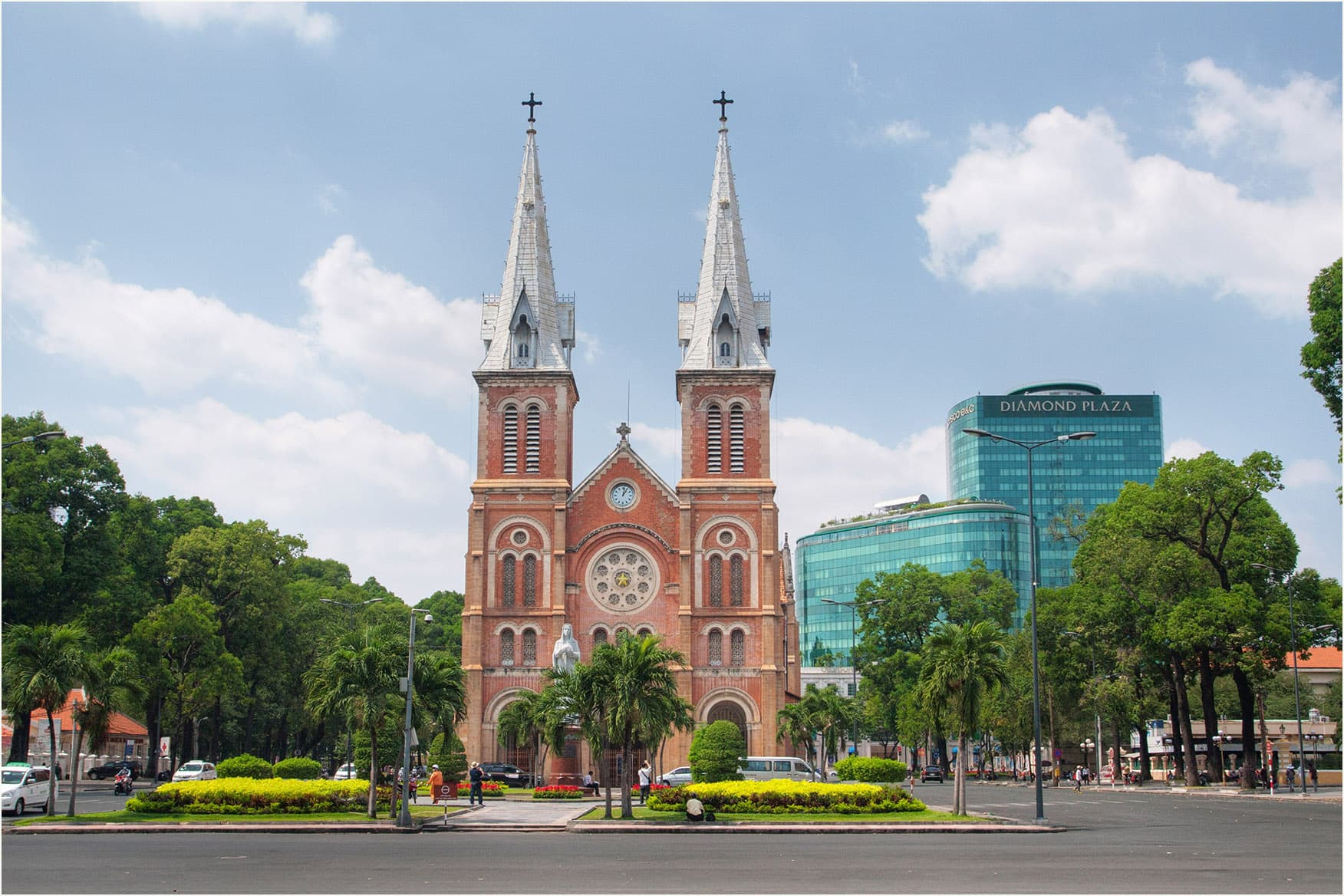
Notre-Dame Cathedral Basilica of Saigon
Sài Gòn, Ho Chi Minh City, Vietnam
1.4 km away
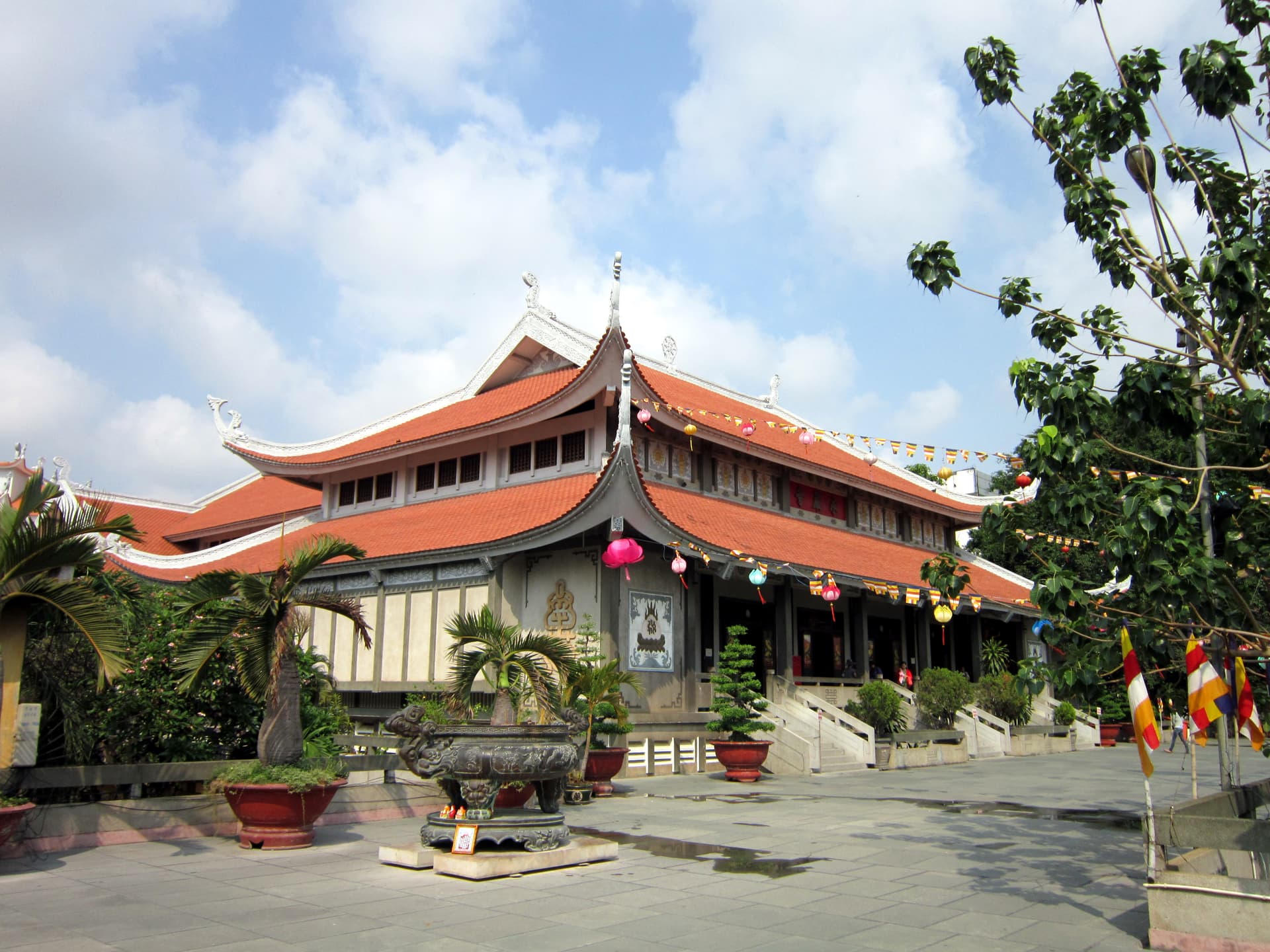
Vĩnh Nghiêm Pagoda, Ho Chi Minh City
Xuân Hòa, Ho Chi Minh City, Vietnam
1.7 km away
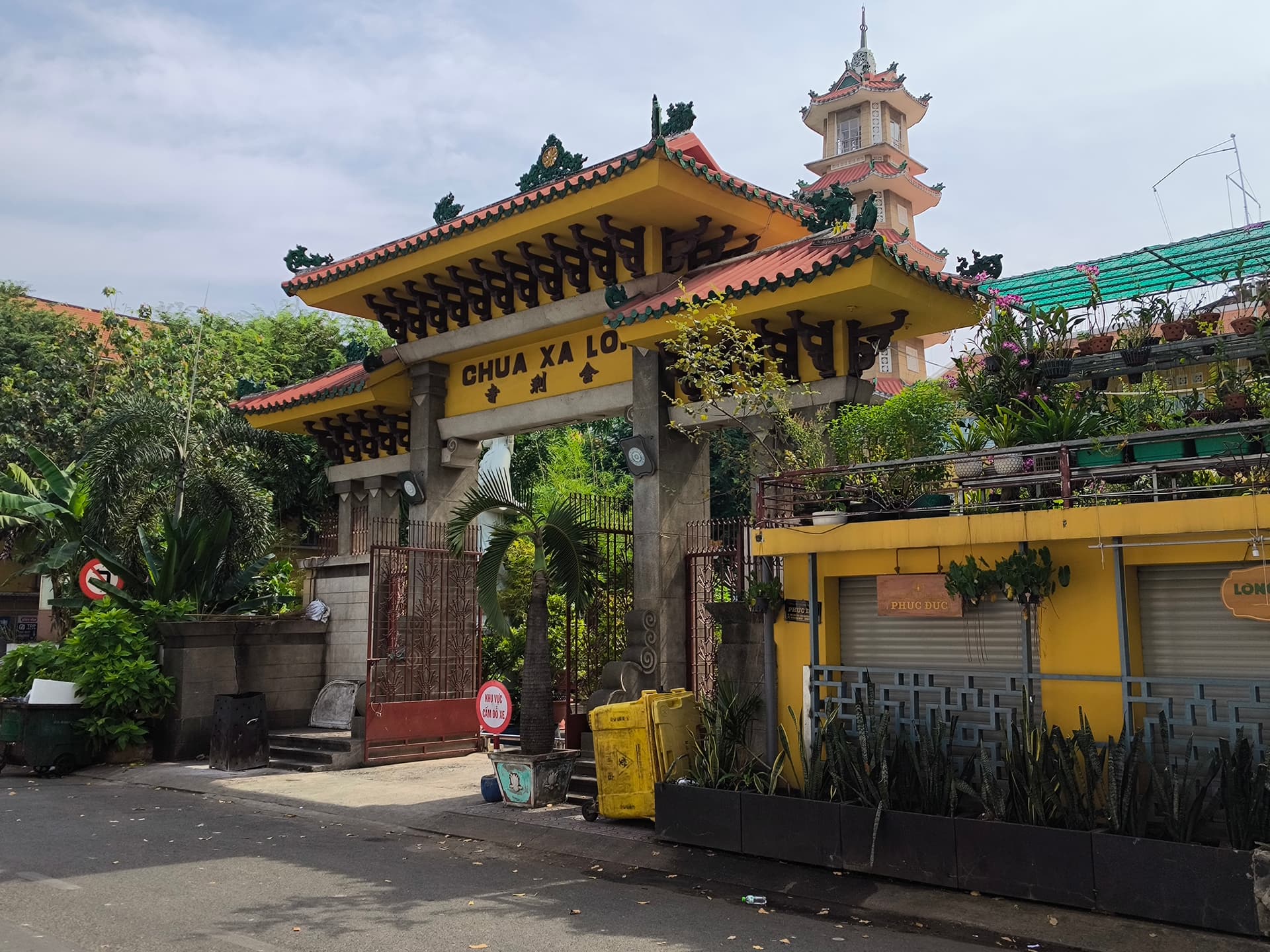
Xá Lợi Pagoda
Xuân Hòa, Ho Chi Minh City, Vietnam
2.0 km away

Mariamman Hindu Temple, Ho Chi Minh City
District 1, Ho Chi Minh City, Vietnam
2.2 km away
References
Sources consulted for this page. Source categories describe the publication, not a guarantee that every claim is verified. Traditional accounts and outside interpretations may differ.
- 01Explore Ngọc Hoàng Temple — Ho Chi Minh City TourismofficialCity tourism authority identifies the Jade Emperor altar and the temple's other deities.
- 02The Ngoc-Hoang Pagoda — an ethnic Chinese temple in Vietnam — University of Tokyo LibraryacademicUniversity research on Chinese immigrant origins, historical documentation, and devotional imagery.
- 03Jade Emperor Pagoda — Wikipedia — Wikipedia contributorsacademicCorroborates identity, alternative names, location, and multi-tradition classification.
- 04Jade Emperor Pagoda — Lonely PlanetSource contextEstablished travel guide for the Jade Emperor focus, incense-filled interior, and visitor context.
- 05Google Maps listing for Jade Emperor Pagoda — Google MapsSource contextUsed only for strong-match coordinates and practical fields.
Share a photo
Help visitors recognize Jade Emperor Pagoda. Every submission is reviewed before publication.