Tradition guide
Korean ritual traditions
Korean ritual traditions sites connect places through shared lineage, practice, story, and pilgrimage across the global atlas.
2 sacred places share this lineage. Use the country links to narrow in.
Atlas summary
Korean ritual traditions sacred sites overview
Korean ritual traditions sacred sites connect places through shared lineage, ritual use, memory, and pilgrimage practice across the Pilgrim Map atlas.
Use this page to compare country clusters, common place types, UNESCO-tagged landmarks, and the map distribution before exploring individual site pages.
| Coverage | 2 Korean ritual traditions sacred places in the current atlas. |
|---|---|
| Country clusters |
By country
Showing 1-2 of 2 sites in this tradition guide
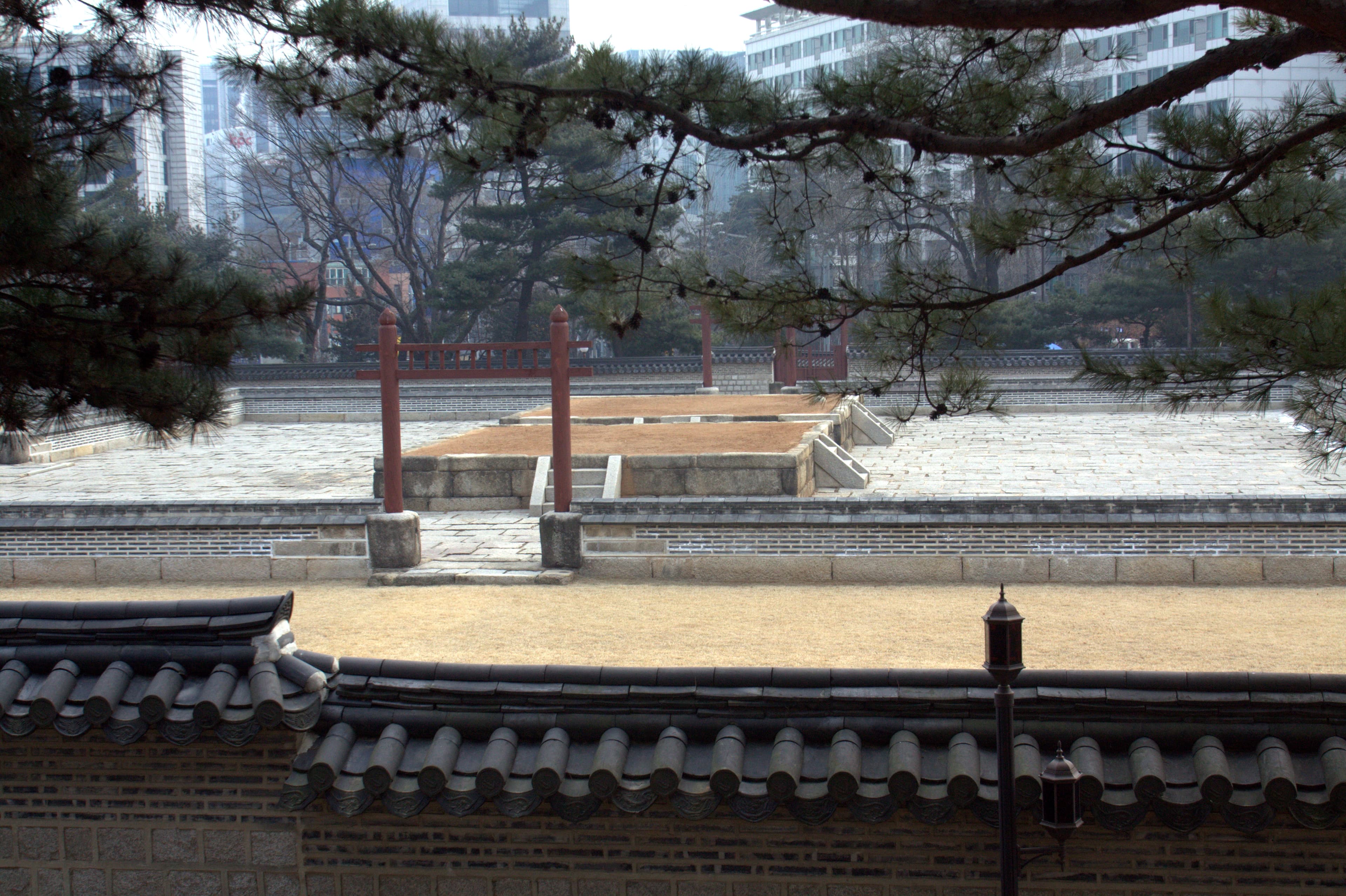
Sajikdan Altar
Seoul, Seoul, South Korea
Sajikdan’s altars are deliberately spare. Their meaning comes from what Joseon government placed upon them: responsibility for land, grain, rain, harvest, crisis, and the...
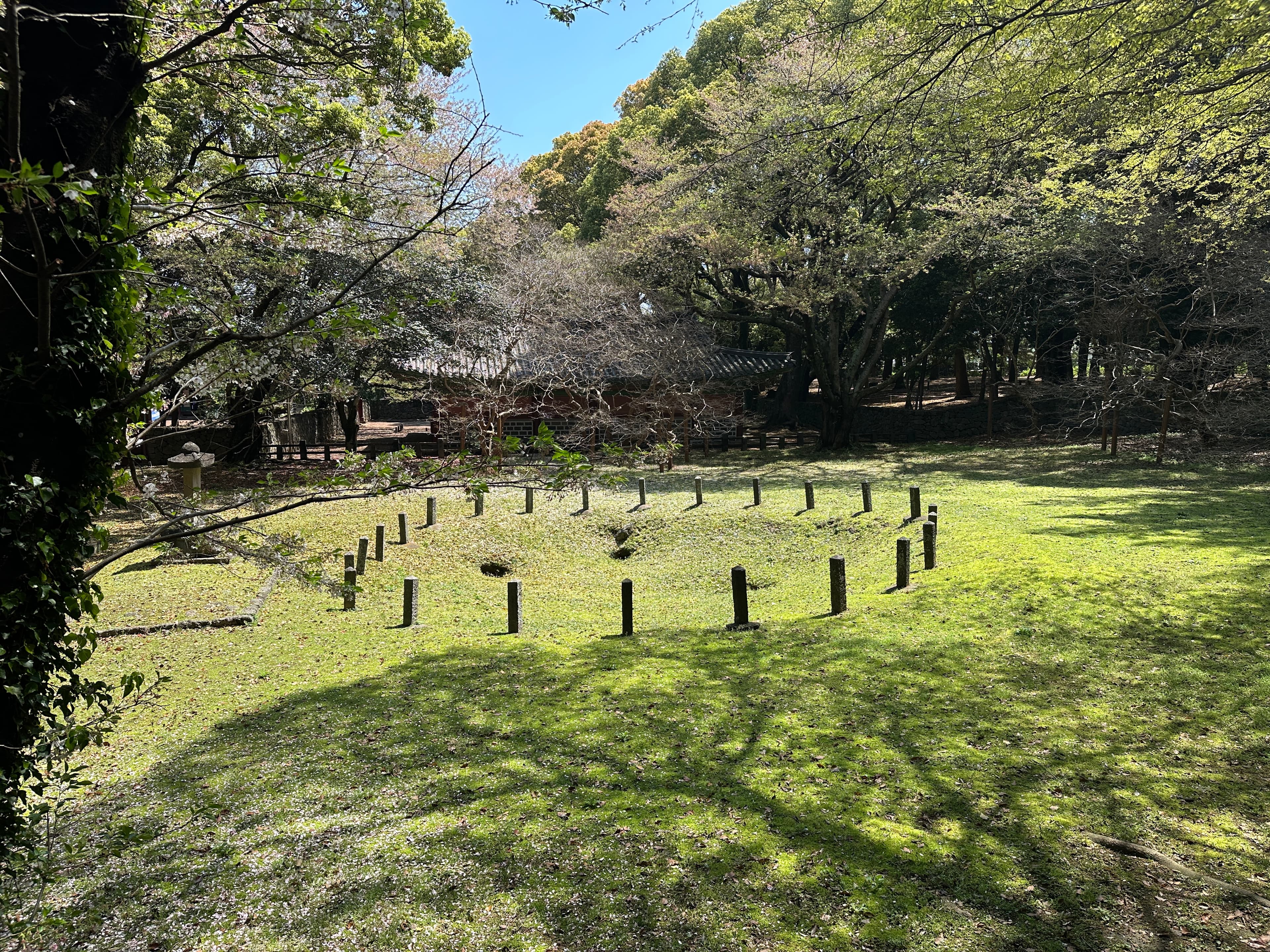
Samseonghyeol
Cheju, Jeju-do, South Korea
Samseonghyeol centers on three small depressions associated with Go, Yang, and Bu, ancestral founders in Jeju tradition. Their physical modesty matters....
Key questions
Korean ritual traditions sacred-site questions
What are Korean ritual traditions sacred sites?
Korean ritual traditions sacred sites are places connected by shared lineage, practice, memory, ritual use, or pilgrimage tradition.
Where can I find Korean ritual traditions sacred sites?
The strongest country clusters in this guide include South Korea.
What kinds of places are included?
The guide includes sacred landscapes, pilgrimage places, and ritual or historical sites where available.
Can I map Korean ritual traditions sacred sites?
Yes. Compare country clusters and physical forms first, then open individual pages for coordinates, historical context, and visitor guidance.